Christian Marclay’s Screen Play
John Butcher Paul Lovens Steve Beresford Christian Marclay
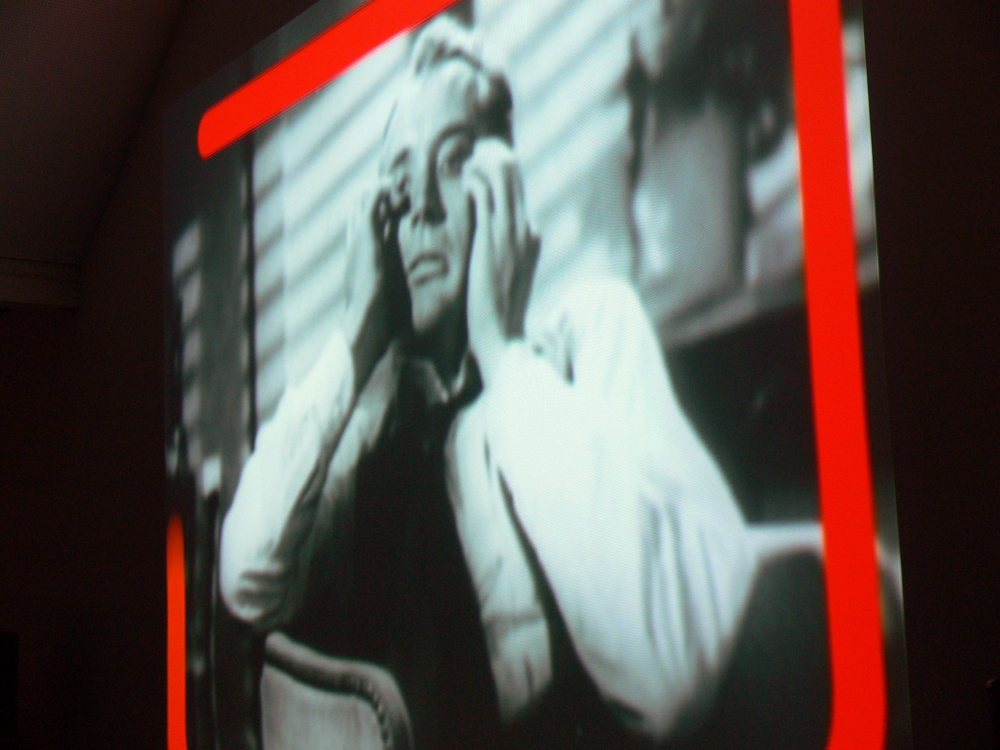
A silent collage of found film footage partially layered with computer graphics to provide a framework in which live music can develop.
Arika have been creating events since 2001. The Archive is space to share the documentation of our work, over 600 events from the past 20 years. Browse the archive by event, artists and collections, explore using theme pairs, or use the index for a comprehensive overview.
A silent collage of found film footage partially layered with computer graphics to provide a framework in which live music can develop.
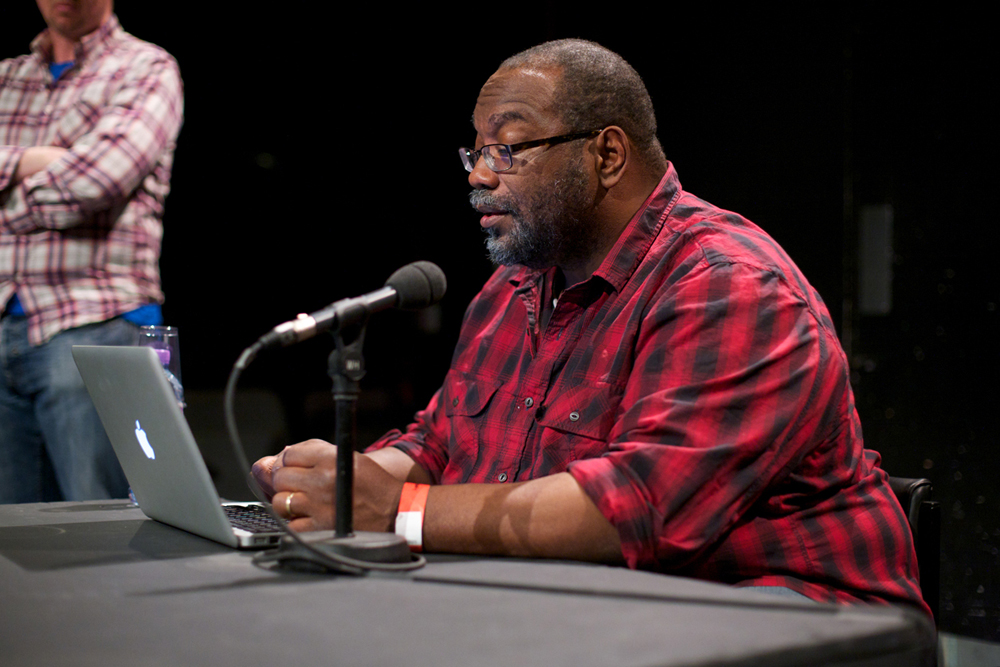
In many ways, this Episode is our attempt to engage with Fred’s incredible writing: with his proposal that all black performance (culture, politics, sexuality, identity, and blackness itself) is improvisation.
If life is assaulted by power, where do we find spaces for living? A conversation with Peter Pál Pelbart.
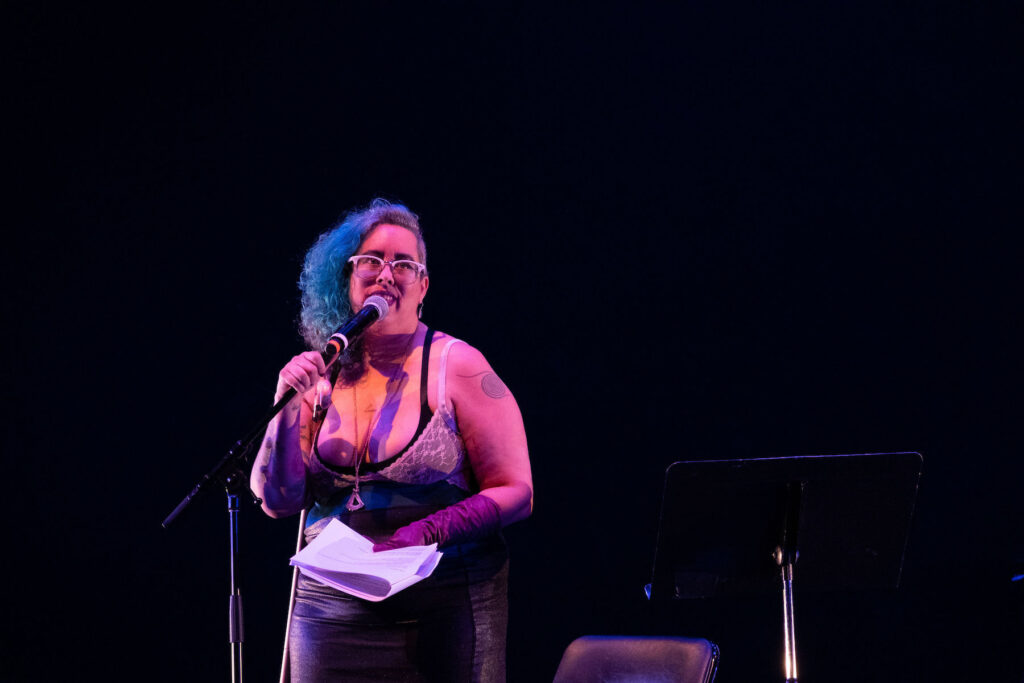
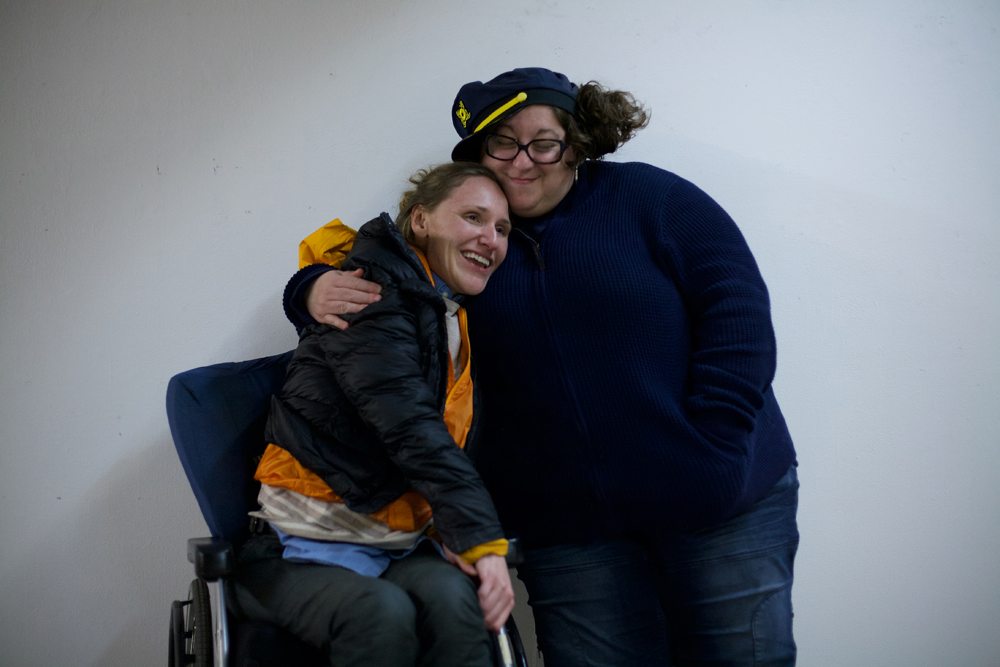
Come for the crip ingenuity; stay for the smooth feels of what it is to be each other’s everything.
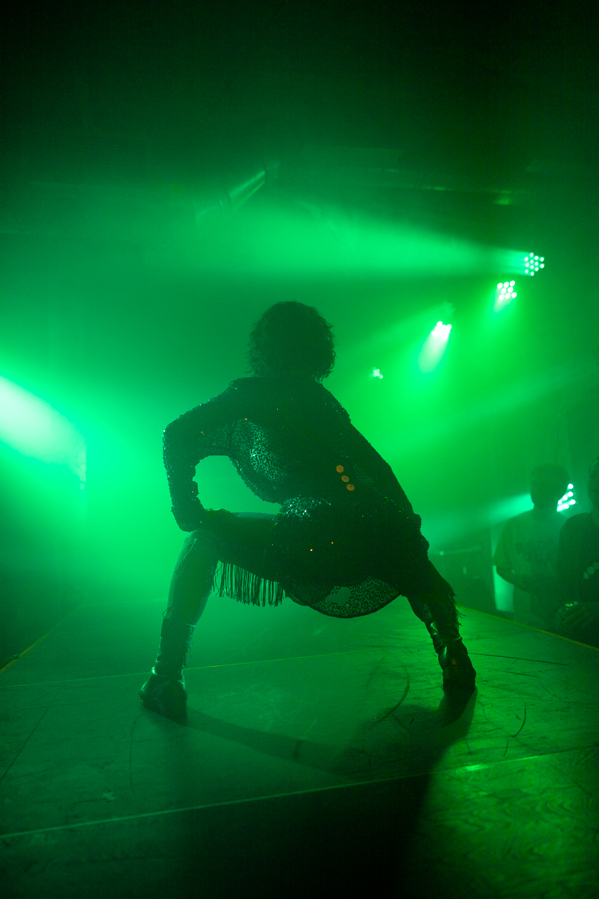
The club as a community and a site for performed politics: deep/ queer house, vogue femme, lipsync and ballroom.
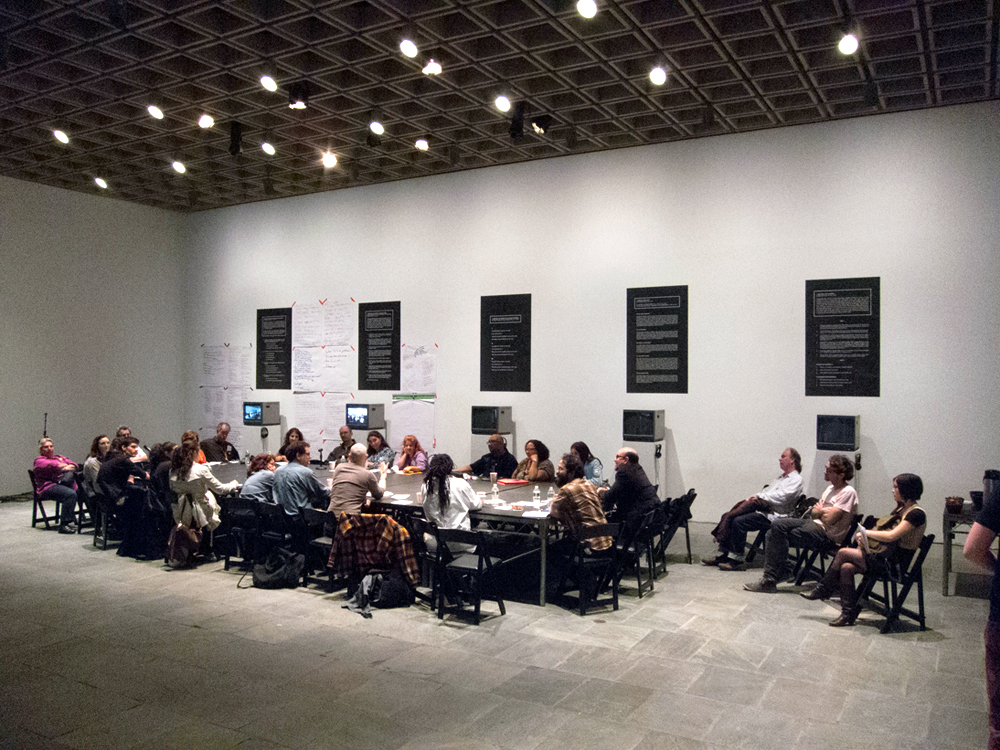
For day three of Ultra-red’s project, the investigation will take up protocols for listening to the sound of freedom composed and facilitated by Nancy Nevárez.
Taku’s actions strip back musical performance to one of its original proposals: what is an action and how does it create a situation for spending time together, for paying attention?
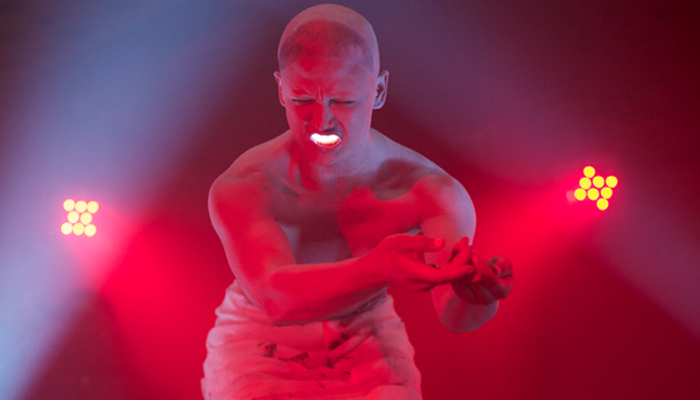
Is it possible to dance our way out of the hardened stances and identity prisons we are locked in?
Introducing and setting intentions for a crip grief transformation and witness altar. A place to sit and breathe, remember our dead, wash our hands and leave offerings to and for loved ones we’ve lost – and for ourselves.
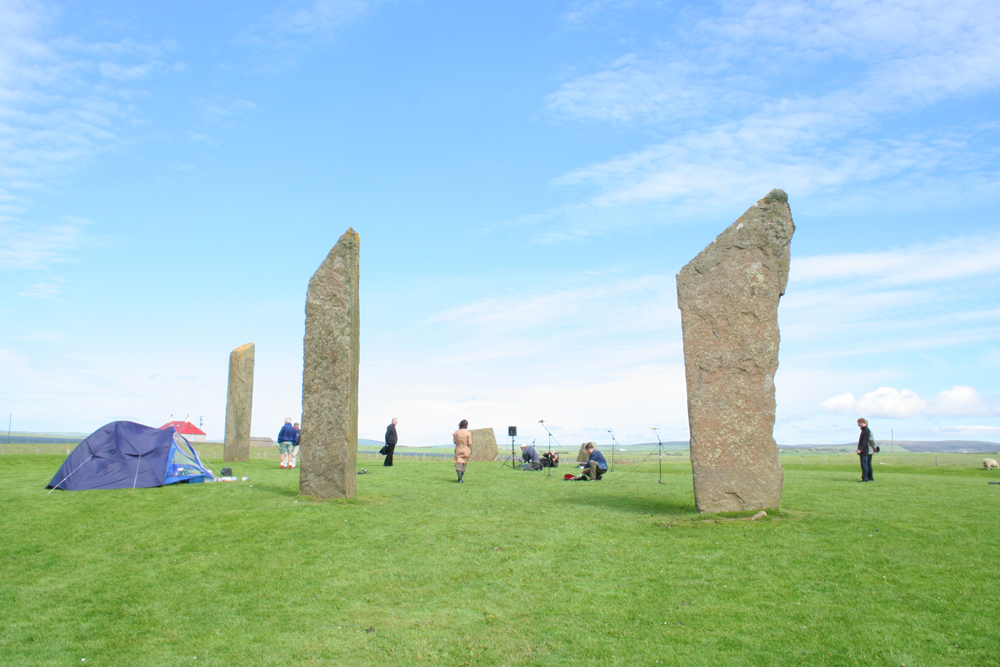
Akio Suzuki and John Butcher performing by the Stones of Stenness, instead of the Ring of Brodgar, because of bad weather.
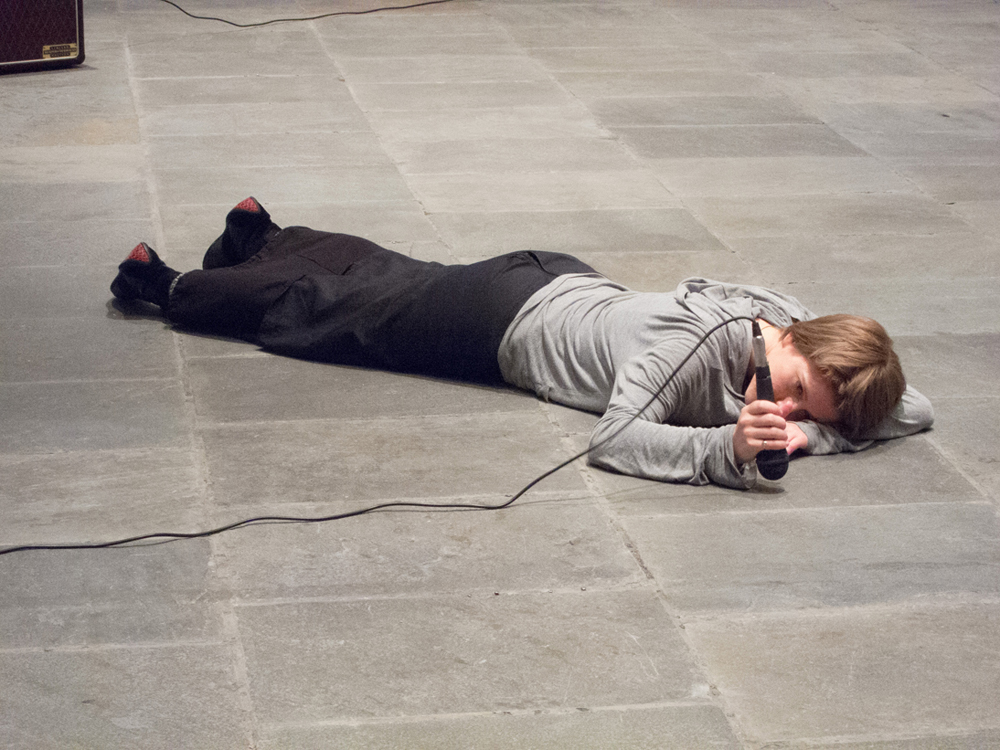
Sound as it is endured by space and the body: 15 participants lie face down and pound the floor with a microphone one thousand times, each person choosing their own rhythm and intensity.
The first of two workshops that highlight correspondence as a way of working. Somewhere between song, speech, and logistical arrangement, these workshops invite participants to consider care as infrastructure.