The Russian Woods
Chto Delat
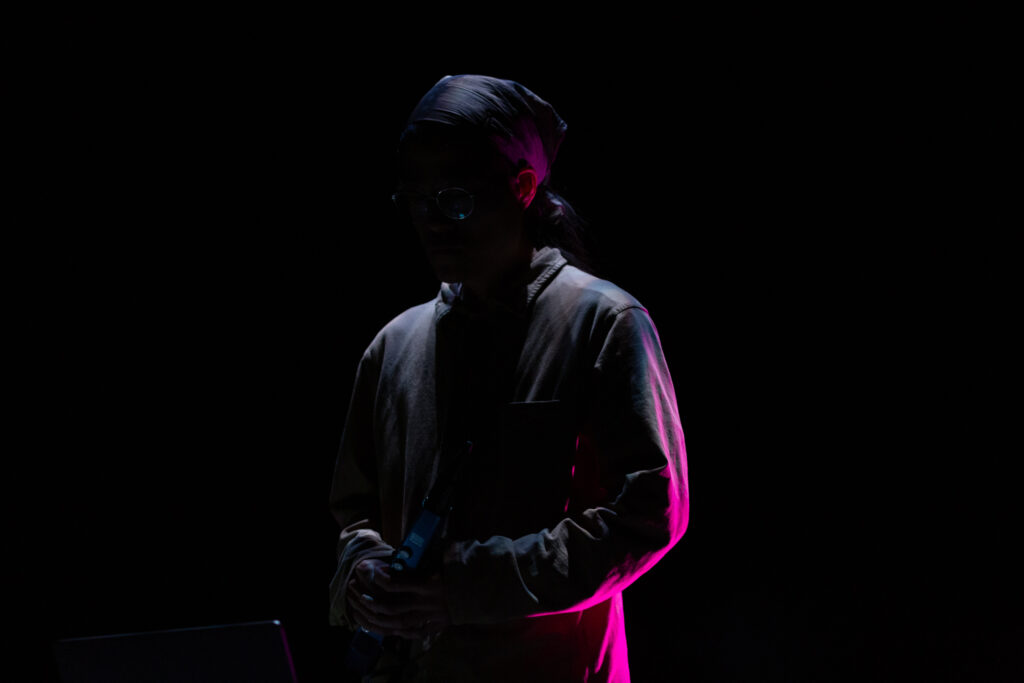
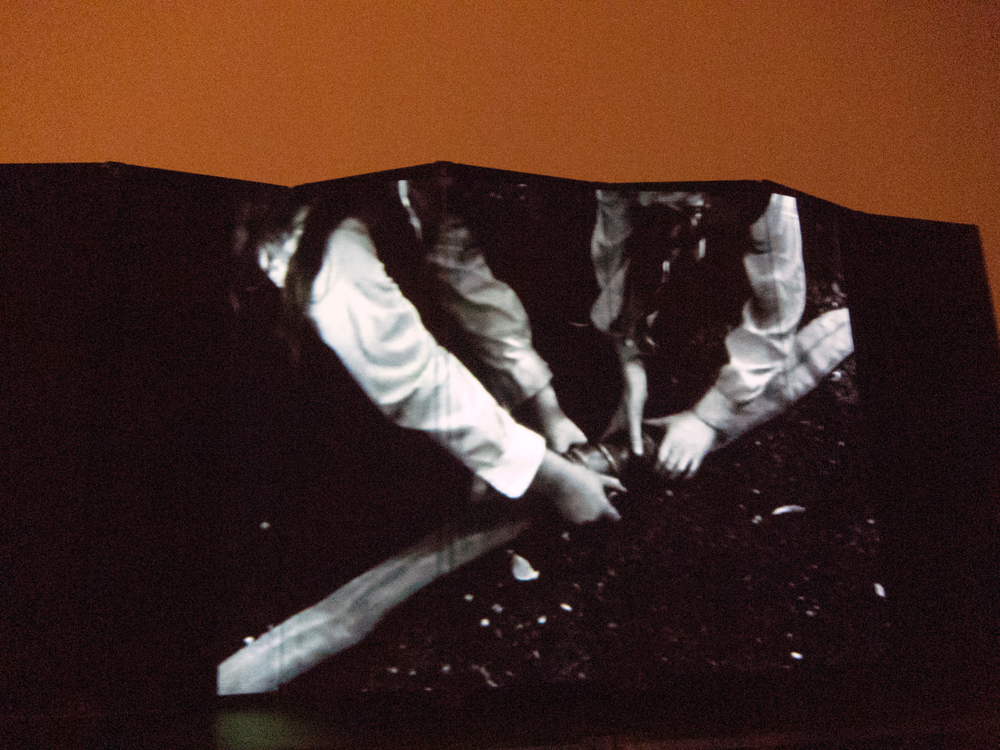
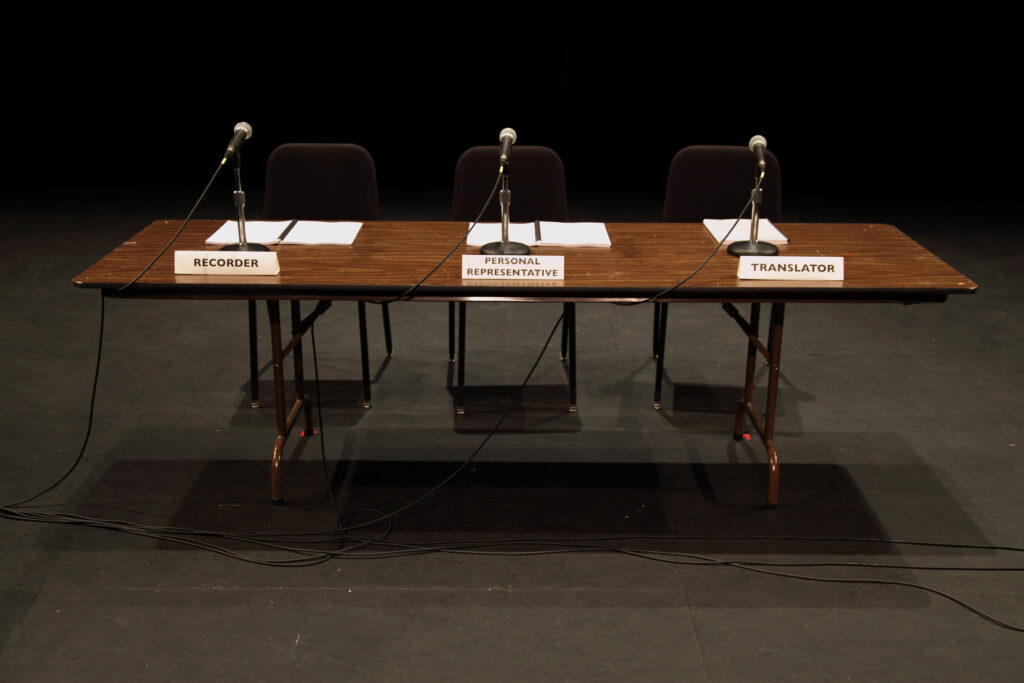
A spectacular musical show which discusses the representation of a nation state, its characters and history. A learning play on myth construction and its reproduction.
Arika have been creating events since 2001. The Archive is space to share the documentation of our work, over 600 events from the past 20 years. Browse the archive by event, artists and collections, explore using theme pairs, or use the index for a comprehensive overview.
A spectacular musical show which discusses the representation of a nation state, its characters and history. A learning play on myth construction and its reproduction.
A poet, playwright and activist, Sanchez emerged as a seminal figure in the 1960s Black Arts Movement, writing in the name of black culture, civil rights and women’s liberation.
Arrive, get settled, be hosted and meet-up in IRL and URL.
How do we make the connections between the mutual aid practices of our daily lives and anti-capitalist efforts to dismantle wider systems of exploitation?
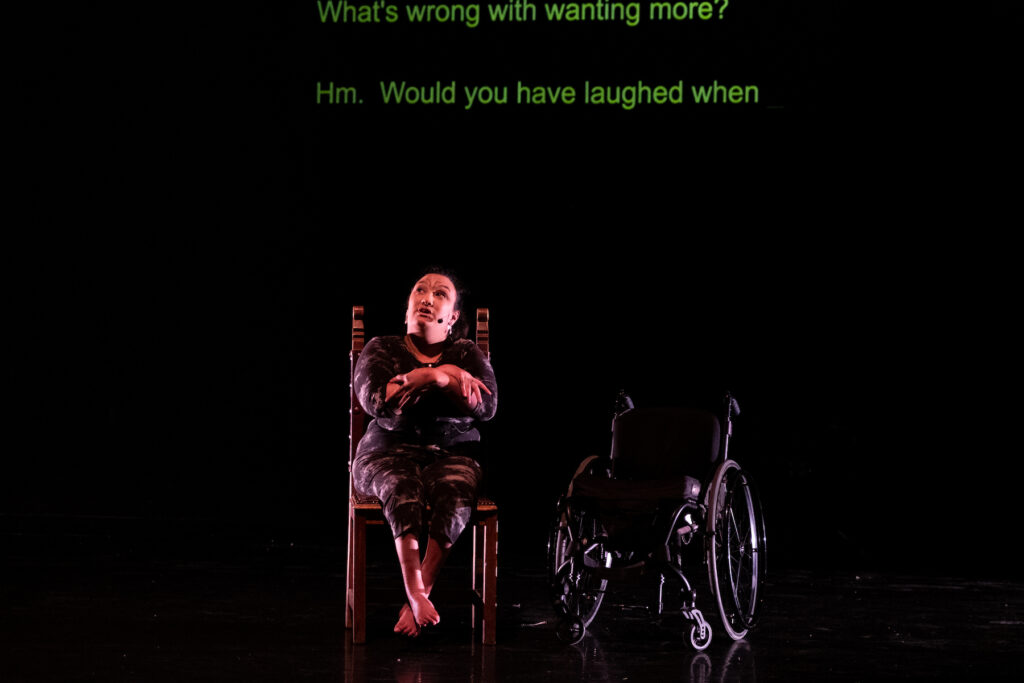
A fully transcribed, described, and open-captioned film screening that’s nothing short of their actual open heart.
Guitar solo where inscrutable, minute electric sounds are excavated by palms that smother and strangle, that wring sound from the fretboard, from behind the bridge.
UK conceptual/ drone/ noise artist, who is seriously posing what might seem to be unanswerable questions of music.
A recorded a conversation that grounds the Episode, exploring Ailton Krenak’s thinking and distinct poetics of life; as it work against capitalism and fascism, as a denunciation of political alliances, and maybe even of ‘politics’.
A public walk from George Square to the Barras market bringing contributions from researchers, activists and artists in a form of live critical praxis
The mutability of the body and the mobility of identity: queered pop culture, drag, lip-sync and performance.
Renouncing the bind of the written word, Chopin’s sound poetry is a magical evocation of the pure powers of the voices, stripped bare of language.
Dworkin asks: What would a non-expressive poetry look like? A poetry of intellect rather than emotion?