


30 July 2026
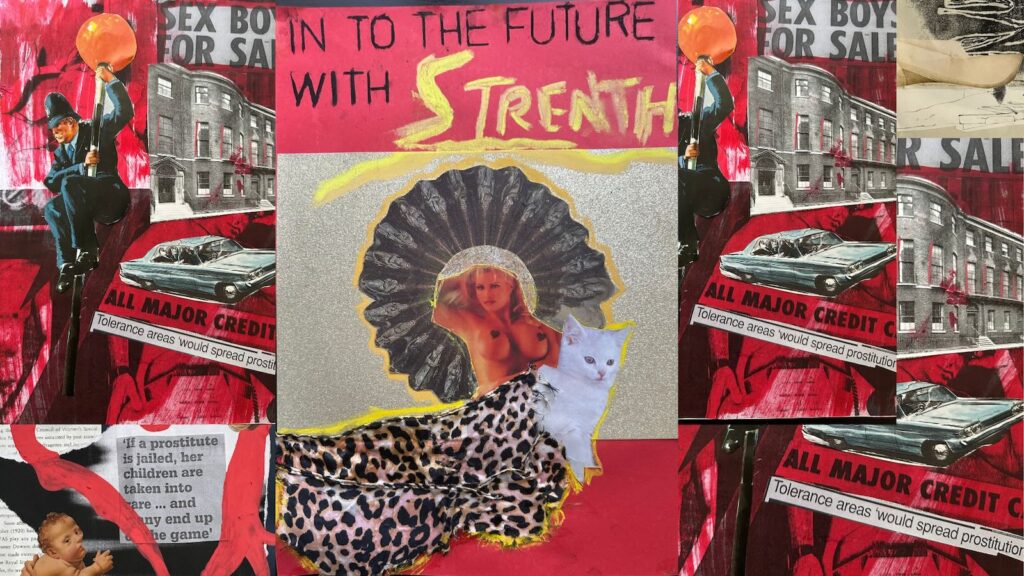
Collective Art Workshop
Scotland for Decrim
Join Sex Workers For Decrim for a sex worker only collective art workshop and be part of creating a massive visual timeline of sex worker resistance in Scotland.
Arika have been creating events since 2001. The Archive is space to share the documentation of our work, over 600 events from the past 20 years. Browse the archive by event, artists and collections, explore using theme pairs, or use the index for a comprehensive overview.
Join Sex Workers For Decrim for a sex worker only collective art workshop and be part of creating a massive visual timeline of sex worker resistance in Scotland.
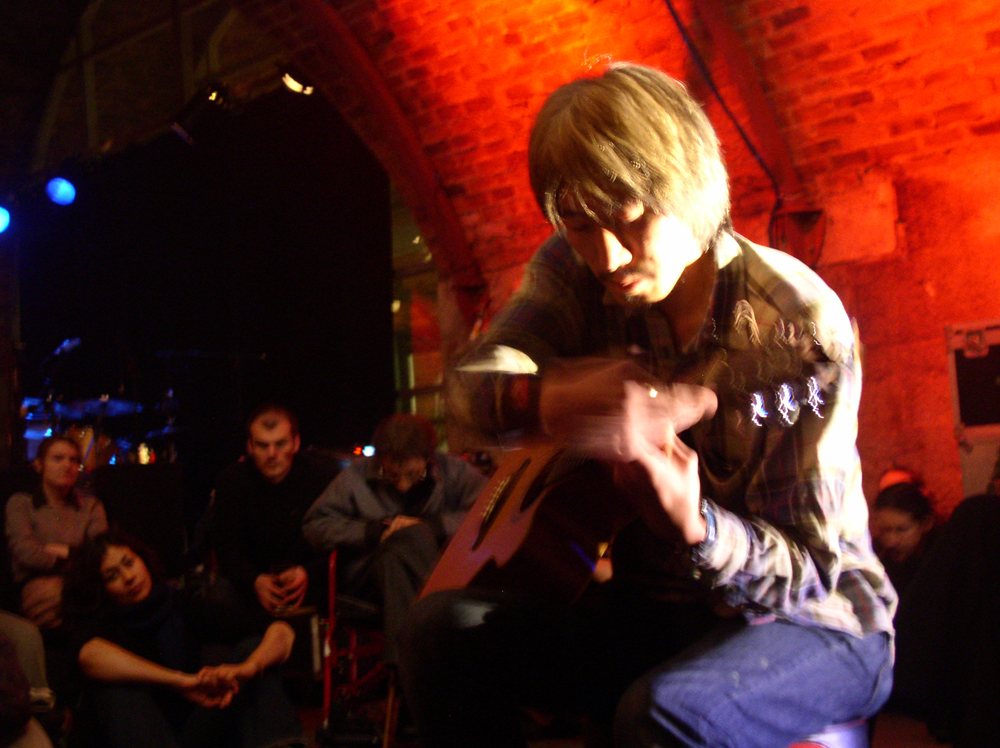
An contradictory guitarist, he’s equally at home in slow, halting acoustic improvisation or piercing minimal examinations of electric guitar.
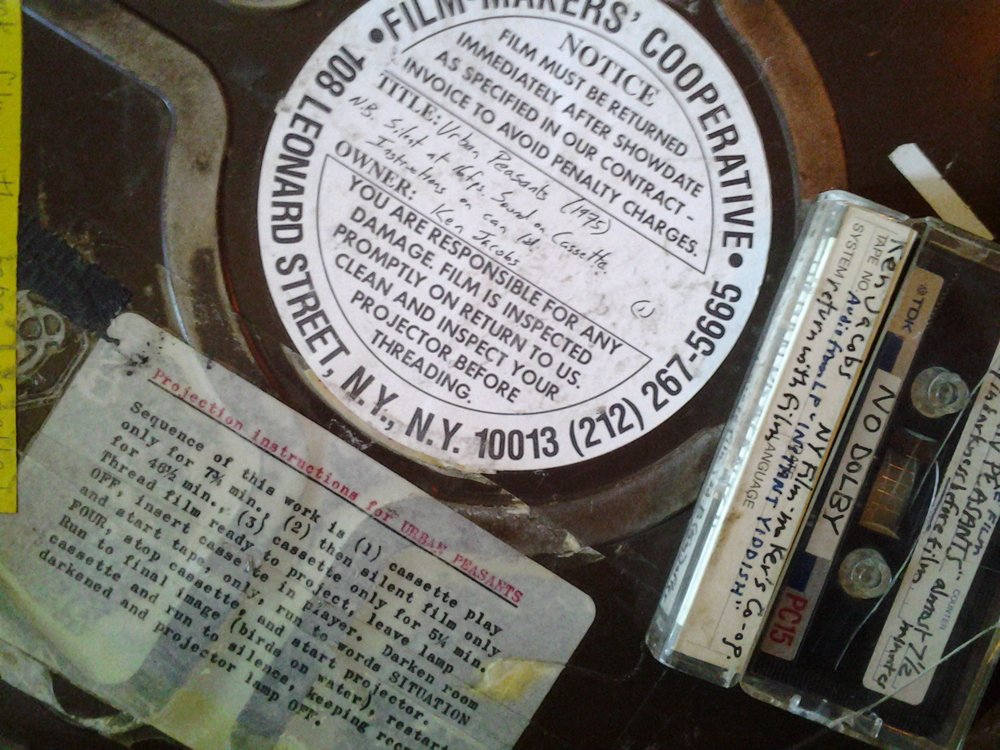
Do almost nothing: re-present (unaltered and arranged by chance) silent family home movies handed down to Flo, (Ken’s wife) and follow them with a “teach yourself Yiddish” cassette tape.

Solo performance on bass clarinet, jaw harp & voice by Arrington De Dionyso.

Bleu Shut reveals, and allows us to enjoy, our gullibility within the pervasive absurdity of modern life.
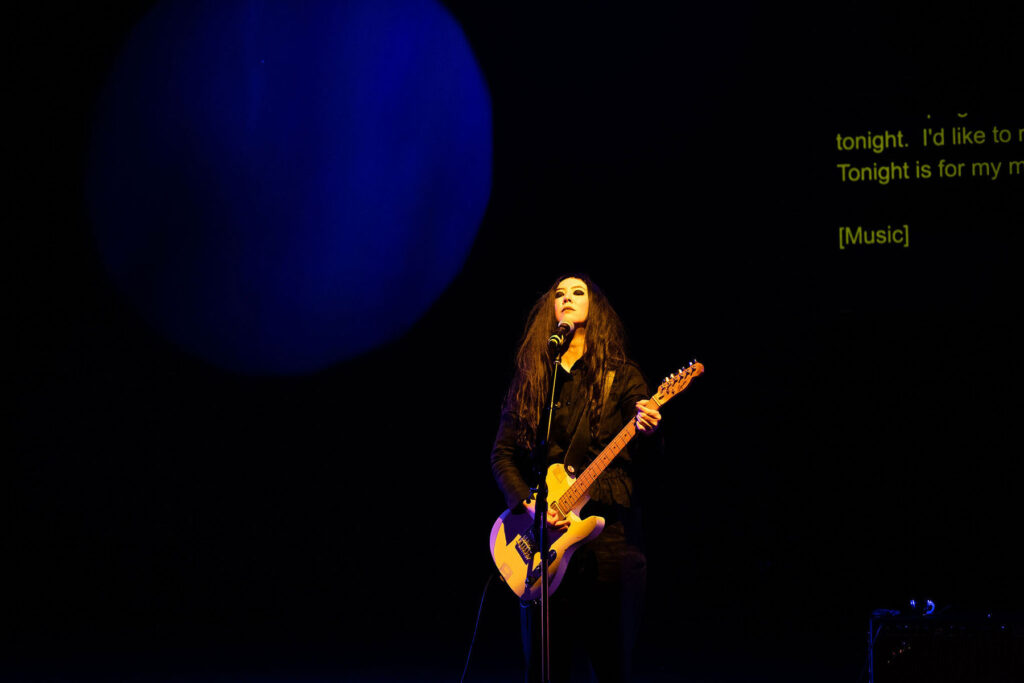
Guitar and voice. Keening, droning and mourning. Be ready to release and bring your dis-ease.
Out holler/ howl of English pukenoise posterboys exploded by incessant insect chatter of Northern fug dweller.
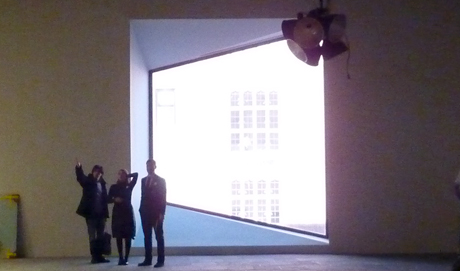
A short chat about what we (Arika) might be trying to do with our program for the Biennial.

Save the dates for Episode 12.
Wednesday 11 – Sunday 15 November 2026
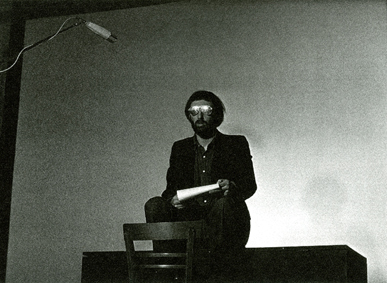
Recently rediscovered but still very pertinent, Kino Beleške presents a series of speech acts and performative gestures by protagonists of the new artistic practice in former Yugoslavia: each a personal take on the role of art in society.

Everyday objects and materials (rubber bands, paper, a sink, microphones) disabused of their inertia and made to speak for themselves in a kind of focusing in on the tiny, repetitive, almost unobserved (sonic/ visual) potential of everyday things put into motion.
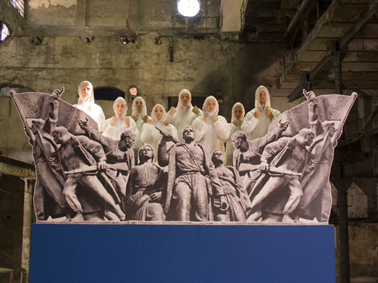
The Songspiels take on a mode of musical theatre developed by playwright Bertolt Brecht and composer Kurt Weill in the early twentieth century, presenting political and social concerns through the accessible and (often funny) form of song.