Sgàire Wood
Sgàire Wood
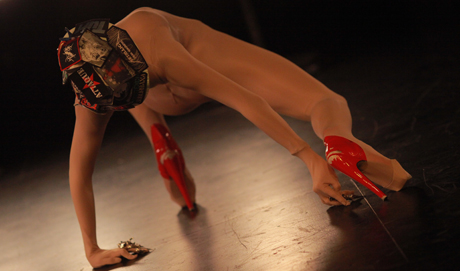
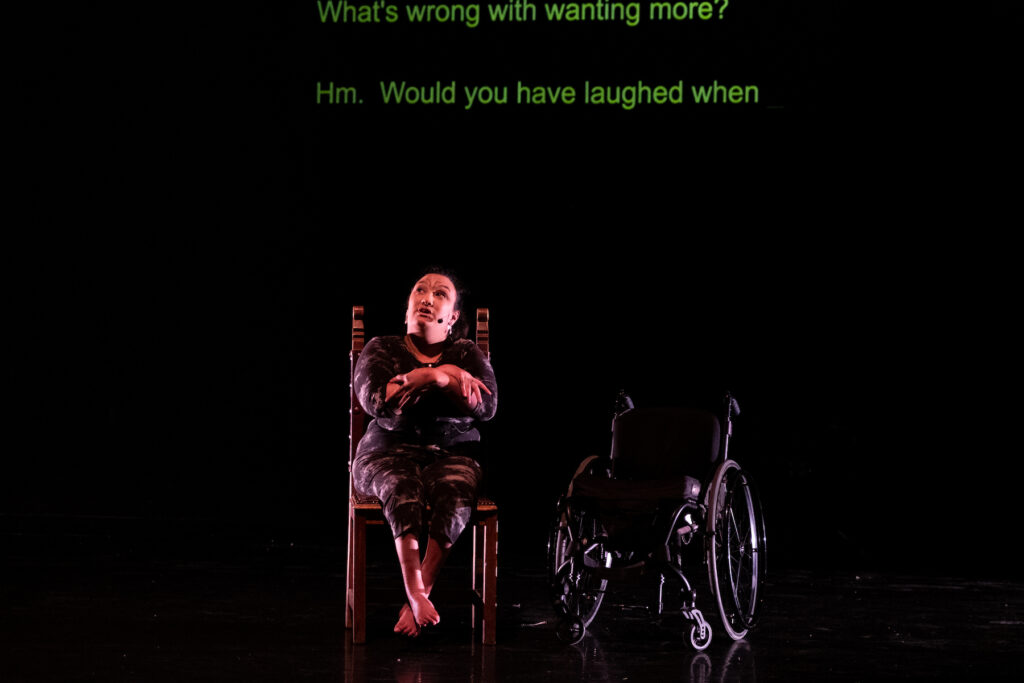
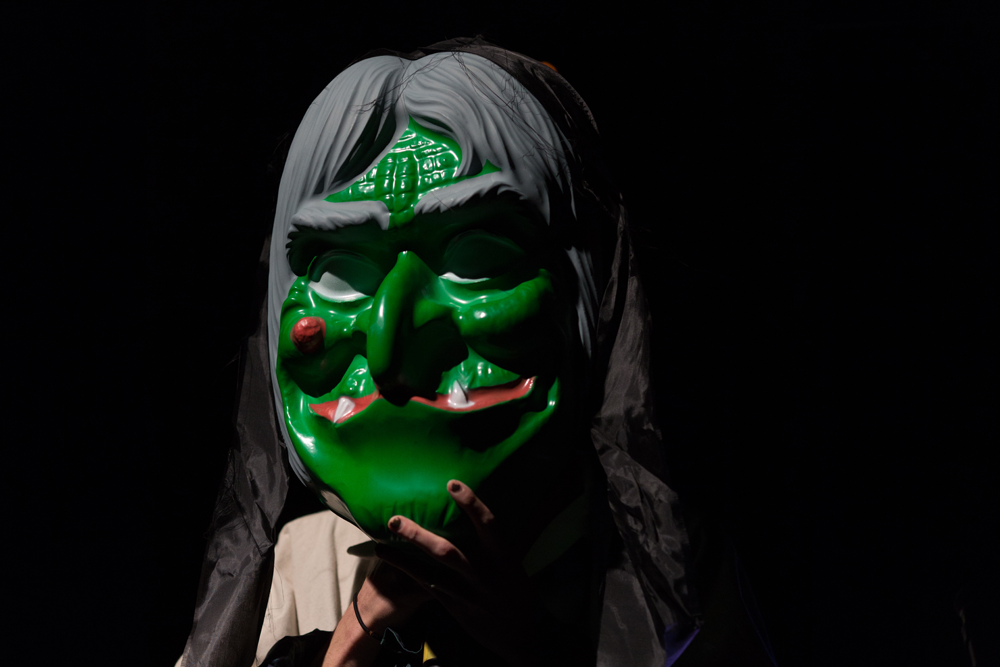
A somehow hyper-modern, ancient and folkloric lip-synced, made-up, fashioned performance.
Arika have been creating events since 2001. The Archive is space to share the documentation of our work, over 600 events from the past 20 years. Browse the archive by event, artists and collections, explore using theme pairs, or use the index for a comprehensive overview.
A somehow hyper-modern, ancient and folkloric lip-synced, made-up, fashioned performance.
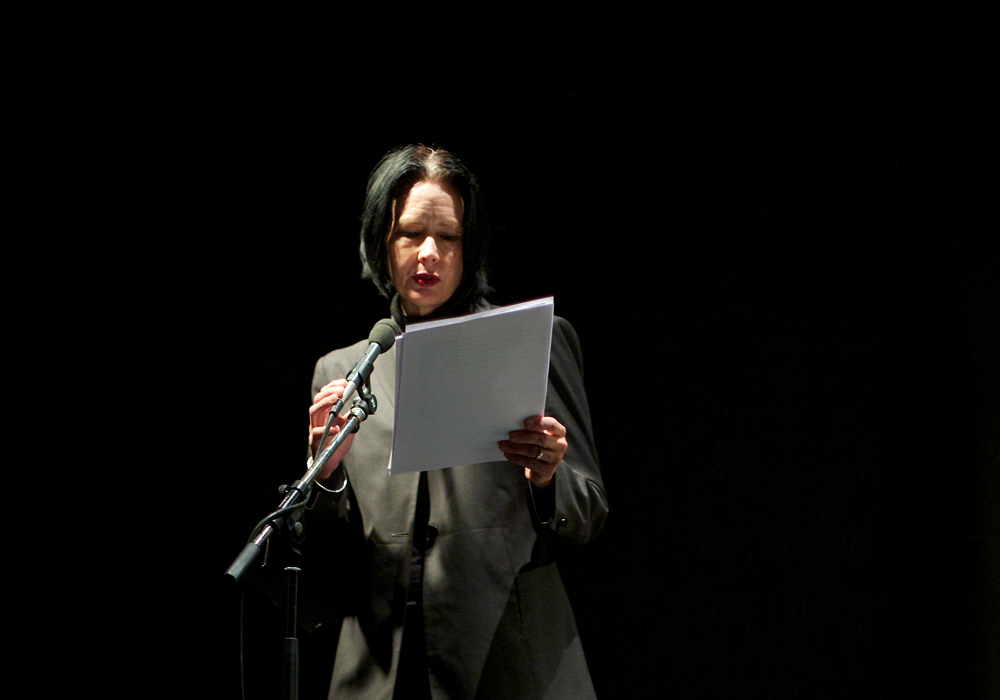
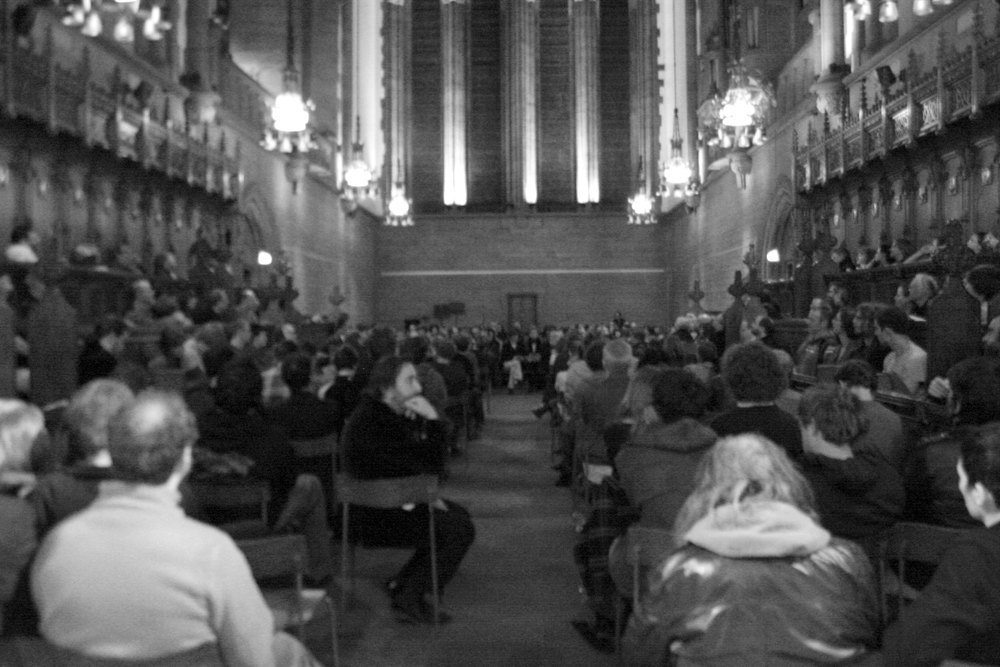
Vanessa Place talks at The Friday Event series at the Glasgow School of Art about her practice as a writer.
Join activists, academics and artists as they reflect on abolitionist praxis and thought, exploring covergences with gender, poetry, technology, performance, speculation, aesthetics, film and culture. This series of events commemorates Black August and is for anyone who wishes to answer the abolitionist call to action and thought.
Voguing, drag, clubbing, and the politics of communities making different performances of gender and sexuality visible.
What would have happened in 1963 if someone from the voguing ball scene going on in Harlem had travelled downtown to perform alongside the early postmoderns at Judson Church?
Could they be one of the most ferocious live noise acts around, or a necessary and ludicrous parody of ferocious noise acts? Could they be both?
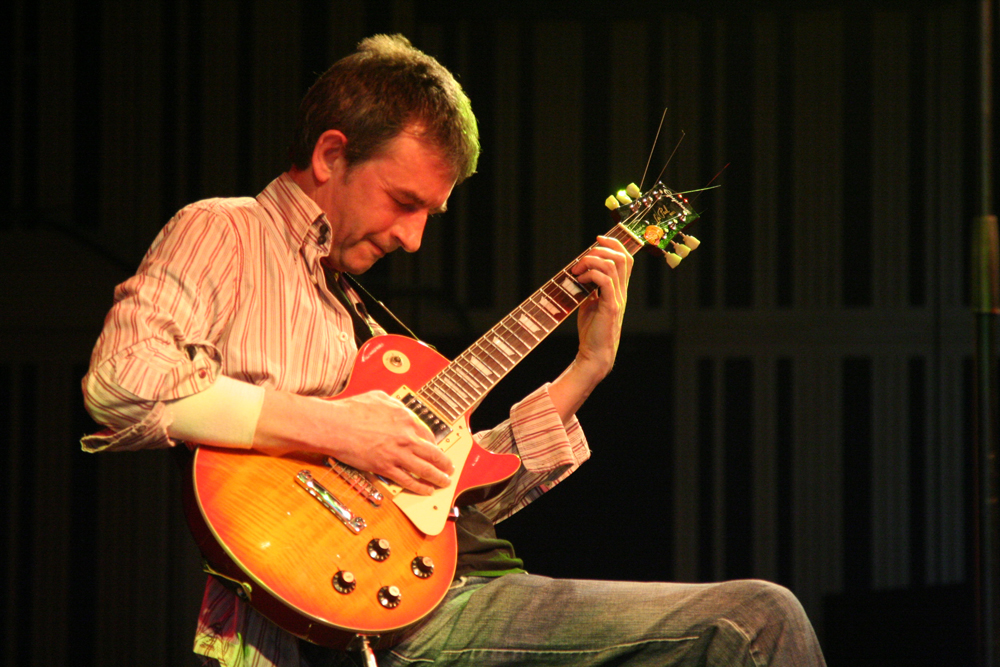
Guitar solo where inscrutable, minute electric sounds are excavated by palms that smother and strangle, that wring sound from the fretboard, from behind the bridge.
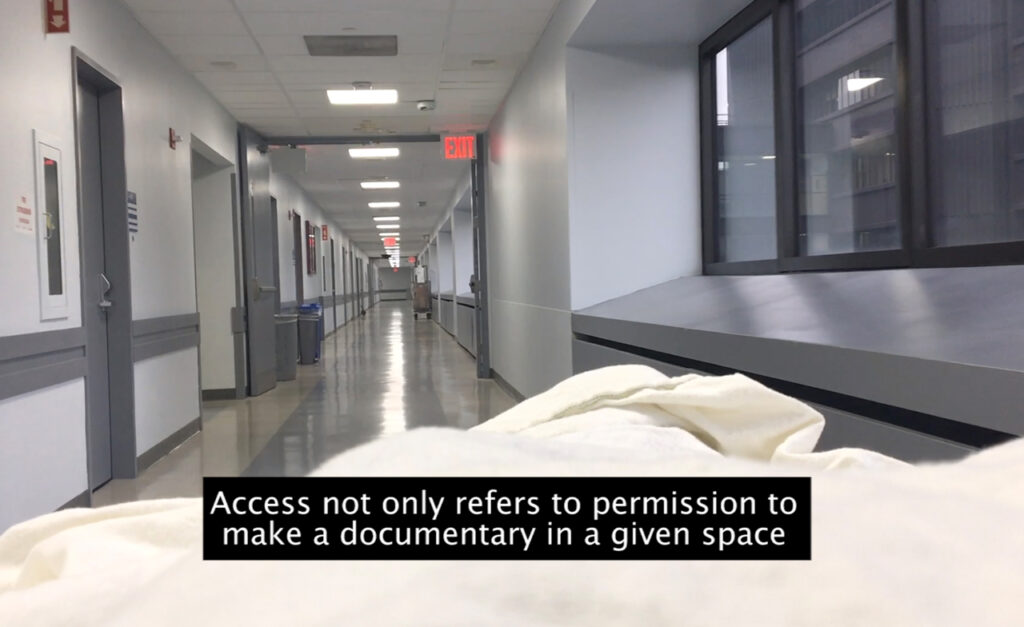
A fully transcribed, described, and open-captioned film screening that’s nothing short of their actual open heart.
A full-blooded, emotional attempt to reinvigorate improvisation from a musically inclined philosopher and two philosophically inclined improvisers.
A sung-through Nubian musical ballet. A darkly humorous take on sexual trauma and what magical and ancestral tools might heal it.
Solo organ performance by German composer Eva-Maria Houben, which focuses on ‘nearly nothing’ to expand the way we listen.
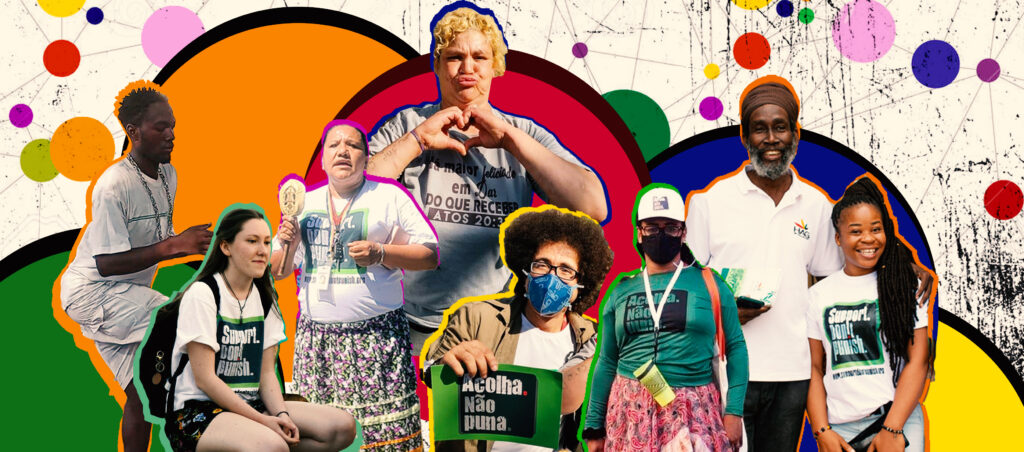
Rather than asking the state for services, what kinds of change are made possible when we prioritise people supporting each other?