

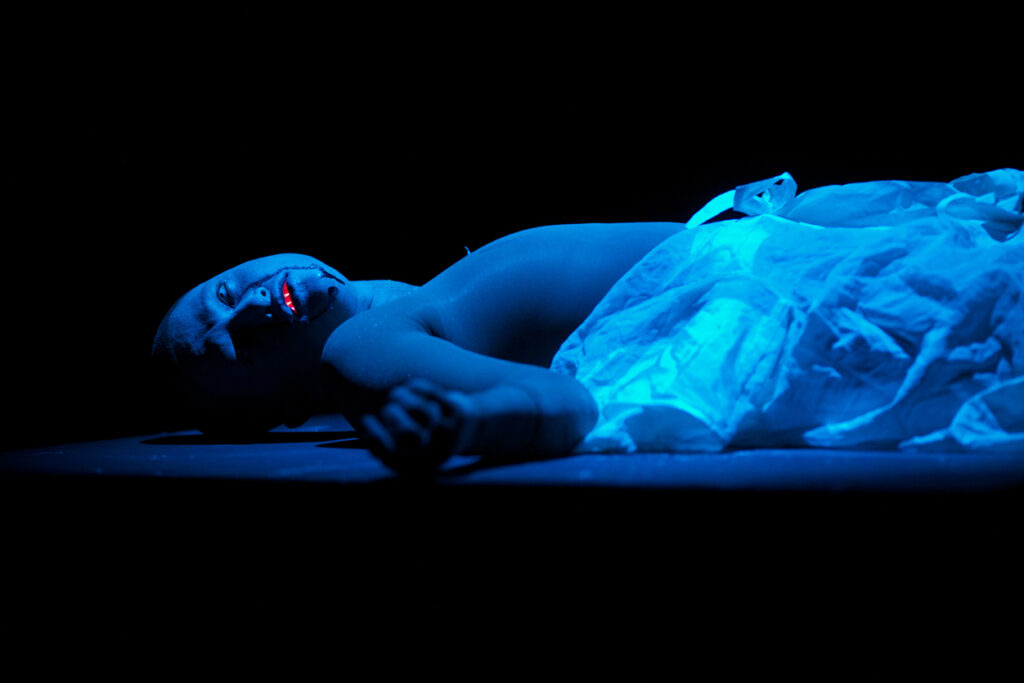
26 May 2013
Tramway
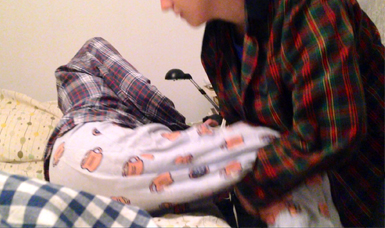
#untitled lipsync 3
boychild
The mutability of the body and the mobility of identity: queered pop culture, drag, lip-sync and performance.
Arika have been creating events since 2001. The Archive is space to share the documentation of our work, over 600 events from the past 20 years. Browse the archive by event, artists and collections, explore using theme pairs, or use the index for a comprehensive overview.
The mutability of the body and the mobility of identity: queered pop culture, drag, lip-sync and performance.
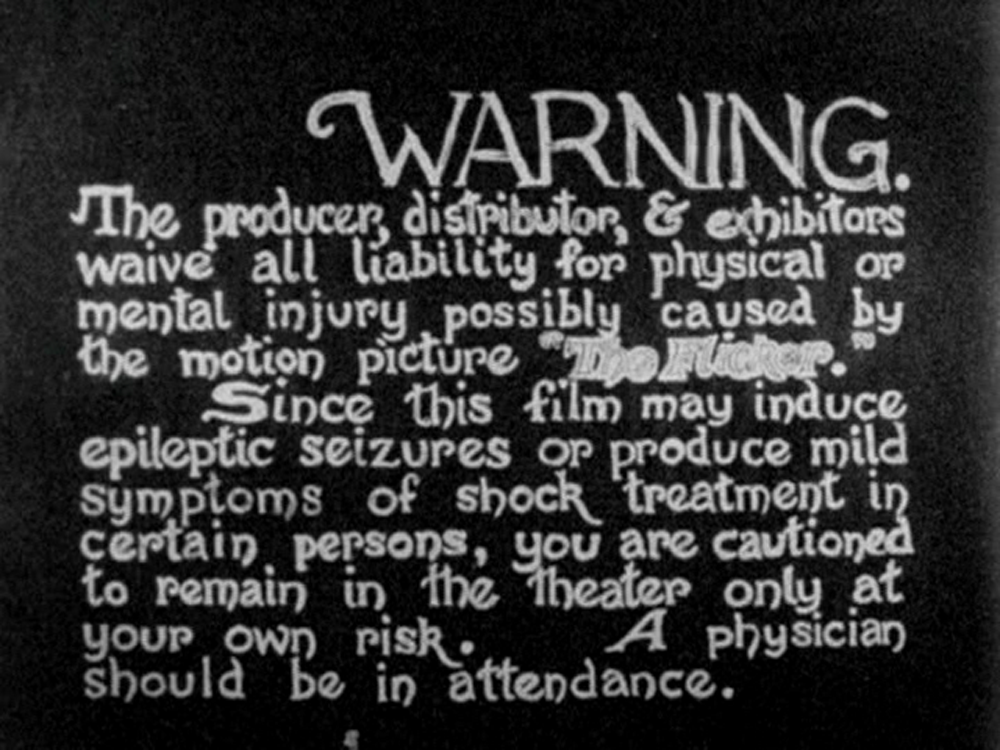
One of the most startling cinematic debuts on record, The Flicker is more a hallucination than a film, an out of body experience and riotous celebration of visual harmonics frequencies. An experiment in perception, come with your mind and eyes open.
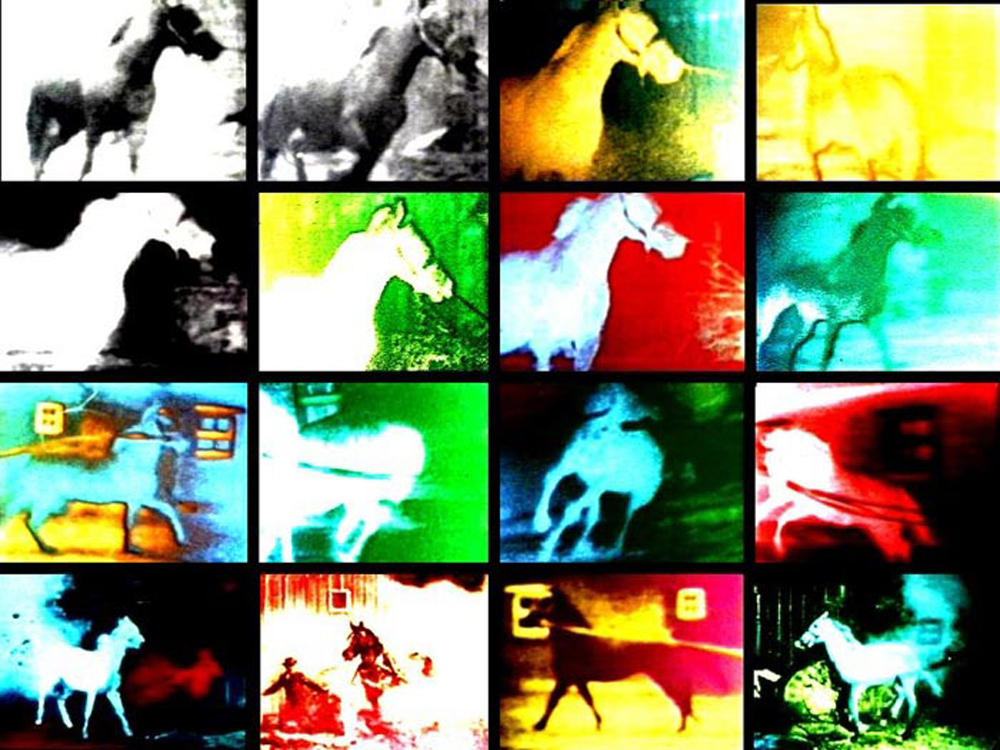
Psychedelic and intense, and featuring some of the most visually stunning, mesmerizing and transcendent experiences you can imagine, batten down the hatches for some of the boldest, most immersive and abrasive works in experimental cinema.
4 days of workshops, discussions and artists presentations exploring the radical act of caring for each other while working to change the world.
Investigating the border between the audible and the visible means looking at the margins, the edges of creativity where artists test out new boundaries and define them anew.
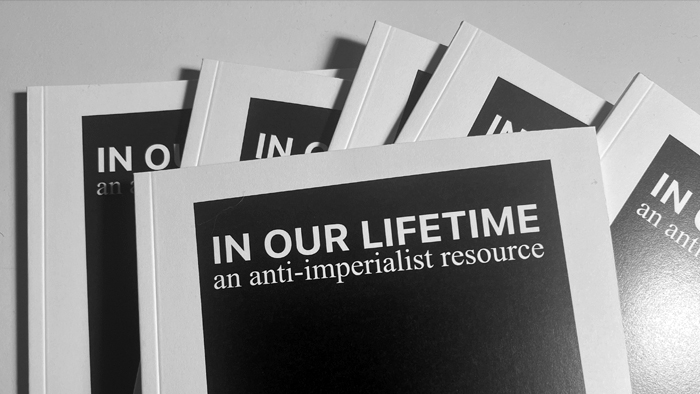
IN OUR LIFETIME, is an anti-imperialist resource, edited by Hussein Mitha, produced by Arika for Episode 11, featuring poetry, essays, questions, prompts, letters and works of anti-colonial imaginary.
Glasgow. Low-end drone guitarage army in praise of the open chord.
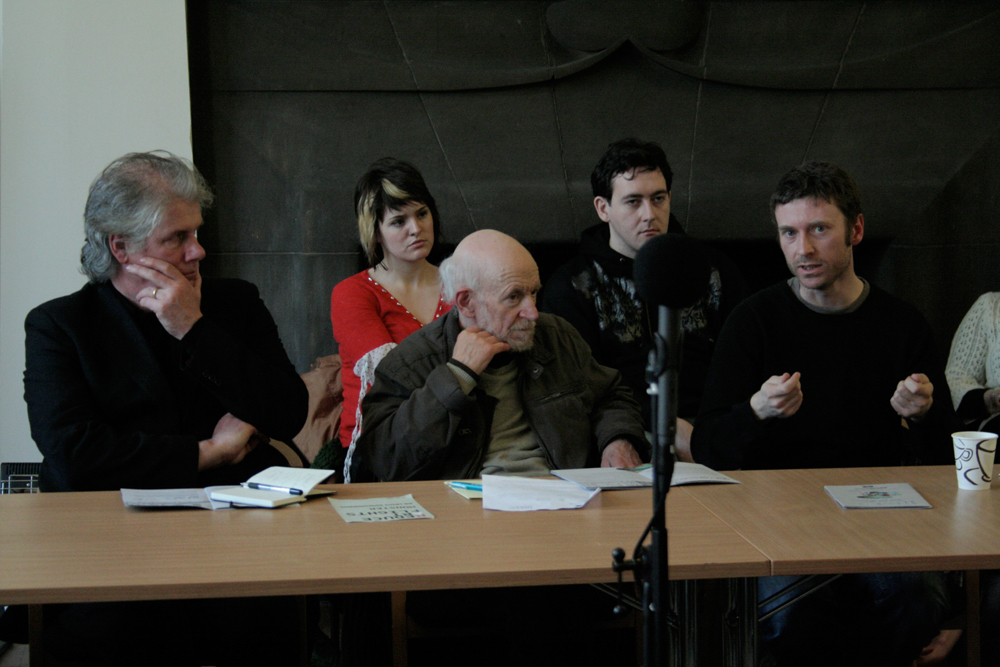
A performed self-cancelling discussion, with artists from the festival, invited speakers and local artists talking at once, over each other, or straining to be heard over the din.
What kind of listening and acknowledging do we offer each other? What is it to listen to an ‘elsewhere’, and do we ever do anything else when we listen to music?

African American history, avant-garde jazz riffs and activism intertwine in experimental verse of extraordinary and affecting beauty that has to be heard.
Amid the blur of erotics, the jangle of poetics, and the fetishizing of sickness and disability, the heat of Panteha’s performance and sculpture freezes all.
How can we imagine bodies not as an end in themselves, but as a medium through which we can become one another’s means?