


11 – 15 November 2026
Episode 12
Save the dates for Episode 12.
Wednesday 11 – Sunday 15 November 2026
Arika have been creating events since 2001. The Archive is space to share the documentation of our work, over 600 events from the past 20 years. Browse the archive by event, artists and collections, explore using theme pairs, or use the index for a comprehensive overview.
Save the dates for Episode 12.
Wednesday 11 – Sunday 15 November 2026
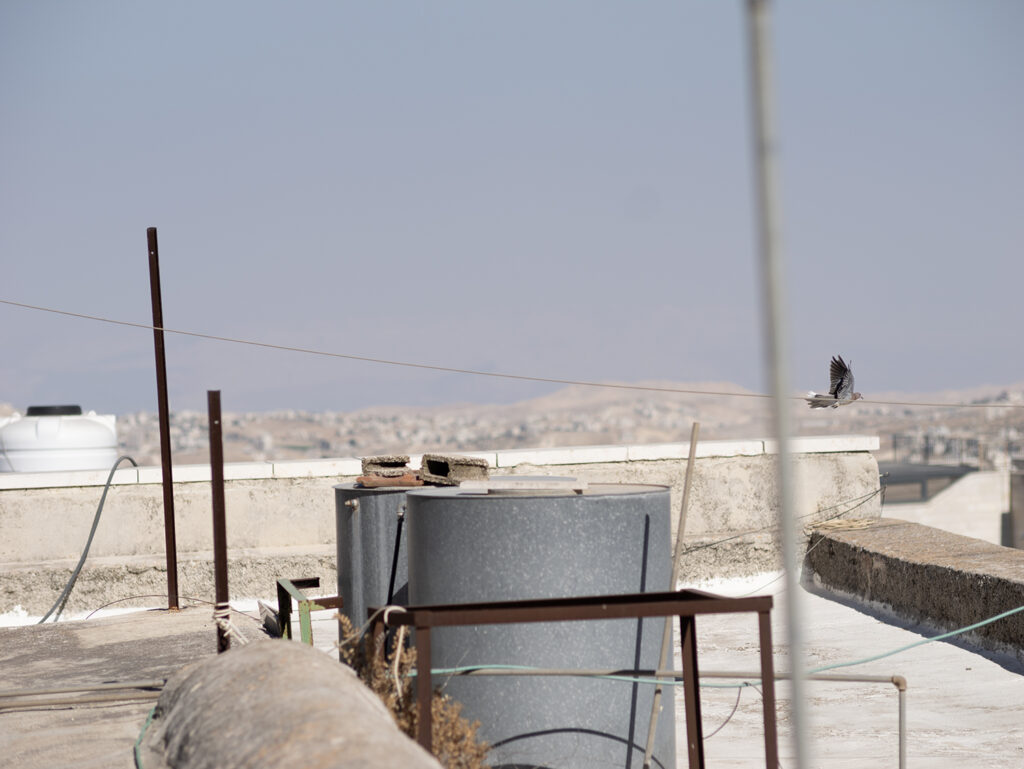
An assembly to try and provide some experiential and theoretical resources for the renewal of a certain affective, extra-political sociality, in the face of one of our great adversaries; the forces of colonial, imperial, genocidal denial.

Out of a dark haze, shafts of lights are picked out from the surface of film. Out of the black silence, noise, audible scratches bloom into a bright drone of broken and cracked objects.
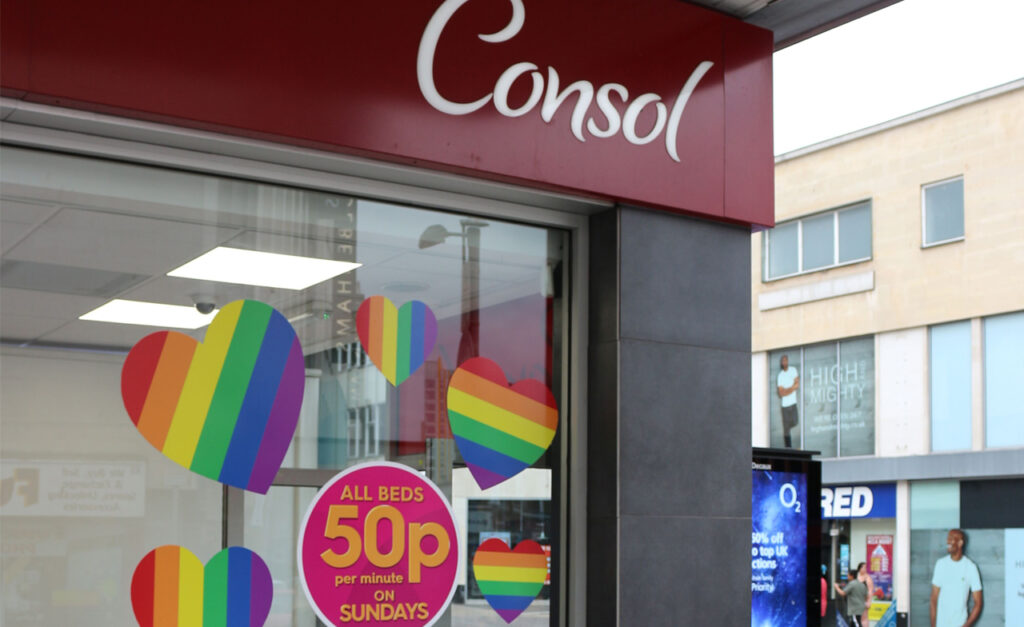
Radical transfeminism aims to hold the space for finding relations between the ruins of the everyday. Emerging from the debris, spaces for politics find form as poetics to carry understandings, actions and be/longings.
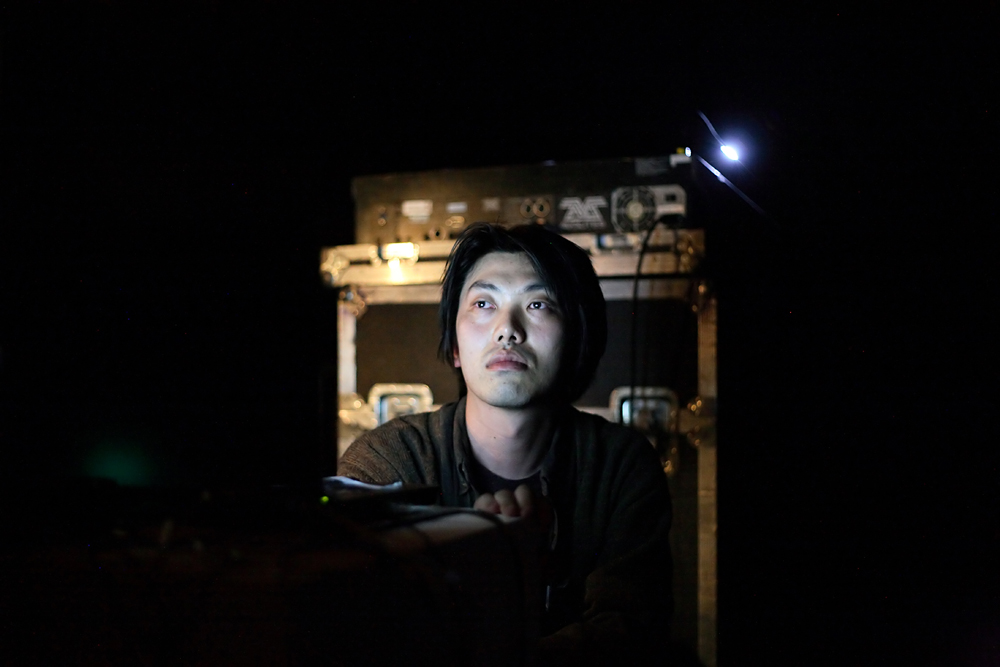
Simple maths and stringent scored instructions move precise frequencies and clicks to create a dense, fluctuating environment of standing waves and physical sound.
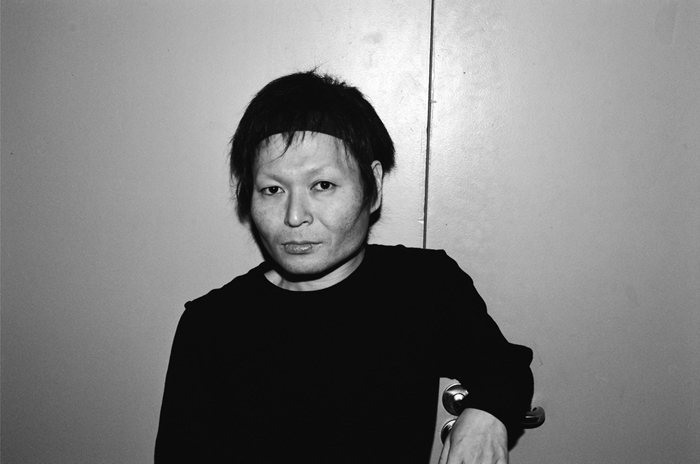
Tormented and drawn-out high-pitched yelps and drones, all interleaved with periods of torpid silence.
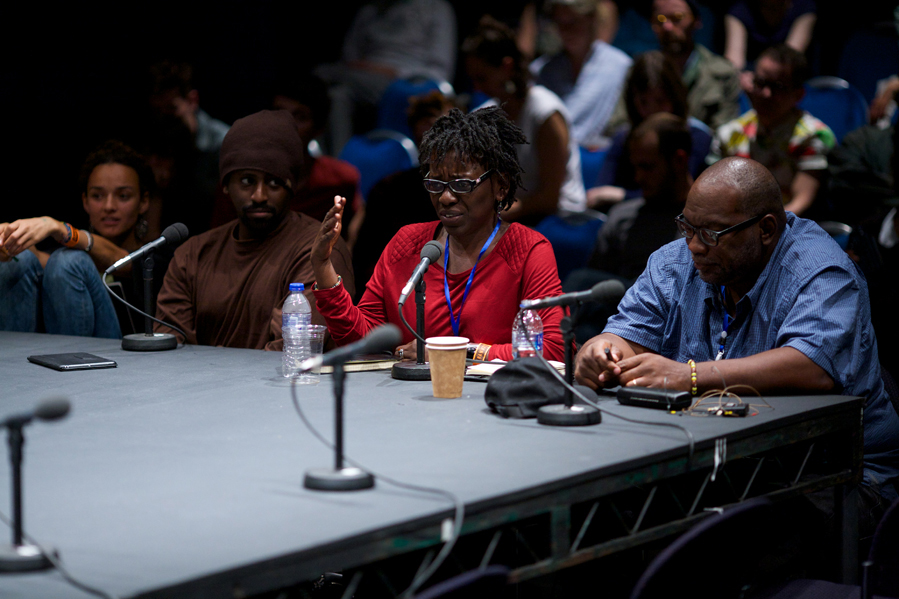
A discussion about what is at stake in the performance of realness and the practice of passing, and how they are both acts of survival and resistance.
Tiny fragments of sound recombined and woven into spare and precise, violent yet beautiful pieces
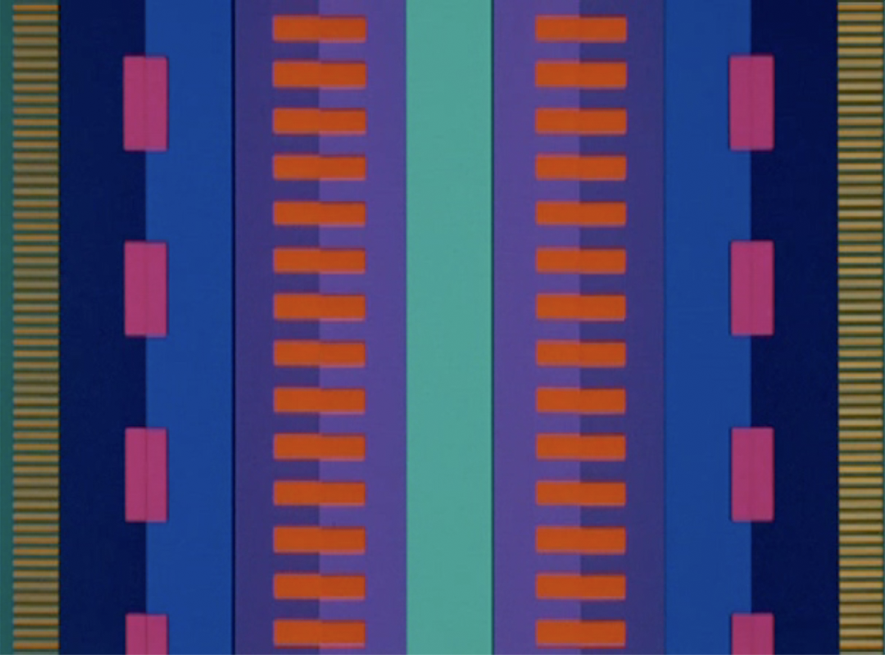
The first of two short film programmes featuring works that blur the boundaries between music and film from artists who cross and redefine those long held divisions. This programme focuses on the forebearers of filmic and musical innovation over the last 70 years.
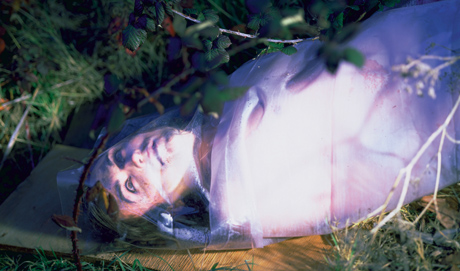
“I am truly without faith. In a media marketplace that demands soulness, I can only offer soulnessless.”
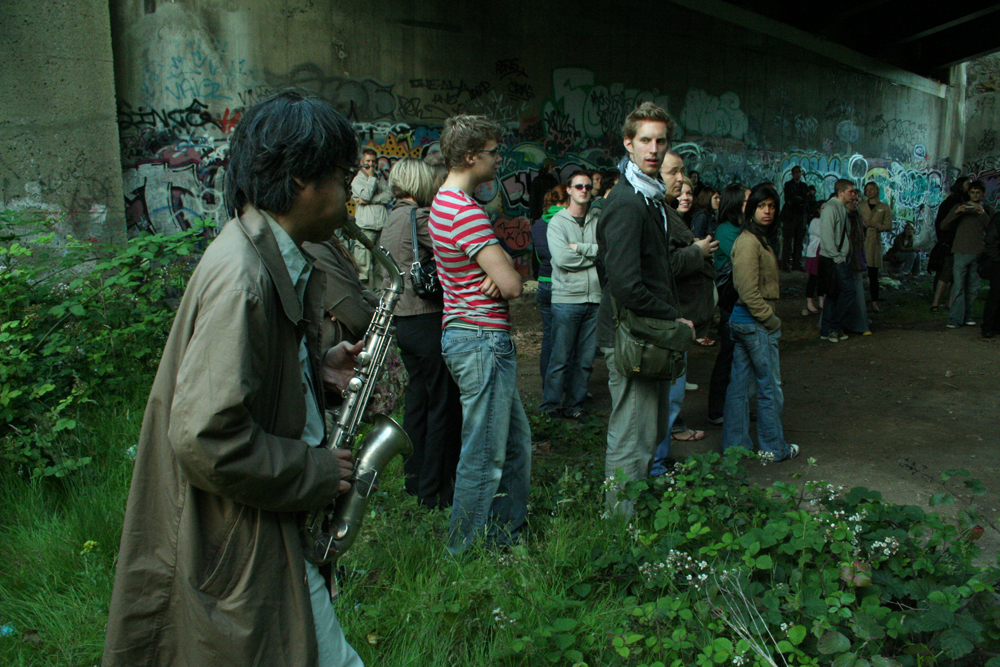
A concrete walkway ending in mid air, a ridiculously tight squeeze between three office buildings and various other sites of Labour politician and council leader T. Dan Smith’s modernist regeneration projects and ‘slum clearances’ of the 1950’s and 60’s.
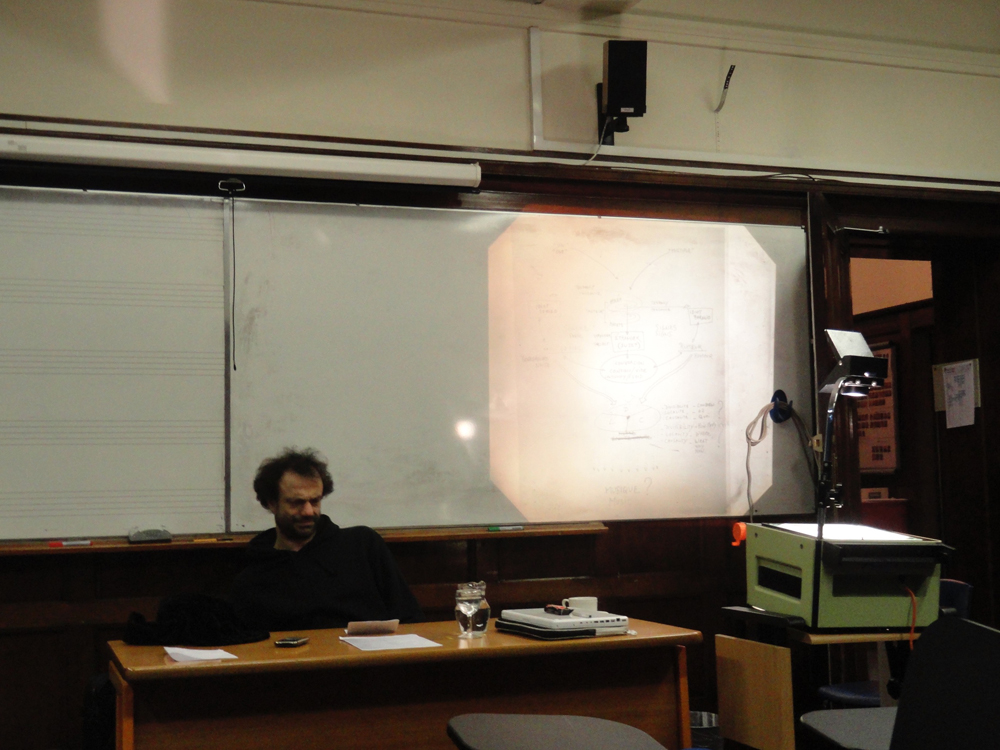
Jean-Luc Guionnet will be giving a talk as part of the music department’s ongoing series of colloquia.