Chord of the Fifth Force
Barry Weisblat
A drone installation populated by flourescent strip lights working in complicity with analogue radios – “all the lights just do their thing”.
Arika have been creating events since 2001. The Archive is space to share the documentation of our work, over 600 events from the past 20 years. Browse the archive by event, artists and collections, explore using theme pairs, or use the index for a comprehensive overview.
A drone installation populated by flourescent strip lights working in complicity with analogue radios – “all the lights just do their thing”.
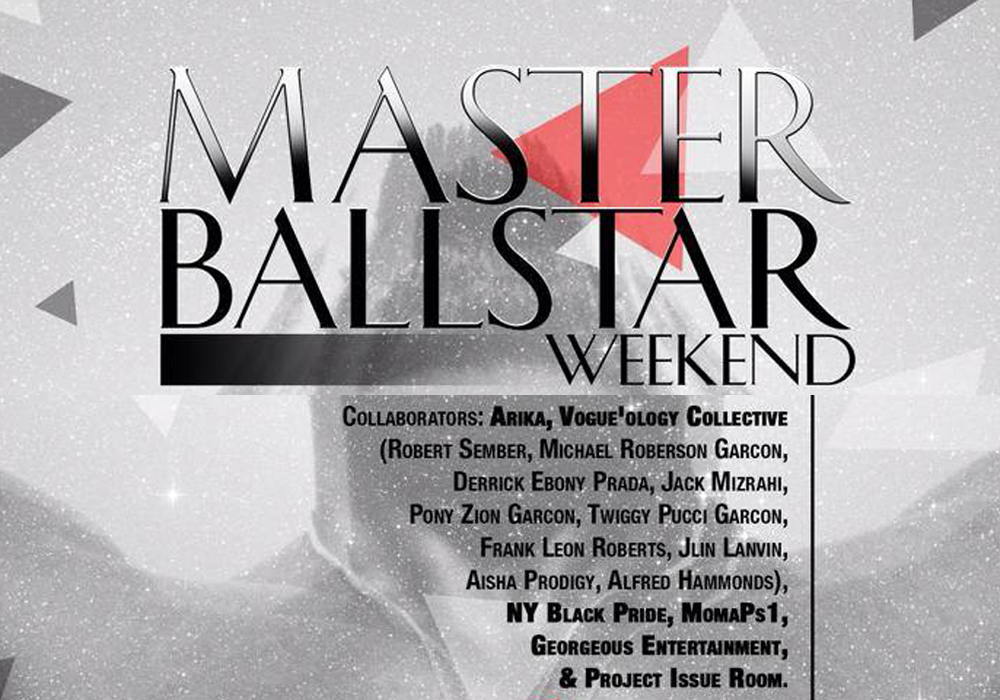
A series of events organised by the Vogue’ology collective from the House Ballroom community in New York grounded in the scenes history of autonomous, self-organised struggle and a shared investment in collective art practices and how those intersect with the multiple and often divergent struggles for freedom.
Glasgow based artist Defaalt invites the audience to collaborate fully in his performance by means of a generative graphical interface.
A voice that can vault from an elegantly whispered insinuation to asphyxiated and murderous barks or squalls in a heartbeat.
Voguing, drag, clubbing, and the politics of communities making different performances of gender and sexuality visible.
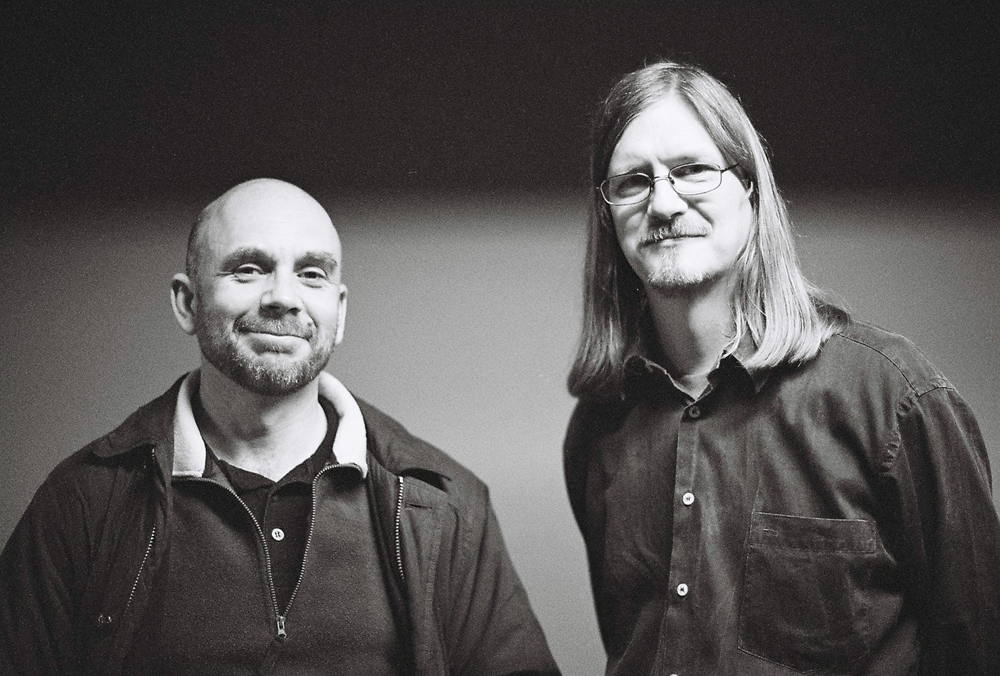
Quartet improvisation by Klaus Filip – laptop, Radu Malfatti – trombone, Sean Meehan – snare & cymbals, Taku Unami – rice and dish.
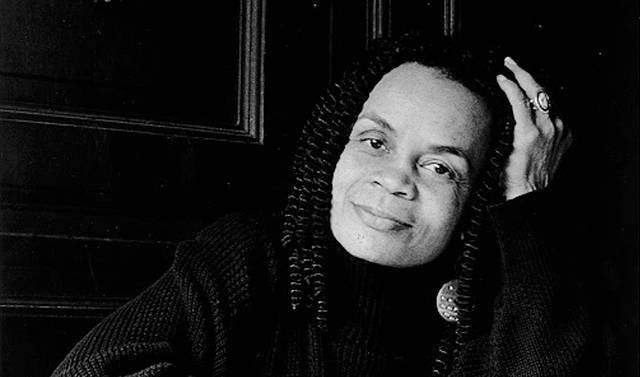
A poet, playwright and activist, Sanchez emerged as a seminal figure in the 1960s Black Arts Movement, writing in the name of black culture, civil rights and women’s liberation.
A recently reanimated Ascension, with mighty Leeds drum hero Paul Hession bringing a dense polyrhythmic torrent into play with Jaworzyn’s reinvigorated piercing guitar.
Ray and Thomas talking about how cognitive neuroscience is unlocking the physical basis of personal experience.
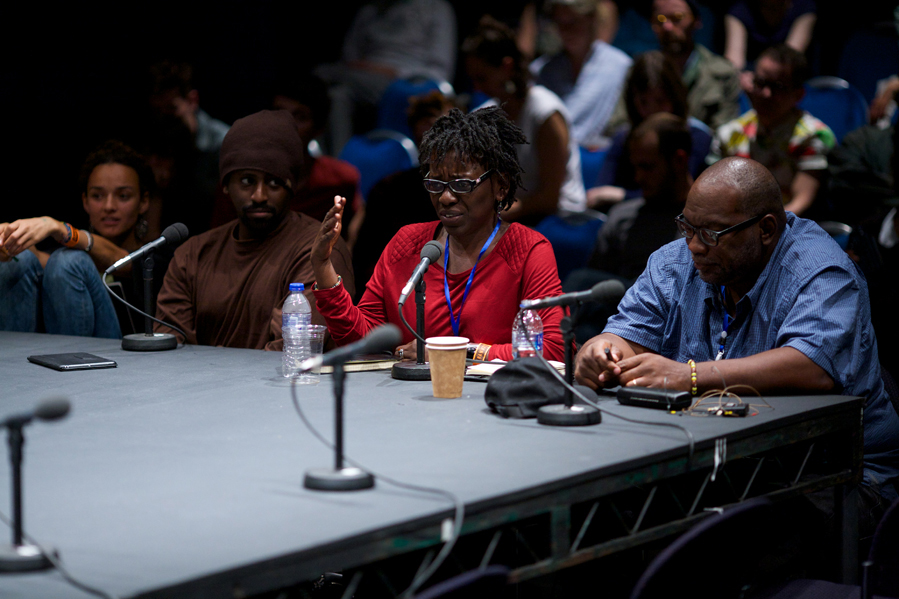
A discussion about what is at stake in the performance of realness and the practice of passing, and how they are both acts of survival and resistance.
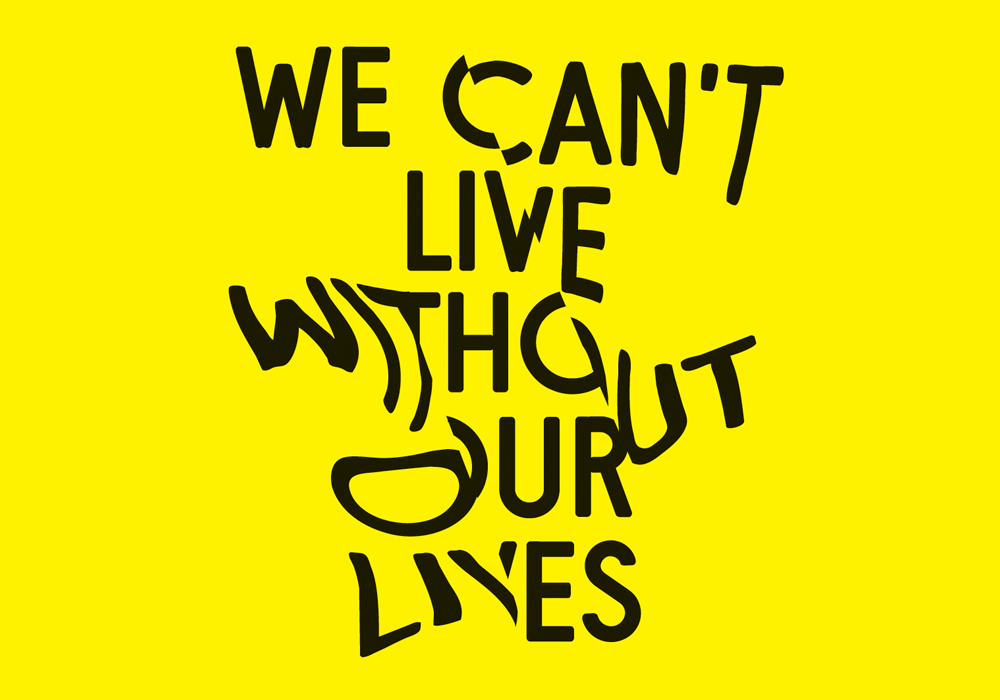
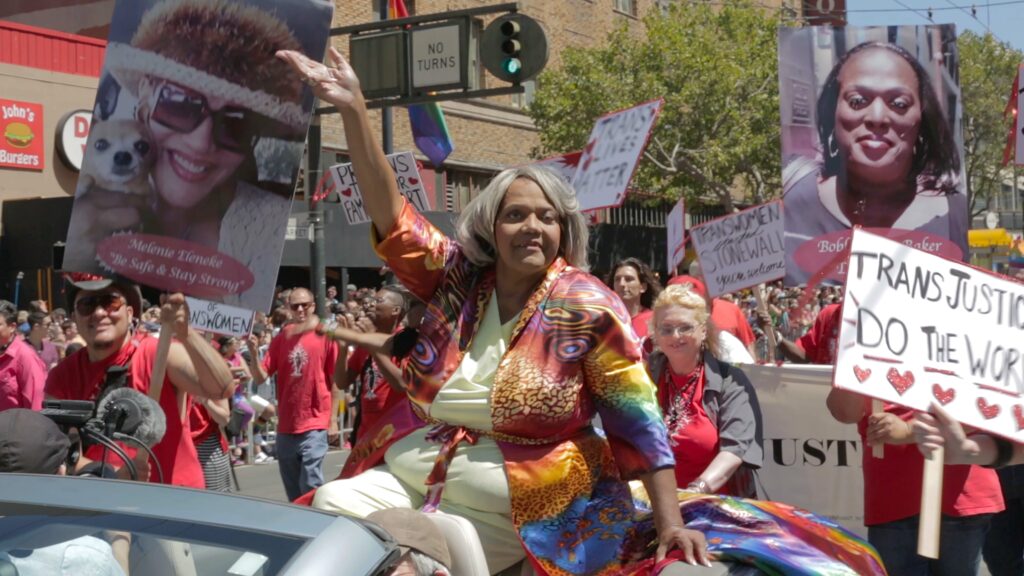
In a moment of social exhaustion, we want to ask how we might care for each other differently. We Can’t Live Without Our Lives is a 5-day exploration of care as a form of struggle and resistance, with communities who embody it.
How do communities formed under the duress of violent othering and the joy of solidarity – such as ballroom culture, Black diasporas, Zapatistas – reform bonds of kinship?