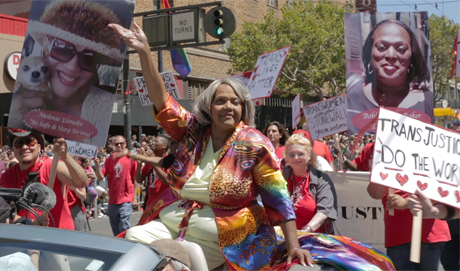
Miss Major in conversation with Eric A Stanley
Eric A Stanley Miss Major
A conversation of intergenerational trans-resistance and anti-racist fierceness between two of the most inspiring public speakers we know.
Arika have been creating events since 2001. The Archive is space to share the documentation of our work, over 600 events from the past 20 years. Browse the archive by event, artists and collections, explore using theme pairs, or use the index for a comprehensive overview.
A conversation of intergenerational trans-resistance and anti-racist fierceness between two of the most inspiring public speakers we know.
Save the dates for Episode 12.
Wednesday 11 – Sunday 15 November 2026
In 2008 we toured our Kill Your Timid Notion festival of experimental sound and image to London, Bristol and Glasgow, bringing audiences a taste of the previous 5 festival editions.
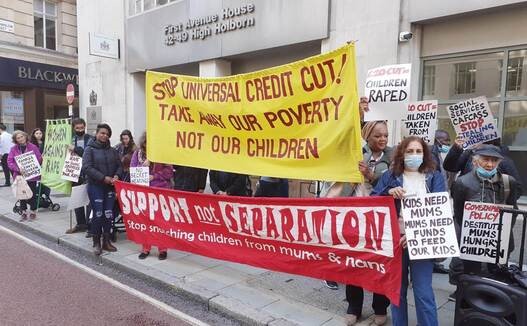
How do grassroots feminist organisations strategise relationships between mothers, parents, carers and their children based on respect and empowerment, in resistance to the practice of putting children in often the most uncaring of places – care.
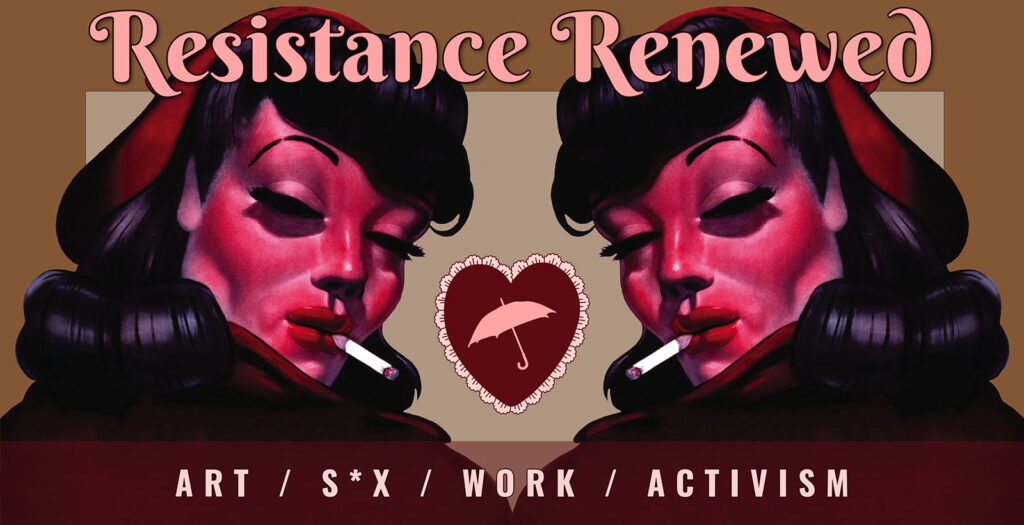
A whistle stop tour of visual and material culture that has anchored the sex workers rights movement through the decades until today.
A silent collage of found film footage partially layered with computer graphics to provide a framework in which live music can develop.
Film and sound stripped of ‘content’ and experienced spatially, to be looked at not on the screen but in the space of the gallery
An open conversation hosted by Saidiya Hartman and Fred Moten around ‘fugitivity’ and ‘waywardness’ and what it means to be in flight, excessive or ungovernable.
A short chat about what we (Arika) might be trying to do with our program for the Biennial.
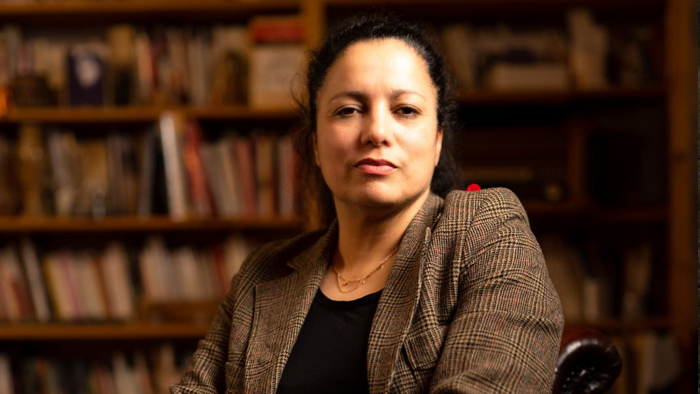
The practice of North African Indigenous revolutionary love, in the face of European capitalist violence and settler colonialism, with one of the most vital anti-colonial thinkers in Europe.
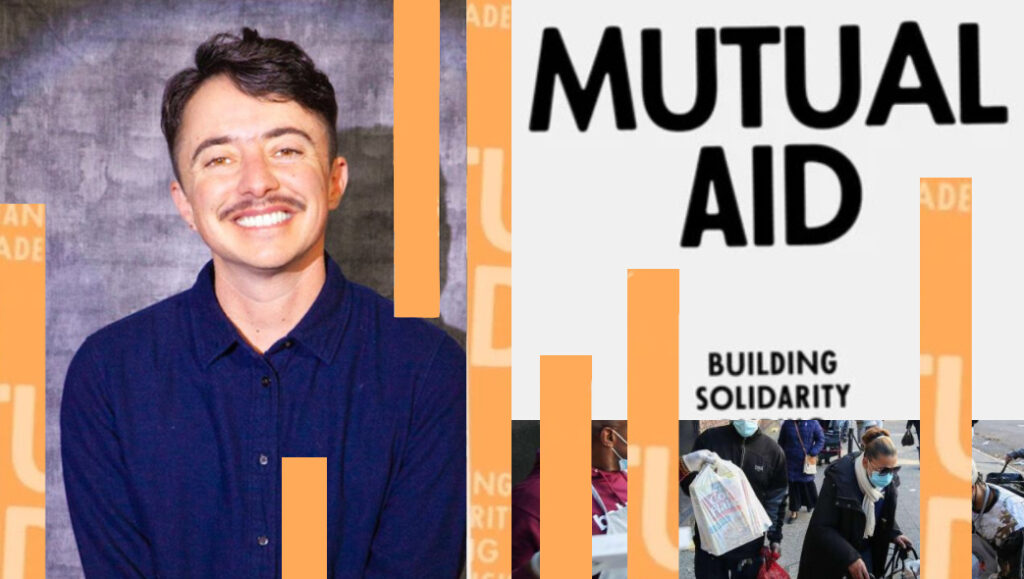
In this interactive workshop, Dean Spade, author of Mutual Aid, will share key principles, explore common challenges in mutual aid work, and offer tools for working through them.
A testimony to poverty from Chris’s own experiences, and an invitation to engage with an all too typical situation and context through a kind of imaginary listening.