Temporary outpost for an auditory figure
Brandon LaBelle
A temporary archive and research space tracing the ways in which sound and audition move through everyday life.
Arika have been creating events since 2001. The Archive is space to share the documentation of our work, over 600 events from the past 20 years. Browse the archive by event, artists and collections, explore using theme pairs, or use the index for a comprehensive overview.
A temporary archive and research space tracing the ways in which sound and audition move through everyday life.
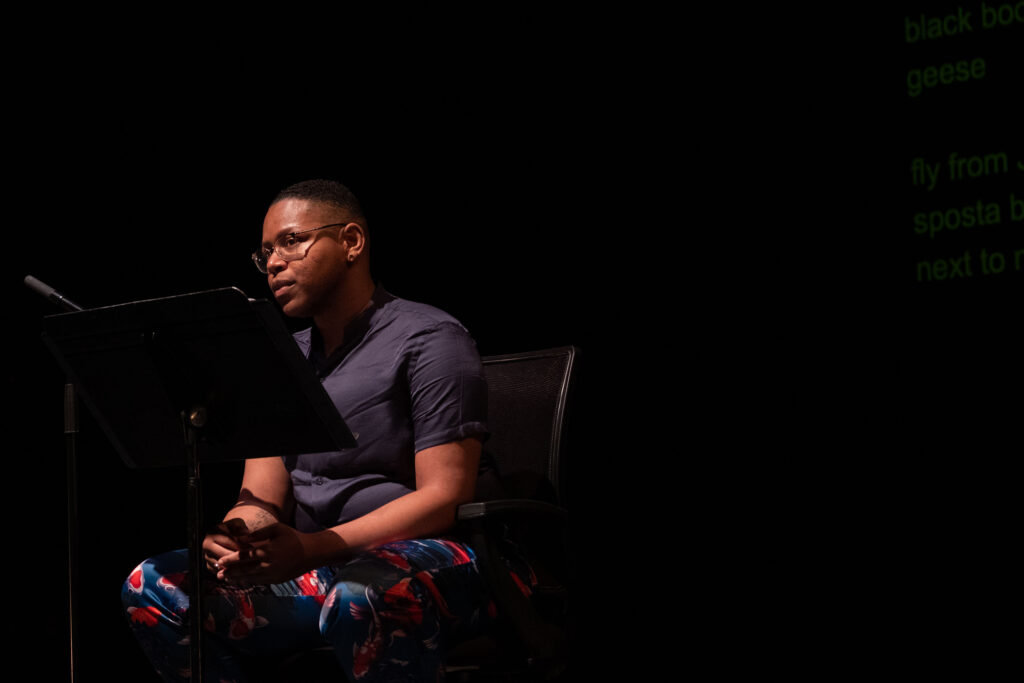
Poetry of raw fearless truth and the realest crip insight fully embedded in absolute lyrical lounge.
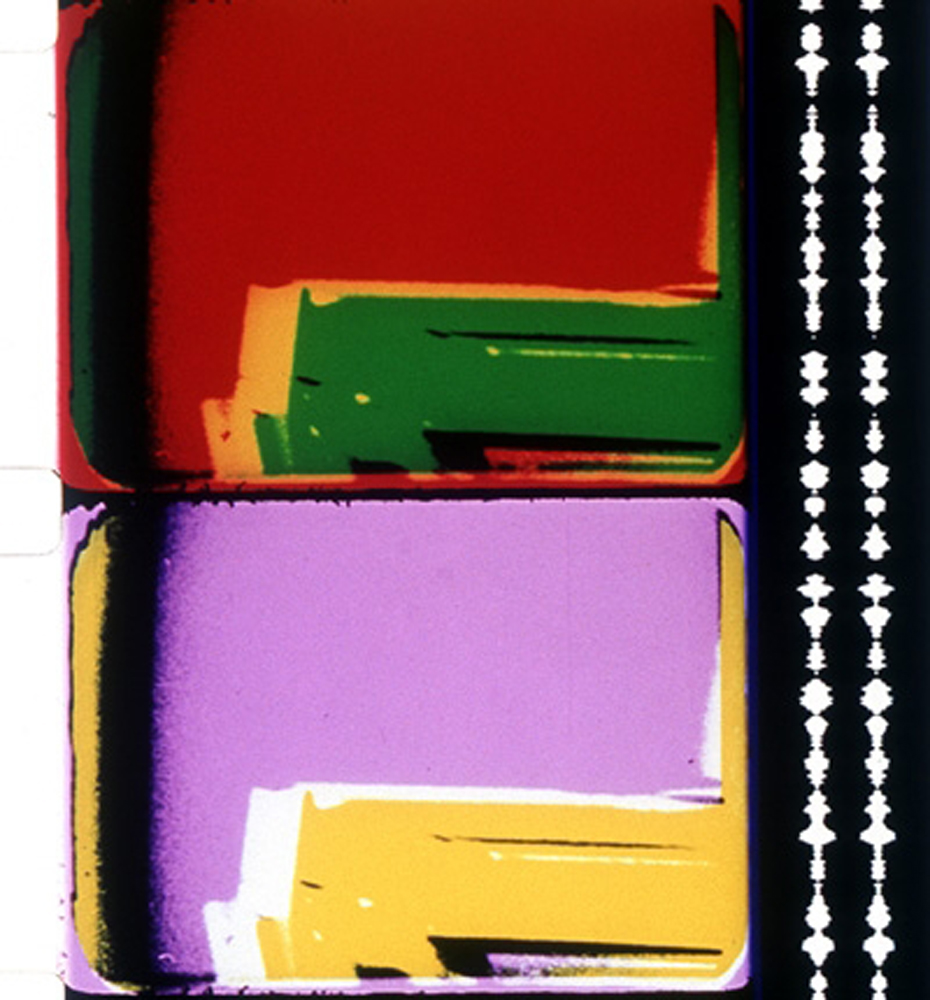
Light Music is a dizzying celebration of the pivotal nature of sound in film; a direct and powerful transcription of film as sound.
This programme is a celebration of Charlemagne Palestine; passionate, extravagant, visceral. Including two sections from Ritual dans le Vide, an extension of his ‘running camera’ works of the 70’s and Pip Chodorov’s vibrant workout of a live version of Strumming Music.
A welcoming intermission between events, open to the public.
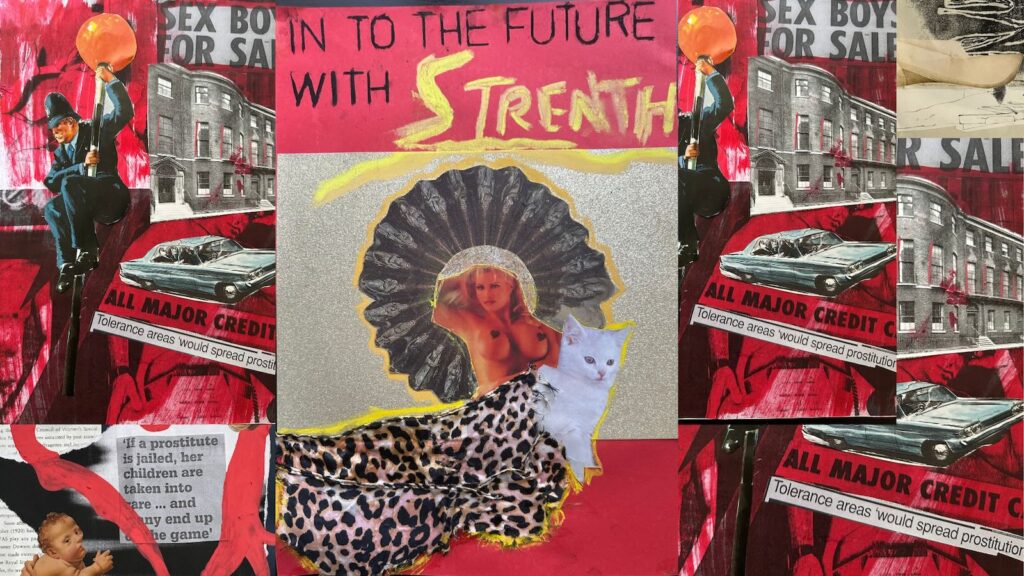
Join Sex Workers For Decrim for a sex worker only collective art workshop and be part of creating a massive visual timeline of sex worker resistance in Scotland.
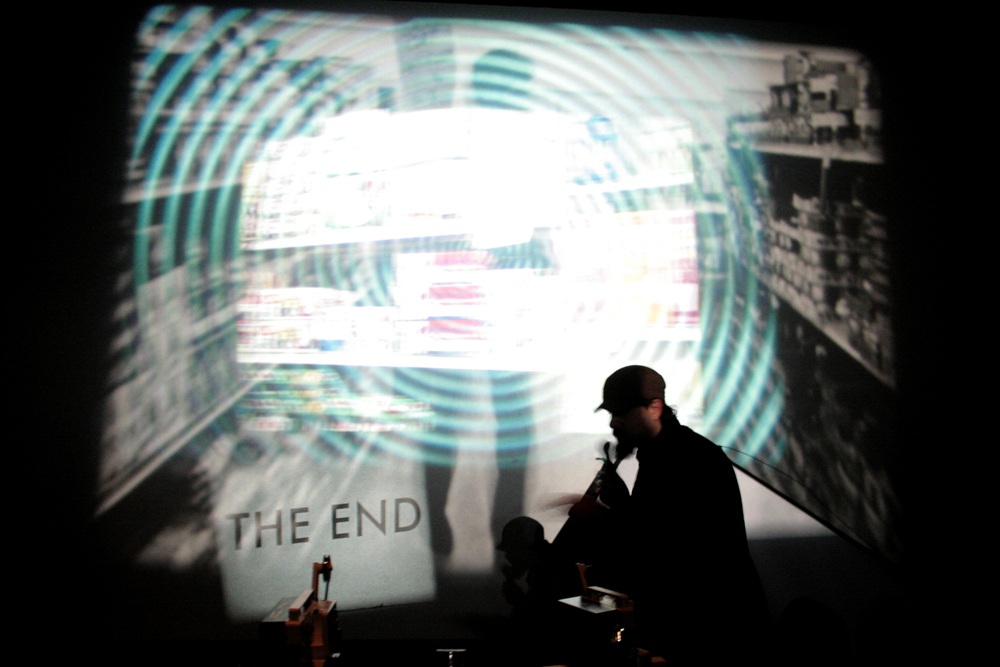
In 2008 we toured our Kill Your Timid Notion festival of experimental sound and image to London, Bristol and Glasgow, bringing audiences a taste of the previous 5 festival editions.
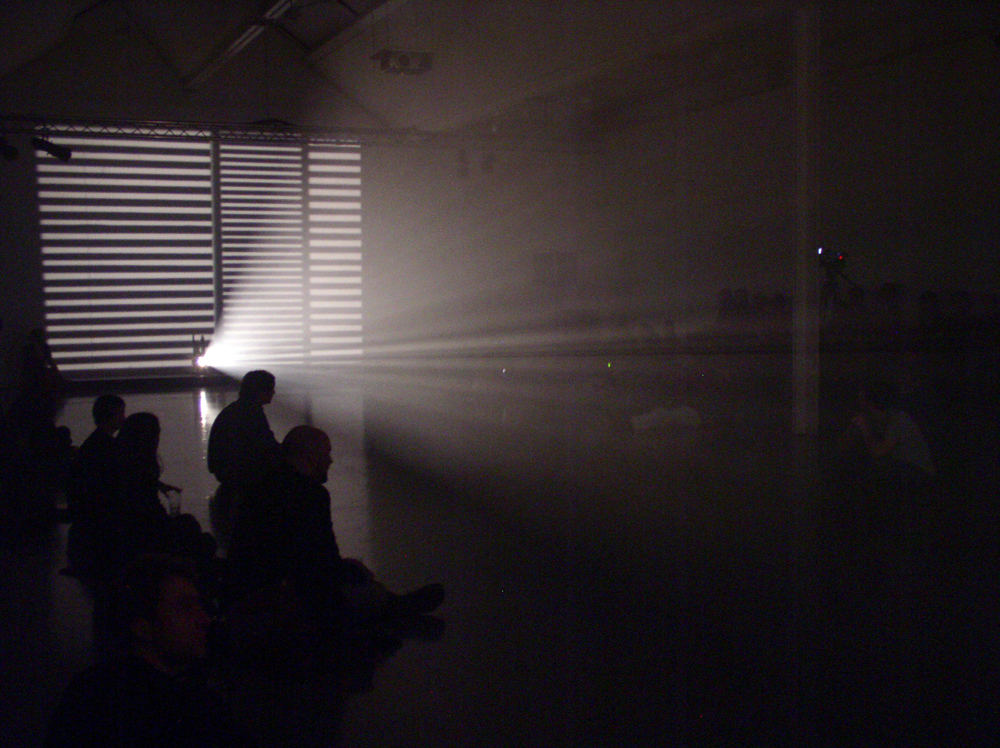
Quasi-theatrical multiple-projector pieces play with the relationship between performers, art and audiences.
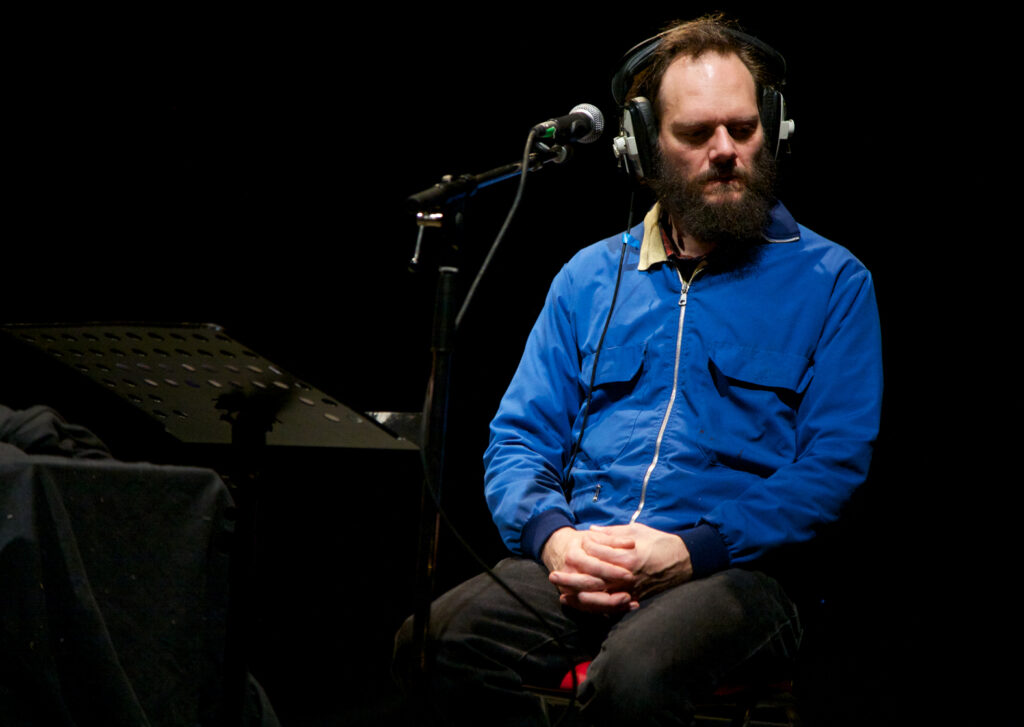
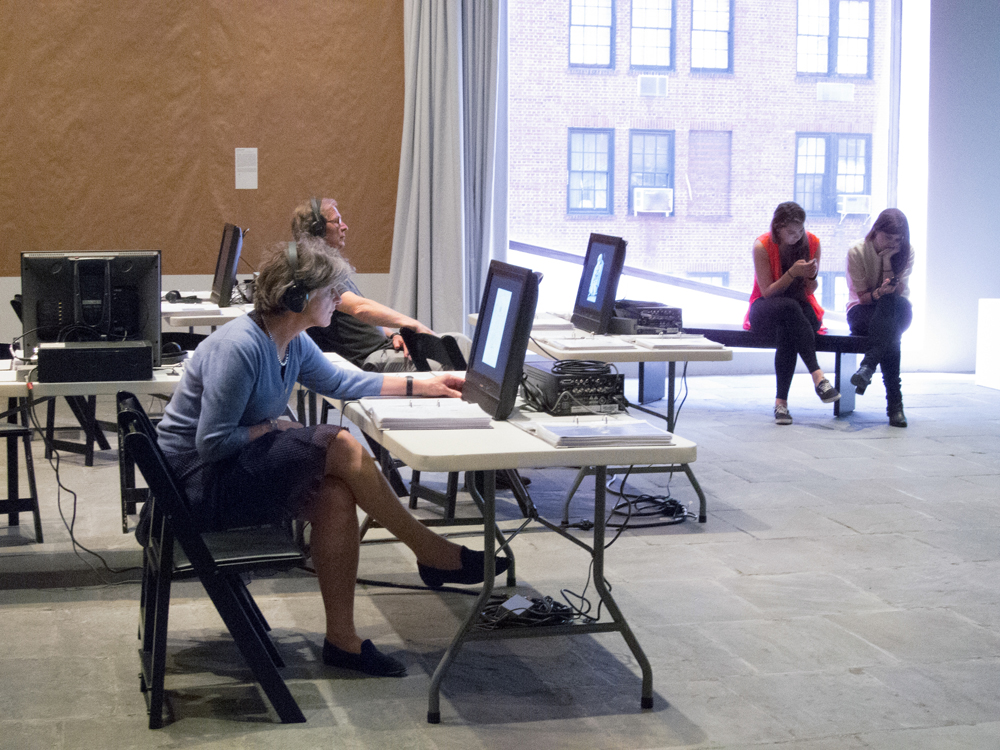
Listening to people listening to their own homes. Musicians and actors will listen back to recordings made in local peoples homes on headphones, and interpret/ translate what they are hearing.
A stroboscopic and intense sensory overload of flashing abstract forms, cut to ribbons by modified projectors.
Quartet improvisation by Klaus Filip – laptop, Radu Malfatti – trombone, Sean Meehan – snare & cymbals, Taku Unami – rice and dish.
There are core ways in which our listening to the radio differs from other kinds of listening. What happens when we pay attention to how we pay attention?