Filament: Sachiko M & Otomo Yoshihide
Otomo Yoshihide Sachiko M
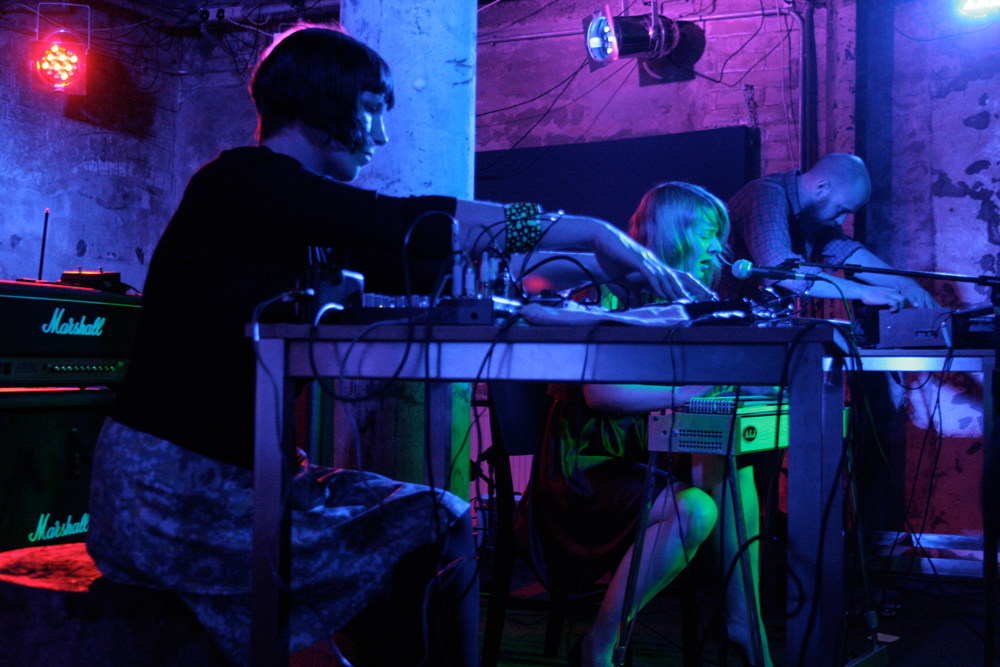
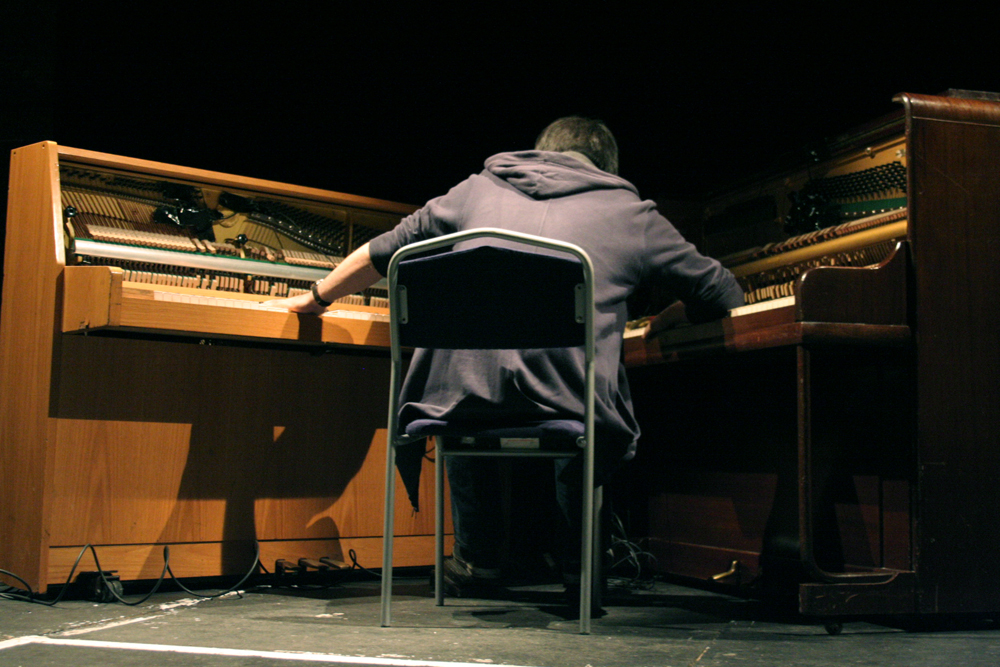
Sachiko’s very simple, pure sine tones and structures. Otomo on double pianos. Filament’s music isn’t composed and it isn’t improvised: it’s a hybrid of the two.
Arika have been creating events since 2001. The Archive is space to share the documentation of our work, over 600 events from the past 20 years. Browse the archive by event, artists and collections, explore using theme pairs, or use the index for a comprehensive overview.
Sachiko’s very simple, pure sine tones and structures. Otomo on double pianos. Filament’s music isn’t composed and it isn’t improvised: it’s a hybrid of the two.
Location: Around and about the old public library in Easterhouse; disinvested in and left to rot by the council but which was shamelessly, hastily and superficially cleaned by them in expectation of our event.
Goofily deformed, deeply thought vocal jams: like the sound of your own breath rushing through your head.
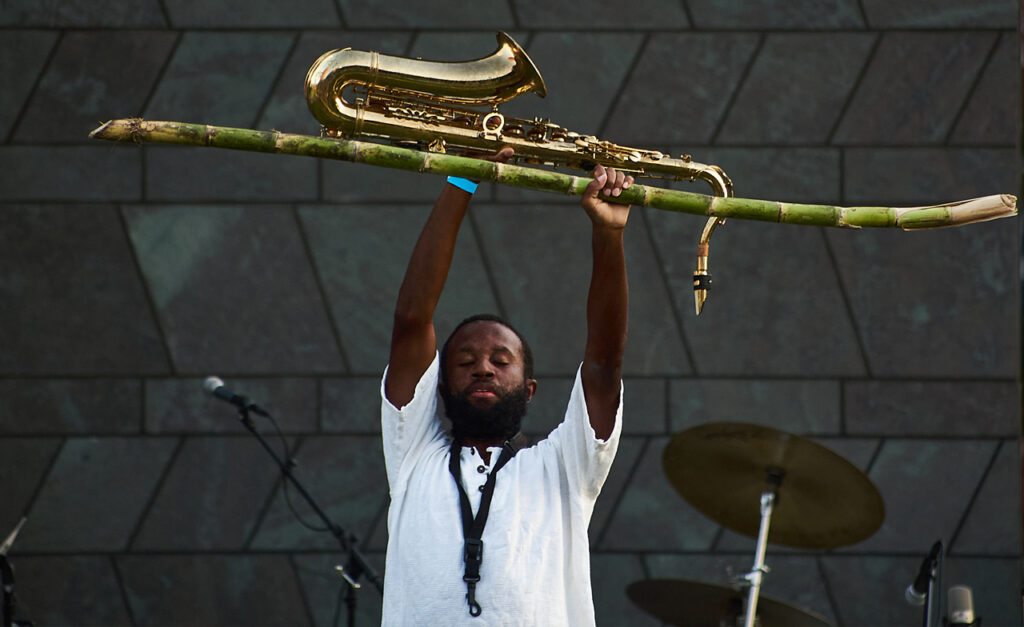
Solo performance on bass clarinet, jaw harp & voice by Arrington De Dionyso.
Andrew Chalk & Christoph Heemann return with their diaphanous, impressionistic drone duo; their slowly evolving and enthralling works flutter and quiver with elegantly restrained, miniature sound events.
A three-day celebration surveying all manner of diverse musical activities, which at their core share a basic kinship: one of exploration and the discovery of musical expresssion.
Ellis’s processional, precessional cessation and continuation of movement and music comes to us via his forthcoming release Aster of Ceremonies (Milkweed Editions, 2023)
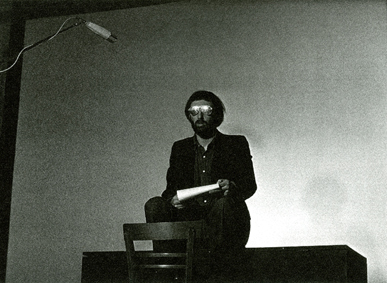
Recently rediscovered but still very pertinent, Kino Beleške presents a series of speech acts and performative gestures by protagonists of the new artistic practice in former Yugoslavia: each a personal take on the role of art in society.
A series of three short performed situations and statements to be examined or judged from the most interesting young musician in Glasgow (we think).
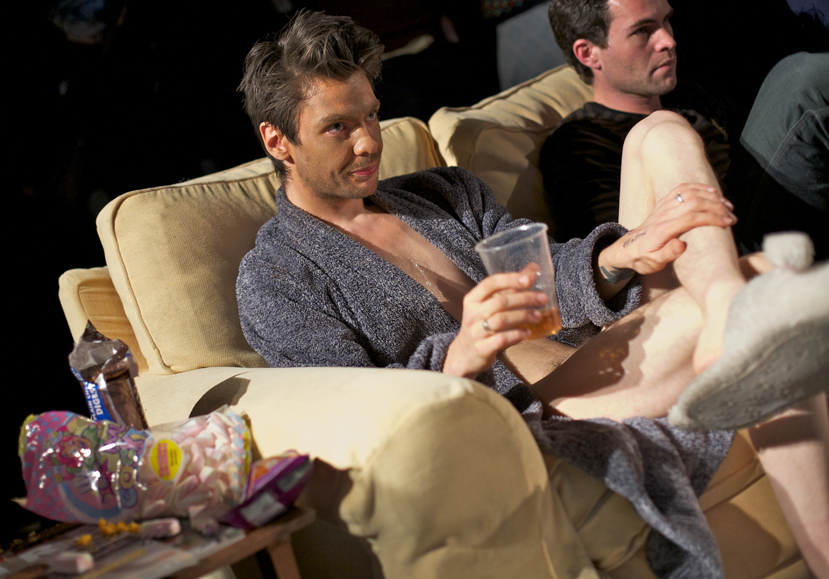
The mutability of the body and the mobility of identity: queered pop culture, drag, lip-sync and performance.
When one calls a strike, who hears the call, who attunes and listens to it? How to listen to the call of a strike? What prevents one from hearing this call or stops one from listening to it?
Three (thankfully short) chats wherein we try and get at what’s eating us with regards to experimental music, and what we think might be worth salvaging.