No Church in the Wild
Jack Halberstam
Can we find ideas of queer anarchism, failure and low theory in popular culture?
Arika have been creating events since 2001. The Archive is space to share the documentation of our work, over 600 events from the past 20 years. Browse the archive by event, artists and collections, explore using theme pairs, or use the index for a comprehensive overview.
Can we find ideas of queer anarchism, failure and low theory in popular culture?
Create your own badge designs, with collaging, drawings, stickers and more! Whether your badge is playful, political, expressive or just for fun this is a space to create something that feels like you.
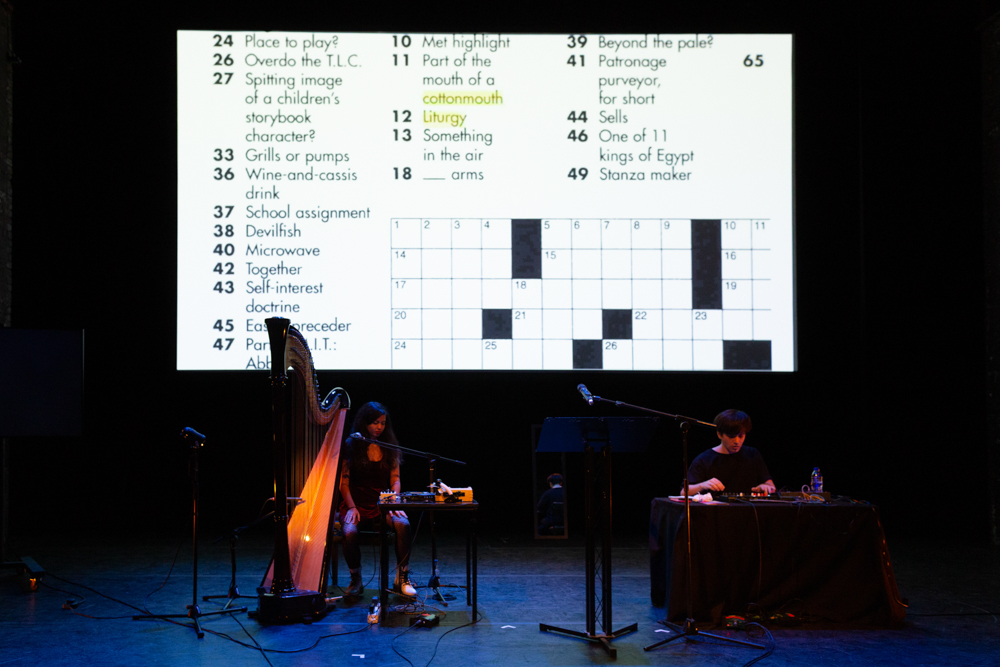
A multi-media harp and spoken word tribute to the incalculable, the in-deducible, the suspicious static noise that accompanies the voice of truth, and the attempted aberrations in the domain of emergence.
A collaborative performance where sound and image are created, performed and mediated by light, water and glass.
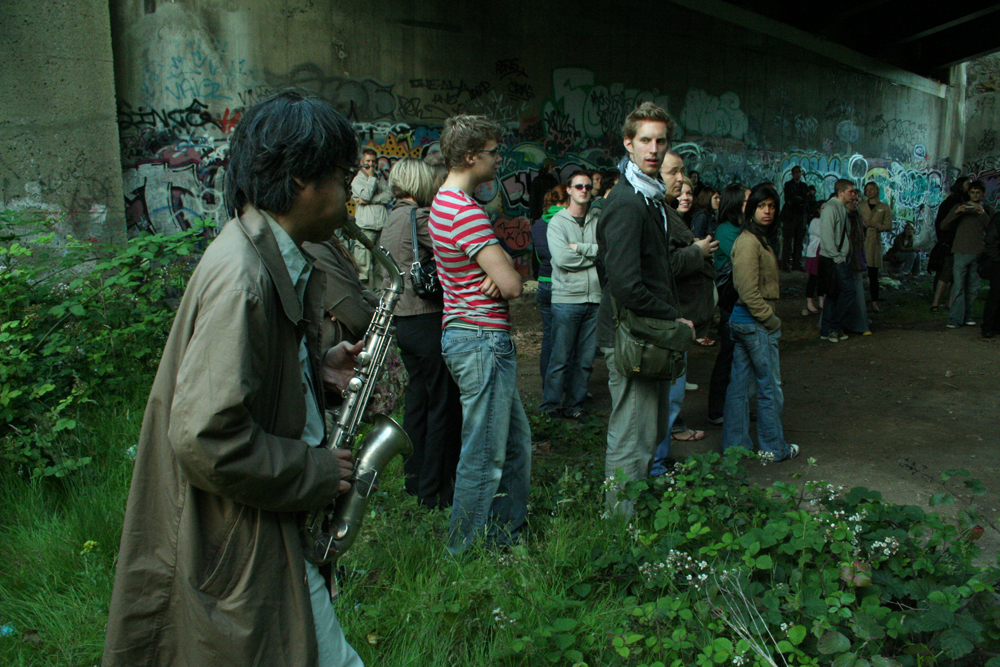
A concrete walkway ending in mid air, a ridiculously tight squeeze between three office buildings and various other sites of Labour politician and council leader T. Dan Smith’s modernist regeneration projects and ‘slum clearances’ of the 1950’s and 60’s.
N30 is a massive, dynamic, immersive multi-channel presentation of front-line field recordings from the protest against the WTO in Seattle
Jacobs’ pulsing and abstract 3D Nervous Magic Lantern performance grounded by Eric La Casa’s manipulated recordings of everyday locations.
The first performative part in a game of chance and endurance as actor Tam Dean Burn constantly broadcasts for 24hrs.
Austrian guitarist who specialises in a warm digital deconstruction of guitar noise
Sarah Washington uses electronics and wind-up radios, running out of charge to repsond to the festivals’ Self Cancellation provocation.
How can we imagine bodies not as an end in themselves, but as a medium through which we can become one another’s means?
The Songspiels take on a mode of musical theatre developed by playwright Bertolt Brecht and composer Kurt Weill in the early twentieth century, presenting political and social concerns through the accessible and (often funny) form of song.