No Total
What kind of listening and acknowledging do we offer each other? What is it to listen to an ‘elsewhere’, and do we ever do anything else when we listen to music?
Arika have been creating events since 2001. The Archive is space to share the documentation of our work, over 600 events from the past 20 years. Browse the archive by event, artists and collections, explore using theme pairs, or use the index for a comprehensive overview.
What kind of listening and acknowledging do we offer each other? What is it to listen to an ‘elsewhere’, and do we ever do anything else when we listen to music?
Goofily deformed, deeply thought vocal jams: like the sound of your own breath rushing through your head.
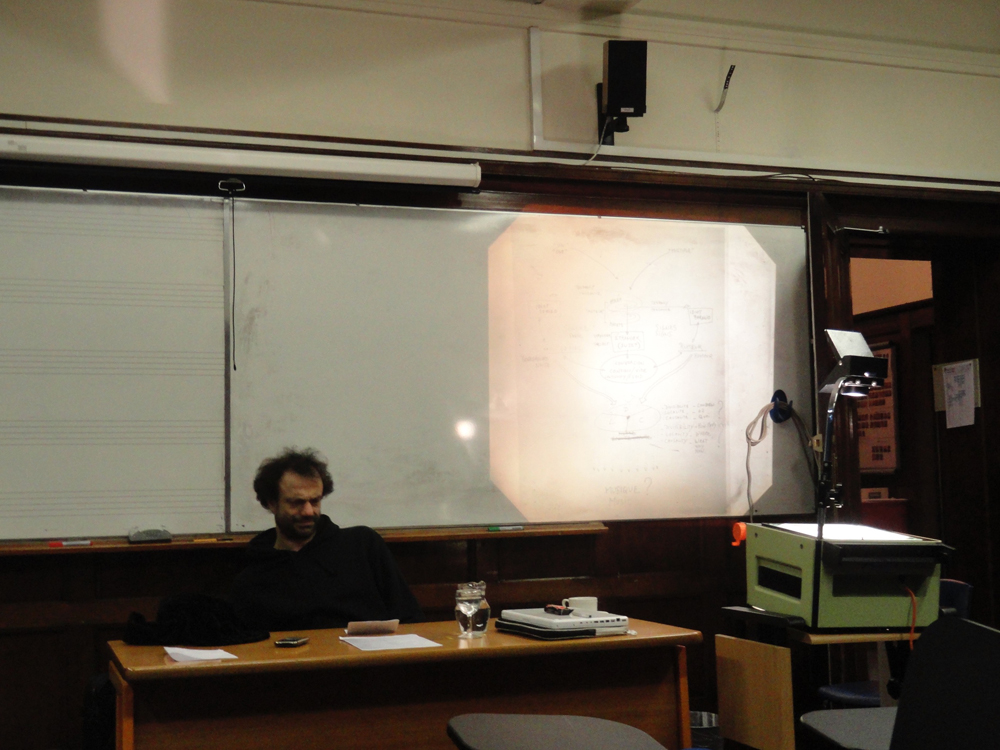
Jean-Luc Guionnet will be giving a talk as part of the music department’s ongoing series of colloquia.
How do we make the connections between the mutual aid practices of our daily lives and anti-capitalist efforts to dismantle wider systems of exploitation?
Koji Asano, Japanese composer and sound-artist performing slow groaning burbling tones, moaning echoes and drones.
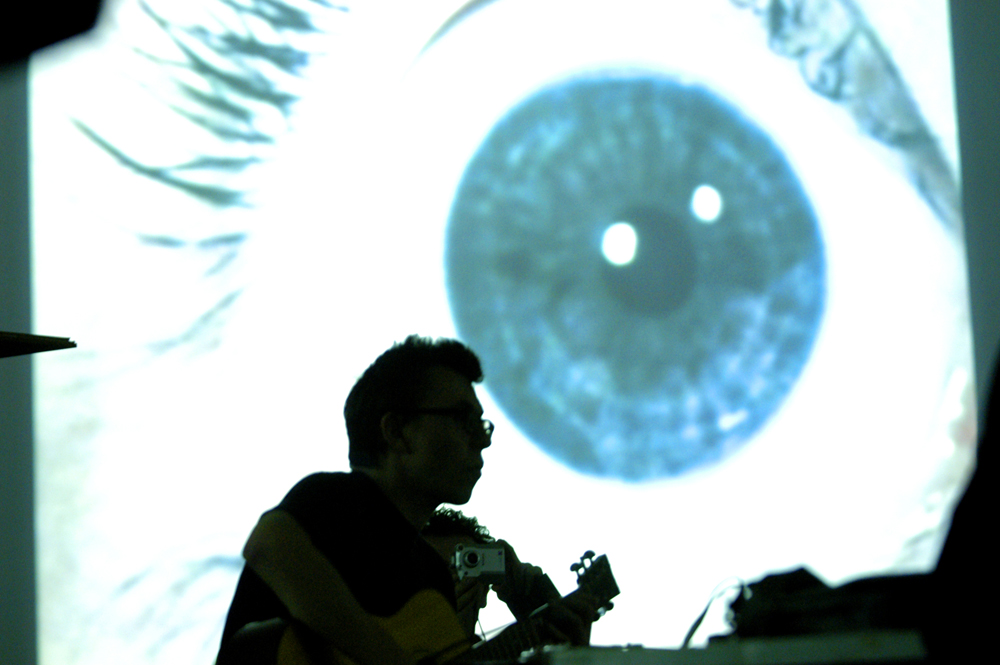
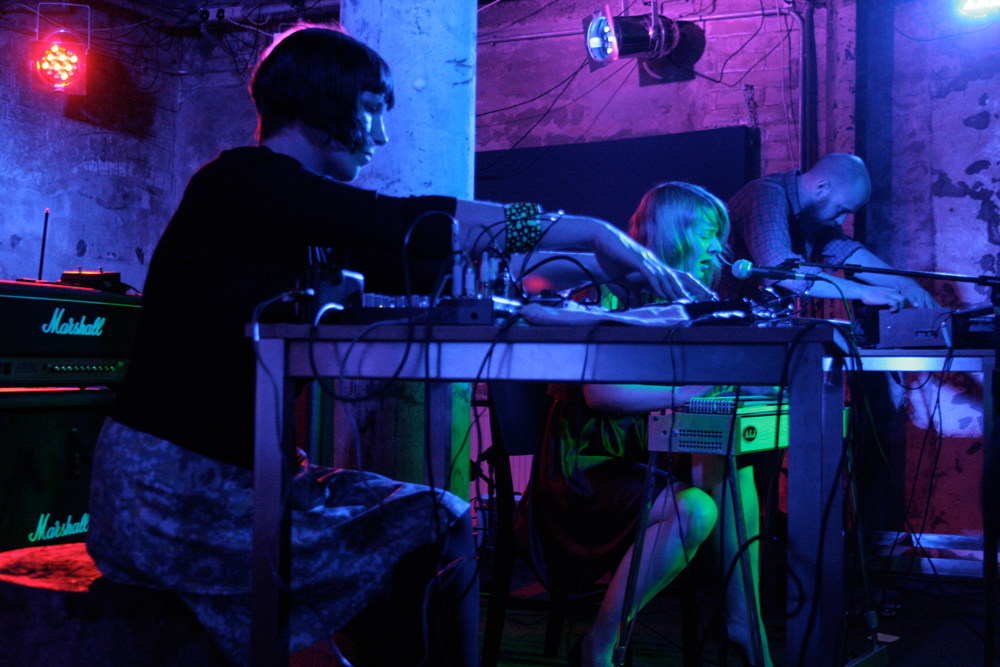
A live installation of the ‘Film Ist’: projected on 4 huge screens and an improvised soundtrack from 4 figureheads of the Austrian experimental music scene.
INSTAL’s third outing saw performances by AMM, Cosmos (Sachiko M & Ami Yoshida), Voreboms, Vibracathedral Orchestra with Matthew Bower and John Godbert, Paragon Ensemble, Merzbow and Ryoji Ikeda.
A poet, playwright and activist, Sanchez emerged as a seminal figure in the 1960s Black Arts Movement, writing in the name of black culture, civil rights and women’s liberation.
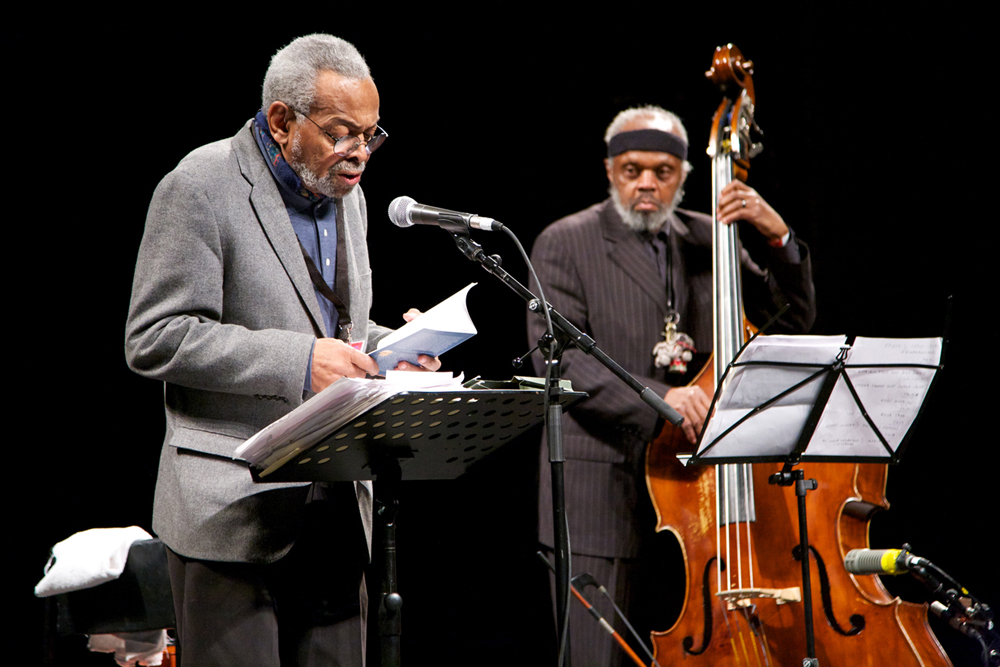
A dialogical meeting of Baraka’s radical poetry and Grimes’ free jazz syncopation.
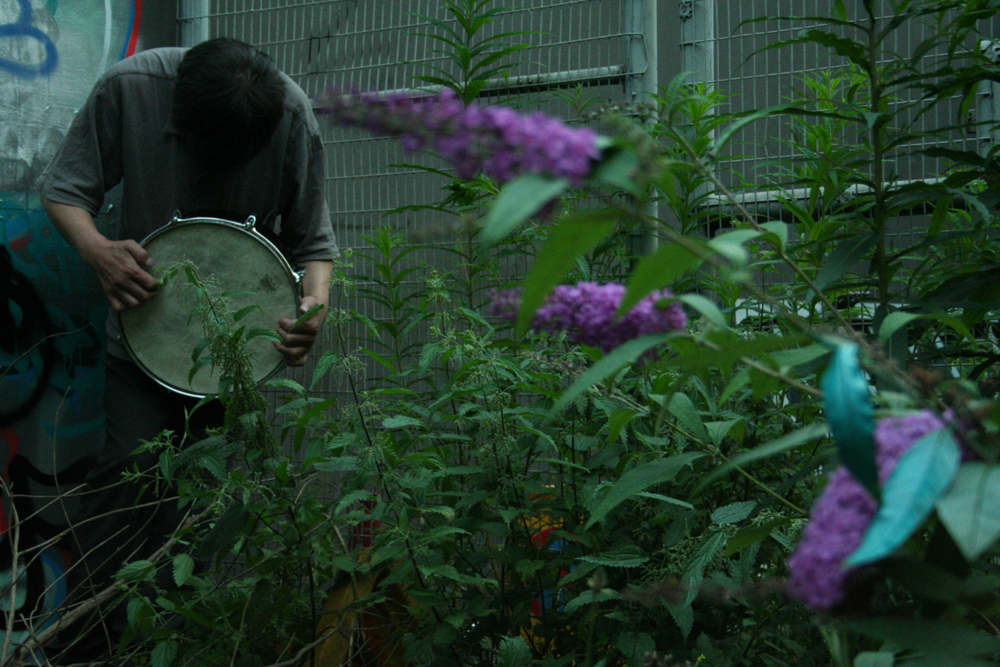
The site of the former Abbeyhill Station on the 1903 Leith branch of the Edinburgh and Dalkeith railway, overgrown and leading to as yet un-regenerated ‘wasteland’; taxi’s for 80 people, each instructed to take different routes between locations and; a slice of land concealed behind corporate business park branding off the Wester Approach Rd, apparently of no conceivable use and named ‘Chateaux de Scum’ by those who use it anyway.
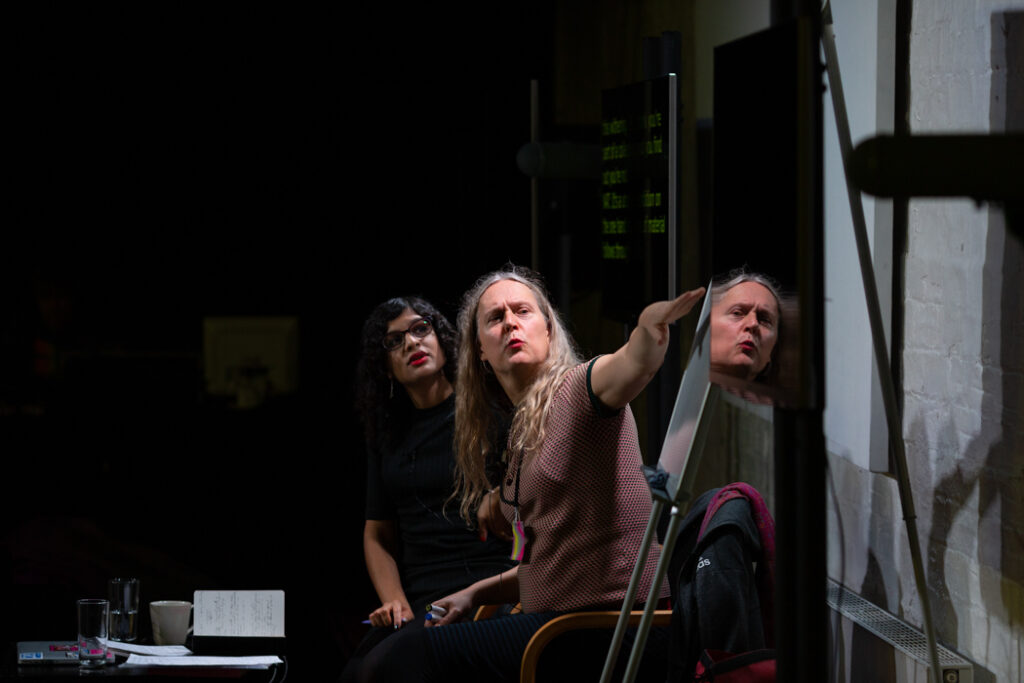
Underlying radical transfeminism, as an urgent critique of binary essentialism and fixed identities, is the call for a new kind of thinking that can move between and integrate the truths of all lives in their transformations.
How do communities formed under the duress of violent othering and the joy of solidarity – such as ballroom culture, Black diasporas, Zapatistas – reform bonds of kinship?