Tell Me About It – Human Library®
Scotland for Decrim The Human Library®
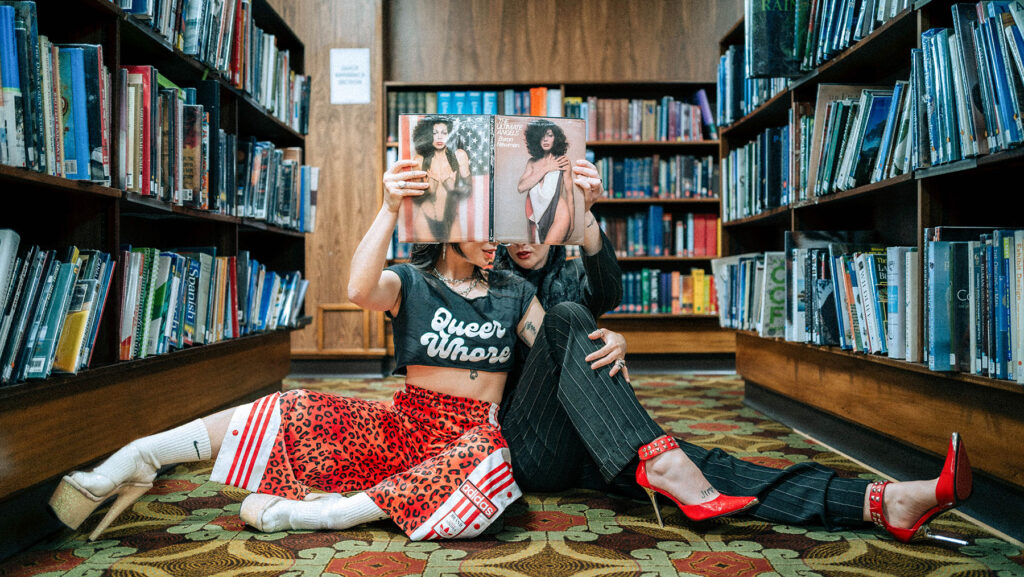
Imagine entering a library where readers can borrow human beings serving as open books. Then select a book stack that specialises in sex work.
Arika have been creating events since 2001. The Archive is space to share the documentation of our work, over 600 events from the past 20 years. Browse the archive by event, artists and collections, explore using theme pairs, or use the index for a comprehensive overview.
Imagine entering a library where readers can borrow human beings serving as open books. Then select a book stack that specialises in sex work.
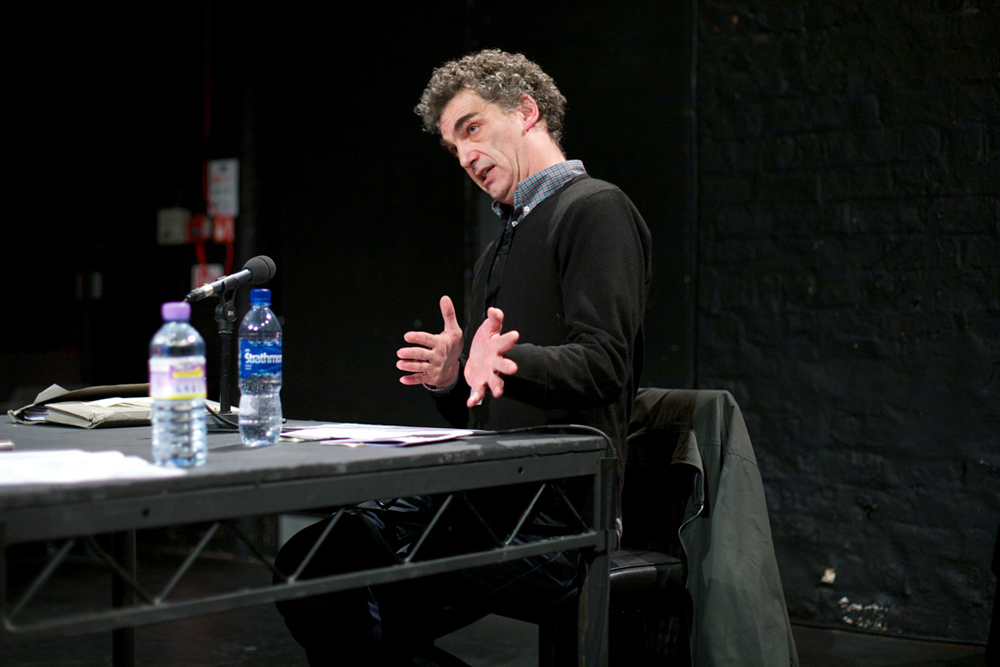
Our favourite Lancashire-born autodictact asks what’s political about the tension between the individual and the collective in free jazz.
Work for cello, percussion, contra bassoon and cherbulum commissioned for Instal in collaboration with Paragon
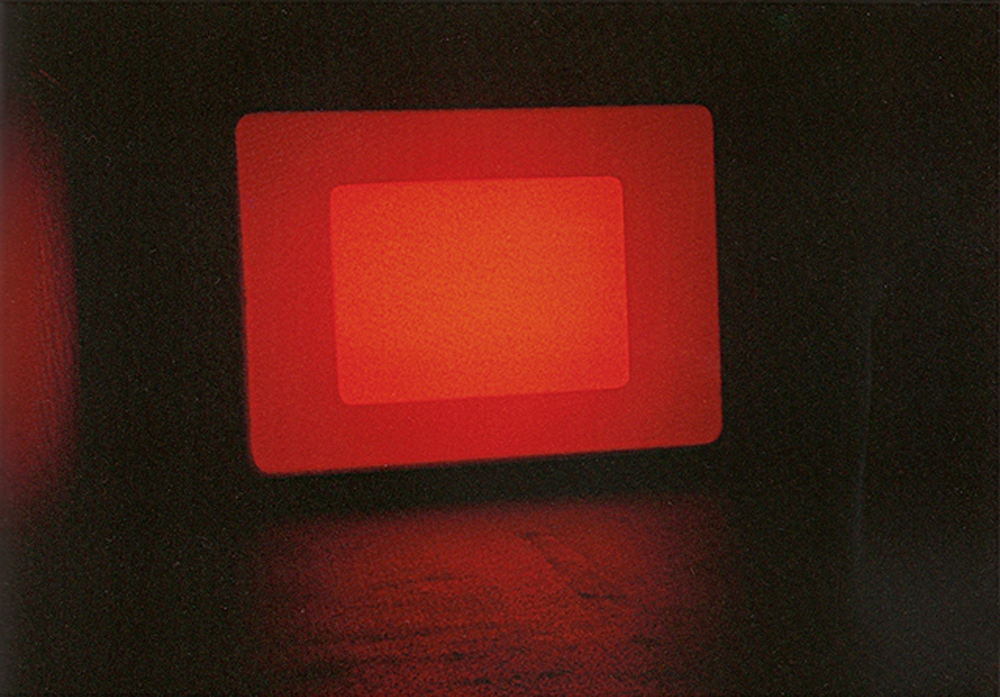
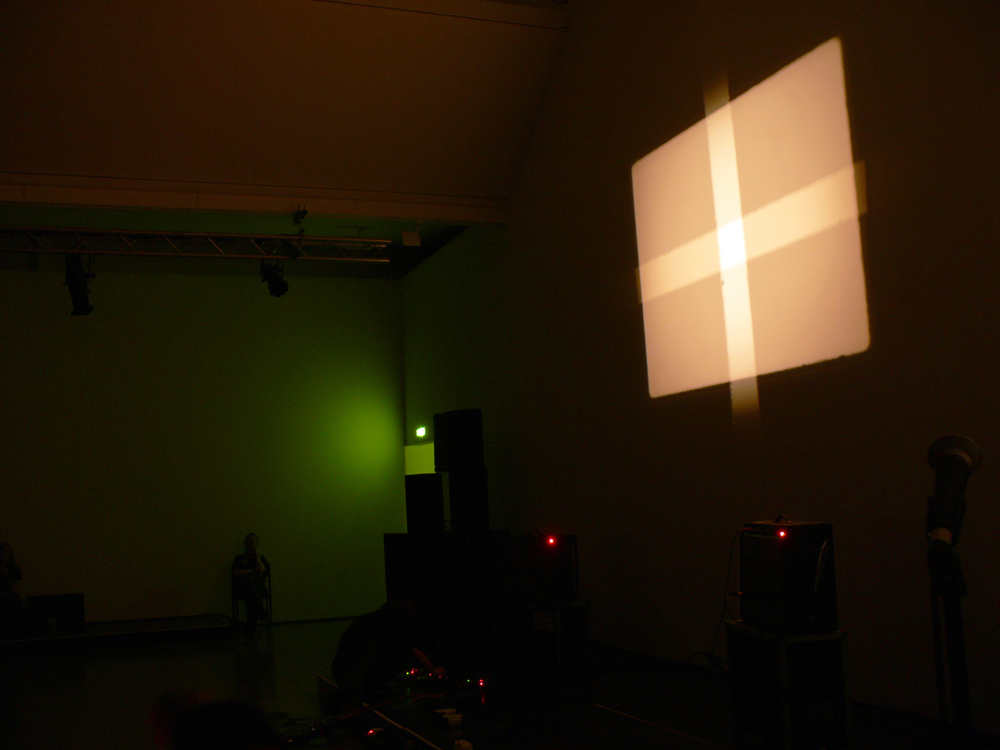
Paul Sharits is one of our all time heroes, and one of the great artist filmmakers of the 20th Century.
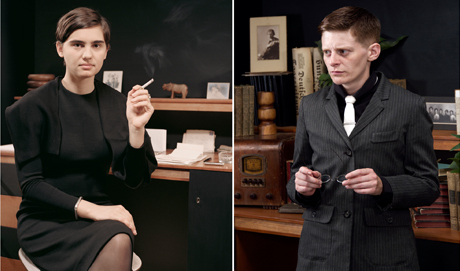
Seven women recite monologues composed from texts from the vibrant years of the Weimar Republic. A kind of cultural echo: an experience of histories brought to the present.
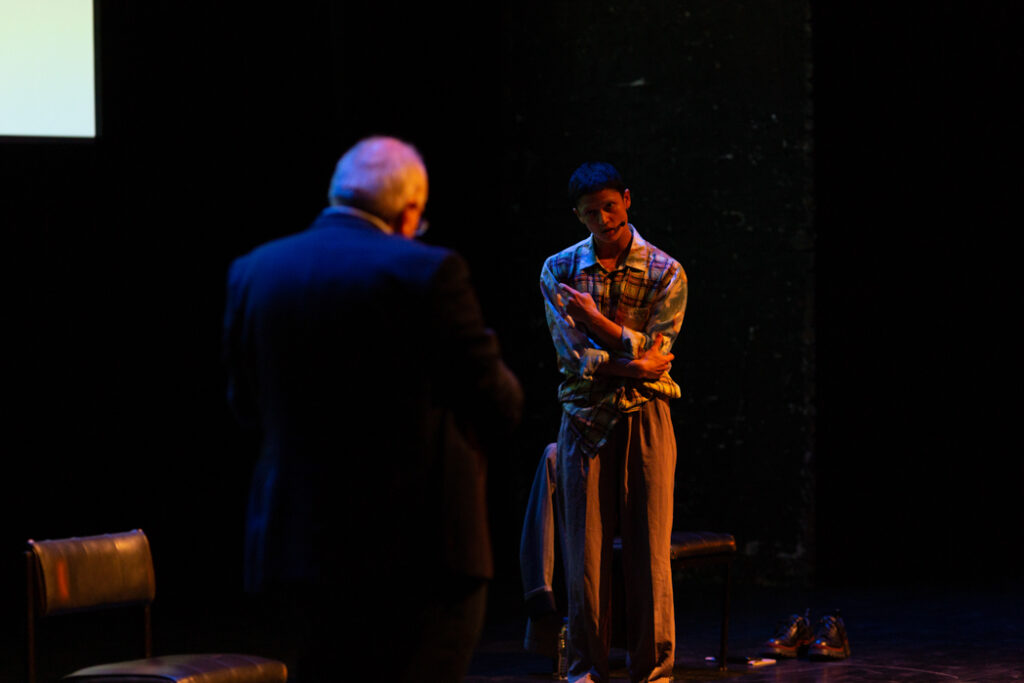
How do we gesture to the invisible, the trans or the obscure? A performative conversation between boychild and Fernando, a sharing of gestures, and a bodily back and forth between mathematician and dance artist.
A festival hewn from passions for experimental music, film and visual art and for a passion in figuring out how they can relate to, cross-fertilise and inspire and each other.
A collaboration bringing together artists with a shared gravitational heft to their work; an intense and concentrated accumulation of detail and power.
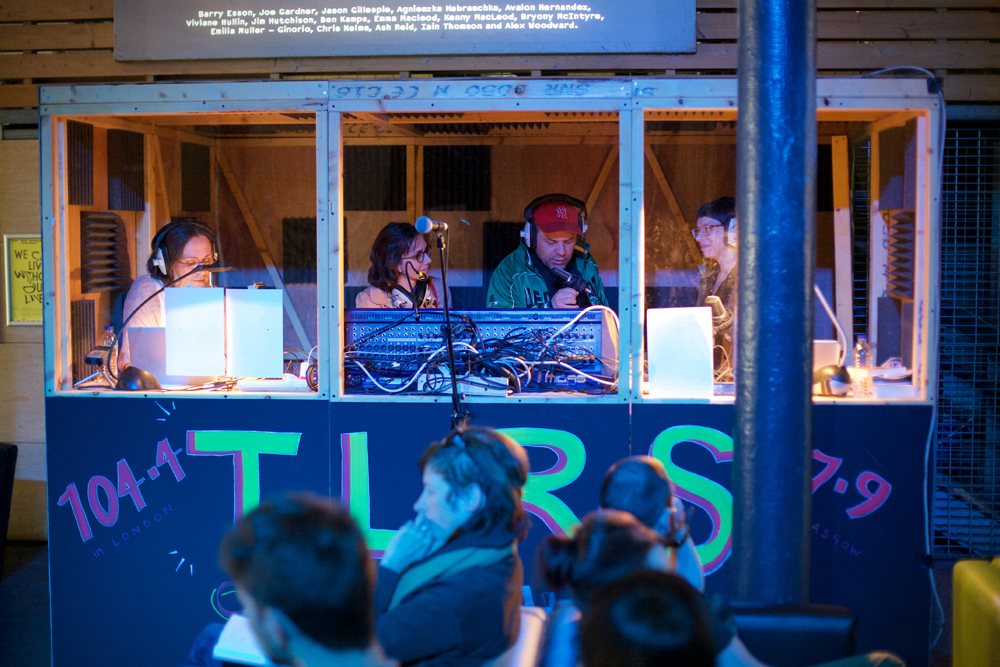
(Cyber)feminist, non-essentialist transgender and queer daily radio shows using the formula of morning radio as an arch way of thinking about the scripted behaviour and controlled empathy of systematic care.
Radical transfeminism aims to hold the space for finding relations between the ruins of the everyday. Emerging from the debris, spaces for politics find form as poetics to carry understandings, actions and be/longings.
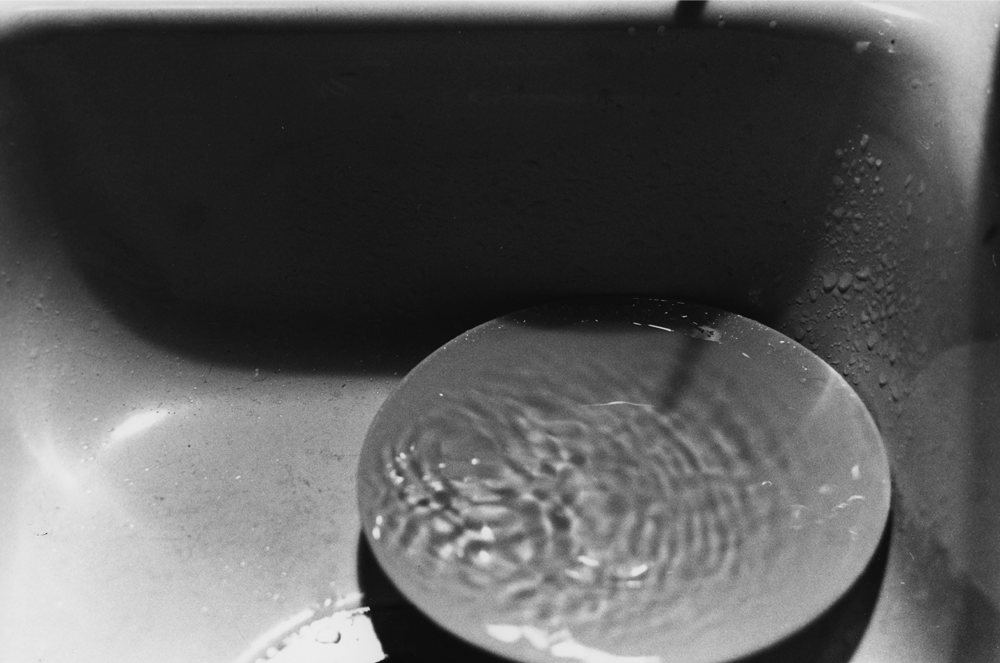
Everyday objects and materials (rubber bands, paper, a sink, microphones) disabused of their inertia and made to speak for themselves in a kind of focusing in on the tiny, repetitive, almost unobserved (sonic/ visual) potential of everyday things put into motion.