States of the Body Produced by Love
Nisha Ramayya
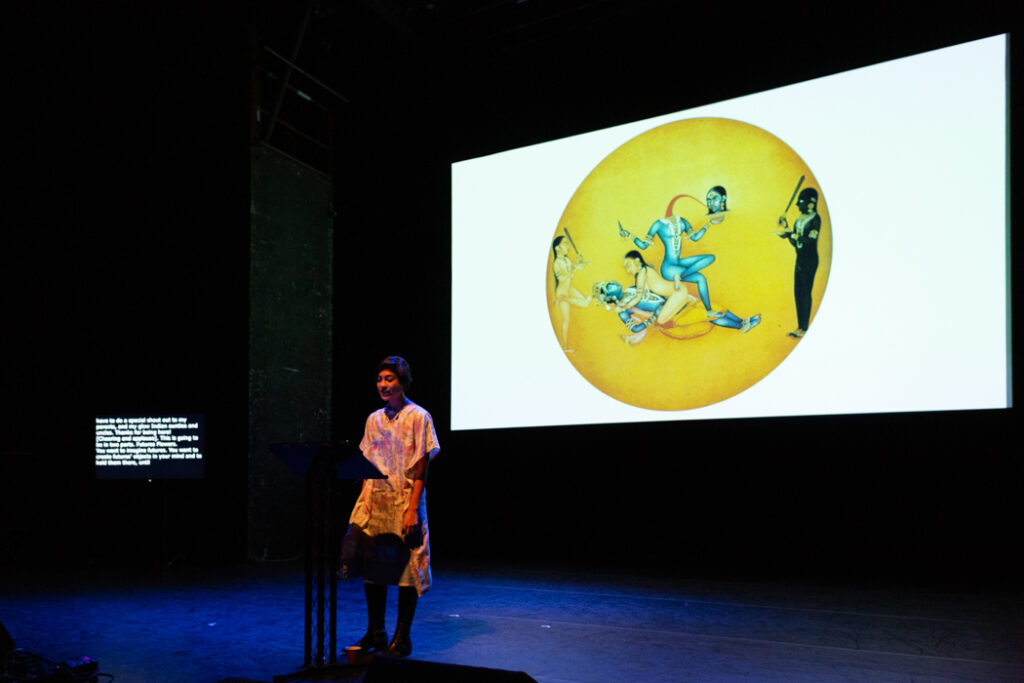
In Ramayya’s visionary poetry, the body assumes as many forms as love produces states: attraction and repulsion, excitement and exhaustion, selfishness and the dissolution of self.
Arika have been creating events since 2001. The Archive is space to share the documentation of our work, over 600 events from the past 20 years. Browse the archive by event, artists and collections, explore using theme pairs, or use the index for a comprehensive overview.
In Ramayya’s visionary poetry, the body assumes as many forms as love produces states: attraction and repulsion, excitement and exhaustion, selfishness and the dissolution of self.
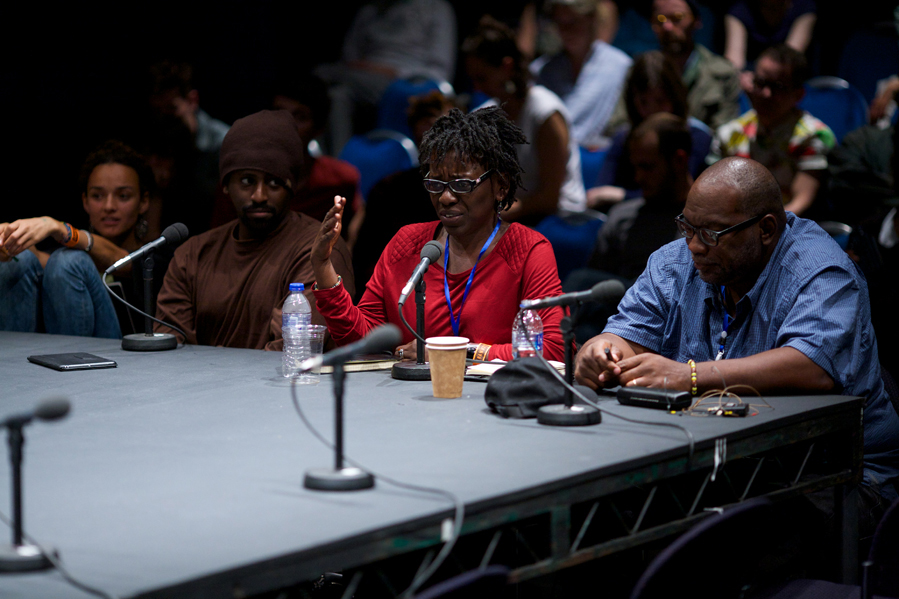
A discussion about what is at stake in the performance of realness and the practice of passing, and how they are both acts of survival and resistance.
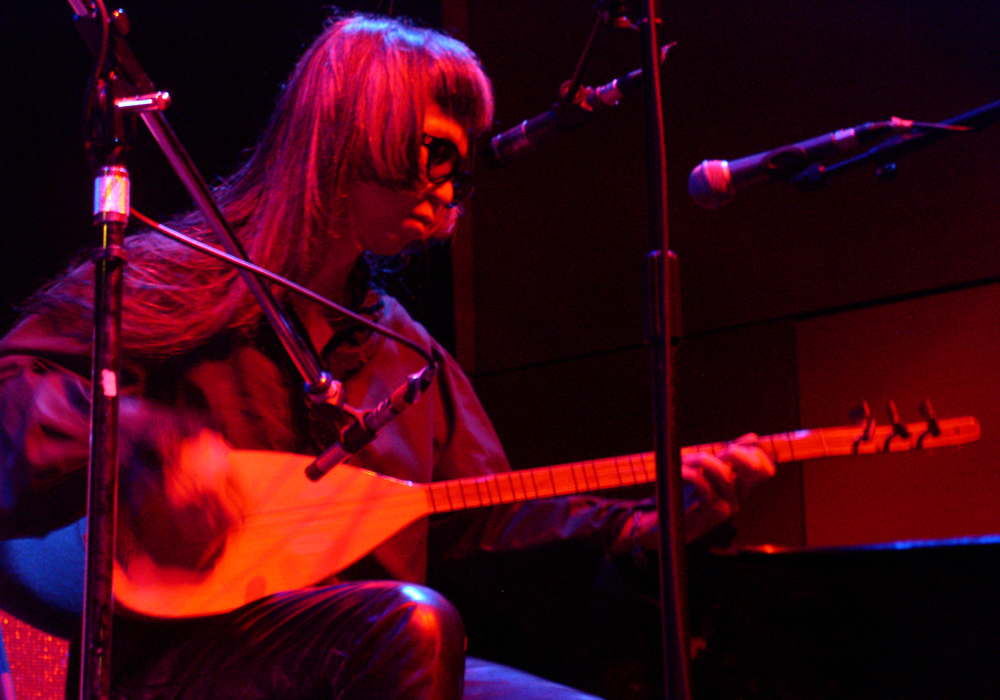
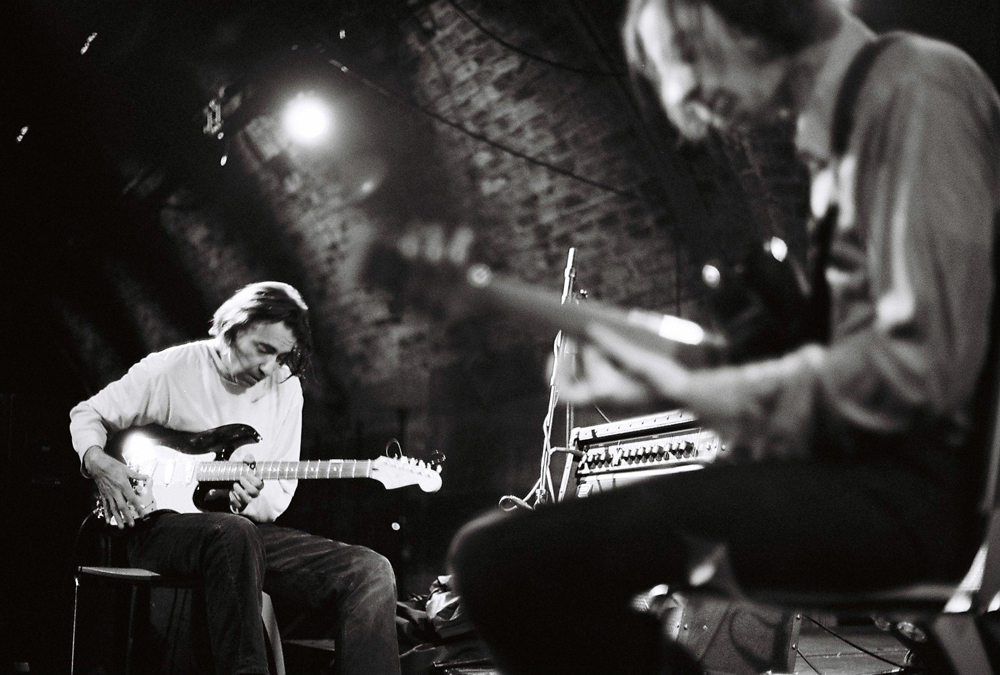
Performances at CCA Glasgow by Keiji Haino, My Cat Is An Alien, Taurpis Tula, Jandek with Richard Youngs and Alex Neilson.
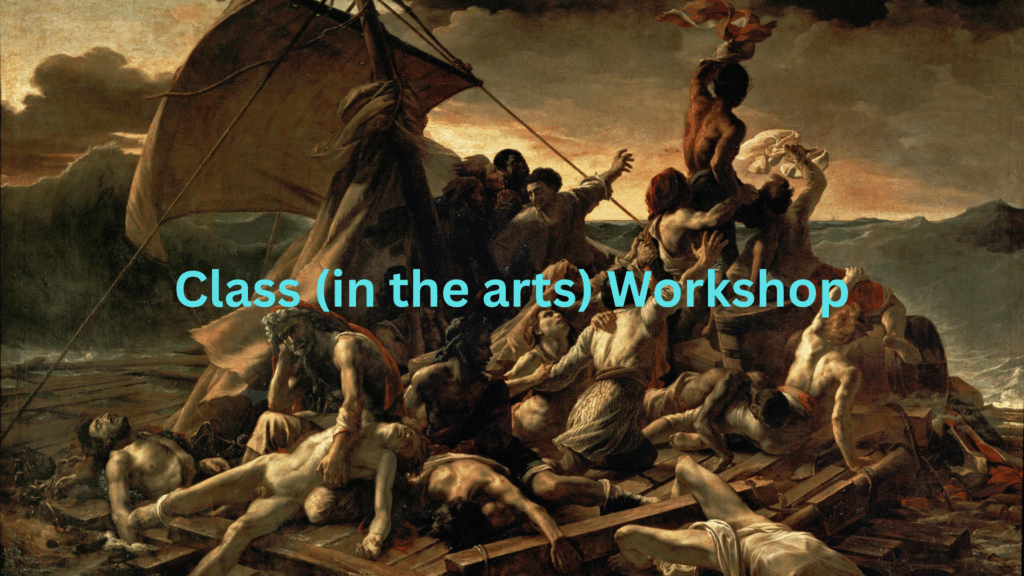
A 2-day workshop to deconstruct our classed experiences and the ways in which we reproduce the same class system we fight against, in order to create a stronger, more egalitarian Scottish art sector.
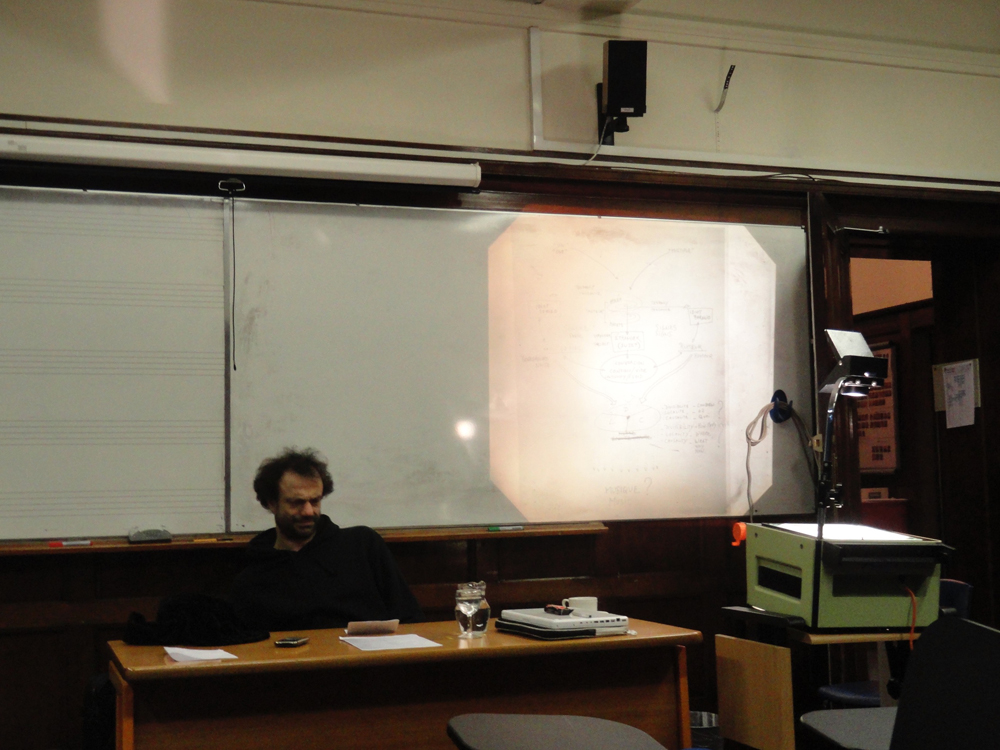
Jean-Luc Guionnet will be giving a talk as part of the music department’s ongoing series of colloquia.
Open-ended, paradoxical and performed investigations into: misunderstanding, language games, form saturated with sense, and consecutive matters…
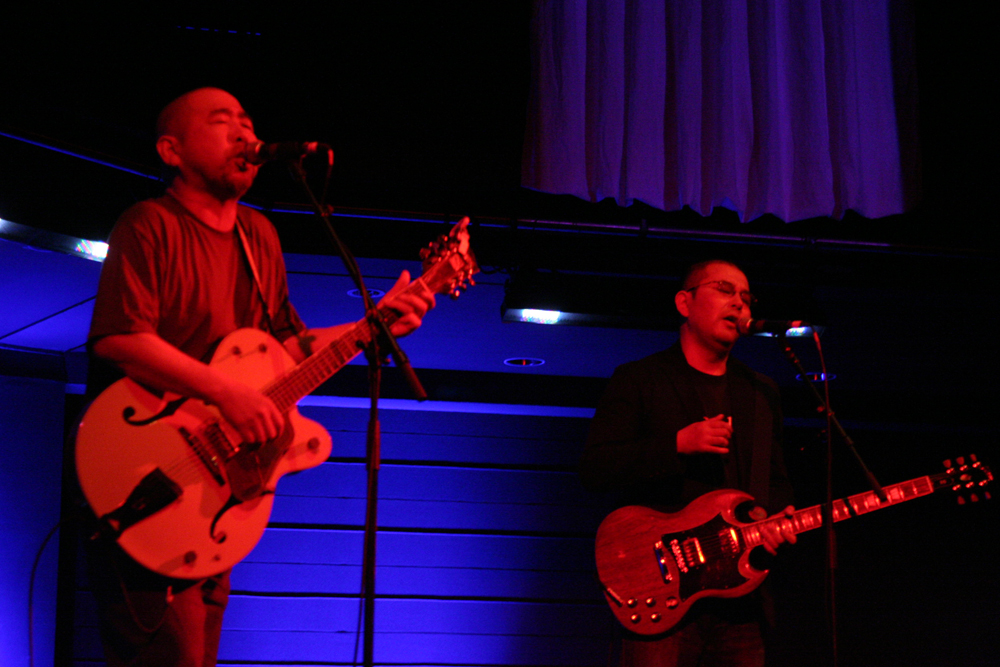
Folk poet, actor and bon viveur Kan Mikami in duo with Jojo Hiroshige, a founding member of Japanese Noise band Hijokaidan.
The program of composed music including Feldman’s Instruments III, Ligeti’s piece for 100 Metronomes Poeme Sympathetique, and Rebonds B by Iannis Xenakis.
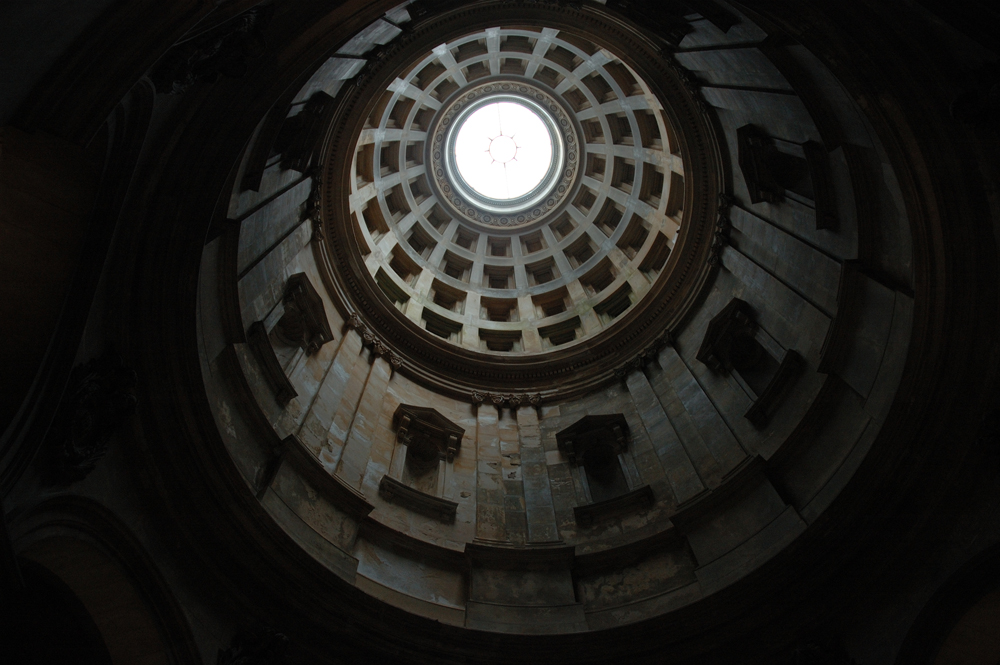
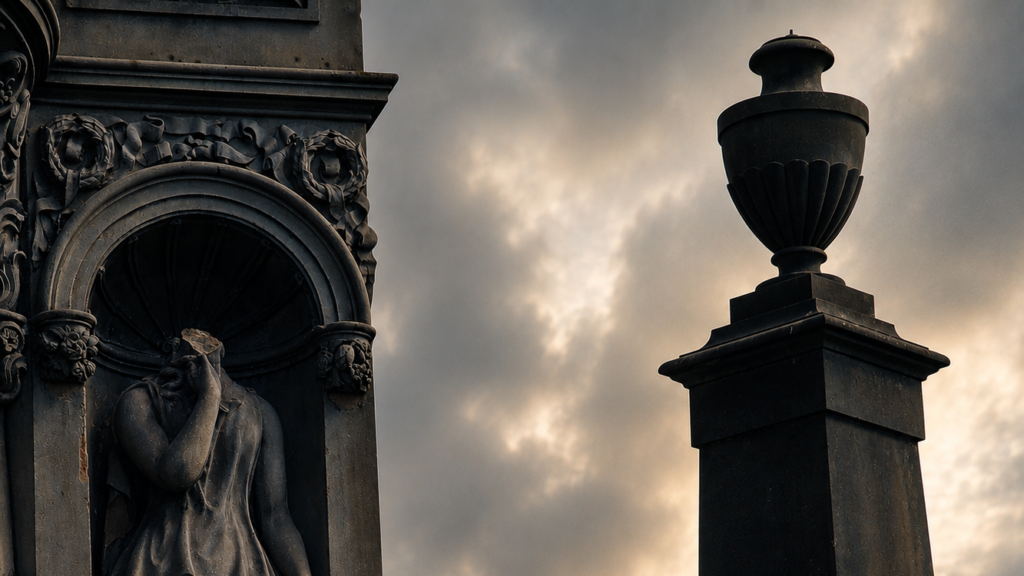
Chris Corsano, Akio Suzuki and John Butcher performing in the Hamilton Mausoleum, Hamilton.
An excavation of the 1805 Lock Hospital in Glasgow. Its official function was to support ‘unfortunate females with venereal disease’, but really what happened was that women and girls were marched in, experimented on, and often never released.
An utterly deep introspection told in aching, weeping guitar lines; melodic, simple, always minimal but somehow entirely epic.
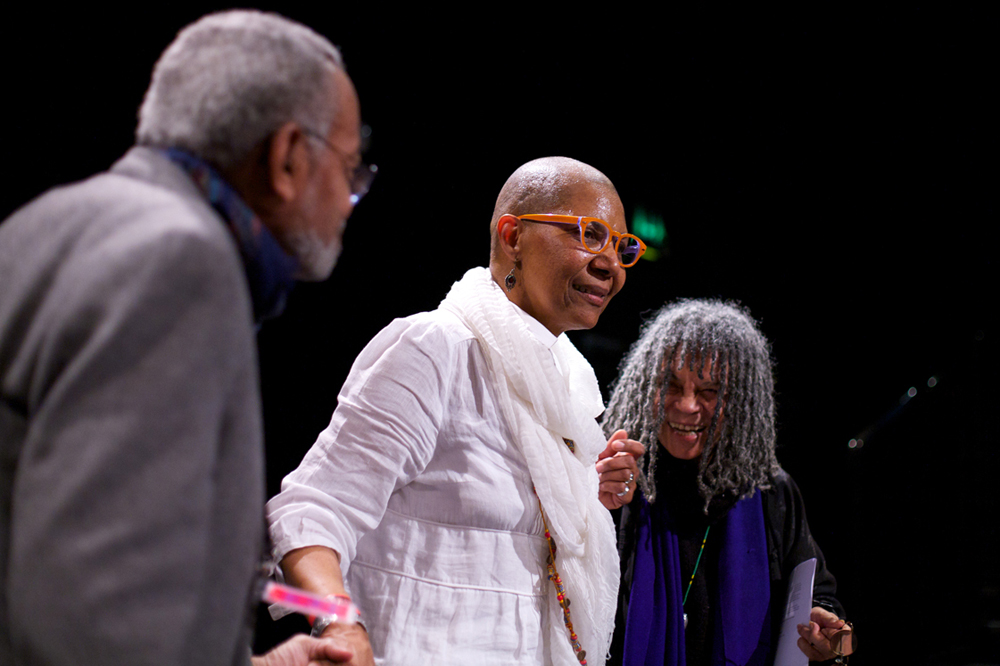
Can a collective performance of NourbeSe’s poem of black life as it exceeds containment enact alternative forms of selfhood that emerge in and out of African diasporic experience?