String Quartet
Neil Davidson
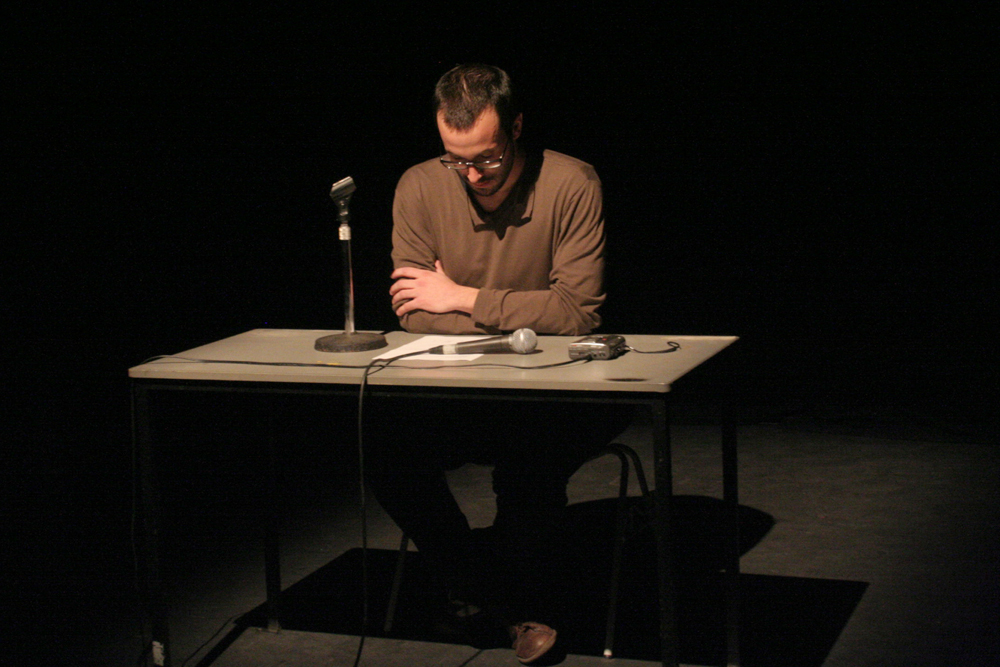
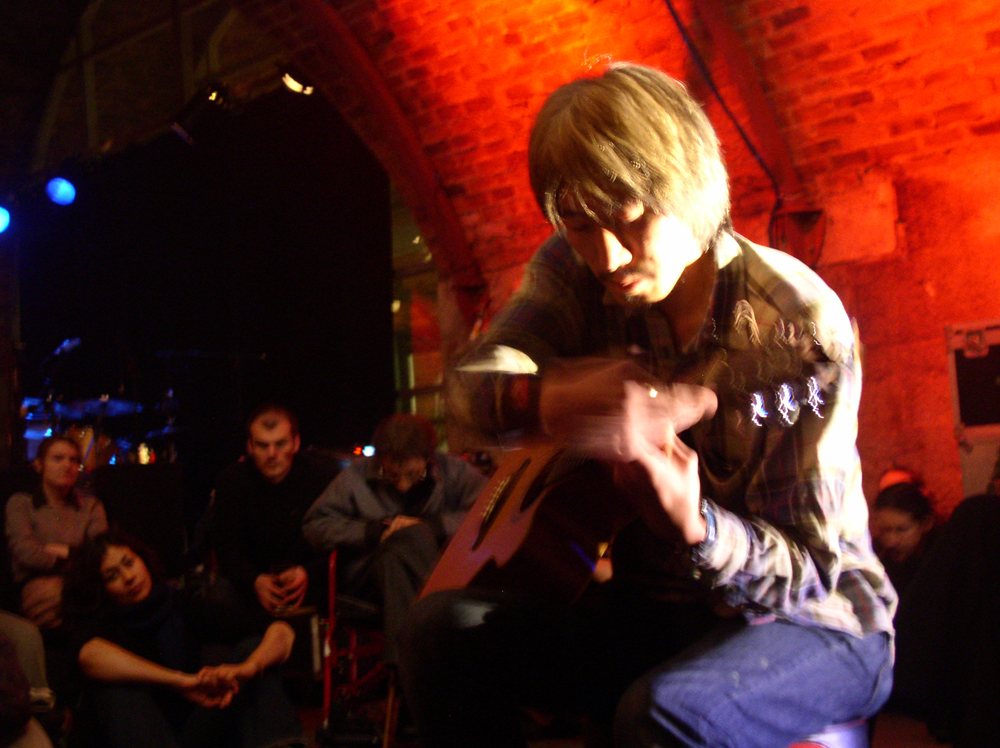
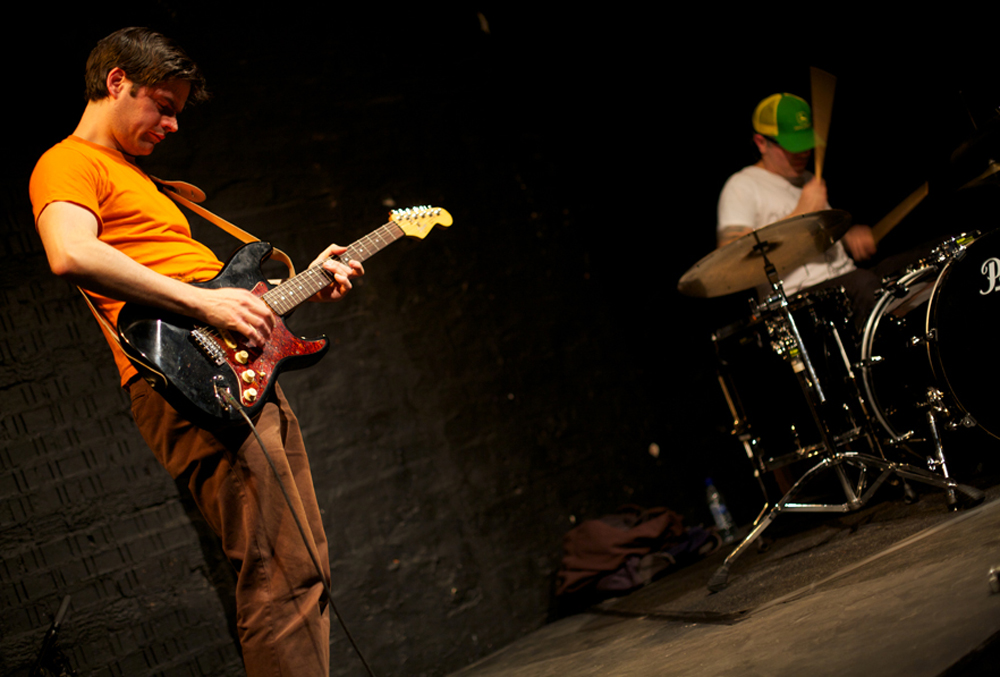
Three different performances variously featuring: Fritz Welch, loud drums, guitar, local collaborators, paper, memories, Roland Barthes, string quartets
Arika have been creating events since 2001. The Archive is space to share the documentation of our work, over 600 events from the past 20 years. Browse the archive by event, artists and collections, explore using theme pairs, or use the index for a comprehensive overview.
Three different performances variously featuring: Fritz Welch, loud drums, guitar, local collaborators, paper, memories, Roland Barthes, string quartets
Edinburgh. Nigh-inaudible improv jams with disabled instruments from the makers of Giant Tank and Pizza Boy Delivery.
Freeform Super 8mm documentation of Friday at Instal 06 by filmmaker Matt Hulse.
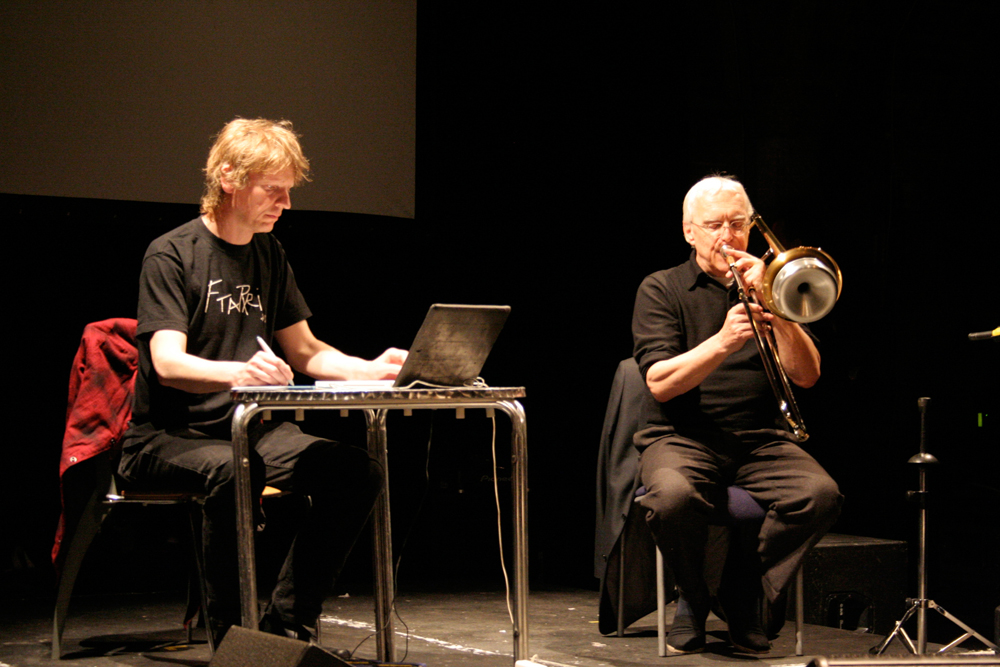
Radu plays a trombone, Klaus creates pure sine waves: they sound on their own, or sometimes together and often with considerable space and silence.
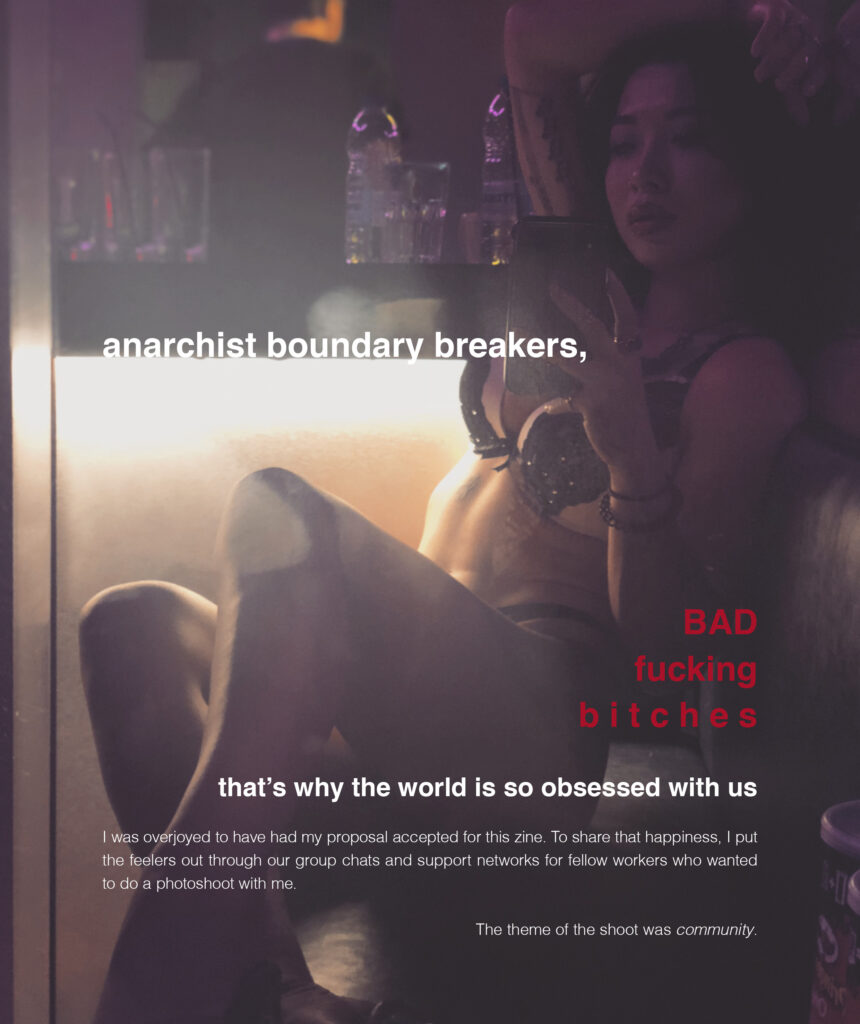
The Truth and Lies book project emerges as part of a rising tide of sex worker art and organised struggle to end criminalisation and stigmatisation of sex work.
How can we imagine bodies not as an end in themselves, but as a medium through which we can become one another’s means?
Open-ended, paradoxical and performed investigations into: misunderstanding, language games, form saturated with sense, and consecutive matters…
A trio of Tamio’s screaming and immovable slabs of sound; Mico’s dance/ performance/ piano; Fritz’s absurd, flailing percussion/ voice.
An contradictory guitarist, he’s equally at home in slow, halting acoustic improvisation or piercing minimal examinations of electric guitar.
In the Foyer at the Tramway we will screen a documentary from the Sex Workers’ Festival of Resistance 2017 and La Llamada by Eduardo Restrepo Castaño.
A panel exploring the radical potential of technologies through fugitivity and opacity: their ability to obscure, to make it impossible for us to be known, to render us untraceable by every arm of the state even under the all-consuming spectre of surveillance capital.
Rather than asking the state for services, what kinds of change are made possible when we prioritise people supporting each other?