JILAT
JLIAT / James Whitehead
UK conceptual/ drone/ noise artist, who is seriously posing what might seem to be unanswerable questions of music.
Arika have been creating events since 2001. The Archive is space to share the documentation of our work, over 600 events from the past 20 years. Browse the archive by event, artists and collections, explore using theme pairs, or use the index for a comprehensive overview.
UK conceptual/ drone/ noise artist, who is seriously posing what might seem to be unanswerable questions of music.
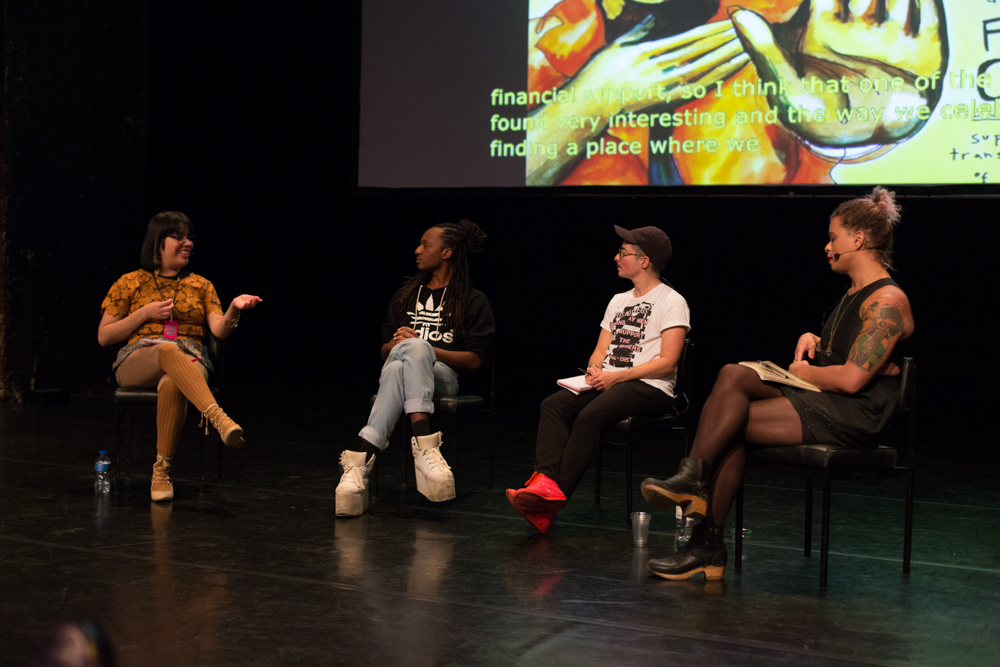
Underlying radical transfeminism, as an urgent critique of binary essentialism and fixed identities, is the call for a new kind of thinking that can move between and integrate the truths of all lives in their transformations.
This set continues on from the Bud Neill inspired clatter using the contents of the Usurper twin’s pockets.
Work for cello, percussion, contra bassoon and cherbulum commissioned for Instal in collaboration with Paragon
Solo by Jean-Philippe Gross, a French electro-acoustic improviser, working with mixing board, cheap mics, small speakers and an analog synth, built around a honed interest in feedback.
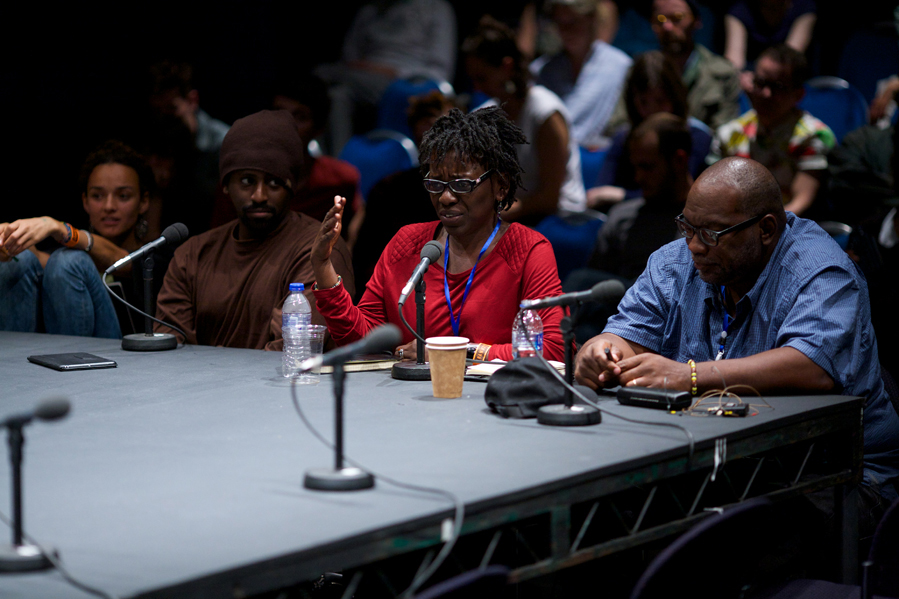
Discussion: If we approach “care as an event” rather than as a “contract of exchange” then what becomes possible in how we know, care for, and appreciate each other?
Ever changing coven of feedback worshipping witches led by Blood Stereo/ Smack Music 7 shrieker Karen Constance spit audio hexes through yr skulls.
The club as a community and a site for performed politics: deep/ queer house, vogue femme, lipsync and ballroom.
I wanna be with you everywhere was a gathering of, by, and for disabled artists and writers and anyone who wanted to get with us for a series of crip meet-ups, performances, readings and other social spaces of surplus, abundance and joy.
Join Umbrella Lane and special guest migrant trans sex workers in a community discussion about the points of intersection in LGBT people’s rights and sex worker’s rights.
A stroboscopic and intense sensory overload of flashing abstract forms, cut to ribbons by modified projectors.
What might Carter and Parker’s collaboration tell us about our own performances of responsibility and liberty, whether individual, social or musical?