Rauhan Orkesteri
Rauhan Orkesteri
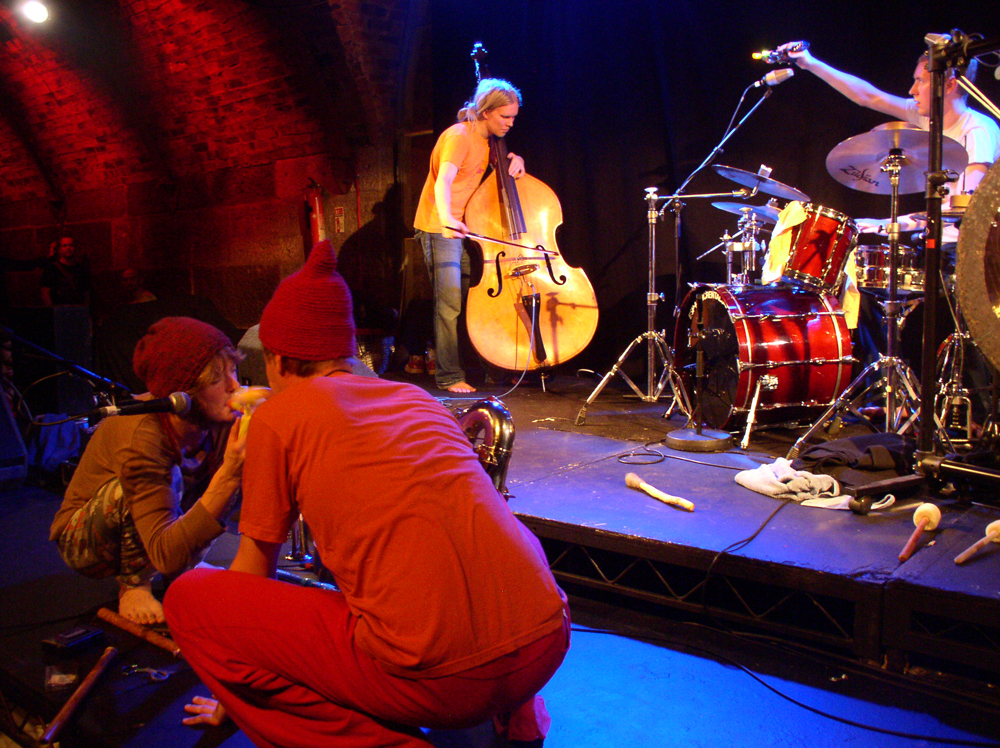
Captures the creak and rustle of the forest, with an exhilarating tension let loose in unconfined maniacal and bare-knuckle group thinking.
Arika have been creating events since 2001. The Archive is space to share the documentation of our work, over 600 events from the past 20 years. Browse the archive by event, artists and collections, explore using theme pairs, or use the index for a comprehensive overview.
Captures the creak and rustle of the forest, with an exhilarating tension let loose in unconfined maniacal and bare-knuckle group thinking.
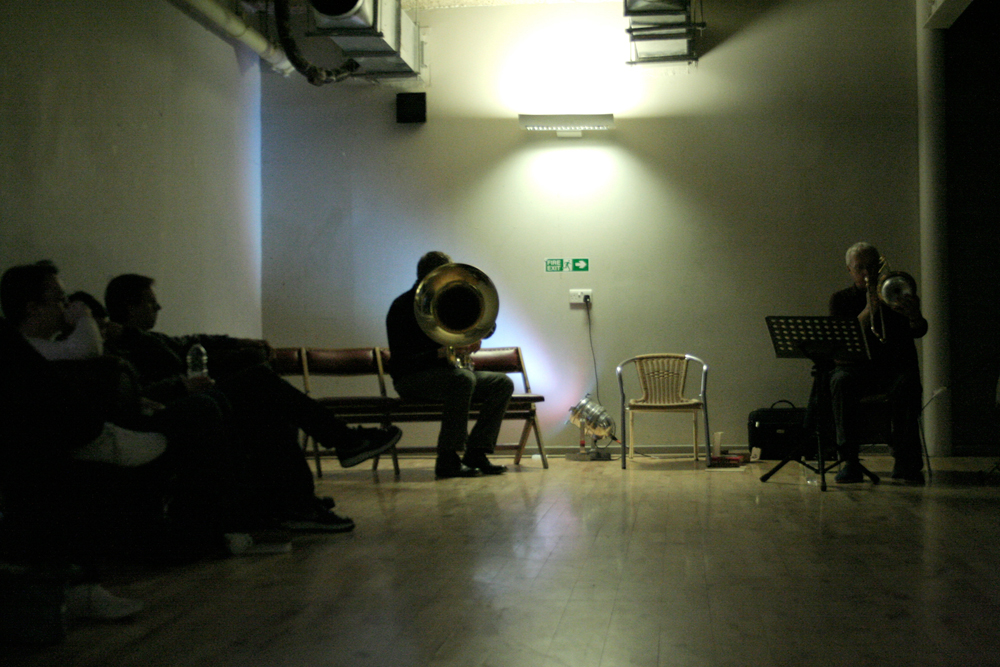
Expansive and considered, inclusive and deeply human minimalism: Antoine Beuger, Radu Malfatti, Manfred Werder.
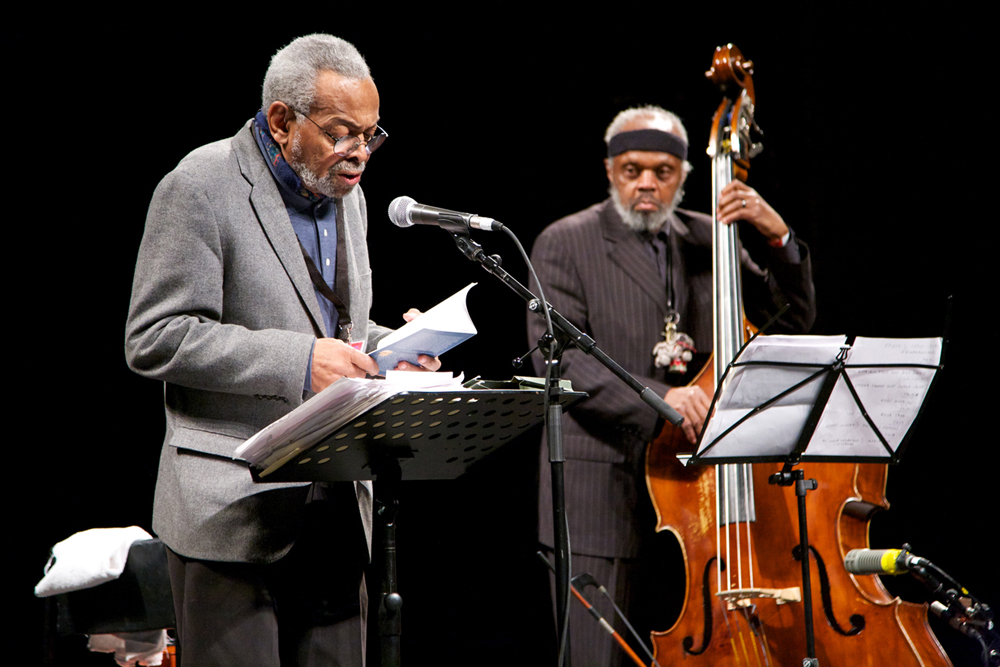
A dialogical meeting of Baraka’s radical poetry and Grimes’ free jazz syncopation.
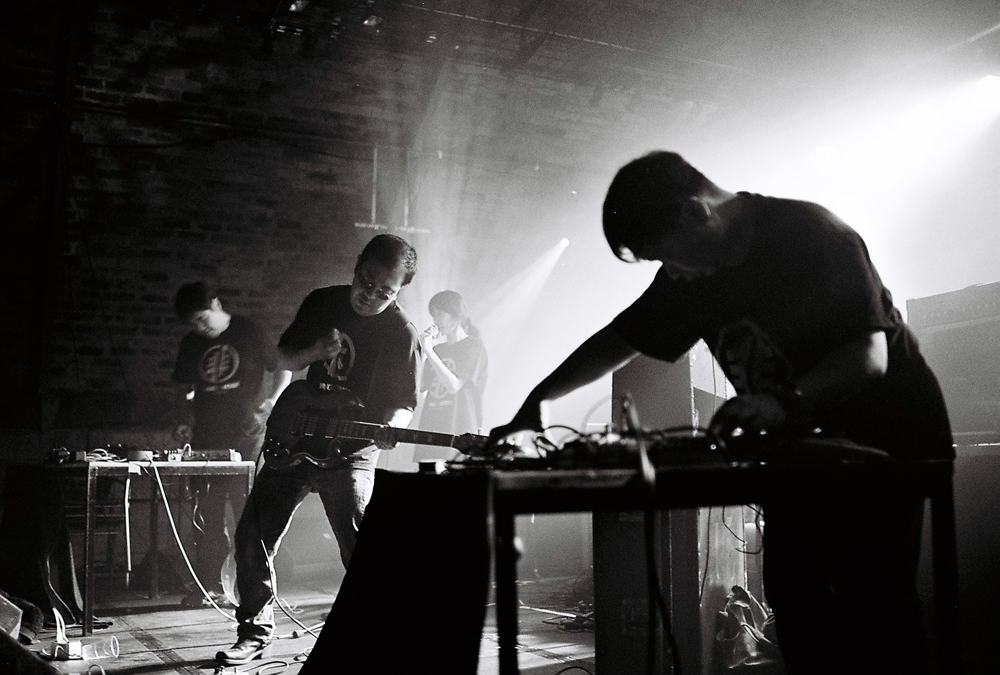
Hijokaidan rapidly built a following due to the overwhelmingly physical intensity of their live performances, often involving destructive onstage rituals of vomit, urine, mangled guitars and ear shredding volume.
One of the most influential groups in improvised music, with the collective understanding that comes from listening keenly to each other for decades
Why won’t the idea of the particle or individual go away? Is the measurement problem in physics a documentary film issue? What can a human be without its crutches of life-time and measure?
Social and party with all proceeds going to the Unity Centre, featuring DJ SETS with Dj@Christelle, DJ D-Harsh, Nena Etza & Moor Mother.
Can we find ideas of queer anarchism, failure and low theory in popular culture?
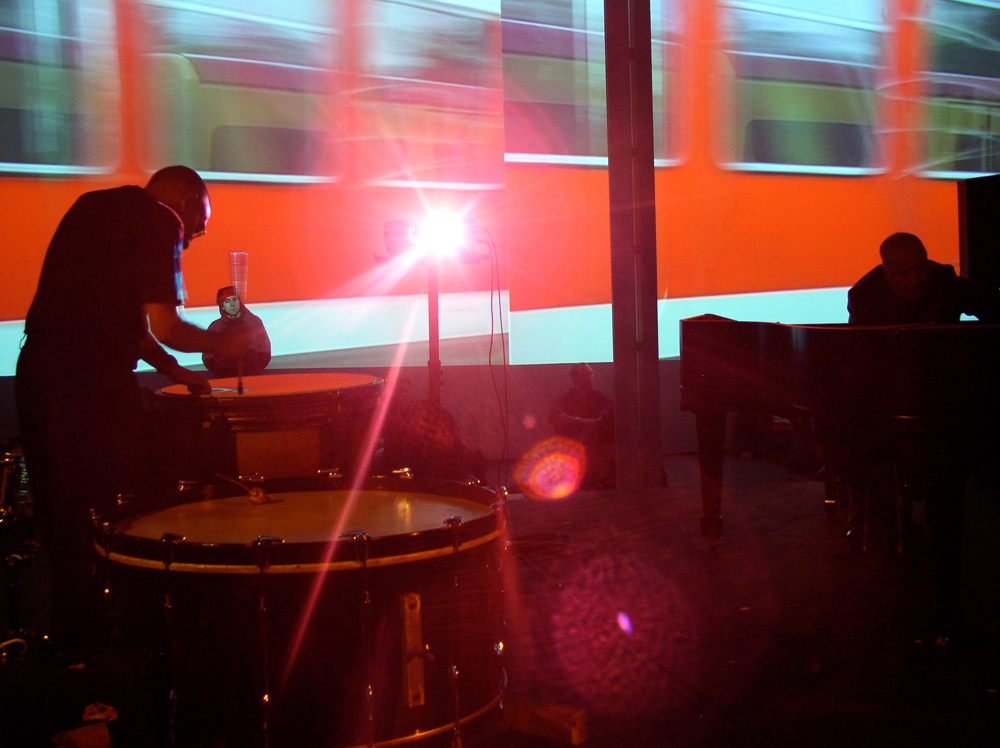
The final iteration of Arika’s INSTAL festivals, the 2010 edition was an experimental festival of experimental music – 3 days of events at the Tramway that explored un-average ideas about sound and music.
Electronic music, time, thought, the word, and consecutive matters
A programme that looks at how sound and image can be treated as variants in a collection of ordered objects; at how to create meaning from the similar, and to notice difference.
Final workshop exploring work, care and class. Does the ‘care industry’ summon forth its own class? Can this ‘affective class’, in their ability to care for others, militate against the carelessness of self-interest?