Shutter Interface
Paul Sharits
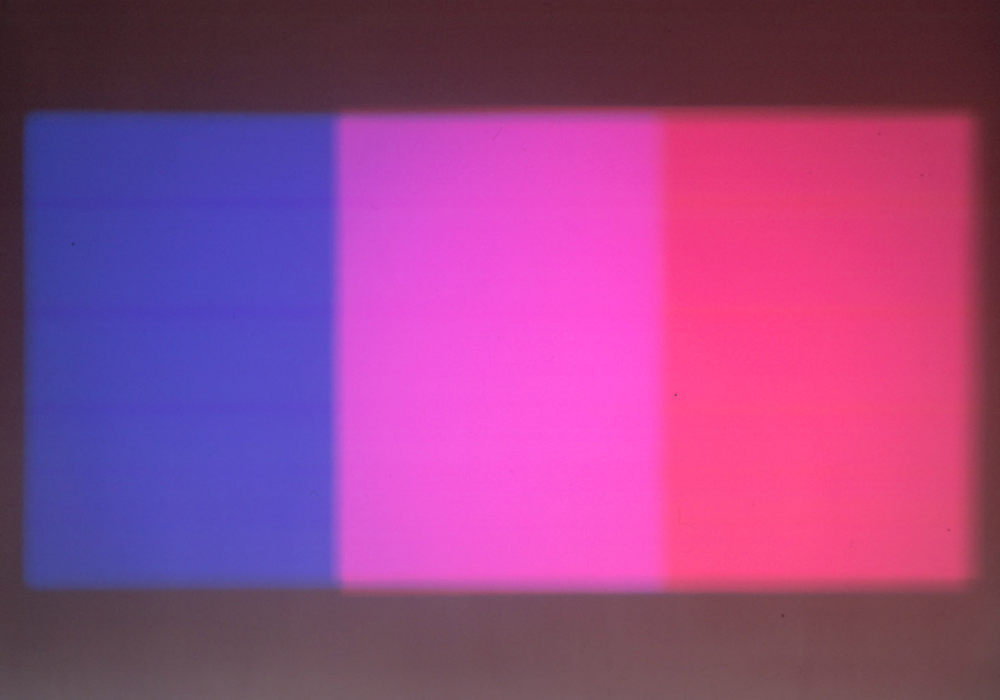
Shutter Interface is an expanded cinema piece: a series of machinegun bursts of chromatic relationships and visual harmonics in an overwhelming montage
Arika have been creating events since 2001. The Archive is space to share the documentation of our work, over 600 events from the past 20 years. Browse the archive by event, artists and collections, explore using theme pairs, or use the index for a comprehensive overview.
Shutter Interface is an expanded cinema piece: a series of machinegun bursts of chromatic relationships and visual harmonics in an overwhelming montage
Trans-temporal drag, sexuality and the re-staging of illegible moments in history.
Akio Suzuki and John Butcher performing in an abandoned oil tanker on Hoy.
What is happening when systems of repression try to grasp communities’ ways of being, living or surviving, applying laws of sexuality, gender or race to cast them as criminal?
For day three of Ultra-red’s project, the investigation will take up protocols for listening to the sound of freedom composed and facilitated by Nancy Nevárez.
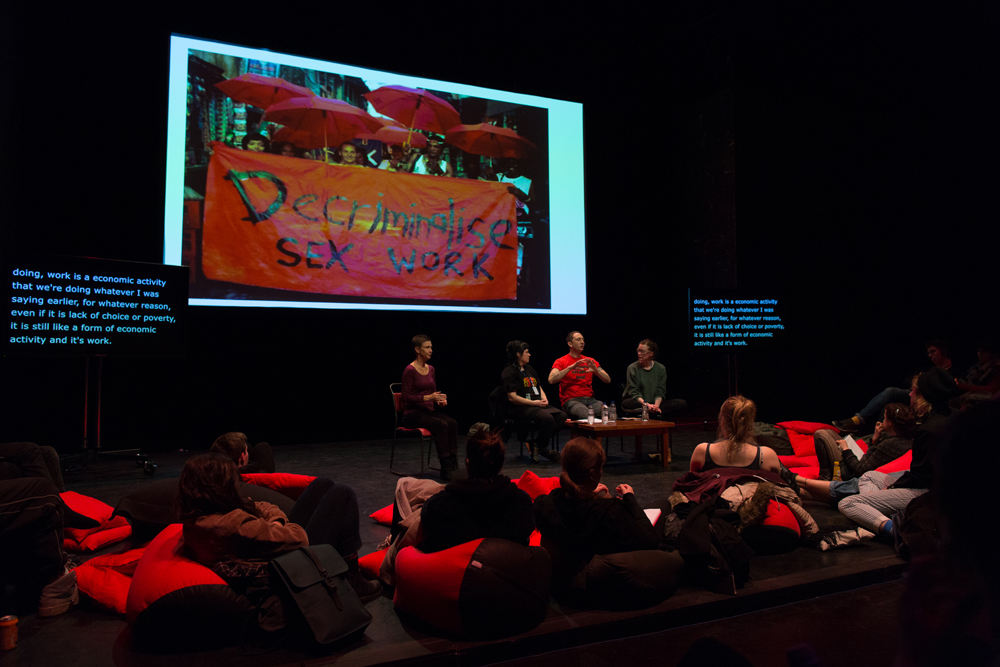
The struggle for sex workers’ rights and how we can understand it in the continuum of care work and other forms of invisibilised and precarious work.
Juliana’s performances chart the dissonant space and discrepancy between the presumed fixed norms of social life and the fluid lived experience those norms don’t allow for.
How do grassroots feminist organisations strategise relationships between mothers, parents, carers and their children based on respect and empowerment, in resistance to the practice of putting children in often the most uncaring of places – care.
A system in which film is projected onto copper strips, captured again and then re-projected as video, somehow transforming the original imagery into molasses-slow, molten and incredibly tactile flickers of colour and light.
Hartmut is going to talk a little about his work at large and the politics of how his films are constructed. And we’ll screen one of his best films: B-52.
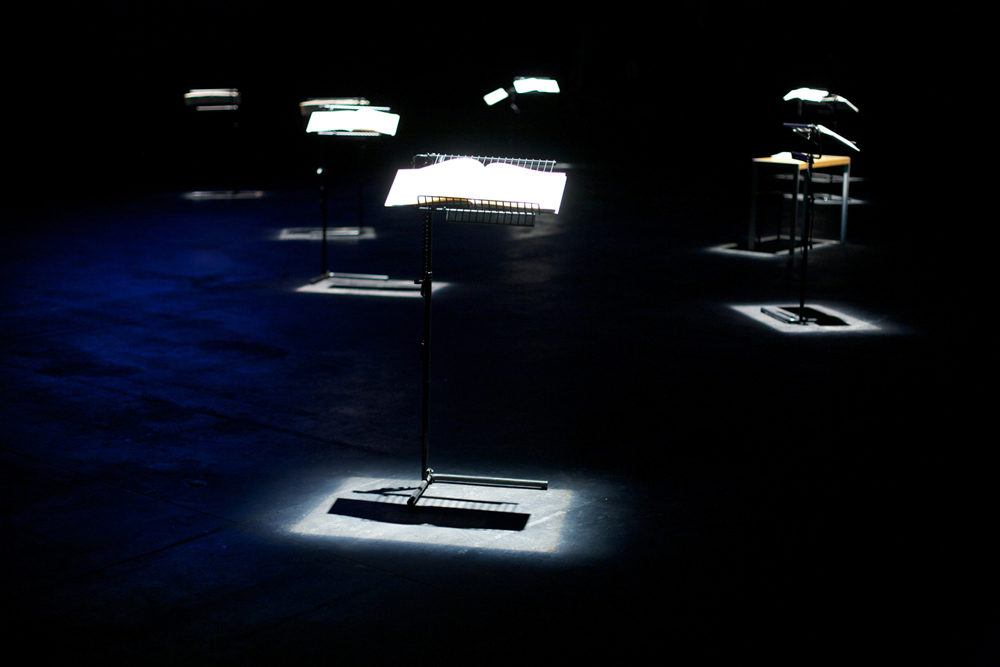
‘Ten Pieces in the Form of Painful Variations’ for piano, an impossible score that looks like a grapeshot musical stave, a text of barbed loathing and doubt – an anti-composition.
How can we imagine bodies not as an end in themselves, but as a medium through which we can become one another’s means?