Talk Hosted by Byron Coley
Byron Coley Daniel Carter Sabir Mateen
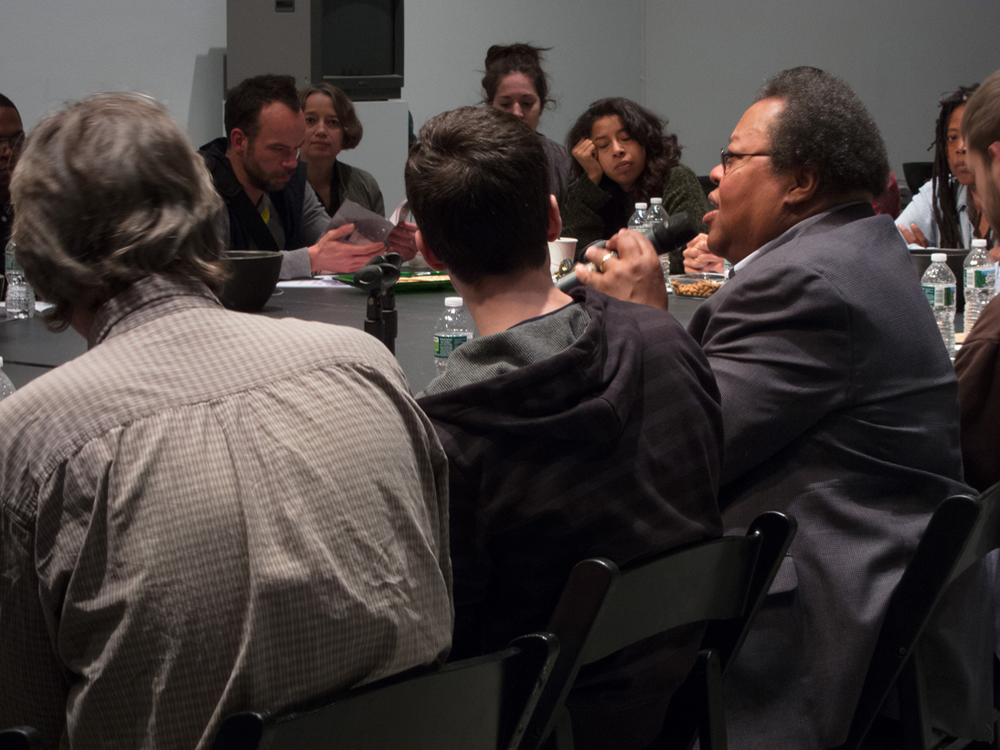
Free-jazz chat with Sabir Mateen, Daniel Cater, Andrew Barker – hosted by Byron Coley.
Arika have been creating events since 2001. The Archive is space to share the documentation of our work, over 600 events from the past 20 years. Browse the archive by event, artists and collections, explore using theme pairs, or use the index for a comprehensive overview.
Free-jazz chat with Sabir Mateen, Daniel Cater, Andrew Barker – hosted by Byron Coley.
For day one of Ultra-red’s project, the investigation will take up protocols for listening to the sound of freedom composed and facilitated by George E. Lewis.
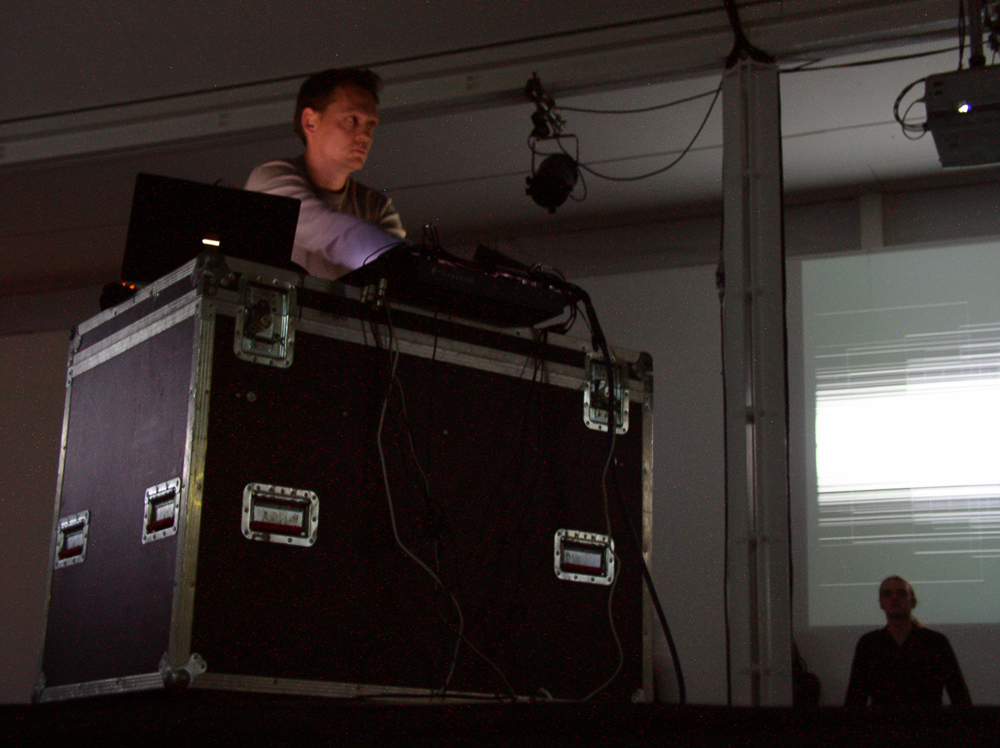
60 cycle hums, jagged static cracklings, and clipped electron pinpricks, mutating them into sublime, post-techno grooves
An excavation of the 1805 Lock Hospital in Glasgow. Its official function was to support ‘unfortunate females with venereal disease’, but really what happened was that women and girls were marched in, experimented on, and often never released.
Sound and image slipping out of synch and into discord, the programme includes (in London at least) a very special version of Hollis Frampton’s masterful (nostalgia) with a live narration by Michael Snow.
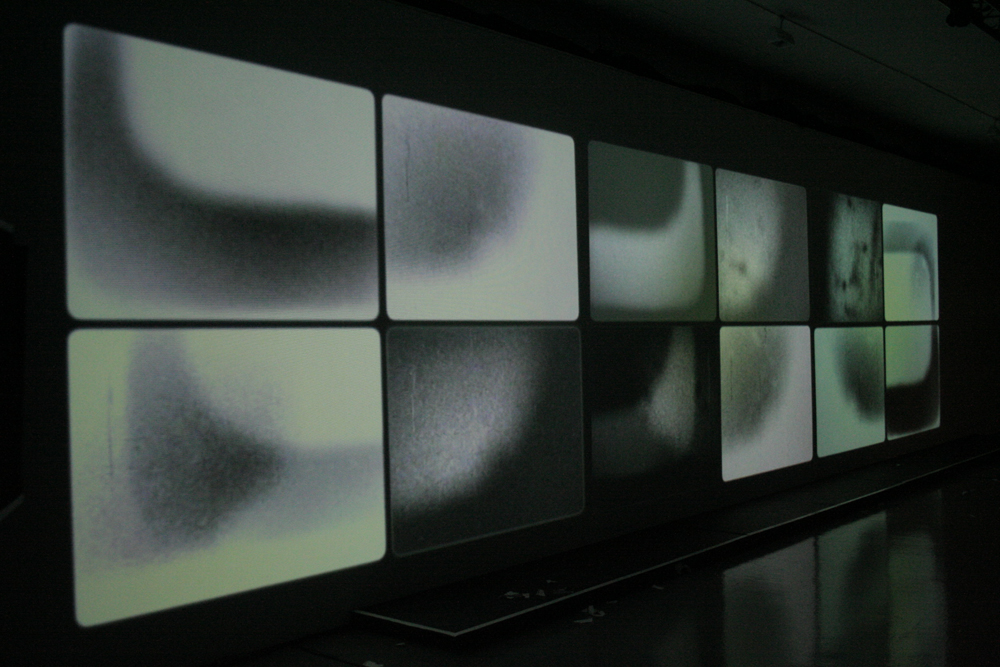
A poetic multi-screen performance about “the inadequacy of the arbitrary passing moment and the impossibility of permanence”. About time and change.
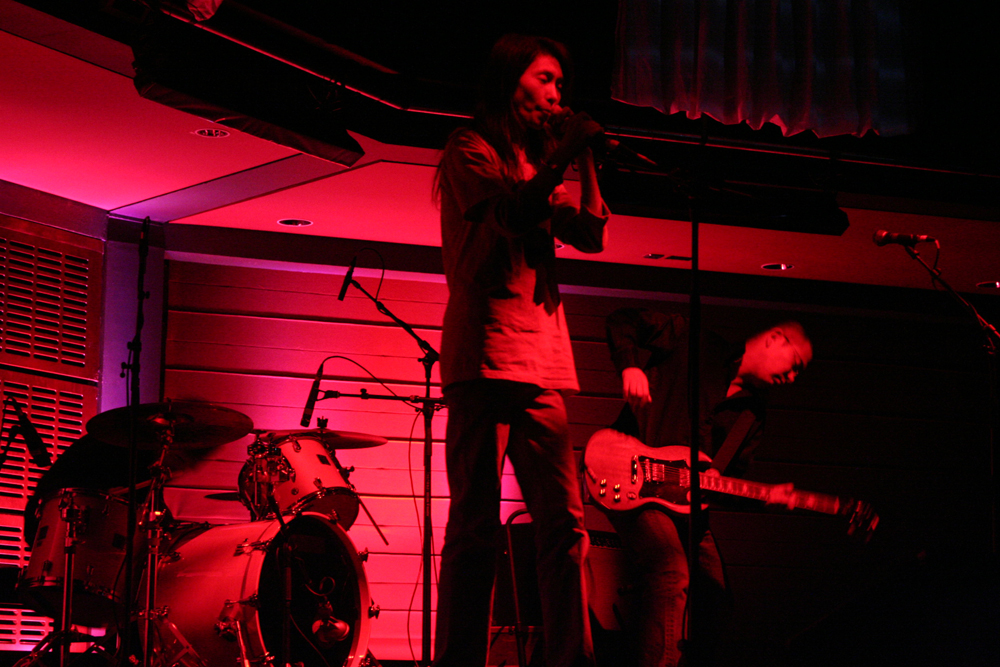
Three iconic figures from the Japanese underground assembled as a trio to stand in for the advertised duo of Junko and Jerome Noetinger who was unable to attend the festival due to illness.
A collaboration bringing together artists with a shared gravitational heft to their work; an intense and concentrated accumulation of detail and power.
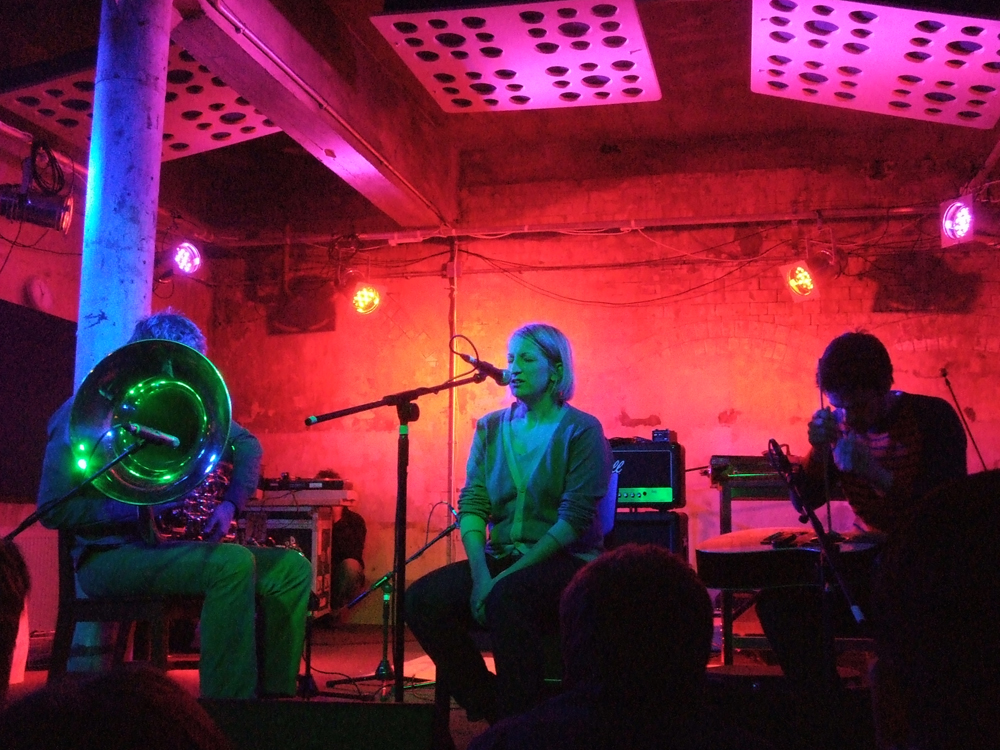
Sparse and miniature free thought workouts involving guitar, vocals and tuba.
A meditation on how all of us perform — sometimes reinforcing, sometimes subverting — the shifting categories of gender, sexuality and race.
A recorded a conversation that grounds the Episode, exploring Ailton Krenak’s thinking and distinct poetics of life; as it work against capitalism and fascism, as a denunciation of political alliances, and maybe even of ‘politics’.
A double bill of Morgan Fisher films that ask what can be achieved by a simple structural method of commenting on scraps of 35mm film, re-shot on 16mm film and what happens to meaning (if anything) when ‘insert shots’ are relieved of their original duty of providing crucial plot development for a variety of other movies?