Exias-J
Exias-J
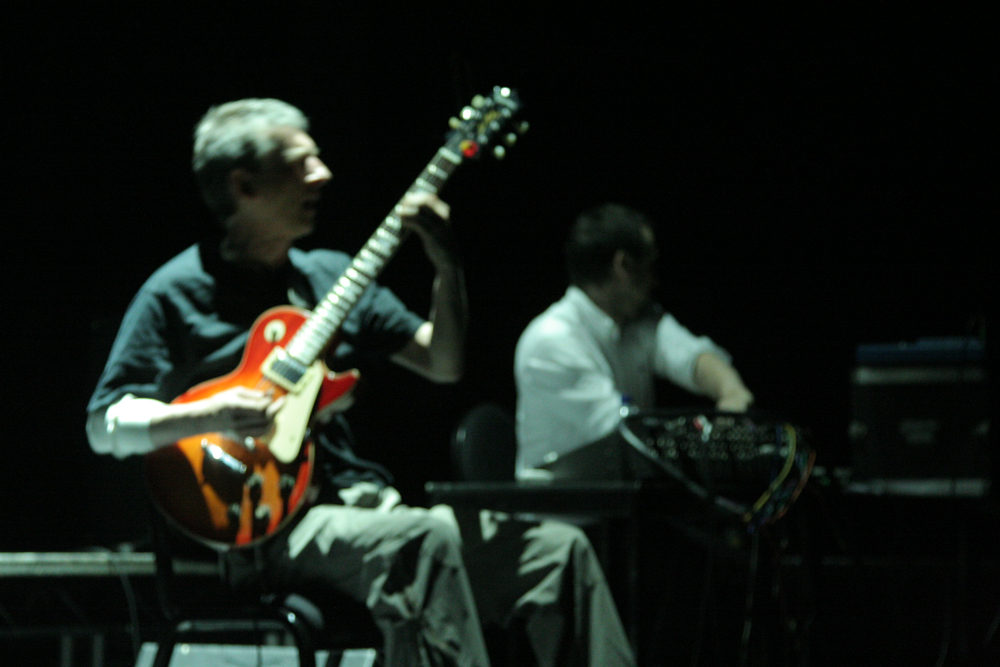
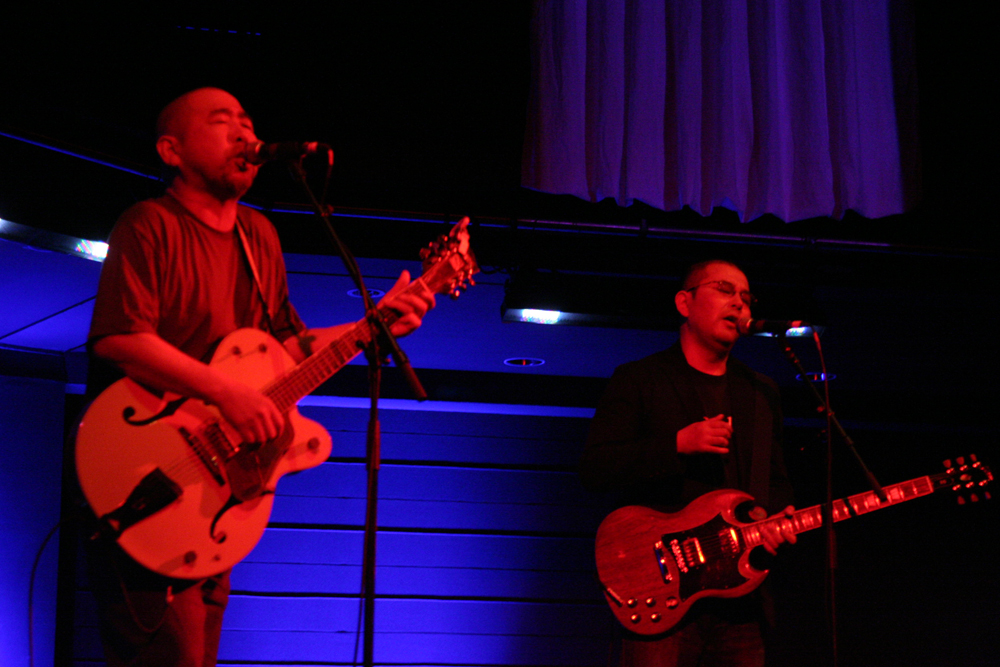
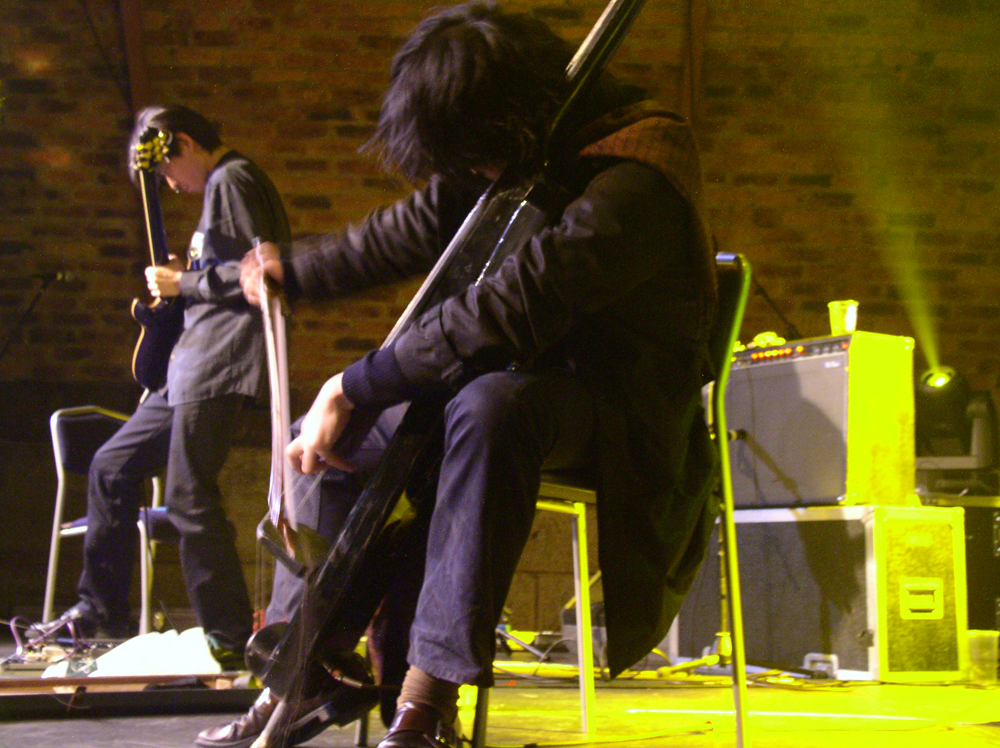
The Experimental Improvisers Association of Japan, [EXIAS-J] are a loose collective of musicians and dilettantes who seem to represent an entire and self sufficient scene in one band.
Arika have been creating events since 2001. The Archive is space to share the documentation of our work, over 600 events from the past 20 years. Browse the archive by event, artists and collections, explore using theme pairs, or use the index for a comprehensive overview.
The Experimental Improvisers Association of Japan, [EXIAS-J] are a loose collective of musicians and dilettantes who seem to represent an entire and self sufficient scene in one band.
Three (thankfully short) chats wherein we try and get at what’s eating us with regards to experimental music, and what we think might be worth salvaging.
A dismantled, performed film, where a narrator pieces together the sounds, images and storytelling of a documentary about Hurricane Katrina before a live audience.
A preposterously heavy, eye of the storm musical tug of war, in which two drummers, electronics and electric guitar fall over each other in a droning crush.
Freak-out group for the 21st century perform a live soundtrack to Ira Cohen’s infamous psychedelic masterpiece ‘The Invasion of Thunderbolt Pagoda’
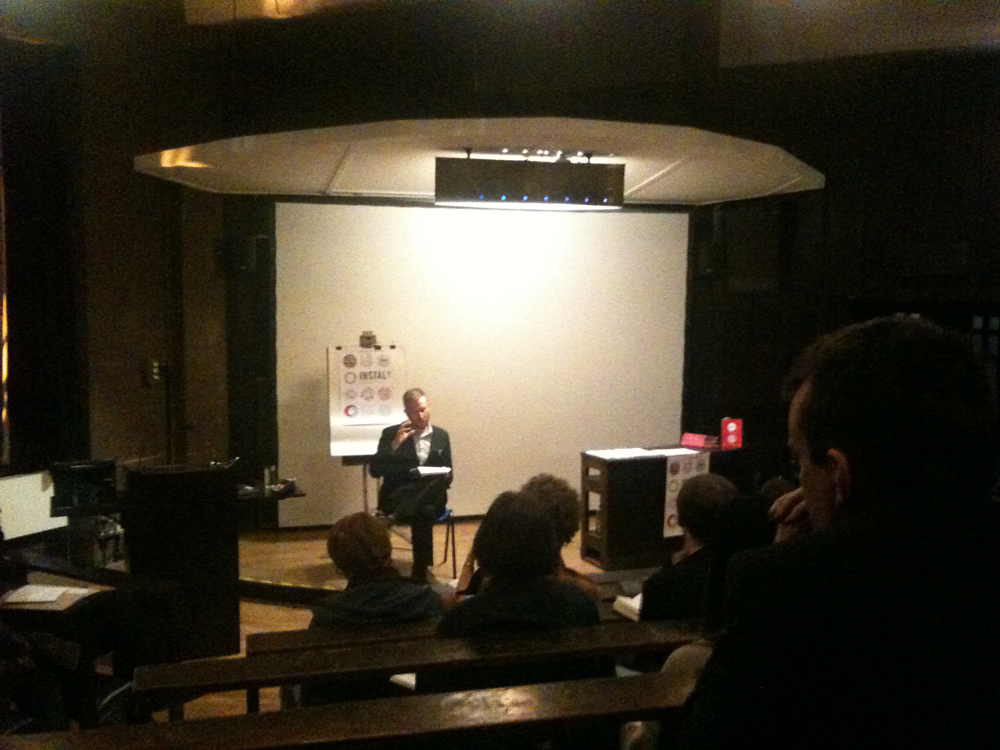
A kind of an informal overview of INSTAL.
Folk poet, actor and bon viveur Kan Mikami in duo with Jojo Hiroshige, a founding member of Japanese Noise band Hijokaidan.
Criminal Queers visualises a radical trans/queer struggle against the prison industrial complex, working to abolish the multiple ways our hearts, genders, and desires are confined.
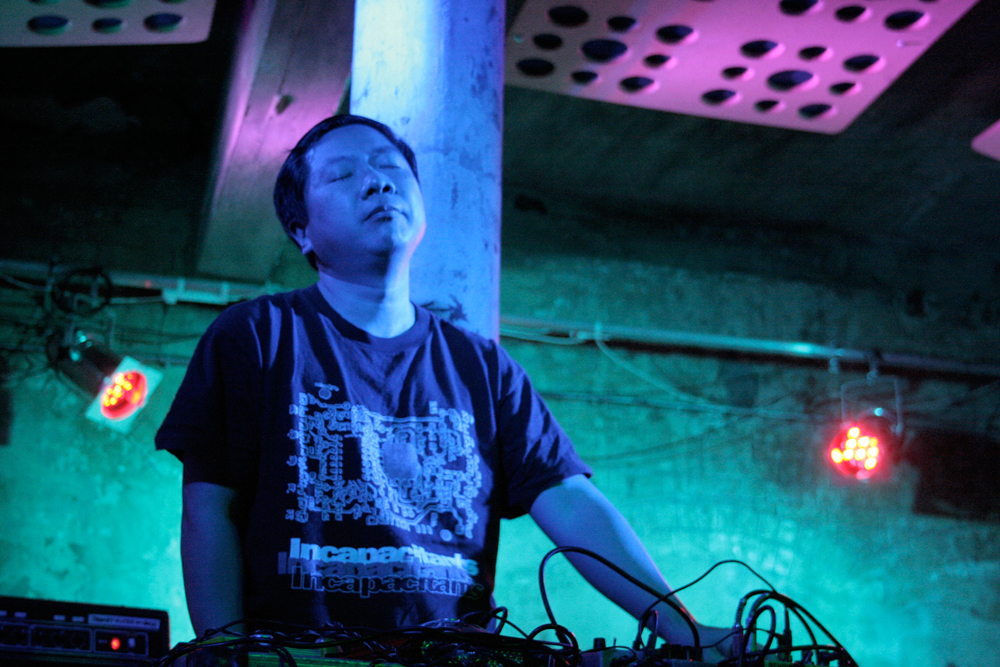
Ecstatic, scalding and ludicrously heavy, nobody matches Incapacitants for live noise energy. One of the most exhilarating live acts in underground music.
Koji Asano, Japanese composer and sound-artist performing slow groaning burbling tones, moaning echoes and drones.
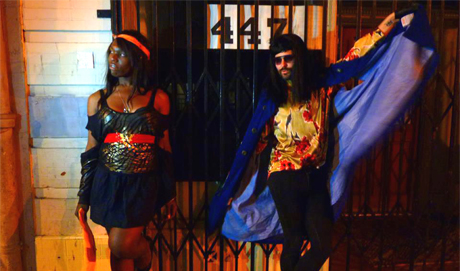
Blood Stereo & Ludo Mich: linking past and present generations of DIY intuitive expression in a post fluxus ‘big mess’.
The second in a series of workshops for workers and non-workers who care. What does the sharing of vulnerability entail? Can such a sharing inform progressive social relations?