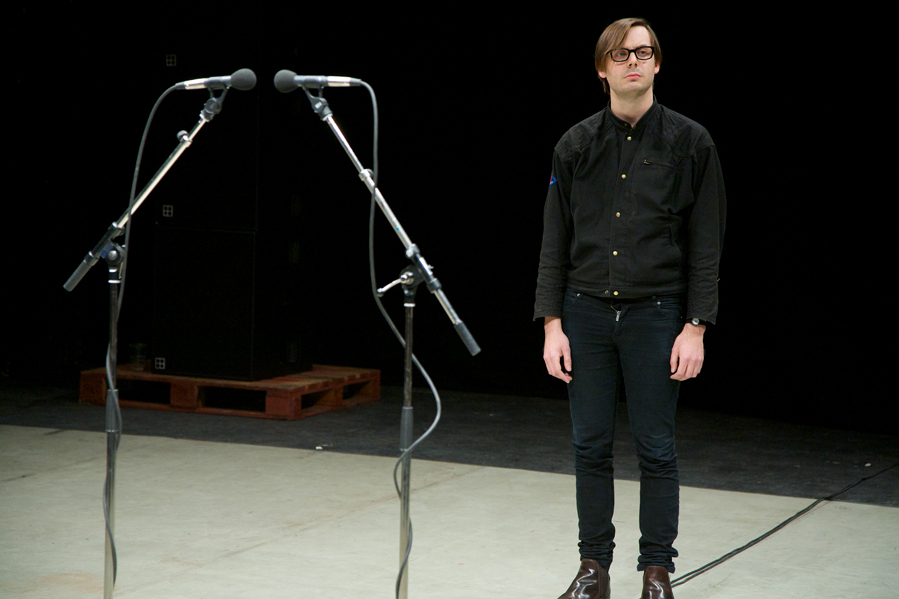
John Butcher & Ingar Zach
Ingar Zach John Butcher
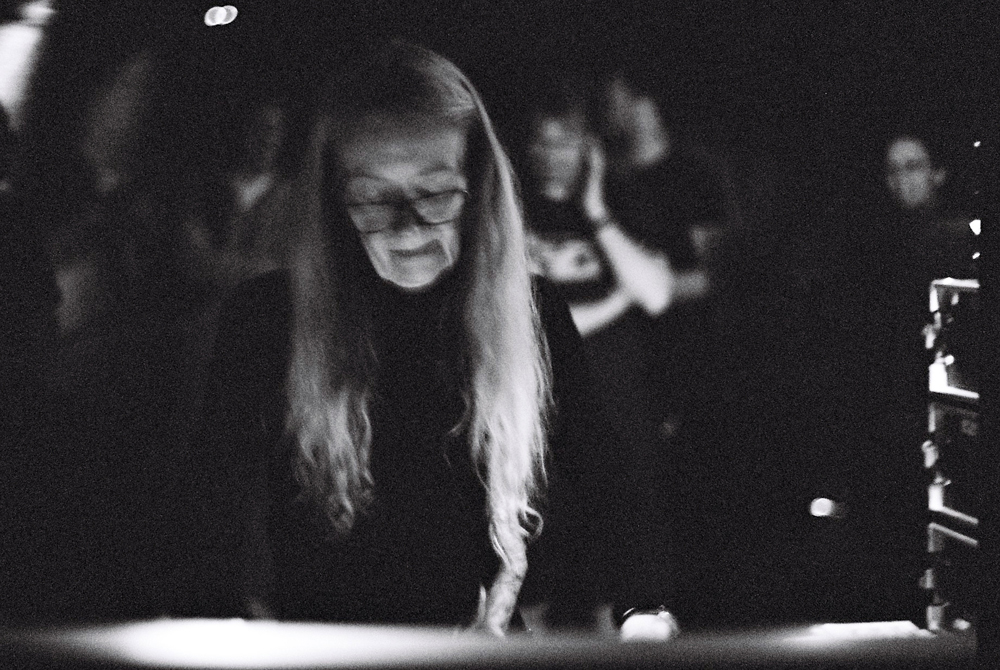
Originally billed as a duo of Ingar Zach and Derek Bailey, John Butcher stood in for Bailey at the last minute.
Arika have been creating events since 2001. The Archive is space to share the documentation of our work, over 600 events from the past 20 years. Browse the archive by event, artists and collections, explore using theme pairs, or use the index for a comprehensive overview.
Originally billed as a duo of Ingar Zach and Derek Bailey, John Butcher stood in for Bailey at the last minute.
A sort of prayer and conference, a sort of scream and dialogue – a monologue and declaration at the time, addressing how we can build complicity with one another.
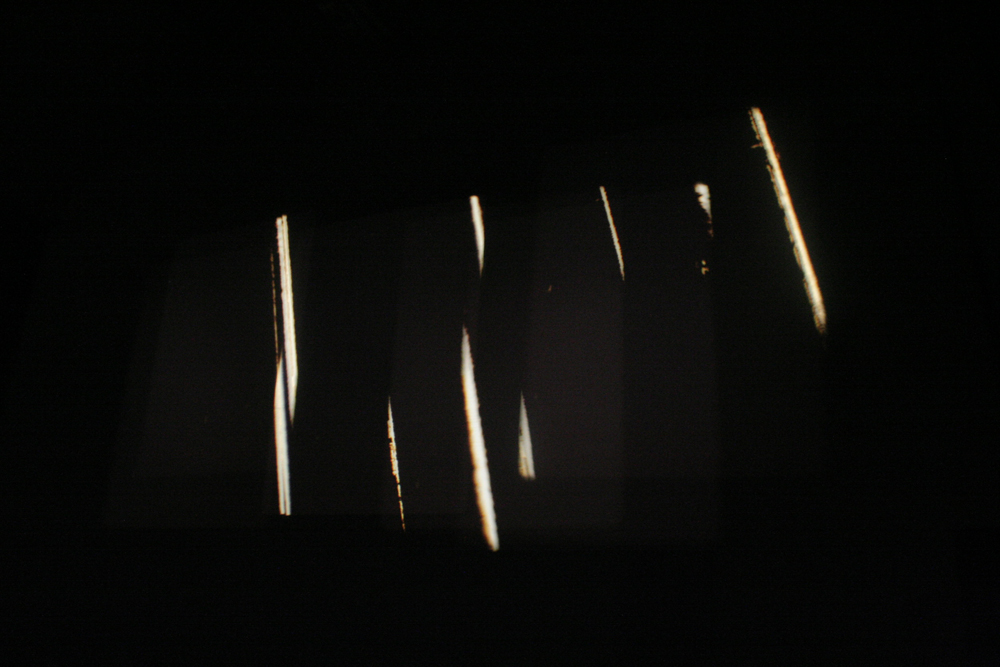
Out of a dark haze, shafts of light emerge, as the emulsion is scratched from the surface of the film. Simultaneously, out of the black silence, noise and audible scratches bloom into a bright drone.
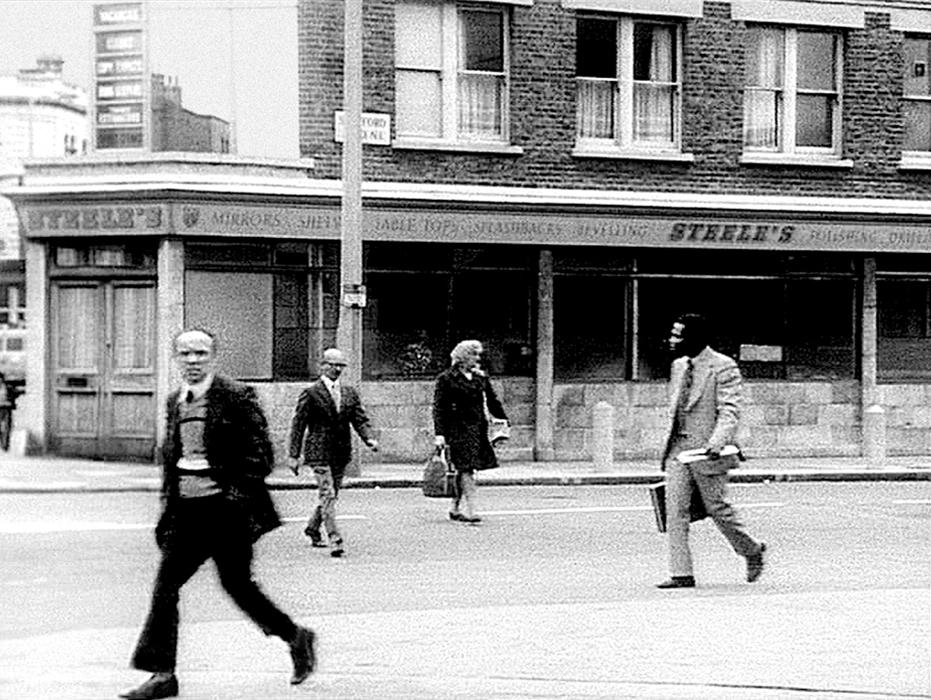
The first of two short film programmes featuring works that blur the boundaries between music and film from artists who cross and redefine those long held divisions. This programme focuses on the forebearers of filmic and musical innovation over the last 70 years.
How do communities practice being one another’s means, addressing their material problems facing them replicating the state’s violent logic of who is disposable.
Arika is working in partnership with Decriminalised Futures on a multi year collaboration featuring multiple creative projects exploring sex worker lives, experiences and movement struggles.
UK conceptual/ drone/ noise artist, who is seriously posing what might seem to be unanswerable questions of music.
Dworkin asks: What would a non-expressive poetry look like? A poetry of intellect rather than emotion?
What is happening when systems of repression try to grasp communities’ ways of being, living or surviving, applying laws of sexuality, gender or race to cast them as criminal?
A chat with Eugene Thacker. Can we rethink the world as unthinkable, and without us?
If life is assaulted by power, where do we find spaces for living? A conversation with Peter Pál Pelbart.
Can we find ideas of queer anarchism, failure and low theory in popular culture?