#BlackExcellenceTour
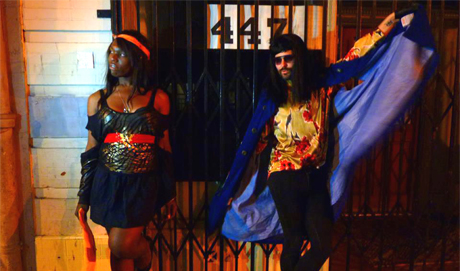
CeCe McDonald Joshua Allen
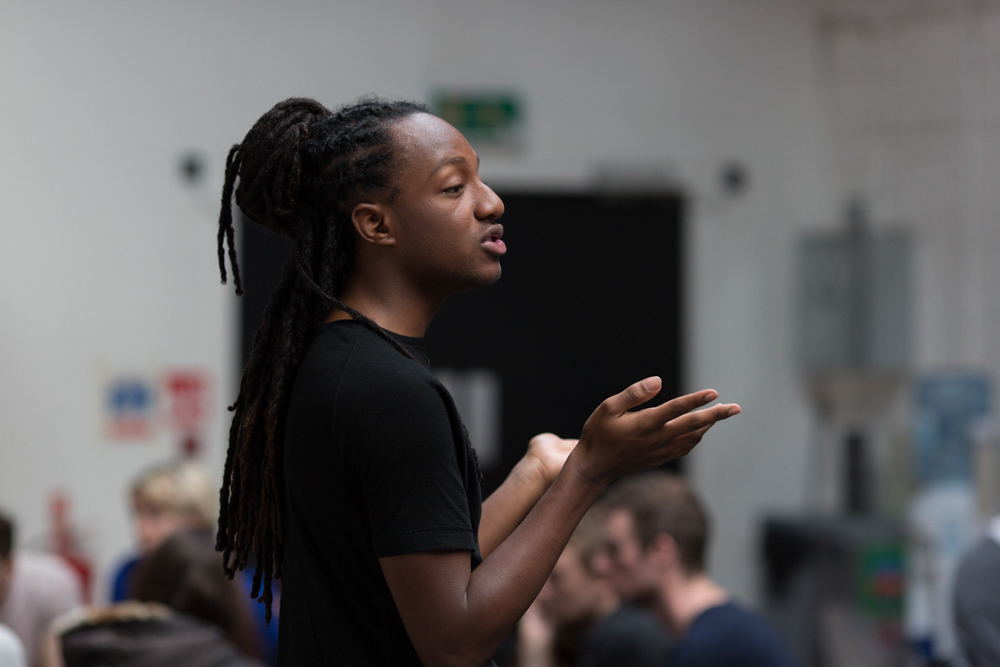
A collaborative social justice project that uses art, activism and awareness to combat the systemic oppression facing young, trans, queer & gender nonconforming people of colour.
Arika have been creating events since 2001. The Archive is space to share the documentation of our work, over 600 events from the past 20 years. Browse the archive by event, artists and collections, explore using theme pairs, or use the index for a comprehensive overview.
A collaborative social justice project that uses art, activism and awareness to combat the systemic oppression facing young, trans, queer & gender nonconforming people of colour.
How can we imagine bodies not as an end in themselves, but as a medium through which we can become one another’s means?
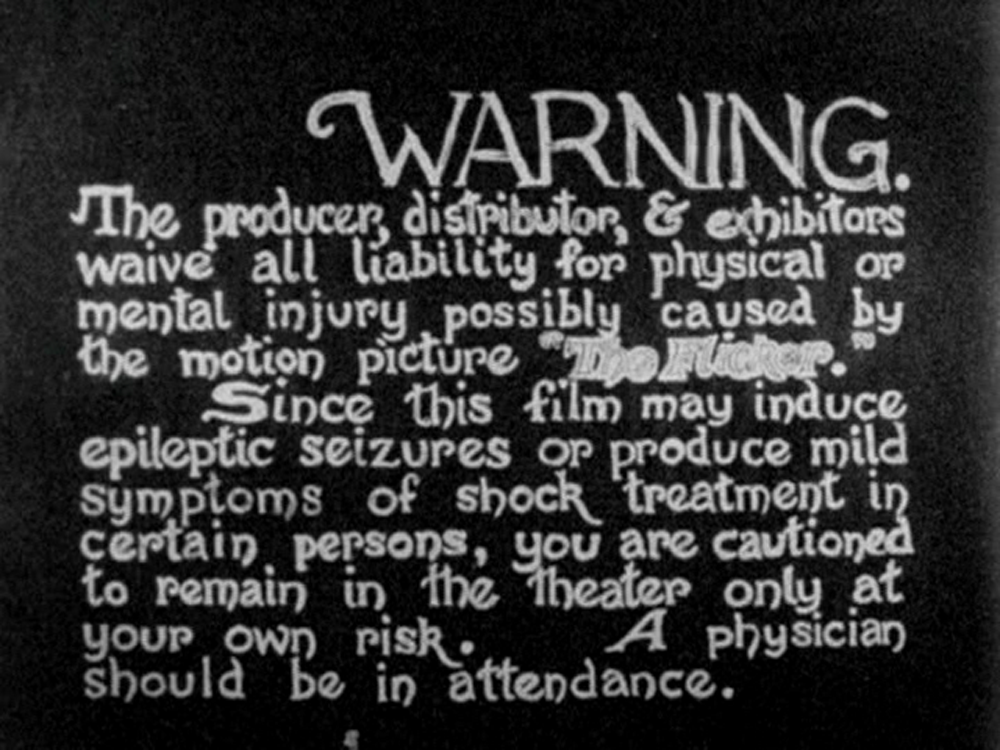
One of the most startling cinematic debuts on record, The Flicker is more a hallucination than a film, an out of body experience and riotous celebration of visual harmonics frequencies. An experiment in perception, come with your mind and eyes open.
Criminal Queers visualises a radical trans/queer struggle against the prison industrial complex, working to abolish the multiple ways our hearts, genders, and desires are confined.
Guy Sherwin gives a kind of annotated, chat through his optical sound films
Austrian guitarist who specialises in a warm digital deconstruction of guitar noise
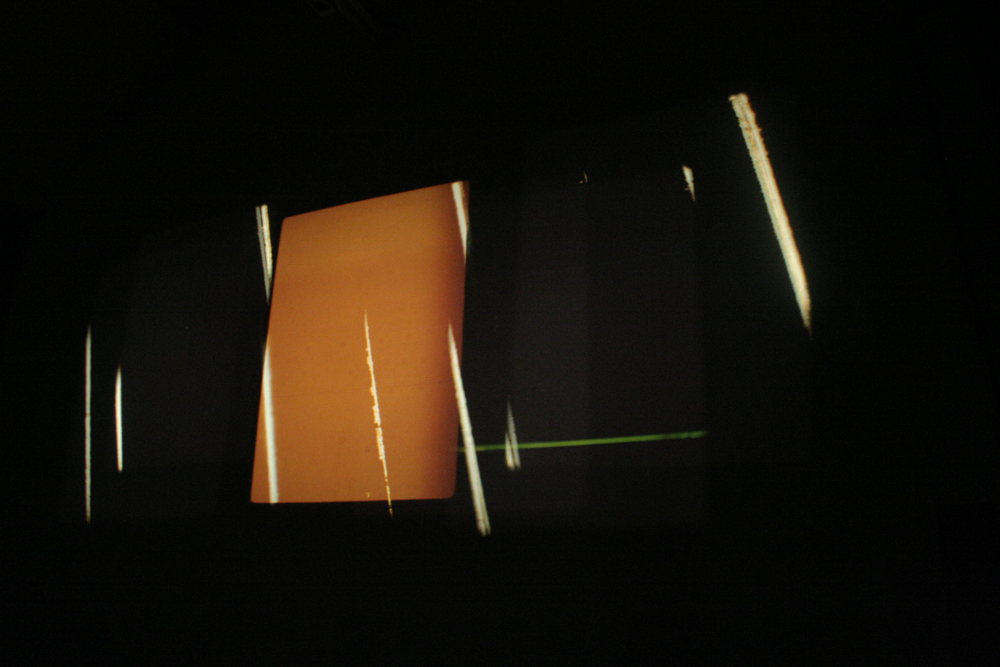
Noise music for the eyes. A 6 screen 16mm projection performance of intense audio and visual stimulus.
Bruno’s liberated improvisational approach stretches beyond the lyrical, tough as nails rhythmic bursts and expressive, swinging attack of his drumming.
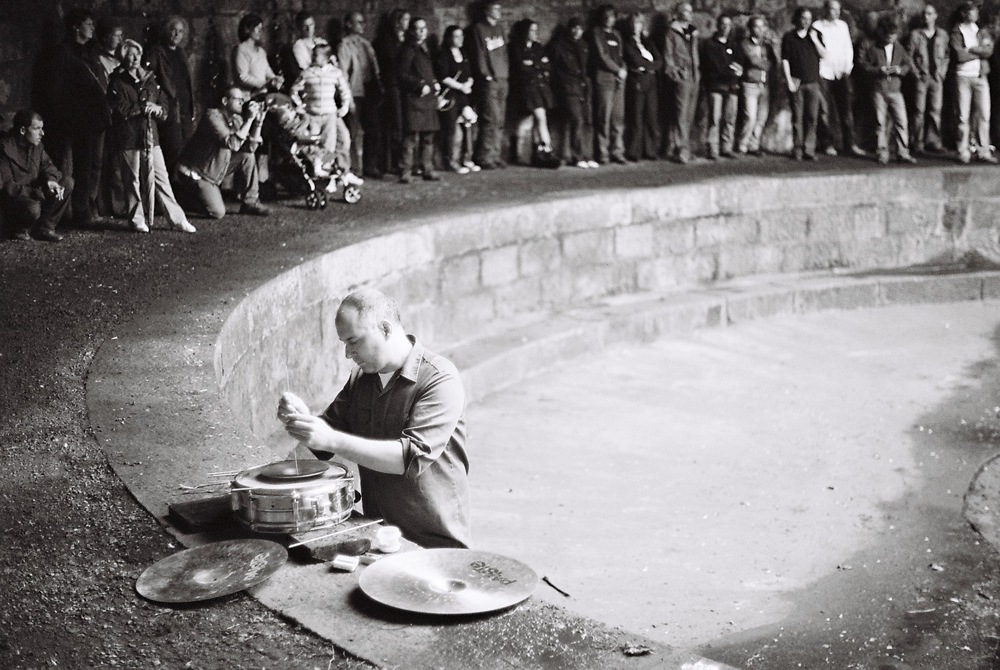
Disused railway turning circle at east end of Union Terrace Gardens, a historically public space at the centre of a regeneration land-grab for the private gain of a local petro-chemical magnate.
A day of presentations and discussions on the theme of audio visual perception in the context of experimental music, film and art.
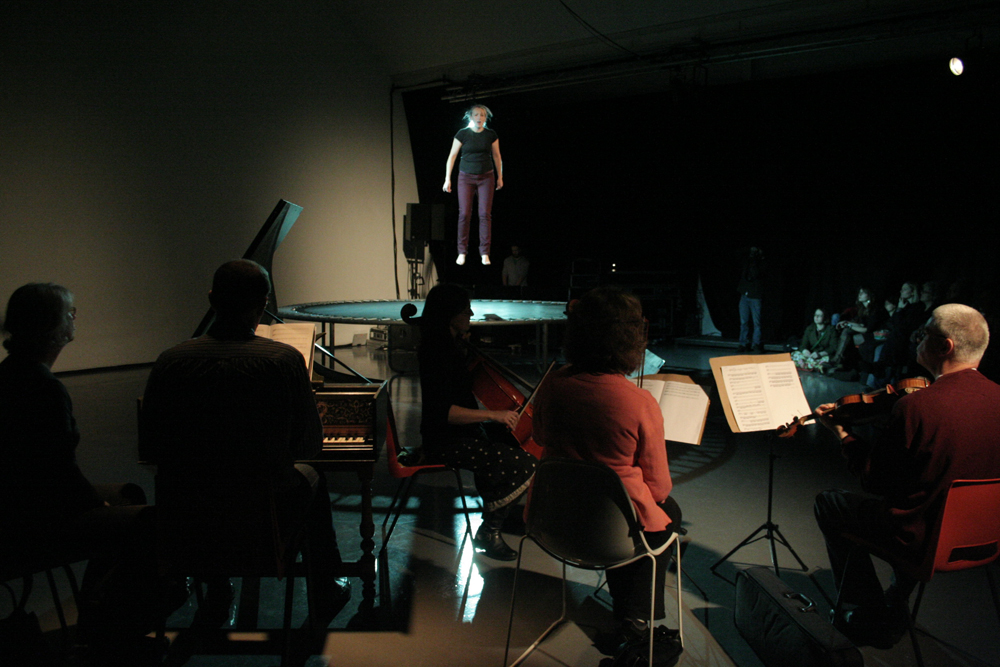
A chorister attempting to sing Vivaldi, with live accompaniment, while trampolining for 20 minutes.
The second in a series of workshops for workers and non-workers who care. What does the sharing of vulnerability entail? Can such a sharing inform progressive social relations?