Symposium: ACCESS: SOUND FILE
Dan Norton Dr Cathy Lane Dr Martin Parker Rob Gawthrop Stephen Partridge Tony Conrad Zoe Irvine
ACCESS: SOUND FILE A day-long salon accompanying KYTN focusing on sound art.
Arika have been creating events since 2001. The Archive is space to share the documentation of our work, over 600 events from the past 20 years. Browse the archive by event, artists and collections, explore using theme pairs, or use the index for a comprehensive overview.
ACCESS: SOUND FILE A day-long salon accompanying KYTN focusing on sound art.
Now a two day festival, INSTAL 04 was borne of a desire to open eyes, challenge audiences and expand musical horizons. This was also the year in which a certain representative from Corwood Industries made his first ever live appearance.
Join Brian as he ruminates on the history of how experimental filmmakers and sound artists have drifted into and taken over galleries in order to show their work.
In Ramayya’s visionary poetry, the body assumes as many forms as love produces states: attraction and repulsion, excitement and exhaustion, selfishness and the dissolution of self.
A dense, hard, immersive, chaotic spatial performance in sound: a momentary gap in consciousness, free of order or decision.
Open community meeting to discuss some of the prevalent concerns impacting the ballroom community.
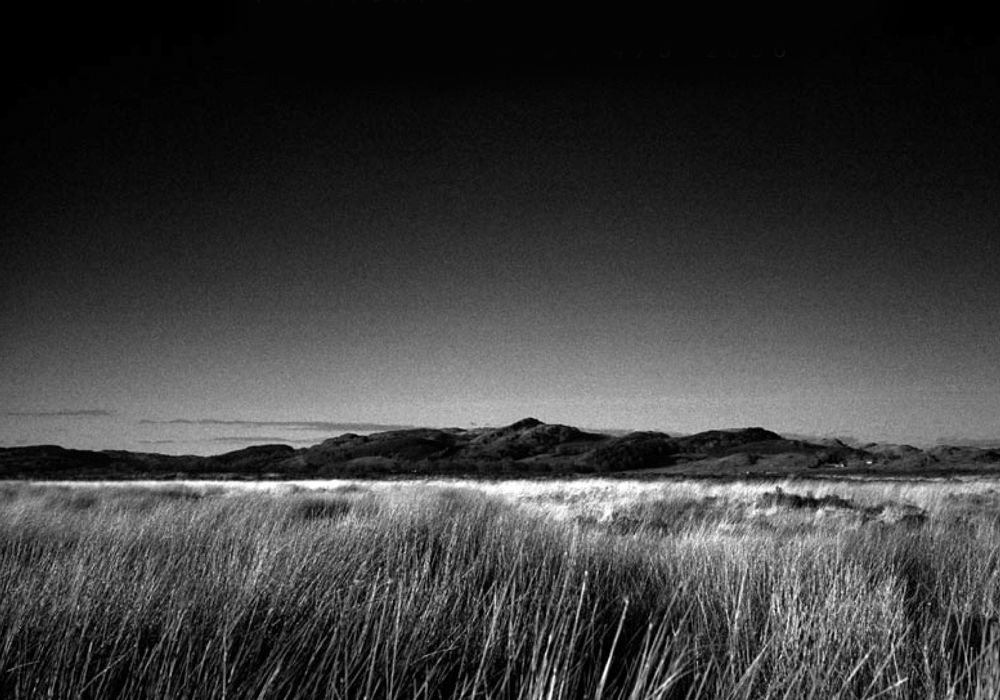
NVA asked Arika to curate and programme the sound aspects of their 2007 Half-Life production in Kilmartin Glen. Arika worked with Toshiya Tsunoda, Lee Patterson, Rhodri Davies and Angharad Davies.
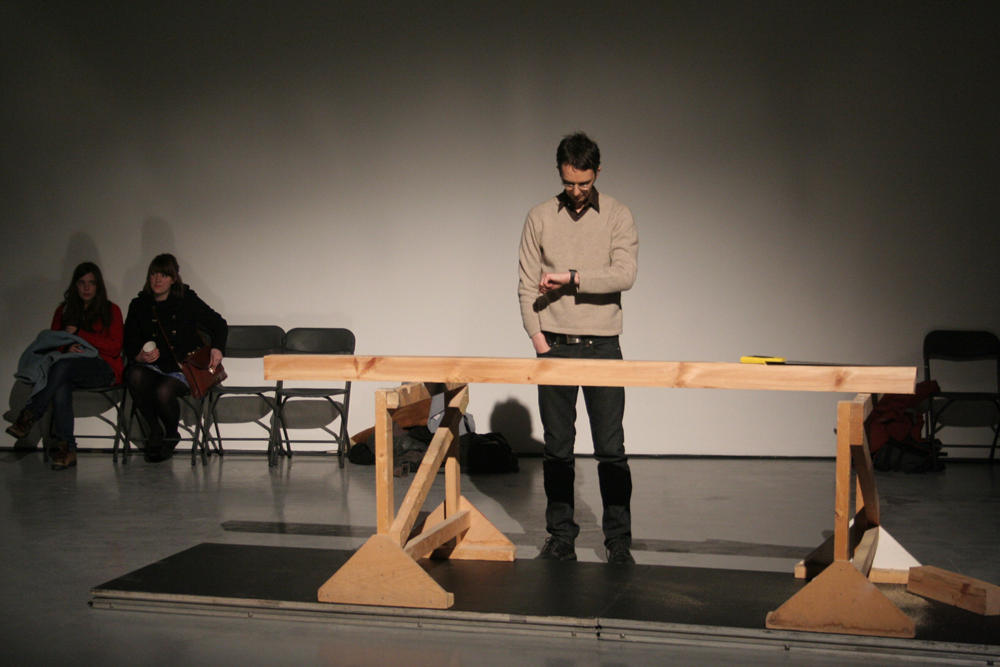
A kind of audience activating, structured film guessing game in the manipulation of time, sound and image. “At 11:15, weiners. At 21:05, pornography. At 23:30, a duet. Watch the Clock.”
Can we use sound, repetition and difference to personally and collectively engage with space, time and labour?
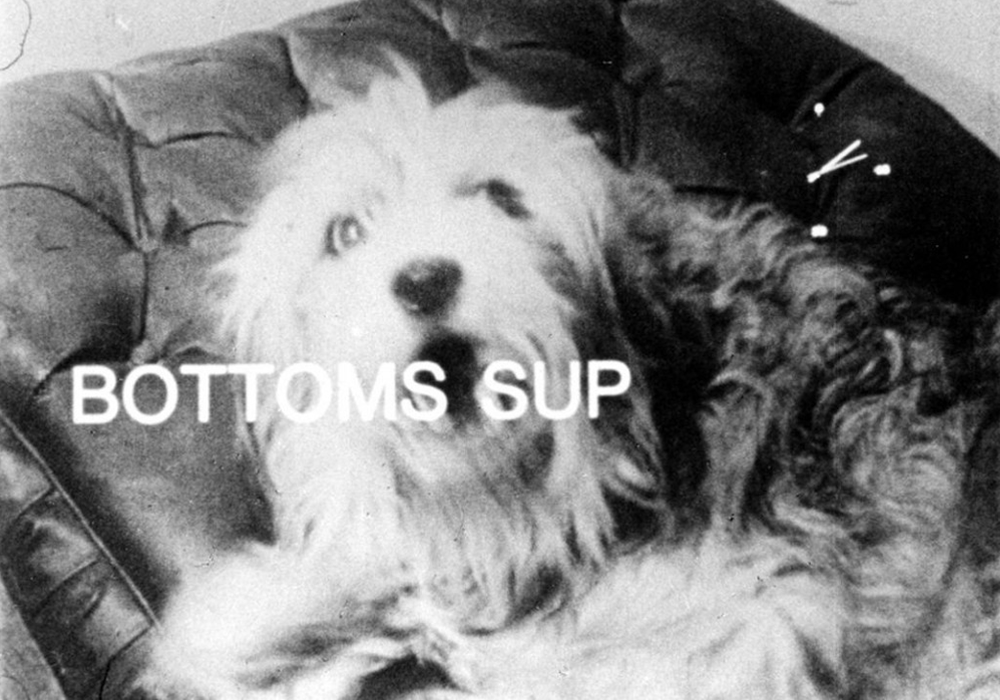
Freeform Super 8mm documentation of Sunday at Instal 06 by filmmaker Matt Hulse.
A queer black operatic requiem for piano and voice that asks us to stay in the hold of the slave ship, that tries to understand the connection from the slave ship to the prison.
Dworkin asks: What would a non-expressive poetry look like? A poetry of intellect rather than emotion?