Killer of Sheep
Killer of Sheep is an undisputed masterpiece of African-American filmmaking and one of the most poetic, perceptive dramas ever made about family and community.
Arika have been creating events since 2001. The Archive is space to share the documentation of our work, over 600 events from the past 20 years. Browse the archive by event, artists and collections, explore using theme pairs, or use the index for a comprehensive overview.
Killer of Sheep is an undisputed masterpiece of African-American filmmaking and one of the most poetic, perceptive dramas ever made about family and community.
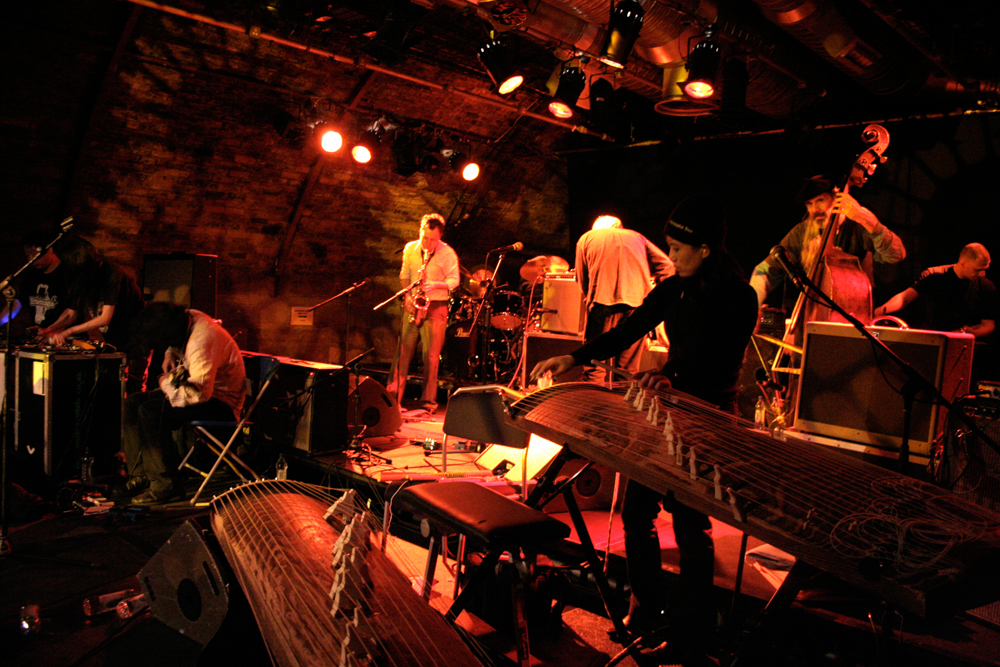
We wanted to ask a bunch of the best high-energy-improvisers around; can musical form really taking shape via a group energy? Can individual concentration lead to a group consciousness?
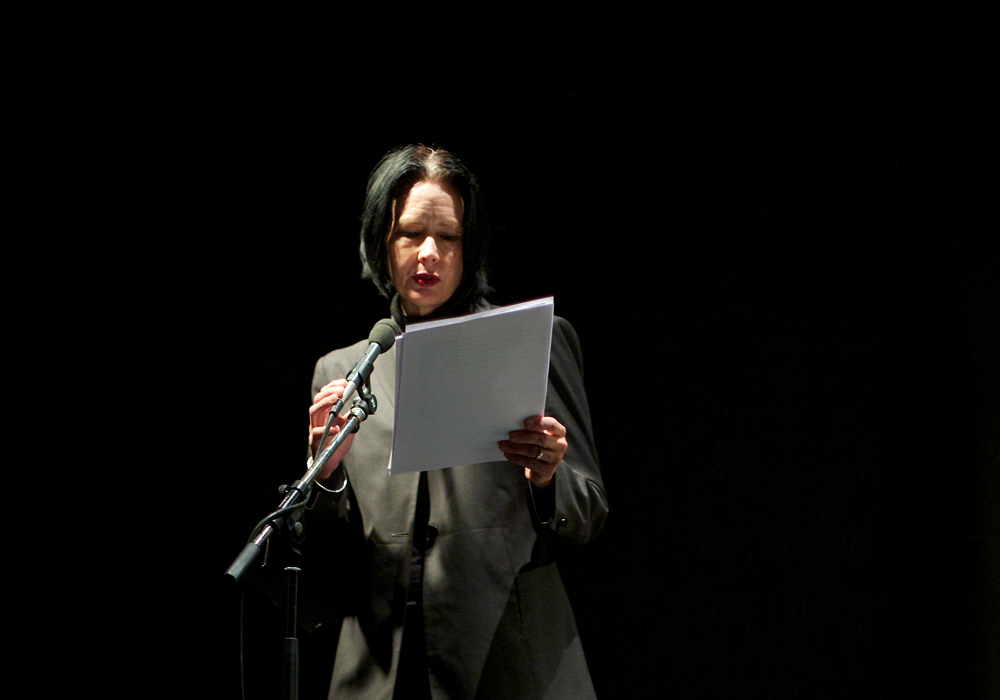
Vanessa Place talks at The Friday Event series at the Glasgow School of Art about her practice as a writer.
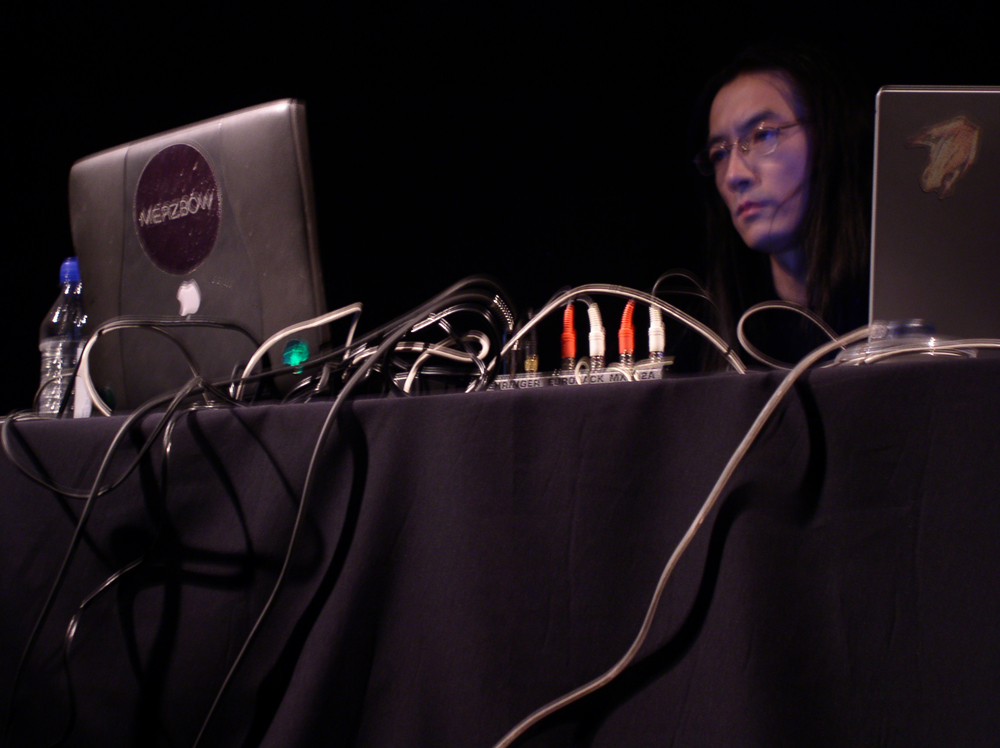
Merzbow takes the junk of sound and transforms it into blistering noise assaults with an incredible spectrum and impact.
Goodwin’s writing emanates from the social life of poetry, from a condition of entanglement before historically racially-specific forms of representation. Another word for this emanation is breath.
4 days of performances, discussions, workshops, screenings with mutant dancers, prison abolitionist poets, transfeminist revolutionaries, haunted noise, science fiction, sex worker resistance, crip erotics, radical pornography and militant fiction.
A performed reflection on Malin’s previous re-enacting of a super influential landmark of performance art from the French feminist and artist Gina Pane.
Nina’s going to talk about November, by Hito Steyerl: what and how the film thinks, or about what and how it might makes us think (which is connected, but not the same thing), by watching, and it discussing (with you?).
How can we imagine bodies not as an end in themselves, but as a medium through which we can become one another’s means?
There are core ways in which our listening to the radio differs from other kinds of listening. What happens when we pay attention to how we pay attention?
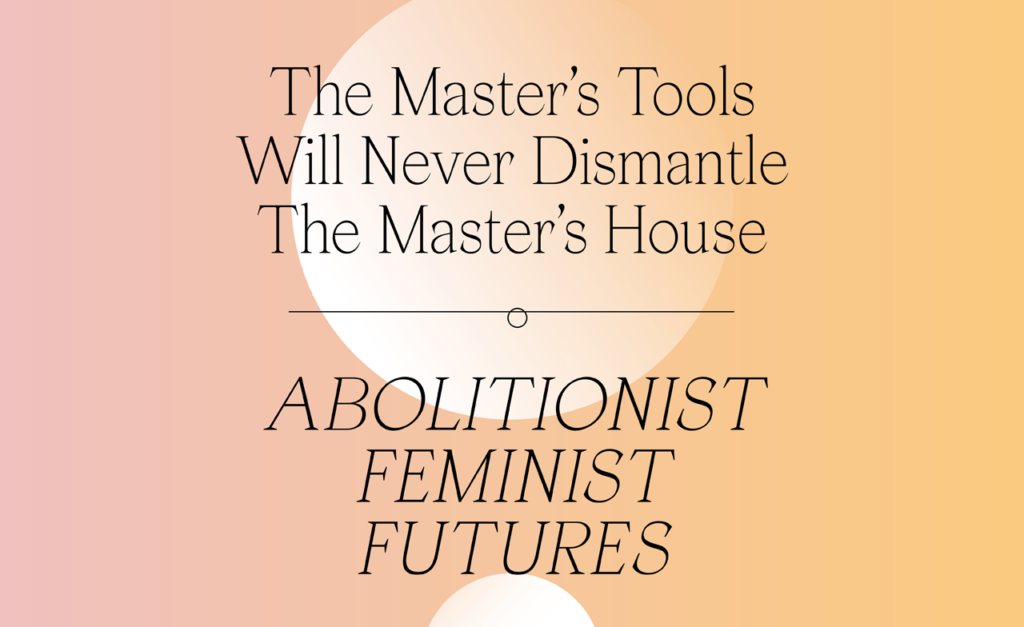
A panel exploring how to dismantle the master’s house — its material edifices and ideological architecture — and the construction of abolitionist futures in the present.
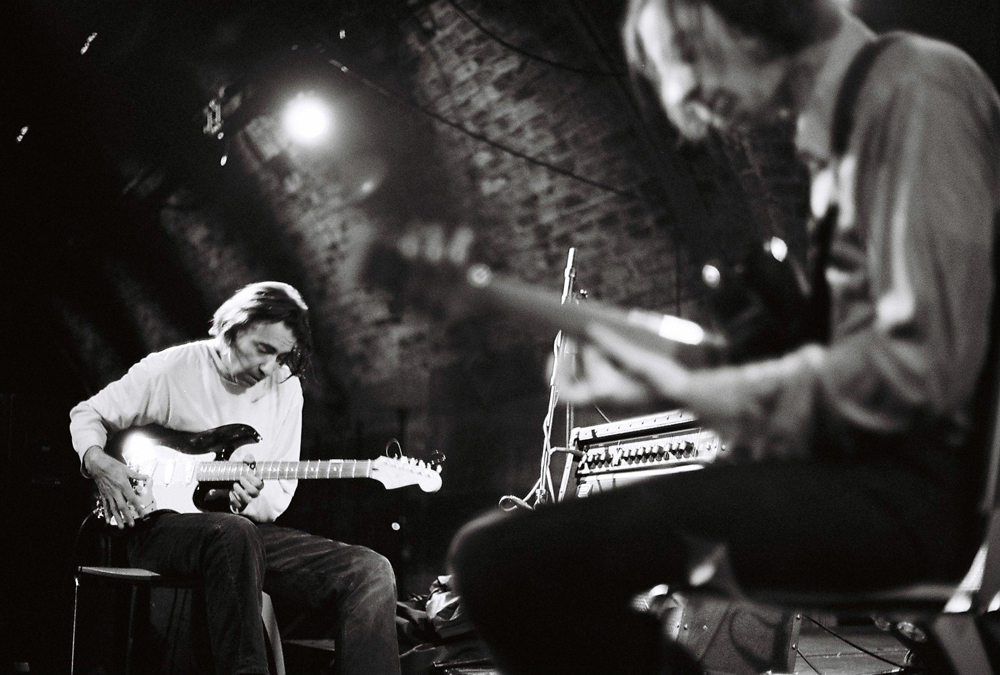
An utterly deep introspection told in aching, weeping guitar lines; melodic, simple, always minimal but somehow entirely epic.