Kazuo Imai
Kazuo Imai
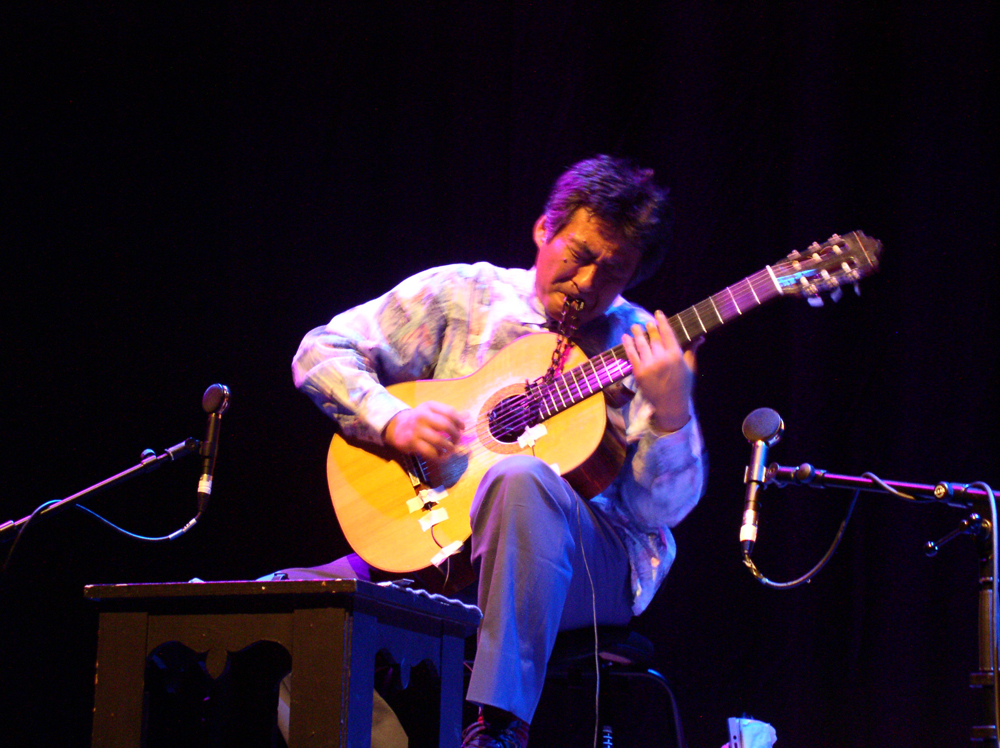
One of the most arresting and unique improvisers in Japan, creating an original and powerful body of free music.
Arika have been creating events since 2001. The Archive is space to share the documentation of our work, over 600 events from the past 20 years. Browse the archive by event, artists and collections, explore using theme pairs, or use the index for a comprehensive overview.
One of the most arresting and unique improvisers in Japan, creating an original and powerful body of free music.
Quartet improvisation by Klaus Filip – laptop, Radu Malfatti – trombone, Sean Meehan – snare & cymbals, Taku Unami – rice and dish.
Includes: a polish counting lesson, around NYC with D A Pennebaker, a portrait of a tower block, a man with a spade, at home with KYTN regular Guy Sherwin, a cinematic Blair Witchish cut-up and a song for some swings.
A mixture of investigation groups, live performances, screenings and installations at DCA; the festival looked to strip back music, sound, film and moving image to their core ideas and explore them with artists and audiences.
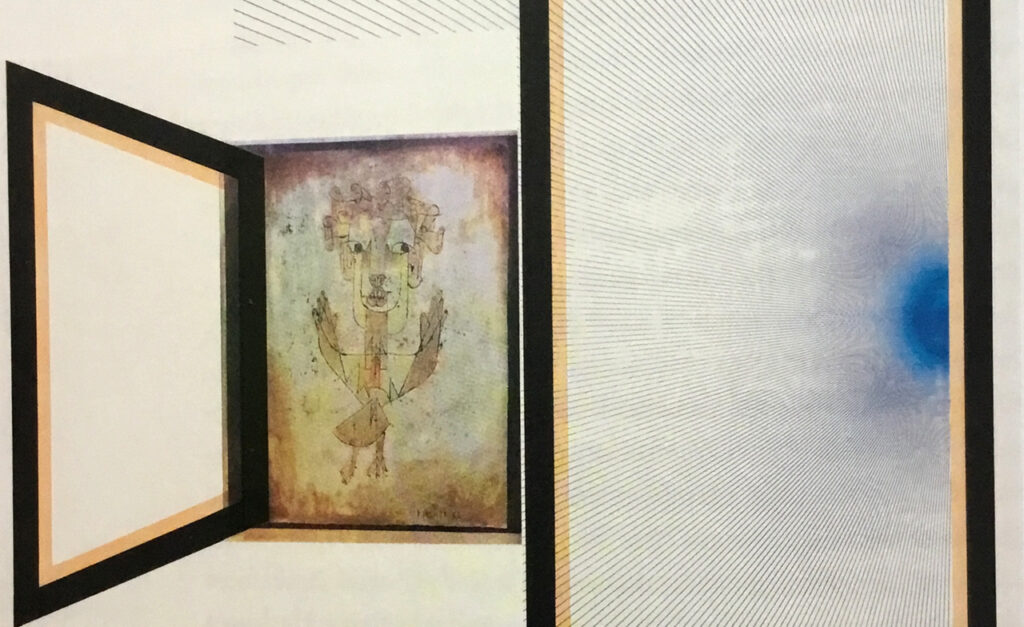
How do poetry and maths stitch together pictures of our fractured situation from its wreckage and relics, from the debris of hope and the well of residues that make us what we are?
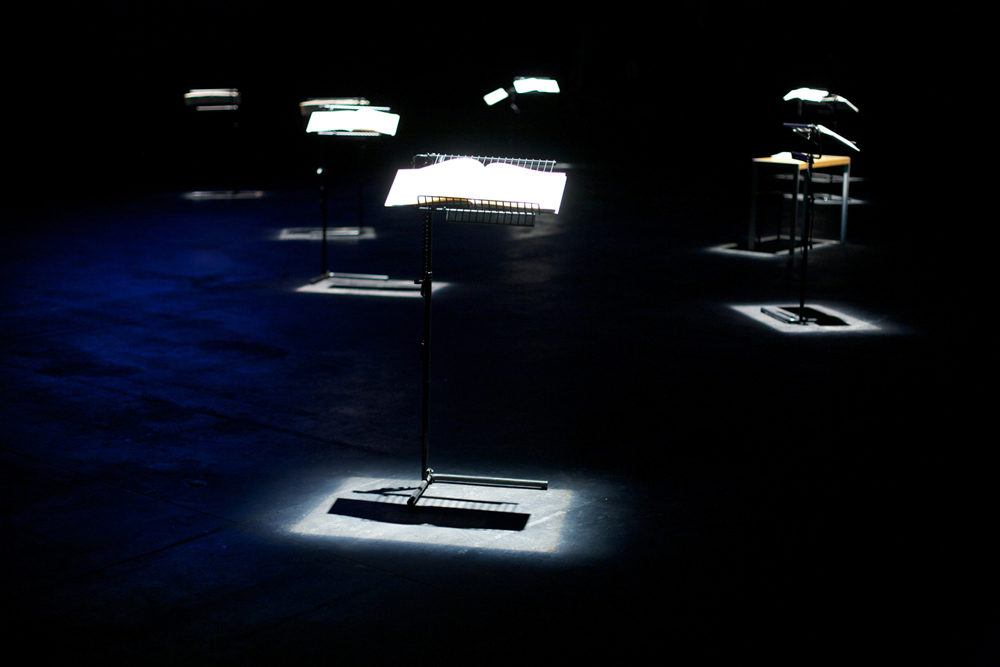
‘Ten Pieces in the Form of Painful Variations’ for piano, an impossible score that looks like a grapeshot musical stave, a text of barbed loathing and doubt – an anti-composition.
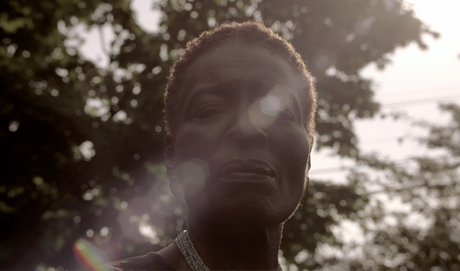
A landmark film on black life – a poetic filmic constellation of meditations, fragments and interviews on what it means to be black in America in the 21st century, from one of its great cinematographers.
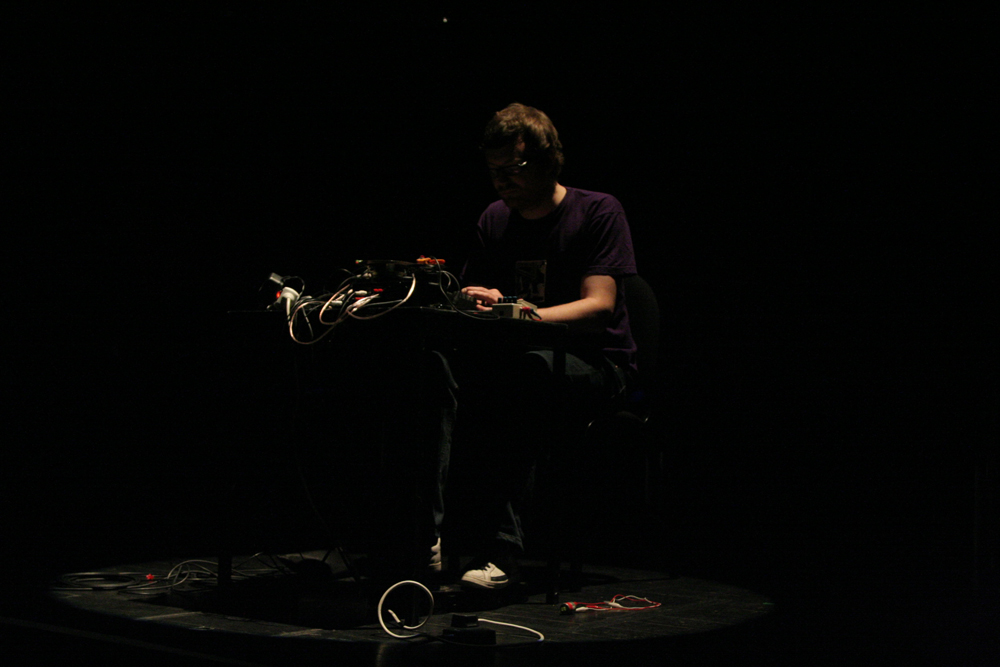
Solo by Jean-Philippe Gross, a French electro-acoustic improviser, working with mixing board, cheap mics, small speakers and an analog synth, built around a honed interest in feedback.
A tour with John Butcher and Akio Suzuki that set out to allow the audience to experience (and to listen to) the enviroment around them in different way.
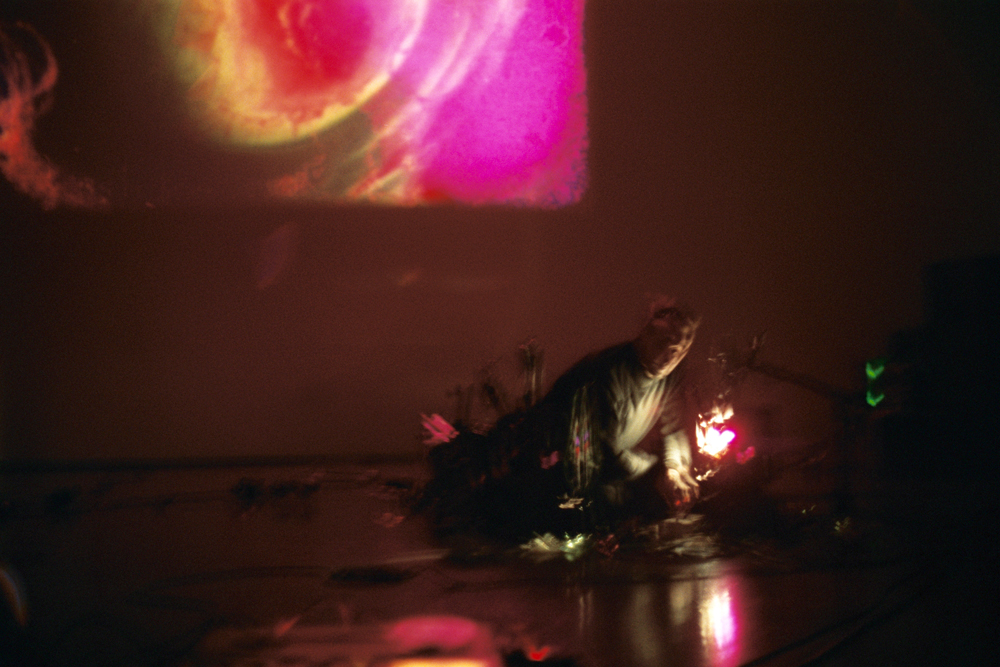
Adamantly analogue, inspiring and frequently chaotic in performance, Metamkine draw no distinction between image and sound; during their intuitively improvised performances music and images are created simultaneously and equitably.
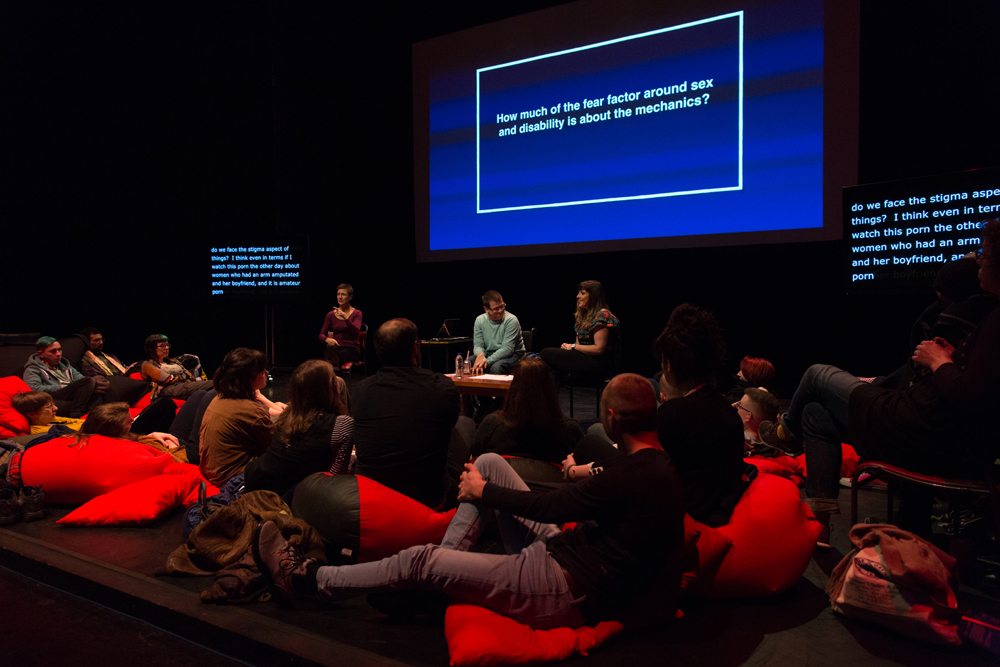
How do people living with disability see themselves in today’s sexualised culture? How do we imagine our crip sexual selves despite society wanting to reduce us to non-erotic bodies?