Wadada Leo Smith & John Tilbury
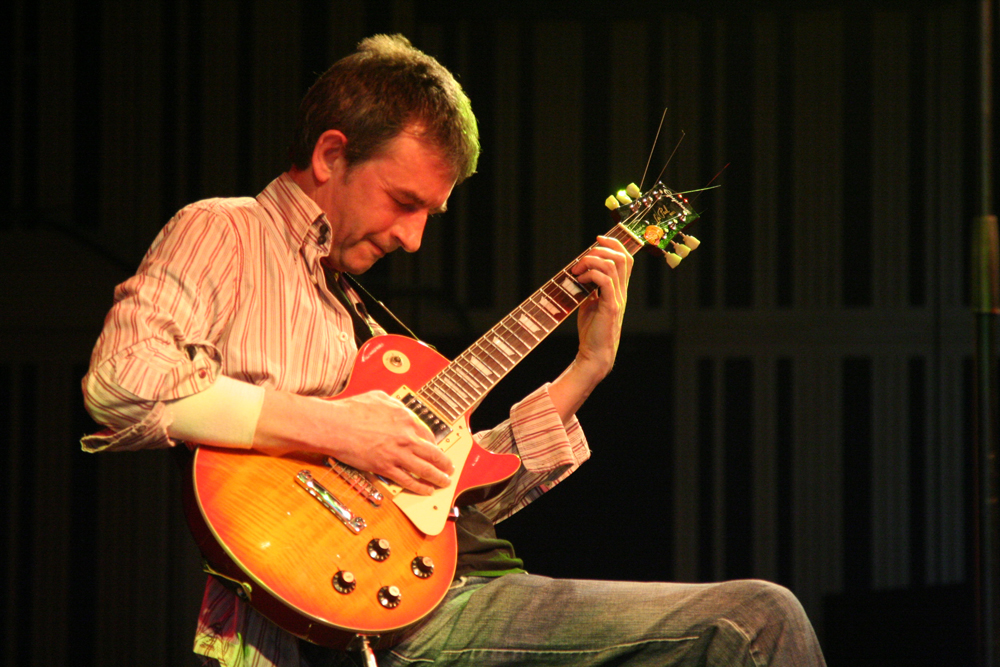
John Tilbury Wadada Leo Smith
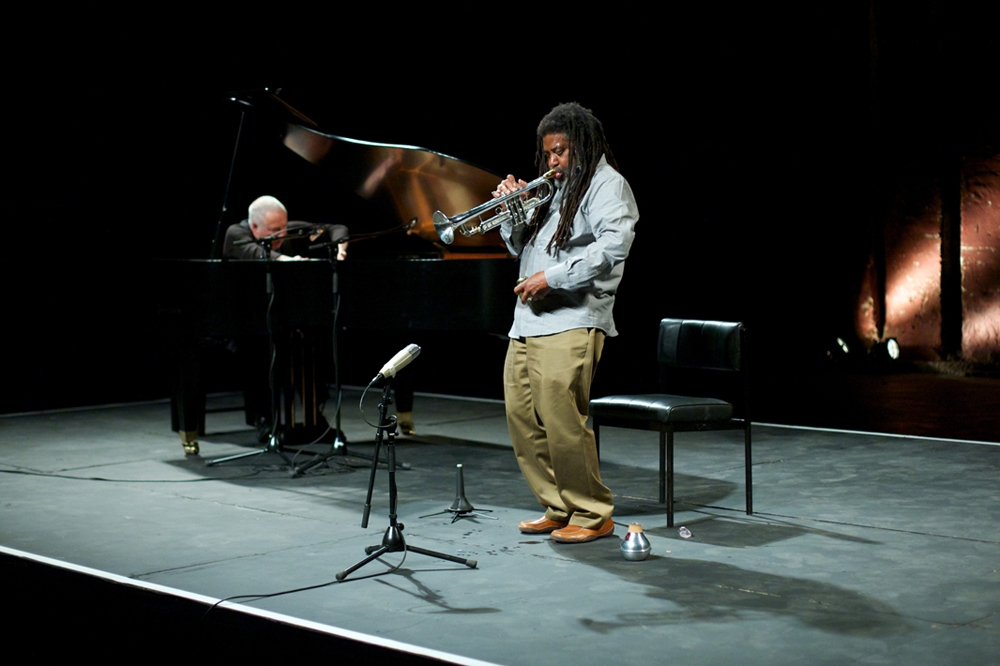
How might two of the great musicians working within contrasting traditions of freedom collaborate? What might this produce: musically, socially, allegorically?
Arika have been creating events since 2001. The Archive is space to share the documentation of our work, over 600 events from the past 20 years. Browse the archive by event, artists and collections, explore using theme pairs, or use the index for a comprehensive overview.
How might two of the great musicians working within contrasting traditions of freedom collaborate? What might this produce: musically, socially, allegorically?
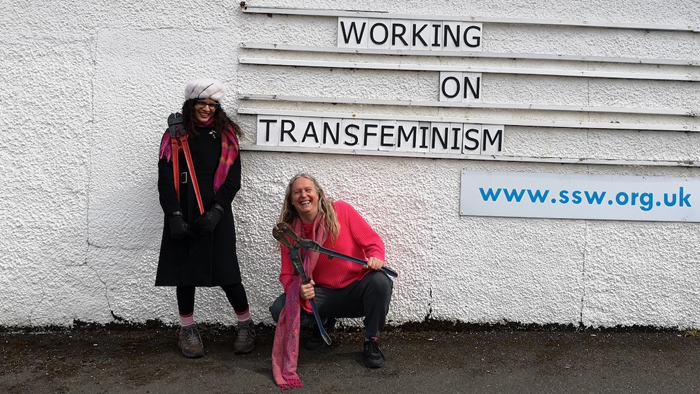
An informal conversation, over breakfast, about how abolition and movement work structures Mijke and Nat’s approach to transfeminism, ahead of their new book Trans Femme Futures.
Guitar solo where inscrutable, minute electric sounds are excavated by palms that smother and strangle, that wring sound from the fretboard, from behind the bridge.
Deliberately blurred drones, absent of definite structure or rhythm, framed in silence and devoid of any distraction from the pure matter of sound.
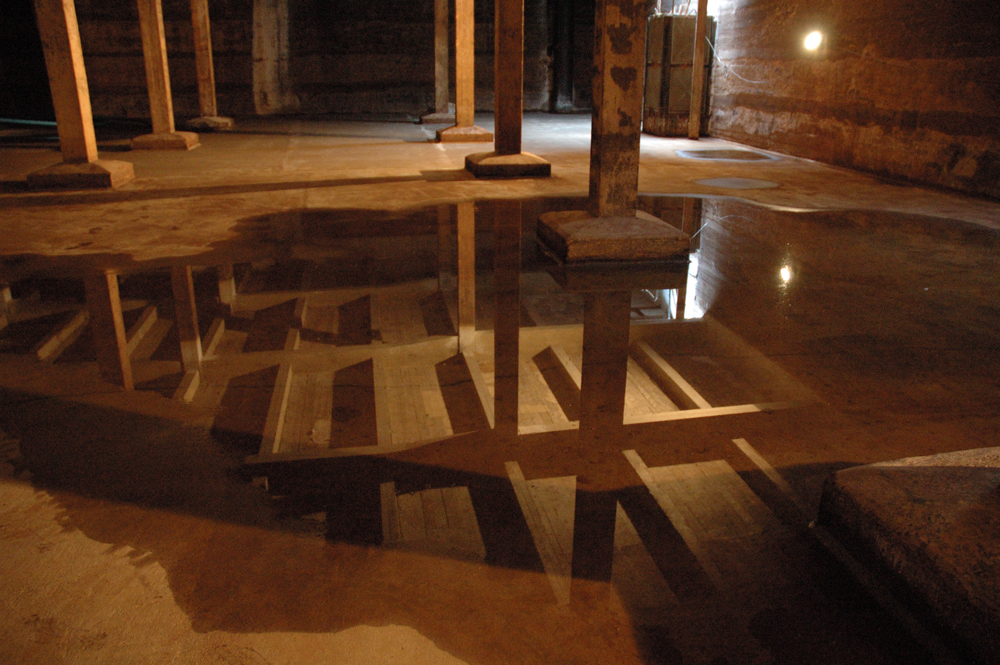
Akio Suzuki and John Butcher performing in an old underground reservoir in Fife.
Disused railway turning circle at east end of Union Terrace Gardens, a historically public space at the centre of a regeneration land-grab for the private gain of a local petro-chemical magnate.
Summer Solstice hang out IRL and URL on 21 June
Captures the creak and rustle of the forest, with an exhilarating tension let loose in unconfined maniacal and bare-knuckle group thinking.
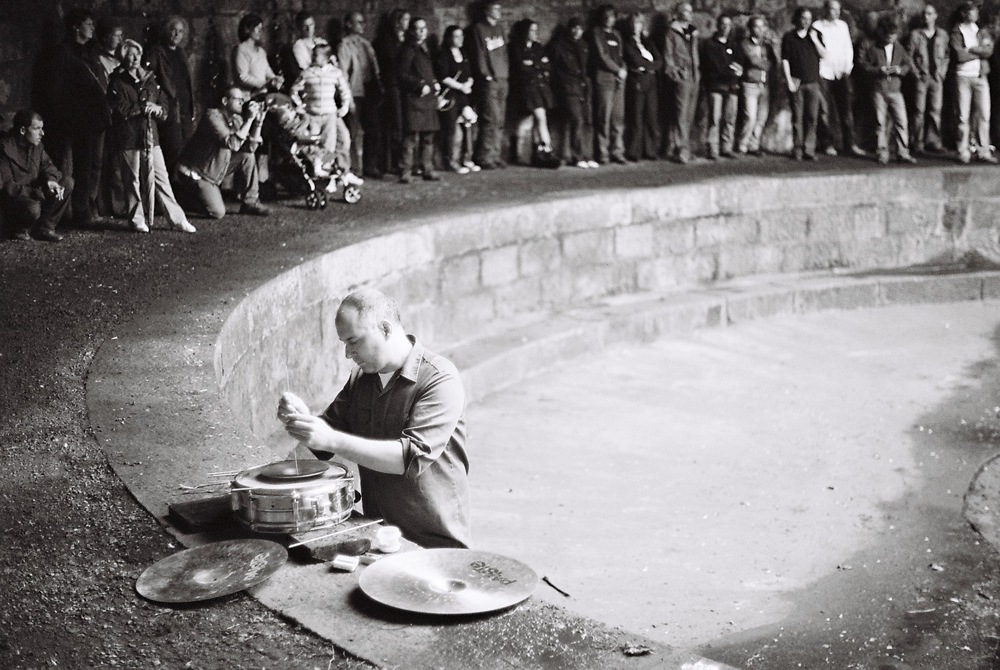
Quartet improvisation by Klaus Filip – laptop, Radu Malfatti – trombone, Sean Meehan – snare & cymbals, Taku Unami – rice and dish.
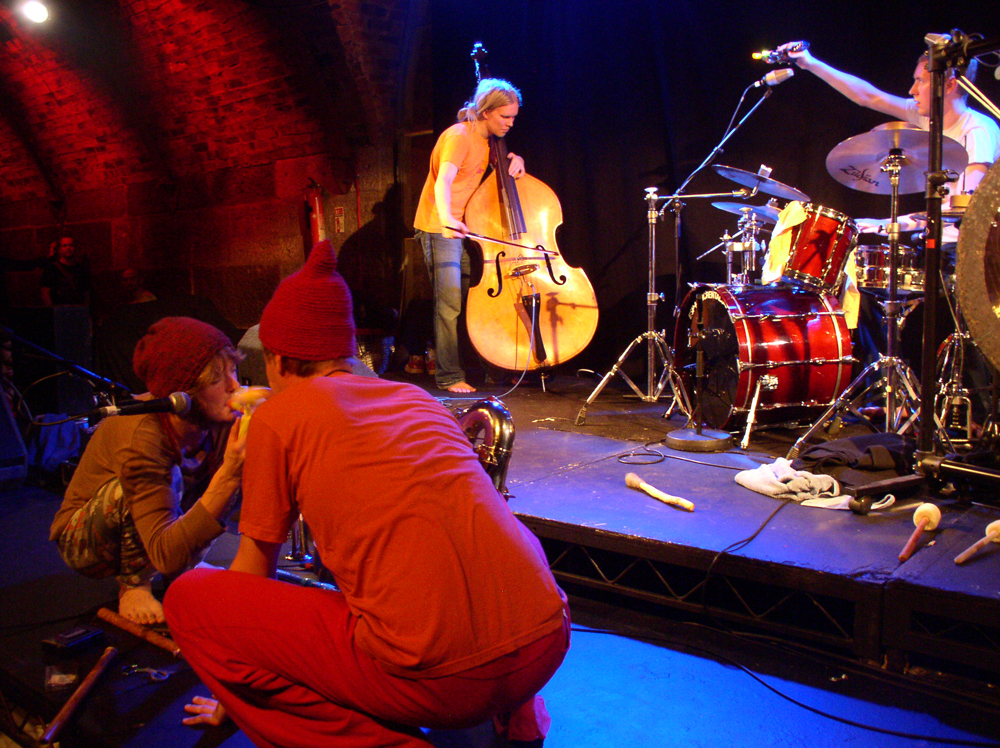
Bringing together artists working with music, sound, film and the moving image, KYTN 2008 saw performances, improvisations, screenings and installations over three days at DCA.
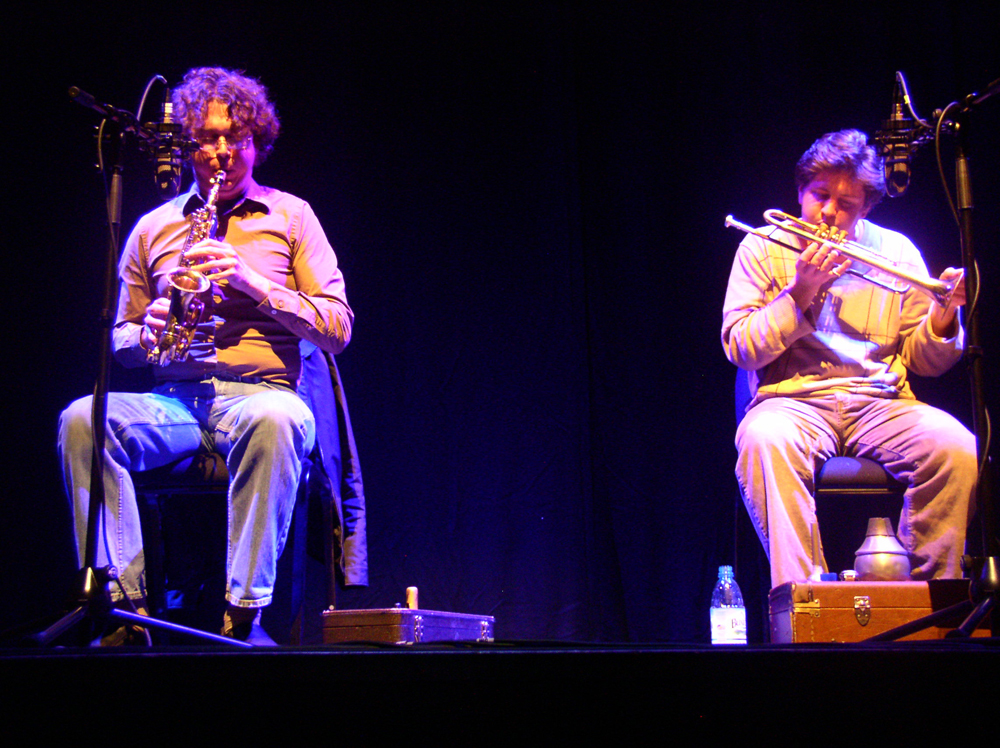
Boston duo of saxophonist Bhob Rainey and trumpeter Greg Kelley approach their improvisations with a slew if extended techniques and pregnant silences.
Dworkin asks: What would a non-expressive poetry look like? A poetry of intellect rather than emotion?