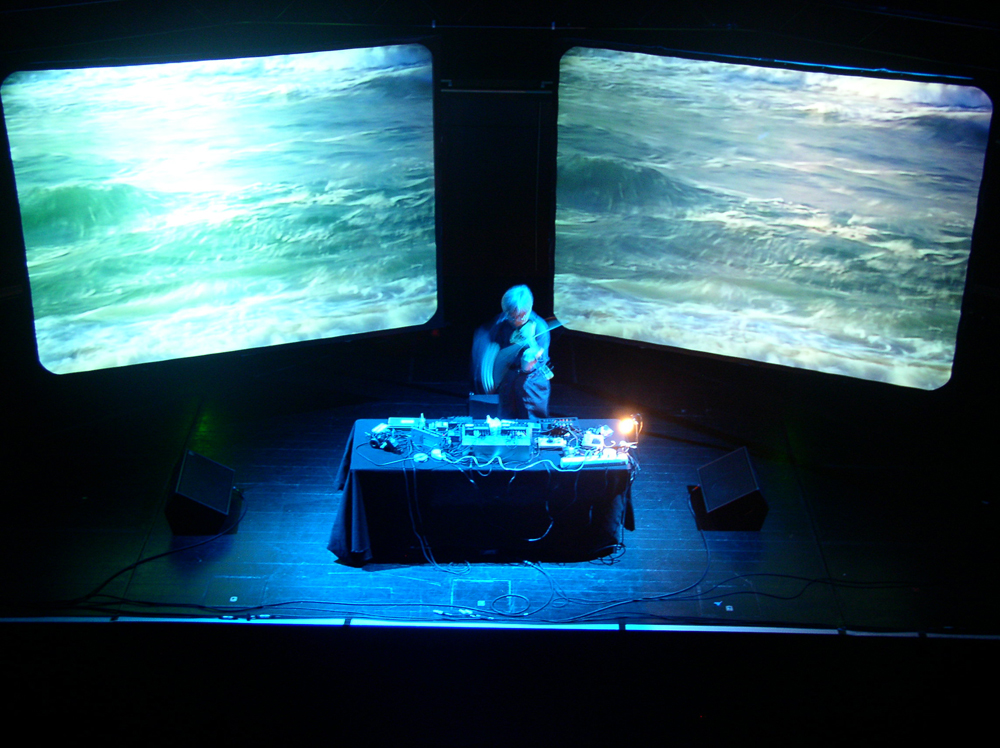
Catch-Wave ’05
Takehisa Kosugi
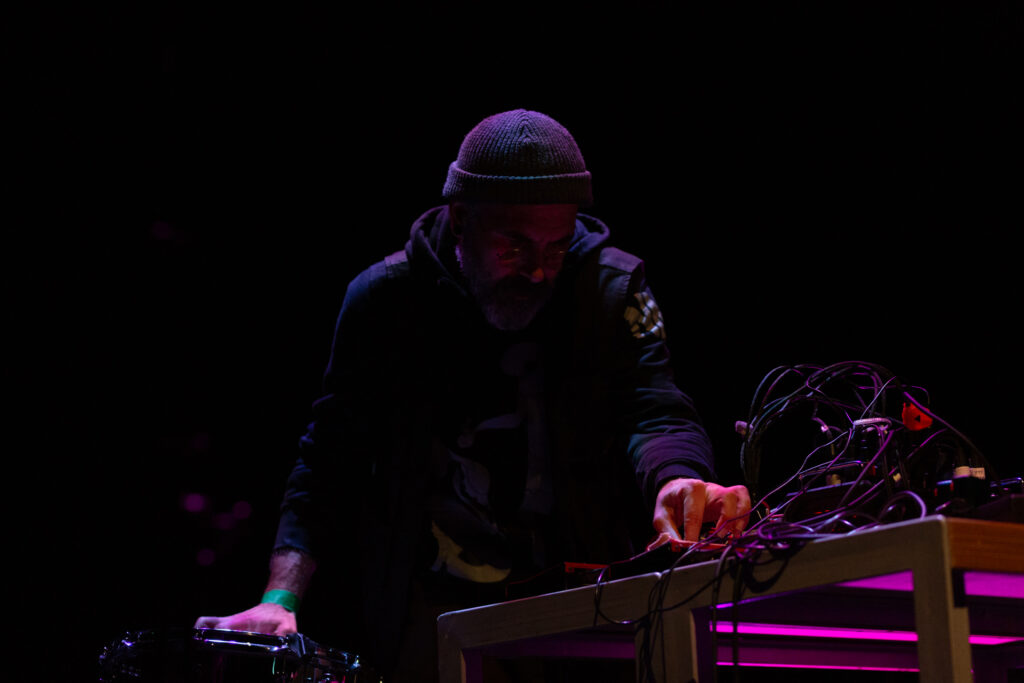
A new interpretation of Kosugi’s Catch-Wave, producing a cloud of fluctuating, hypnotic drones, in front of a backdrop of projected waves.
Arika have been creating events since 2001. The Archive is space to share the documentation of our work, over 600 events from the past 20 years. Browse the archive by event, artists and collections, explore using theme pairs, or use the index for a comprehensive overview.
A new interpretation of Kosugi’s Catch-Wave, producing a cloud of fluctuating, hypnotic drones, in front of a backdrop of projected waves.
The most sophisticated synthetic music around: timbrally otherwise body music as sonified fictions and auditive sociograms.
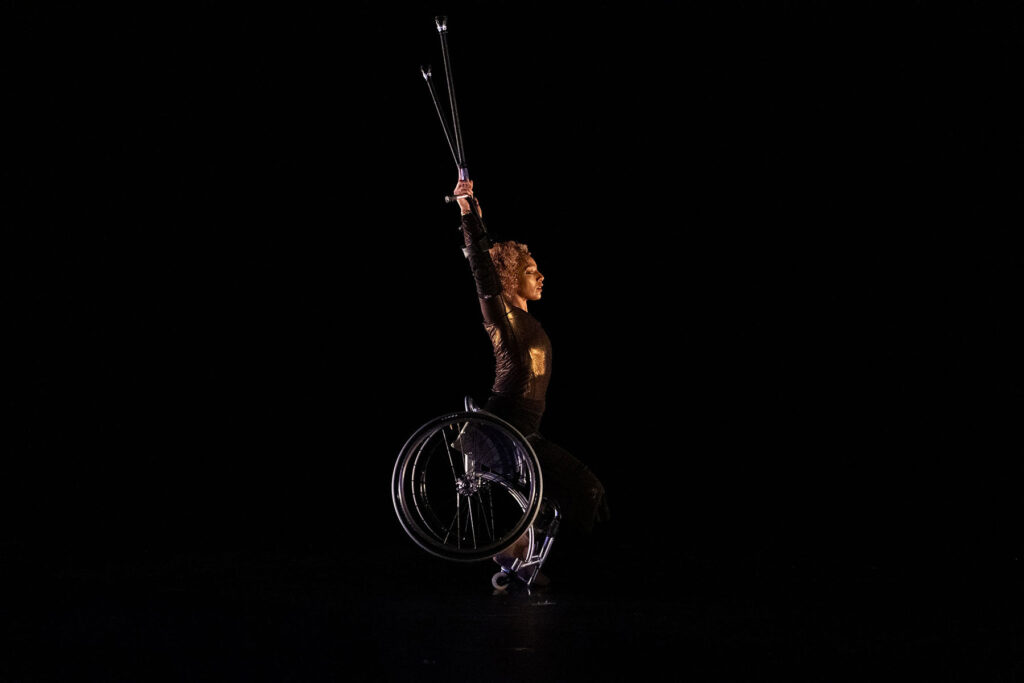
An occasion for commotion, and a chorus of motions. Choreography rotating your revolutions and then some.
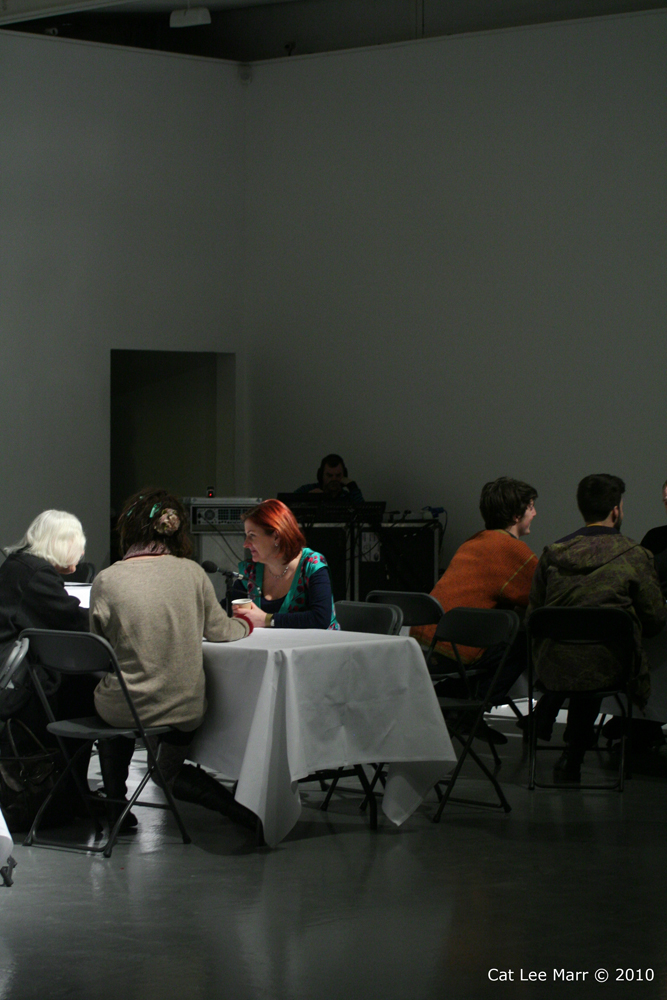
A changing pool of people (40 or so at a time – artists, audiences, etc) talk for 90 minutes in a simultaneous series of open-ended round-table discussions, structured like speed dating, and mixed live as both a concert and for radio broadcast.
A glance at both analogue and digital processes; the clarity and precision of digital colour or the yawning, endless depth of dye and emulsion, our programme celebrates how both approaches revel in colour, saturation, hue and tone.
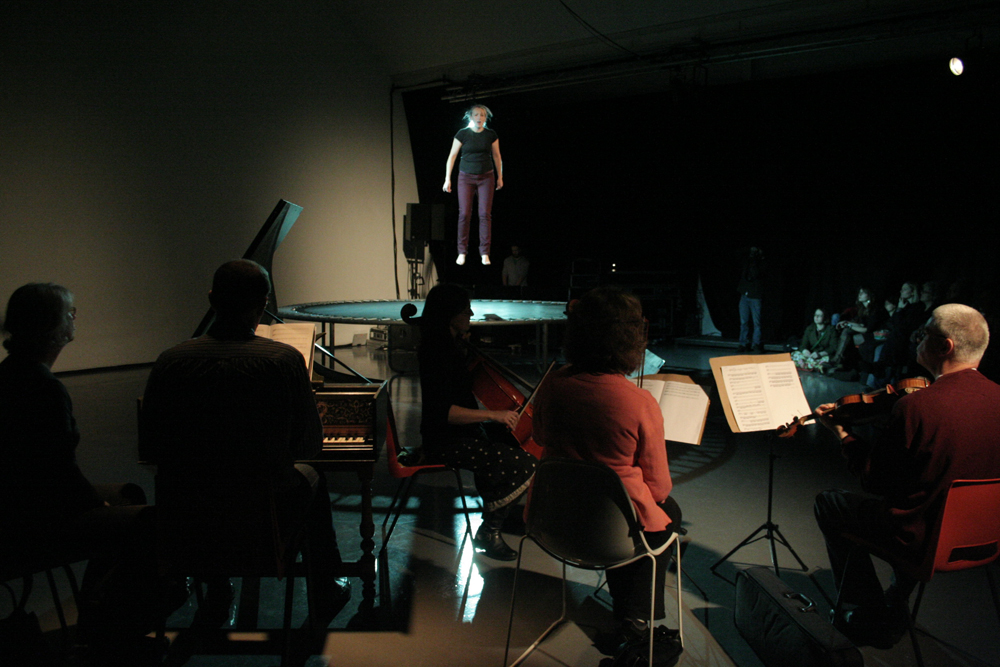
A chorister attempting to sing Vivaldi, with live accompaniment, while trampolining for 20 minutes.
Over 3 days Episode 8 celebrates all the unruly ways we escape attempts to constrain us, tear down the walls of normative culture and build joy in flight.
In the Foyer at the Tramway we will screen a documentary from the Sex Workers’ Festival of Resistance 2017 and La Llamada by Eduardo Restrepo Castaño.
The 2006 INSTAL festival saw a broad selection of artists that included Blood Stereo and Ludo Mich, Ellen Fullman and Sean Meehan, Keiji Haino and Tony Conrad and a specially created performance by Maryanne Amacher.
West Coast drone-age guitar grumbler/ consumer electronic reclaimer meets free-thinking clang/ chime/ drone bluesman of The East.
A performed film lecture exploring how the ‘Rumberas’ of Caribbean cinema of the 40’s and 50’s subverted demeaning images of themselves through dance, sound and a sociality that insisted on blackness as being a cultural performance, not simply due to skin colour.
Dworkin asks: What would a non-expressive poetry look like? A poetry of intellect rather than emotion?