Daniel Carter, Andrew Barker & Sabir Mateen
Daniel Carter Sabir Mateen
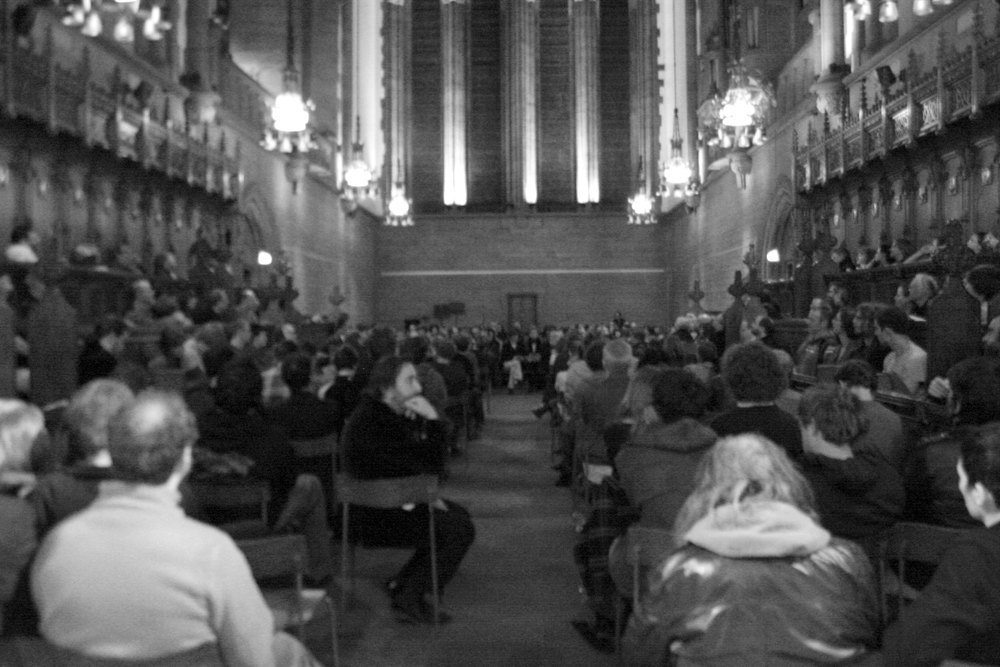
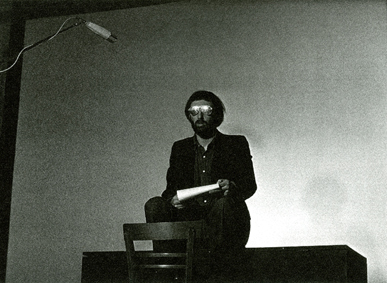
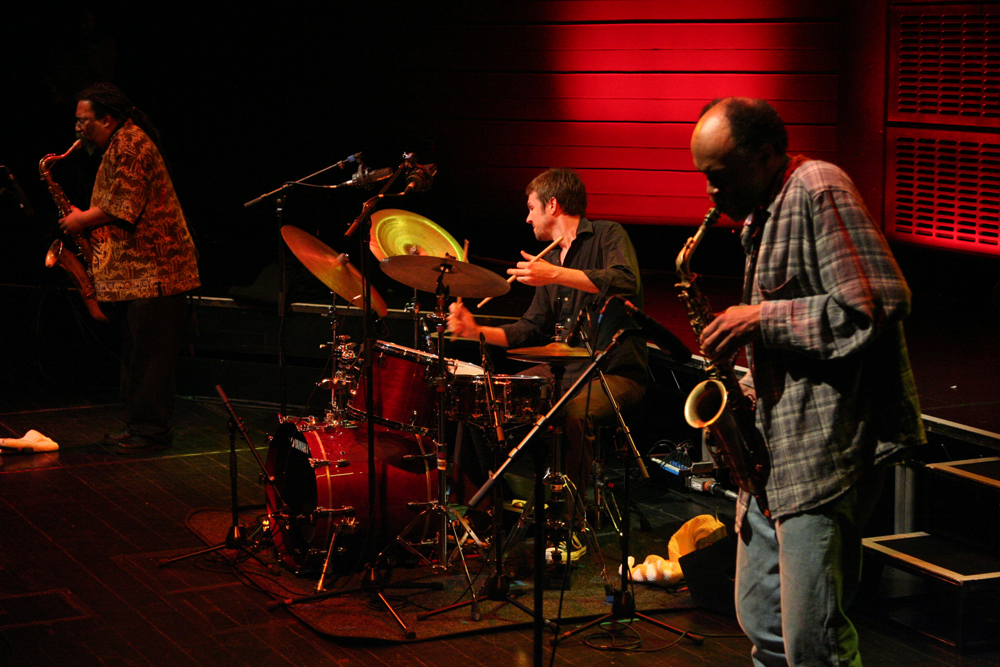
Daniel Carter & Sabir Mateen’s trio with percussionist Andrew Barker; incessantly driving forward through sweat-drenched bursts of pure ecstatic freedom.
Arika have been creating events since 2001. The Archive is space to share the documentation of our work, over 600 events from the past 20 years. Browse the archive by event, artists and collections, explore using theme pairs, or use the index for a comprehensive overview.
Daniel Carter & Sabir Mateen’s trio with percussionist Andrew Barker; incessantly driving forward through sweat-drenched bursts of pure ecstatic freedom.
Three intense solo performances for drums (both played and screamed through), cymbal, voice, credit card, bird whistle, and guitar amplifier/leads.
Solo organ performance by German composer Eva-Maria Houben, which focuses on ‘nearly nothing’ to expand the way we listen.
Recently rediscovered but still very pertinent, Kino Beleške presents a series of speech acts and performative gestures by protagonists of the new artistic practice in former Yugoslavia: each a personal take on the role of art in society.
We asked Christoph to come and give a sort of informal talk, raising some of his ideas about sound and image, and playing/ showing a few examples.
A chat with Eugene Thacker. Can we rethink the world as unthinkable, and without us?
Austrian guitarist who specialises in a warm digital deconstruction of guitar noise
Investigate film as language, via the language of film reduced to the basic units of film and language. A film as text in which each frame is a single word.
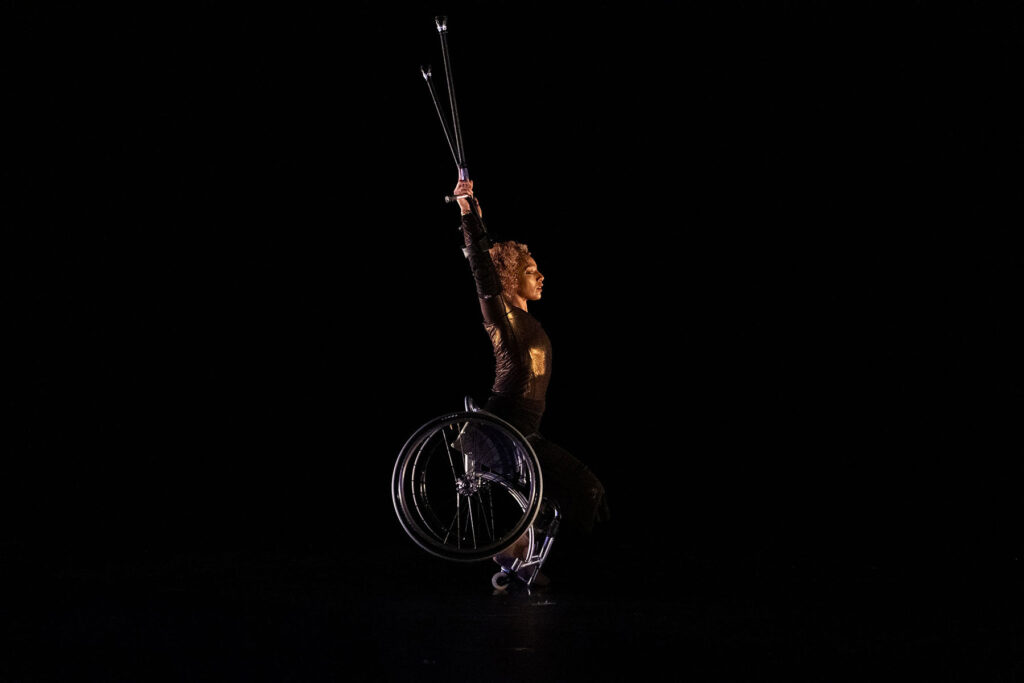
An occasion for commotion, and a chorus of motions. Choreography rotating your revolutions and then some.
A workshop inviting participants to enact a series of scores that explore witnessing, testimony, grief and mourning, facilitated by Mezna and Sadia, and accompanied by Sakina Ali.
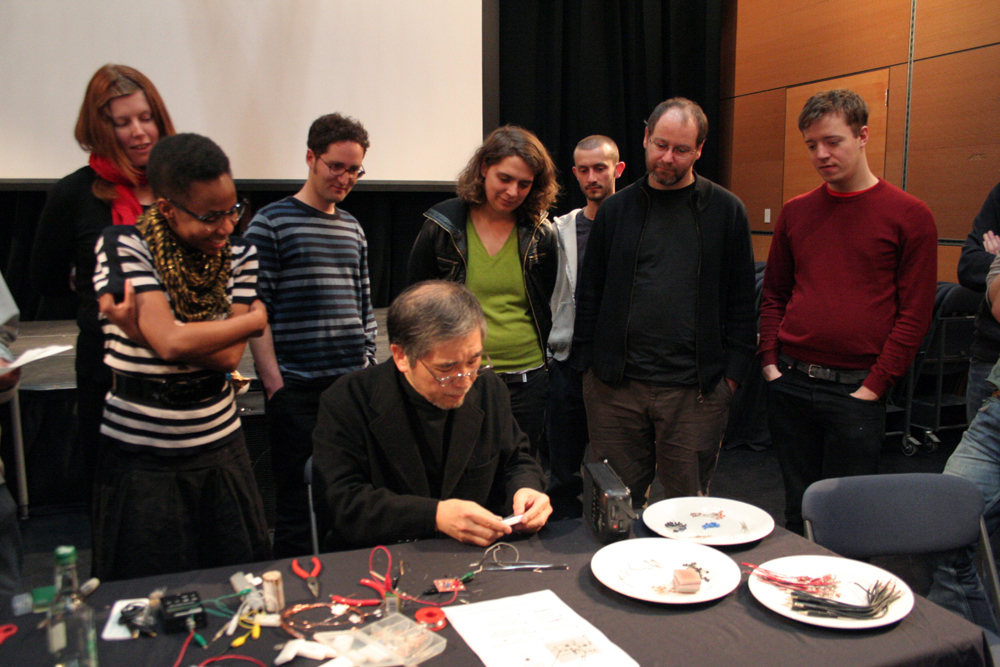
A simple hands on workshop with micro-radio theorist and pioneer Kogawa.
Final workshop exploring work, care and class. Does the ‘care industry’ summon forth its own class? Can this ‘affective class’, in their ability to care for others, militate against the carelessness of self-interest?