Michiyo Yagi
Michiyo Yagi
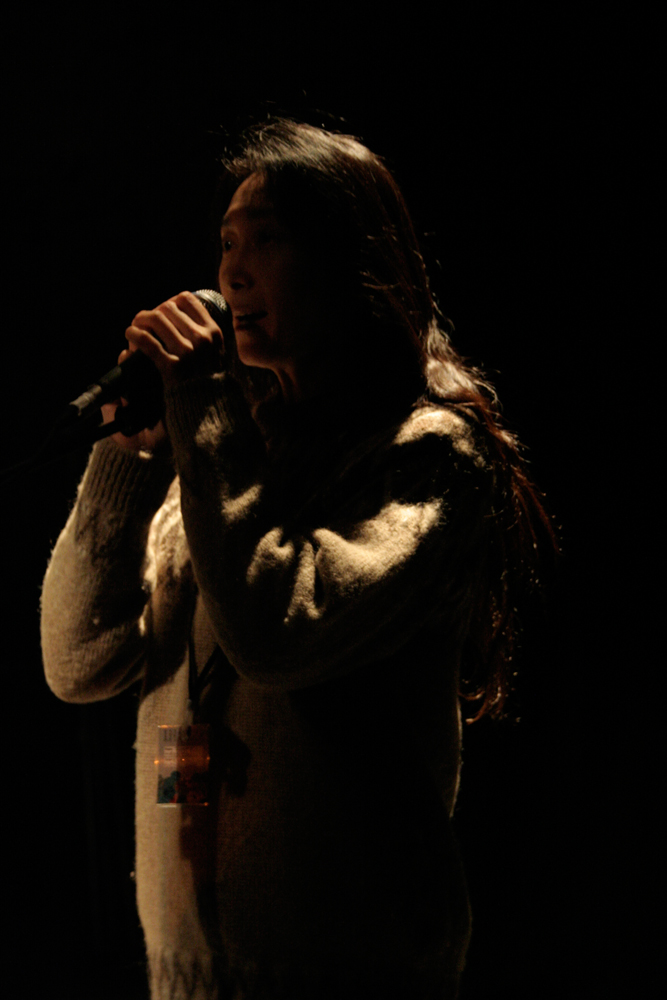
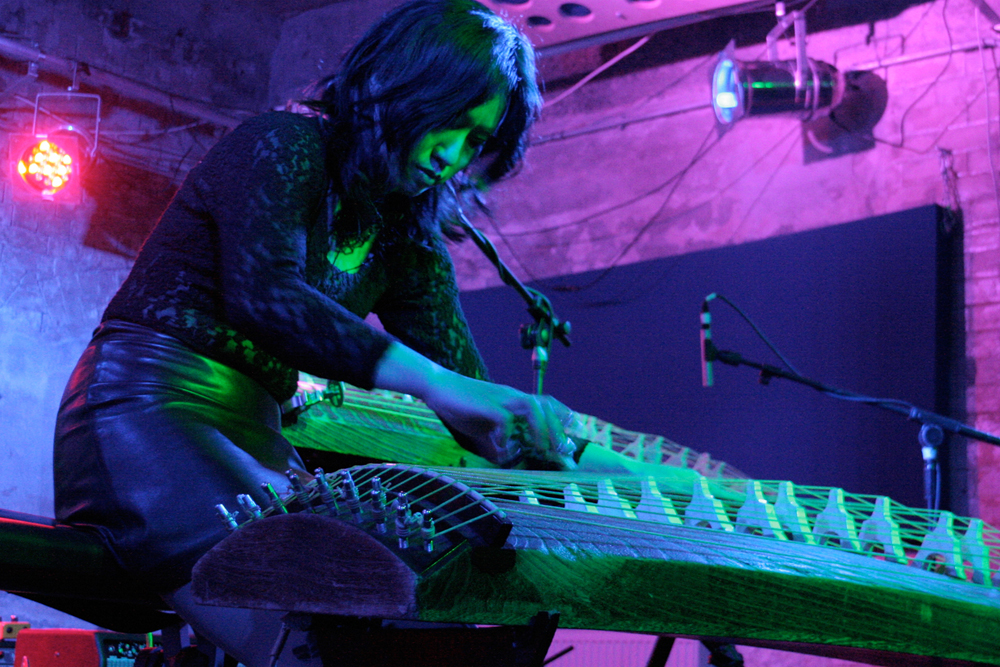
Sometimes delicate, sometimes harsh and jarring, Yagi’s koto solos are as much inspired by Nancarrow or Cage as they are traditional.
Arika have been creating events since 2001. The Archive is space to share the documentation of our work, over 600 events from the past 20 years. Browse the archive by event, artists and collections, explore using theme pairs, or use the index for a comprehensive overview.
Sometimes delicate, sometimes harsh and jarring, Yagi’s koto solos are as much inspired by Nancarrow or Cage as they are traditional.
Why won’t the idea of the particle or individual go away? Is the measurement problem in physics a documentary film issue? What can a human be without its crutches of life-time and measure?
Trio vocal performance of a score by Achim Wollscheid with Aileen Campbell, Junko and Dylan Nyoukis.
What happens when you are engaged in a deep and extended artistic practice that intersects between literature and music, notation and improvisation, sight and sound?
A voice that can vault from an elegantly whispered insinuation to asphyxiated and murderous barks or squalls in a heartbeat.
Jarringly beautiful and often maniacal expression of hallucinatory and very personal visions.
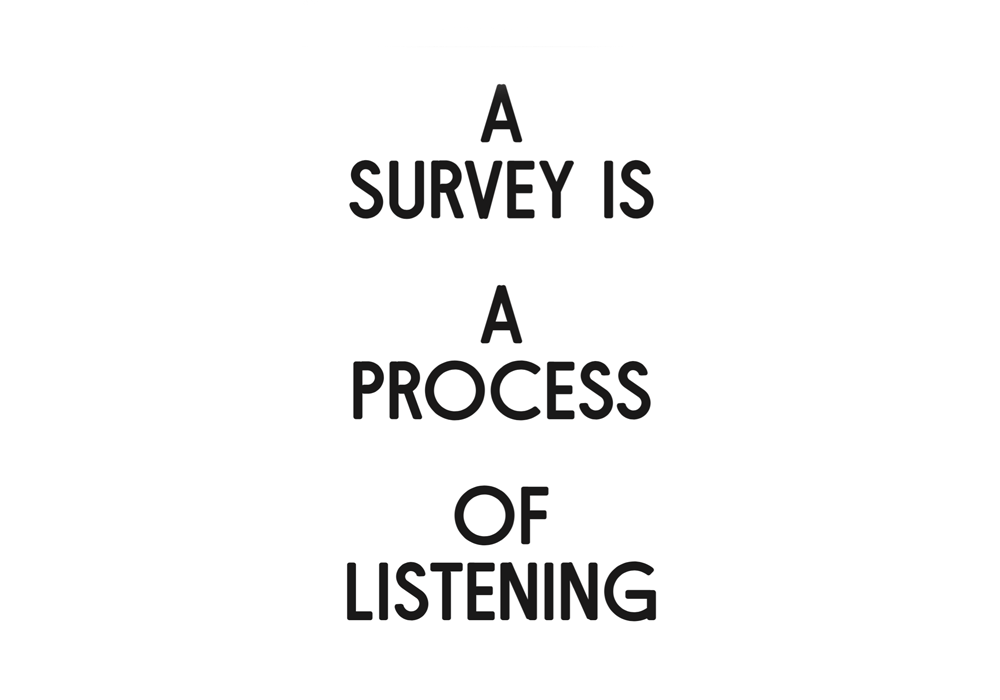
A performative survey of listening, as we managed to find it being used as a tool in different practices, disciplines and communities in North America (music, poetry, film, philosophy, activism…).
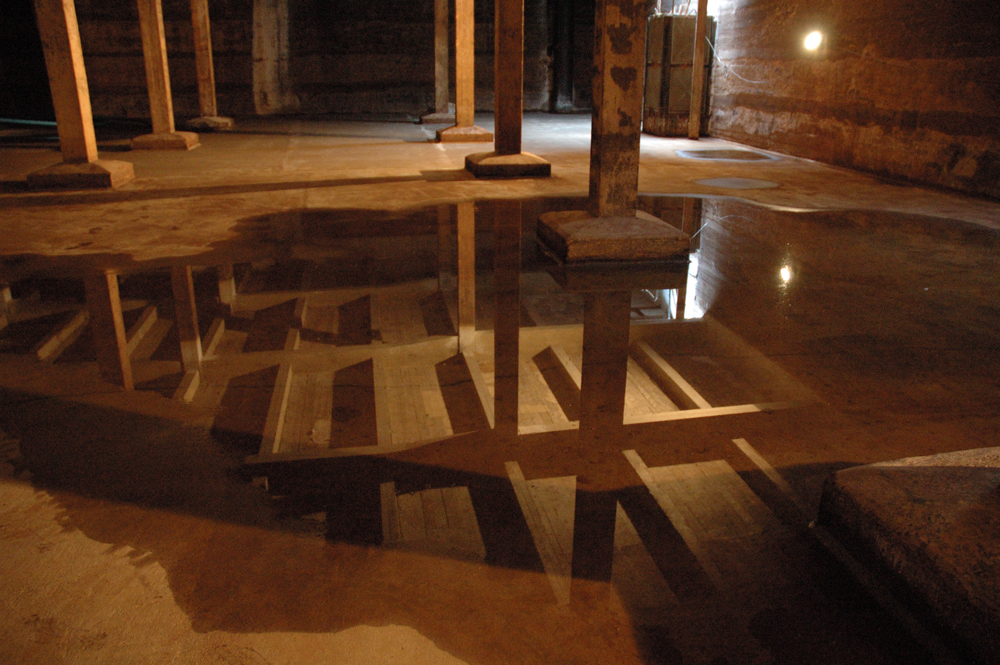
Akio Suzuki and John Butcher performing in an old underground reservoir in Fife.
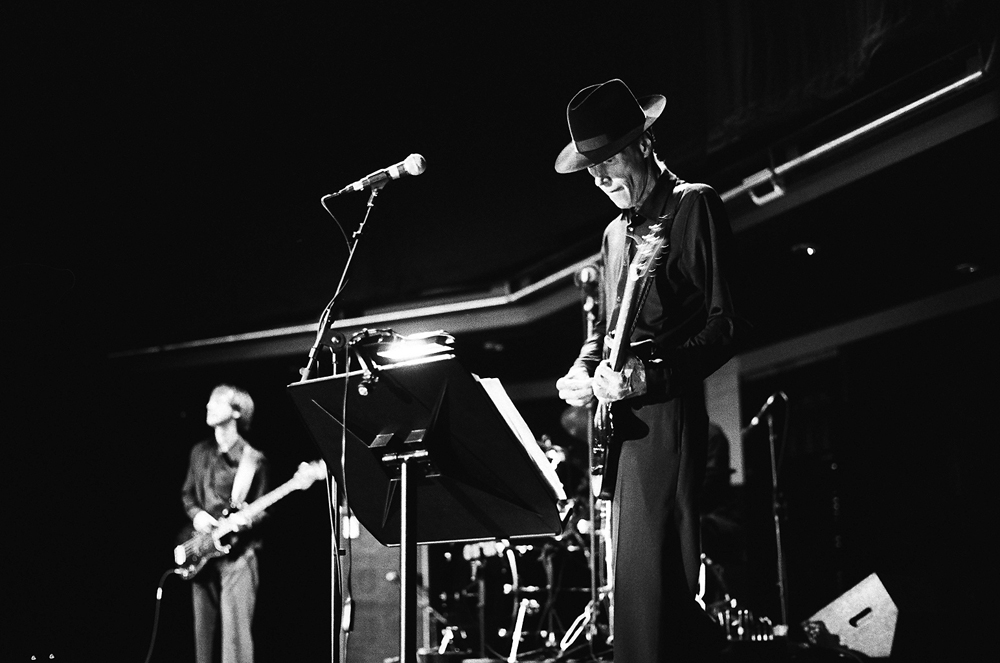
Jandek’s second ever live performance, and the first to be advertised in advance.
The films in the programme take the essential and fundamental building blocks of cinema (combining sound and image through time) screw about with them, interrogate them and cast them anew.
Repetitive, mesmerizing rhythmic workouts, to pieces of stark and rigorous introspection, where notes picked and slid in isolation, scatter like mercury around the listener.
5 days of film, music, discussion and study of our collective incompleteness—arrayed against the colonial ordering of how we come to know the world—practicing how we might exist otherwise, right here and now. Can we start to know and practice the world to come?