Party & Performances
Marianne Chargois MC Ray St. Ray Sex Workers’ Opera
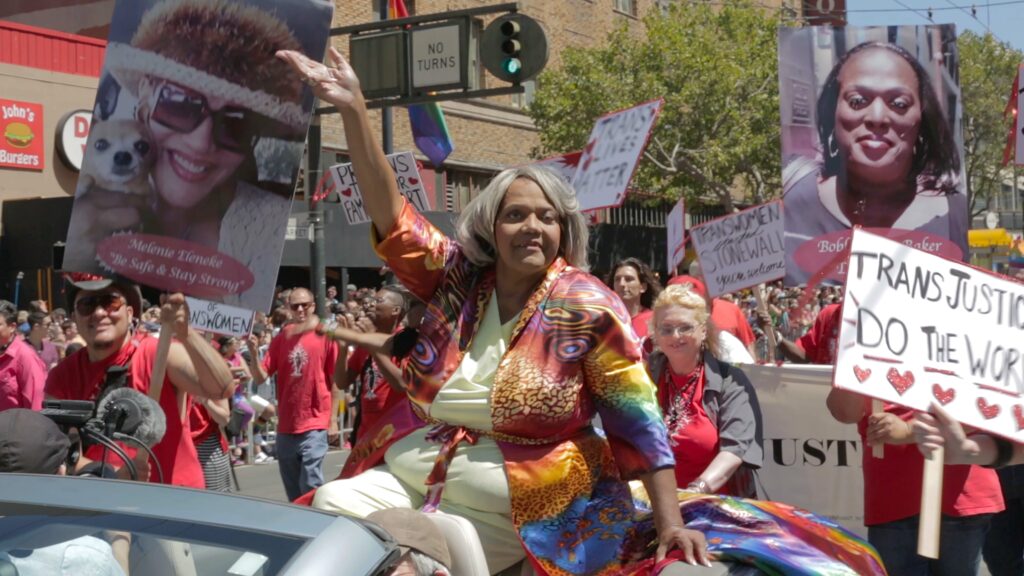
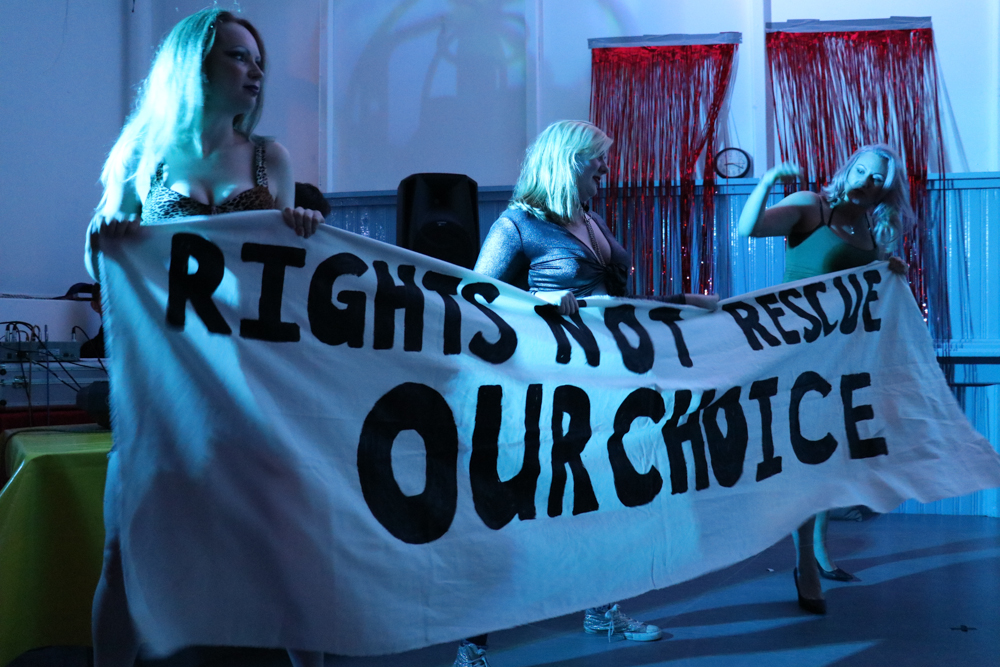
A party and fundraiser to support Sex Workers’ struggles and LGBT Unity with music and performances from the sex workers’ community and allies, plus DJ’s and dancing.
Arika have been creating events since 2001. The Archive is space to share the documentation of our work, over 600 events from the past 20 years. Browse the archive by event, artists and collections, explore using theme pairs, or use the index for a comprehensive overview.
A party and fundraiser to support Sex Workers’ struggles and LGBT Unity with music and performances from the sex workers’ community and allies, plus DJ’s and dancing.
Kenneth Goldsmith reads extracts of his conceptual poetry and Achim Wollscheid manipulates mobile phone signals.
For day two of Ultra-red’s project, the investigation will take up protocols for listening to the sound of freedom composed and facilitated by the Vogue’ology collective.
A system in which film is projected onto copper strips, captured again and then re-projected as video, somehow transforming the original imagery into molasses-slow, molten and incredibly tactile flickers of colour and light.
A performed self-cancelling discussion, with artists from the festival, invited speakers and local artists talking at once, over each other, or straining to be heard over the din.
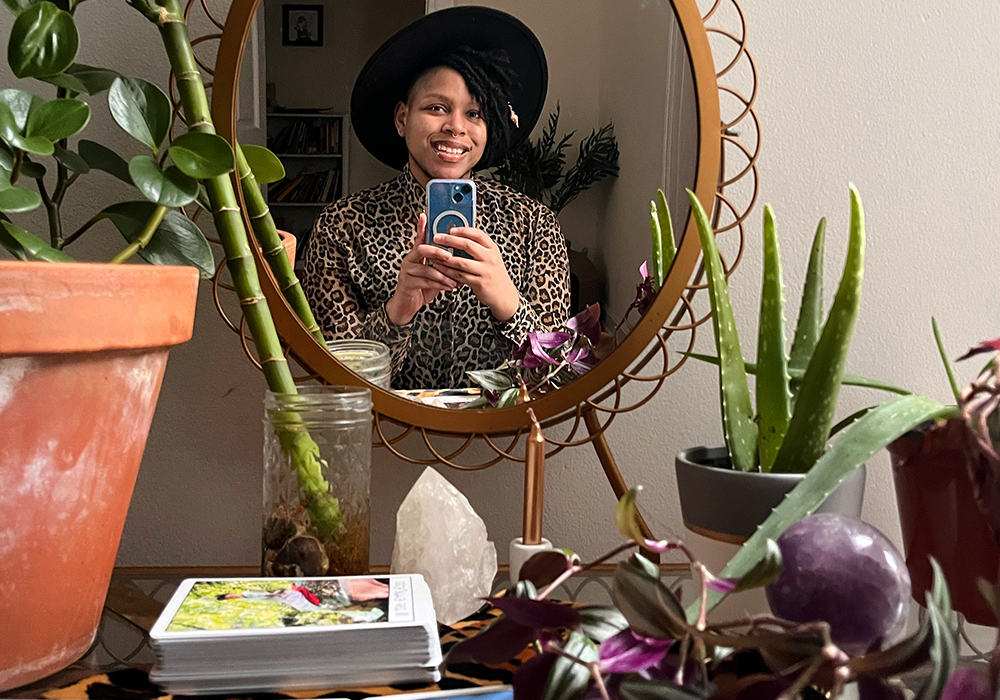
What to do about a telethon other than fuck it up? Poet, tarotist, artist, and librarian Cyrée Jarelle Johnson returns to IWBWYE to read the 1980s and ’90s for what those decades were: practice for now.
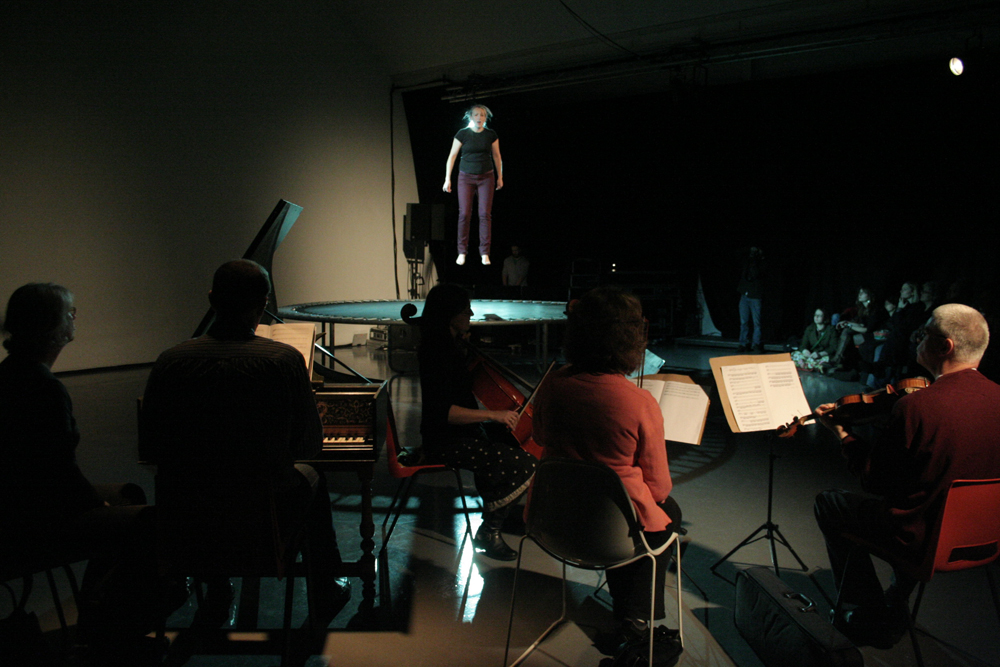
A chorister attempting to sing Vivaldi, with live accompaniment, while trampolining for 20 minutes.
What is the radical concept at the core of ‘rhythm’, expanded from simply musical or mathematical notions to encompass personal, social, collective rhythms?
John Mullarkey sets in a wider context our understanding of Alain Badiou and Francois Laruelle, two of the most radical philosophers in Europe today.
Three (thankfully short) chats wherein we try and get at what’s eating us with regards to experimental music, and what we think might be worth salvaging.
How do you know what you want? Should freedom be doing what you ought, not doing what you want? How might a philosopher and artist turn this thinking into an enabling condition in the context of noise and improvisation?
How do communities formed under the duress of violent othering and the joy of solidarity – such as ballroom culture, Black diasporas, Zapatistas – reform bonds of kinship?