


18 June 2026
Collective Art Workshop
Scotland for Decrim
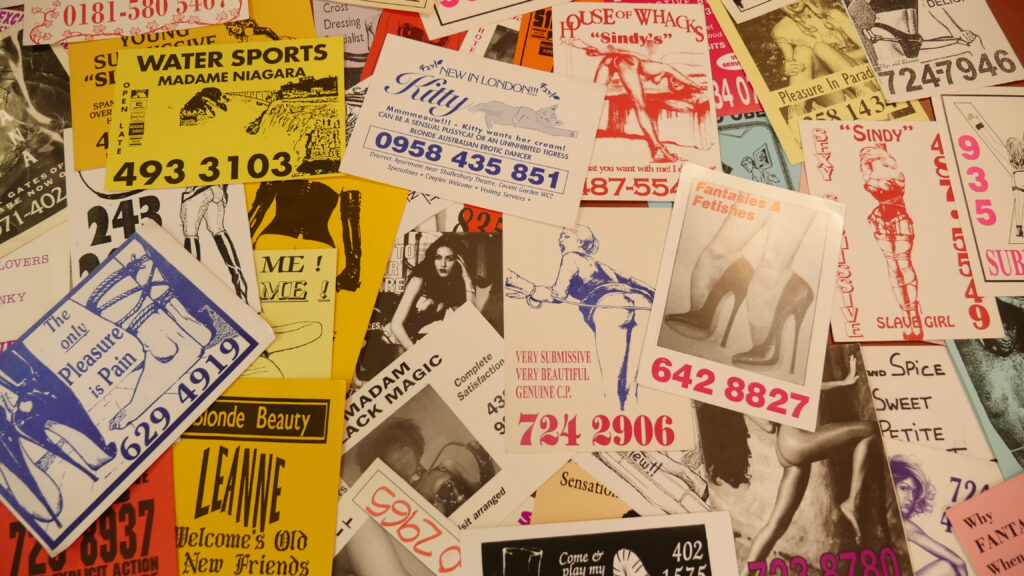
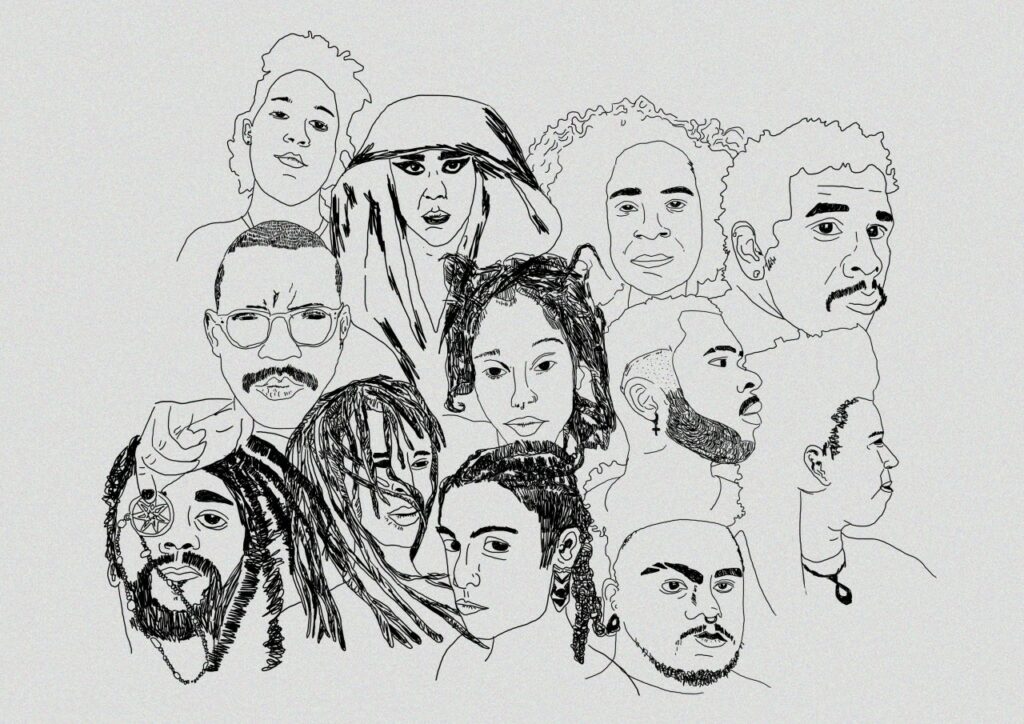
Sex worker only Collective Art Workshop led by the Hard Labour project from Scotland for Decrim.
Arika have been creating events since 2001. The Archive is space to share the documentation of our work, over 600 events from the past 20 years. Browse the archive by event, artists and collections, explore using theme pairs, or use the index for a comprehensive overview.
Sex worker only Collective Art Workshop led by the Hard Labour project from Scotland for Decrim.
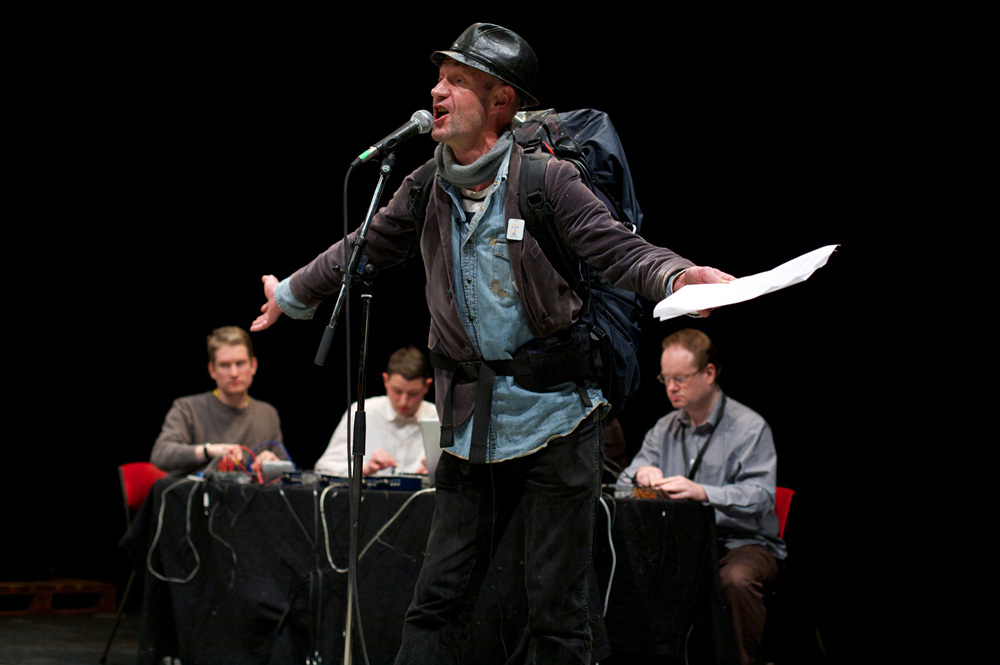
A performance, a radio show, an installation, an endurance test. A game of chance. Constantly broadcasting live, actor Tam Dean Burn will leave Tramway at the start of INSTAL and walk away from it, in an ever increasing spiral, for a day. Then he’ll walk back.
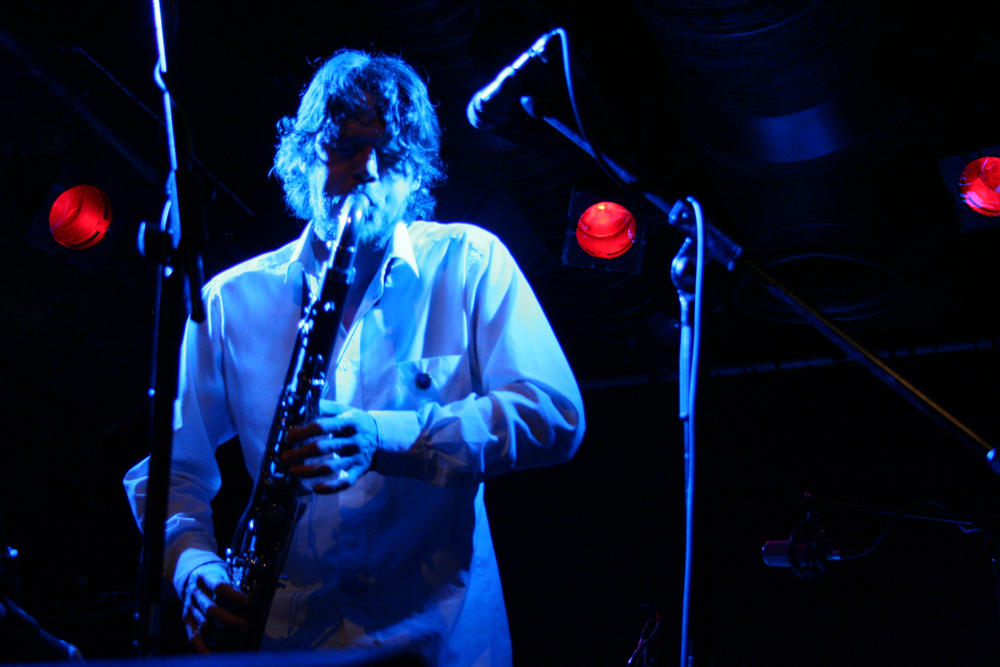
Solo performance on bass clarinet, jaw harp & voice by Arrington De Dionyso.

The second in a series of workshops for workers and non-workers who care. What does the sharing of vulnerability entail? Can such a sharing inform progressive social relations?
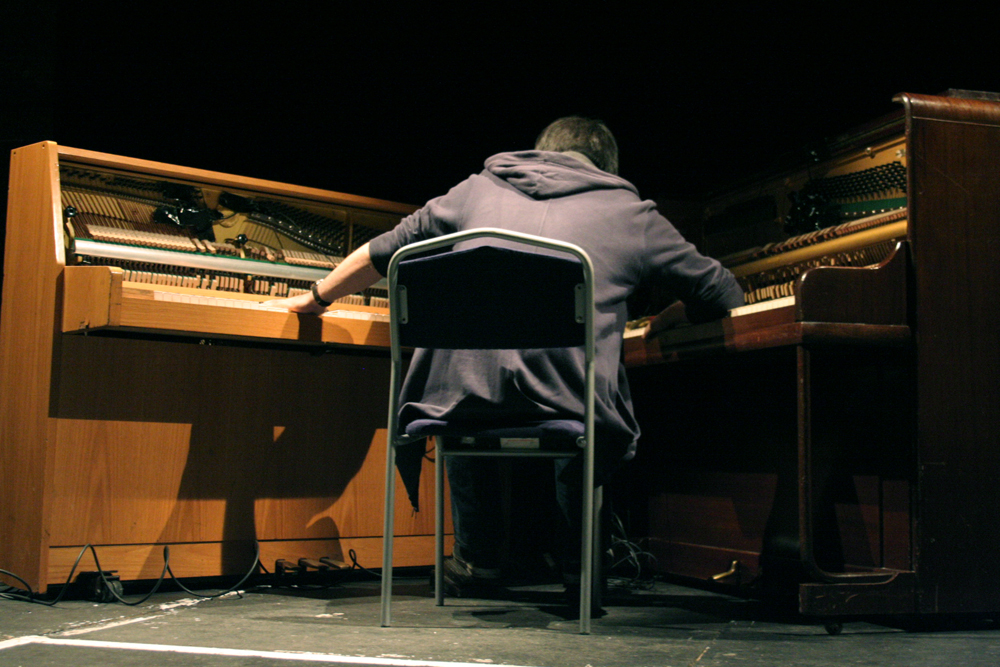
Sachiko’s very simple, pure sine tones and structures. Otomo on double pianos. Filament’s music isn’t composed and it isn’t improvised: it’s a hybrid of the two.
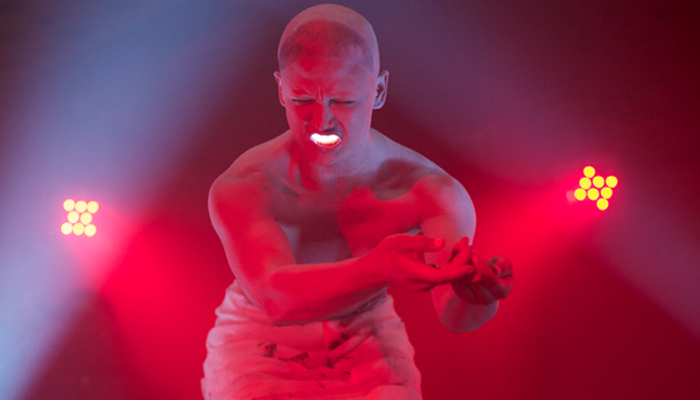
The club as a community and a site for performed politics: deep/ queer house, vogue femme, lipsync and ballroom.
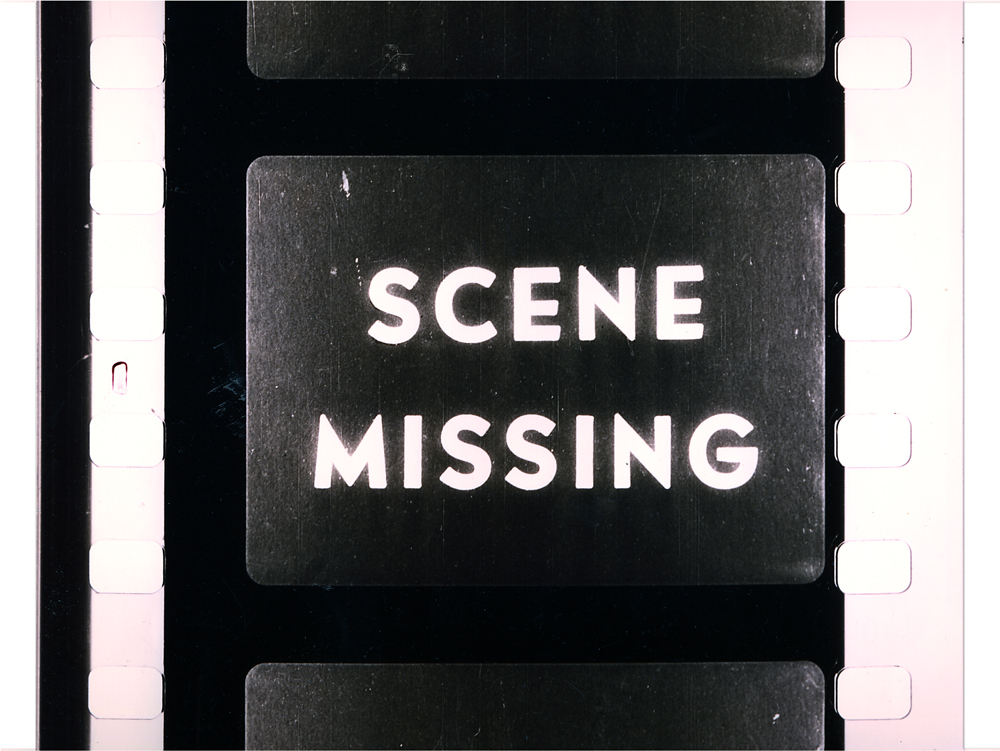
A double bill of Morgan Fisher films that ask what can be achieved by a simple structural method of commenting on scraps of 35mm film, re-shot on 16mm film and what happens to meaning (if anything) when ‘insert shots’ are relieved of their original duty of providing crucial plot development for a variety of other movies?
How do you know what you want? Should freedom be doing what you ought, not doing what you want? How might a philosopher and artist turn this thinking into an enabling condition in the context of noise and improvisation?
There are core ways in which our listening to the radio differs from other kinds of listening. What happens when we pay attention to how we pay attention?
A 2-day workshop to deconstruct our classed experiences and the ways in which we reproduce the same class system we fight against, in order to create a stronger, more egalitarian Scottish art sector.
Jandek performing at the Scottish Rite Theatre in Austin, Texas with Juan Garcia, Nick Hennies and Chris Cogburn.