Filament: Sachiko M & Otomo Yoshihide
Otomo Yoshihide Sachiko M
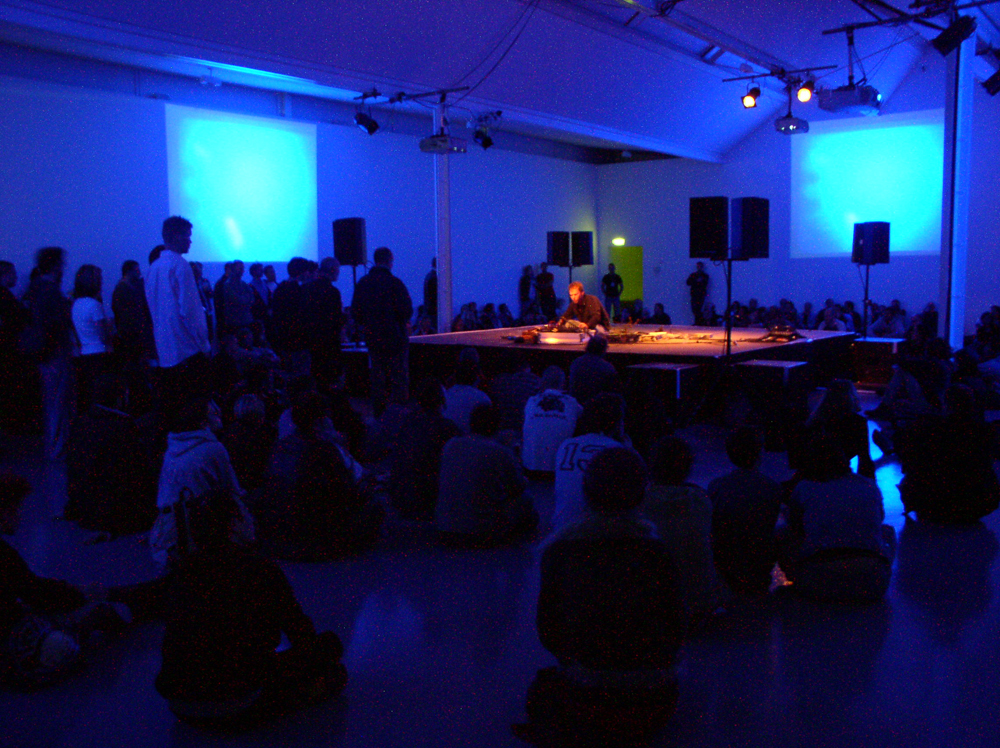
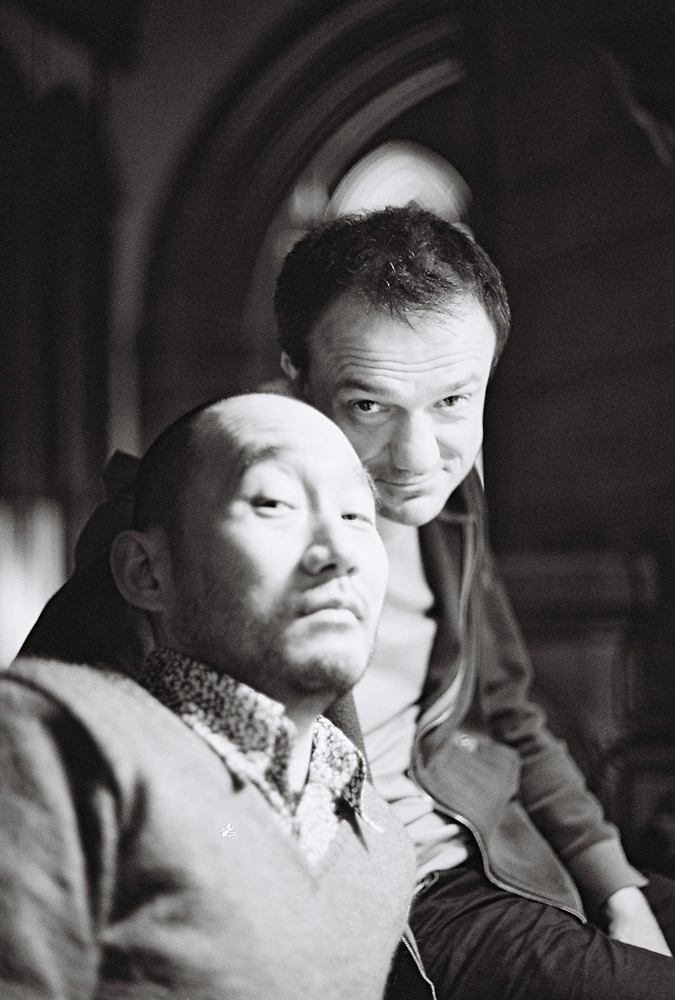
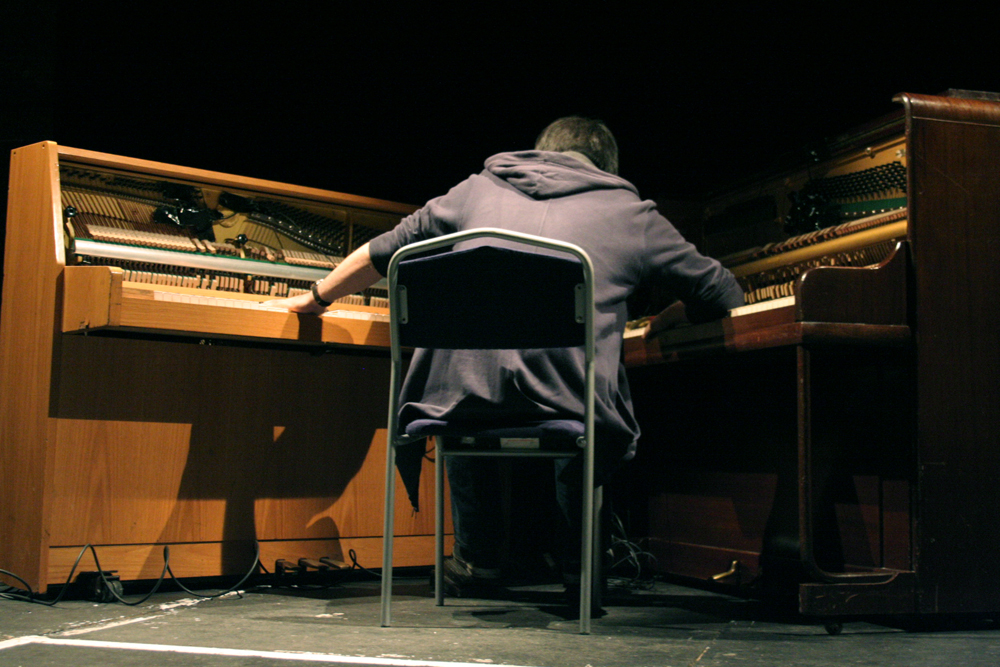
Sachiko’s very simple, pure sine tones and structures. Otomo on double pianos. Filament’s music isn’t composed and it isn’t improvised: it’s a hybrid of the two.
Arika have been creating events since 2001. The Archive is space to share the documentation of our work, over 600 events from the past 20 years. Browse the archive by event, artists and collections, explore using theme pairs, or use the index for a comprehensive overview.
Sachiko’s very simple, pure sine tones and structures. Otomo on double pianos. Filament’s music isn’t composed and it isn’t improvised: it’s a hybrid of the two.
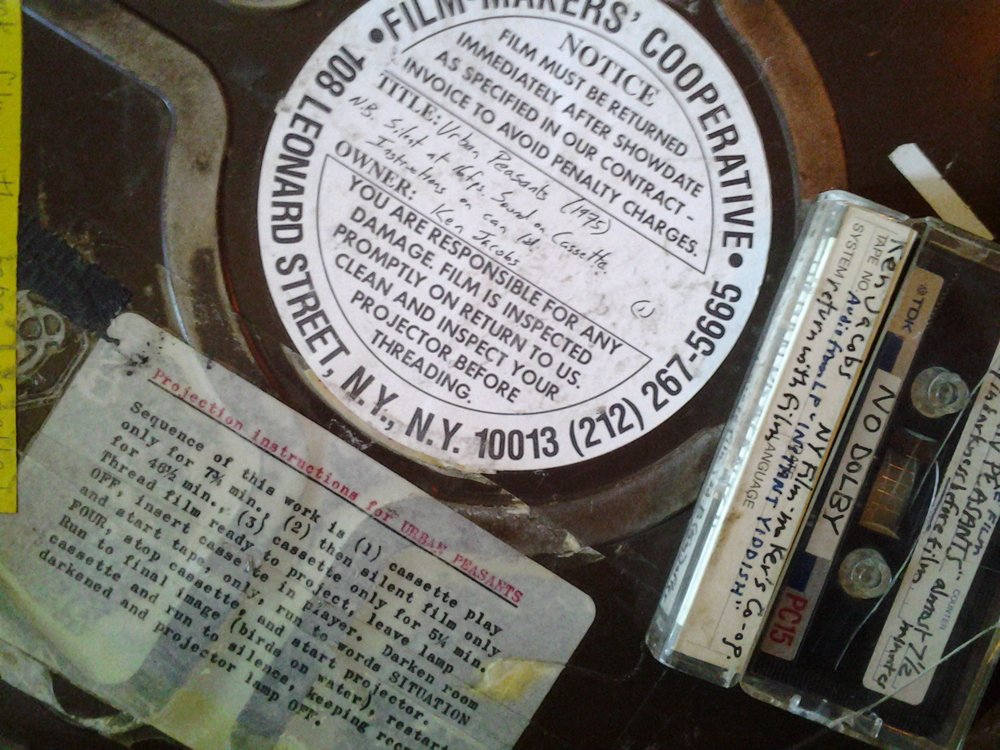
Do almost nothing: re-present (unaltered and arranged by chance) silent family home movies handed down to Flo, (Ken’s wife) and follow them with a “teach yourself Yiddish” cassette tape.
Quartet improvisation by Klaus Filip – laptop, Radu Malfatti – trombone, Sean Meehan – snare & cymbals, Taku Unami – rice and dish.
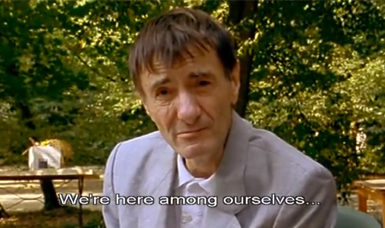
Dir. Nicolas Philibert
Documentary of La Borde clinic in France and its radical politics of experimentation, in which residents and staff reciprocate in a kind of entanglement, an opening up amongst themselves.
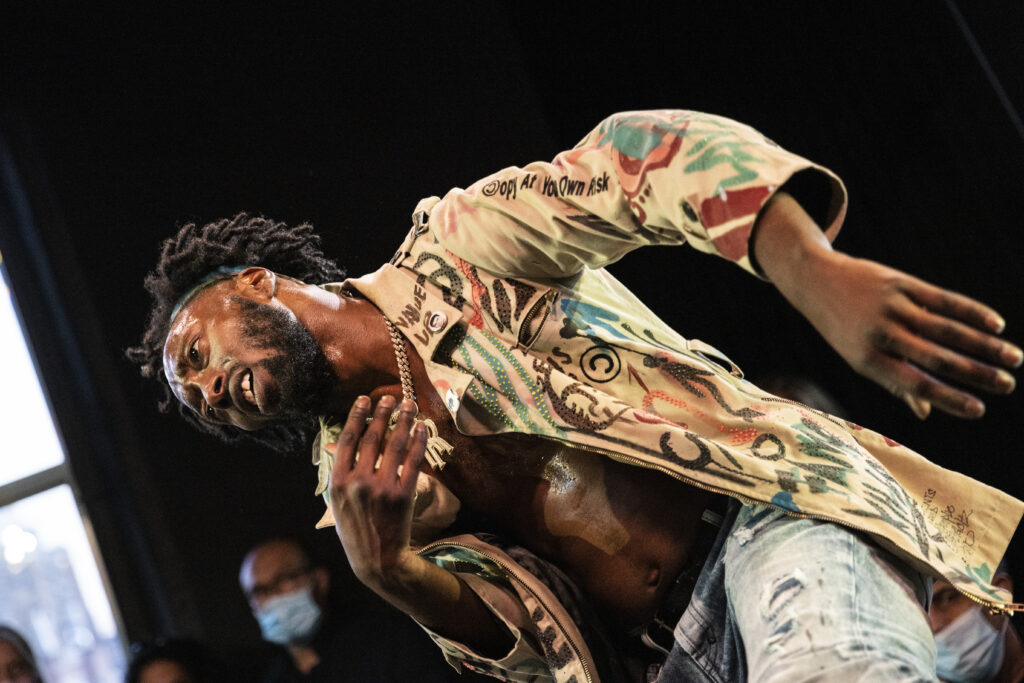
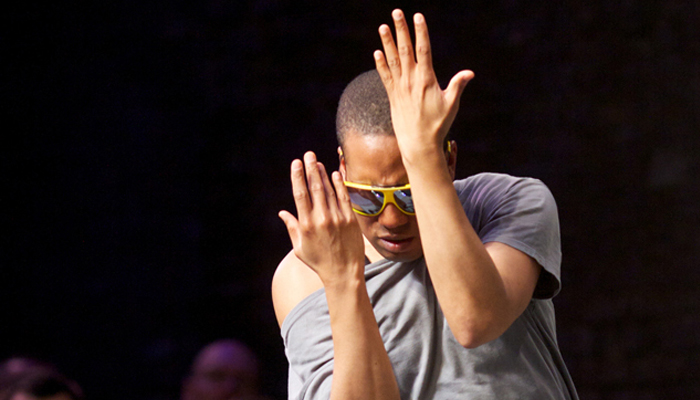
Live in person at Performance Space New York and live-streamed everywhere! Watching Storyboard P dance feels like glimpsing into another world.
By focusing on the things that most people don’t notice or pass by uncaring – Steve Roden crafts gentle, sparse and metaphorically loaded compositions.
A film performance about Guy then, and Guy now, as a metaphor for the passing of time, which of course all film is inherently about.
Brain boiling duo improvisation by great Japanese no input mixing desk pioneer Toshi Nakamura and french organ philosopher Jean-Luc Guionnet.
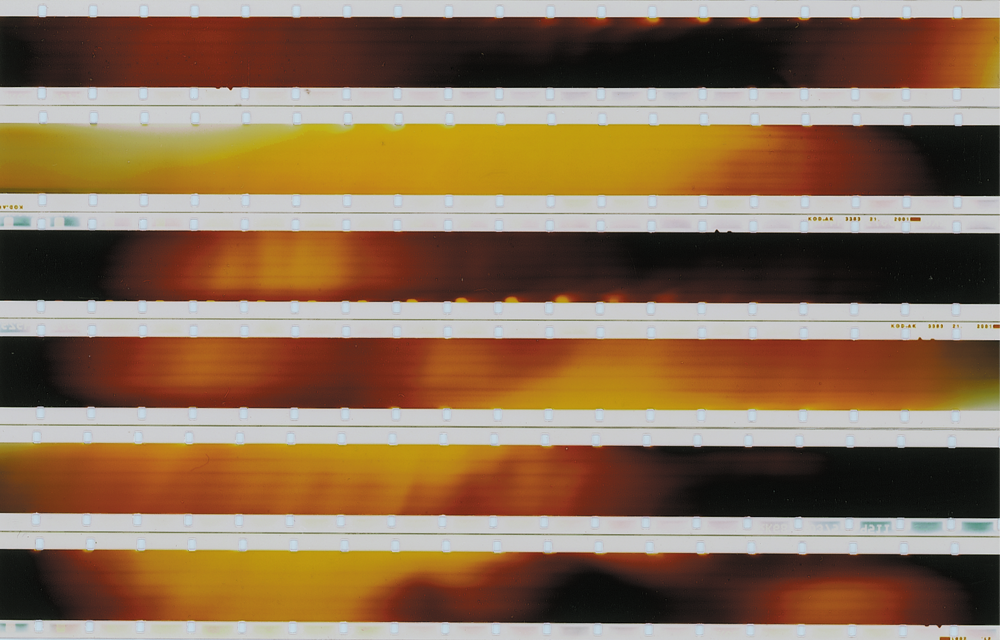
Each film in this programme celebrates process; the decay of emulsion, the properties of dust and dirt, the manipulation of time. Post the dawn of the digital age, we reflect on our love of the film form, celluloid as an object, a medium and a physical entity.
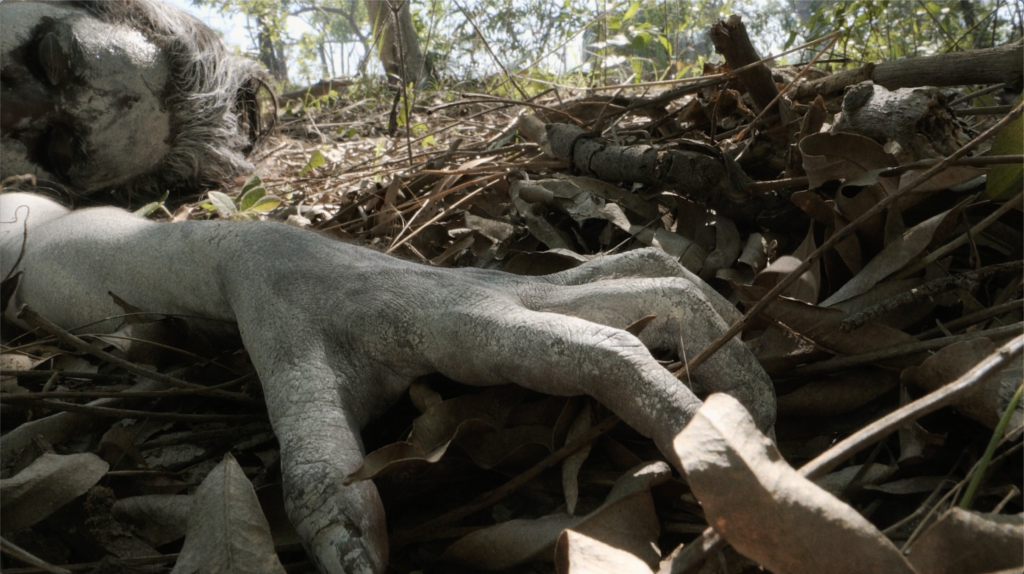
Watching films and chatting with Karrabing members about those films: as they attend to the memory and practice of the ancestral present and the ancestral catastrophe that Karrabing and their more-than-human world find themselves facing.
The pieces in the programme switch between silent film/ imageless sound, but we wanted to have a think about how ideas can take up residency on either side of the sound/ image border, without having to inhabit both at the same time.
A meditation on how all of us perform — sometimes reinforcing, sometimes subverting — the shifting categories of gender, sexuality and race.