Become What You Are
Dawn Kasper
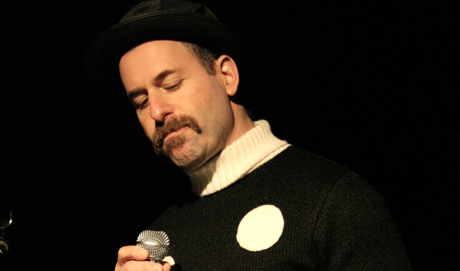
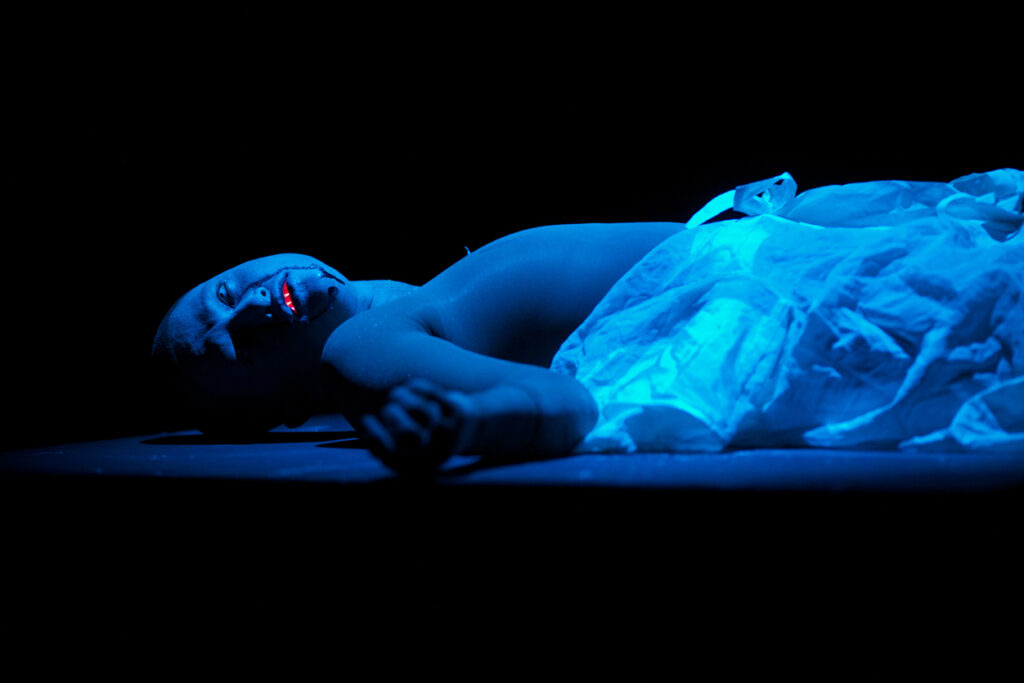
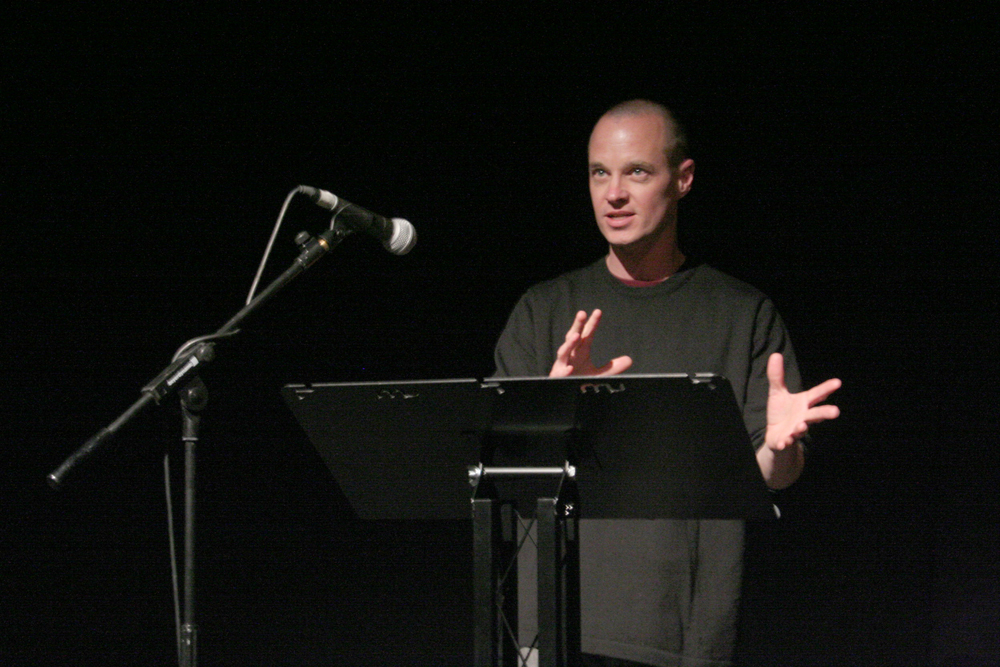
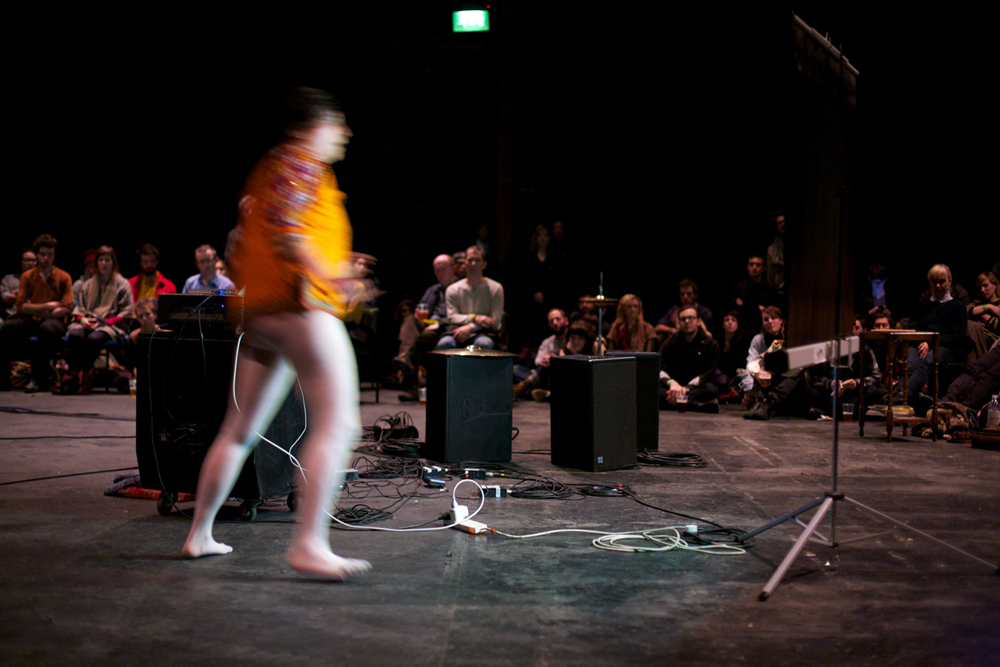
Slapstick comedy, monologue, and a kind of live sculpture transformed through video, props, musical instruments and make-up.
Arika have been creating events since 2001. The Archive is space to share the documentation of our work, over 600 events from the past 20 years. Browse the archive by event, artists and collections, explore using theme pairs, or use the index for a comprehensive overview.
Slapstick comedy, monologue, and a kind of live sculpture transformed through video, props, musical instruments and make-up.
The 2006 INSTAL festival saw a broad selection of artists that included Blood Stereo and Ludo Mich, Ellen Fullman and Sean Meehan, Keiji Haino and Tony Conrad and a specially created performance by Maryanne Amacher.
Miniscule free-noise hissy-fits and broken instrument scrape/ squeal jams from the fools what brought you Giant Tank.
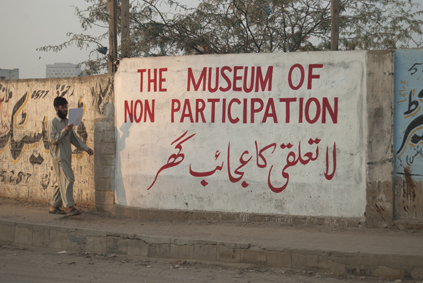
This performance brings together film, text and speech and temporarily constructs a filmic space to think through questions of resistance, and the choice and consequence of action vs. inaction: what does it mean to choose to not take part?
Acoustic turntable, engines, trumpet and accordion joined by Bassist Magarida Garcia: build long-form quietly detailed pieces that clatter and rumble, that expand and contract with the tension and release of deeply held breath.
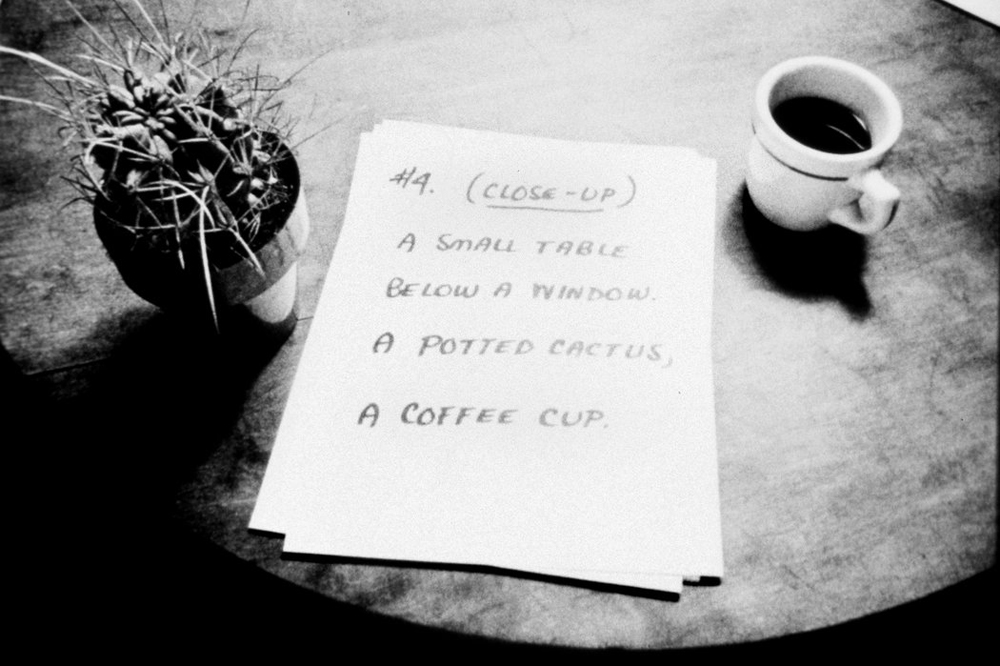
A cinema of the mind, a film to take place in the viewers’ imagination(s).
Kenneth Goldsmith reads extracts of his conceptual poetry and Achim Wollscheid manipulates mobile phone signals.
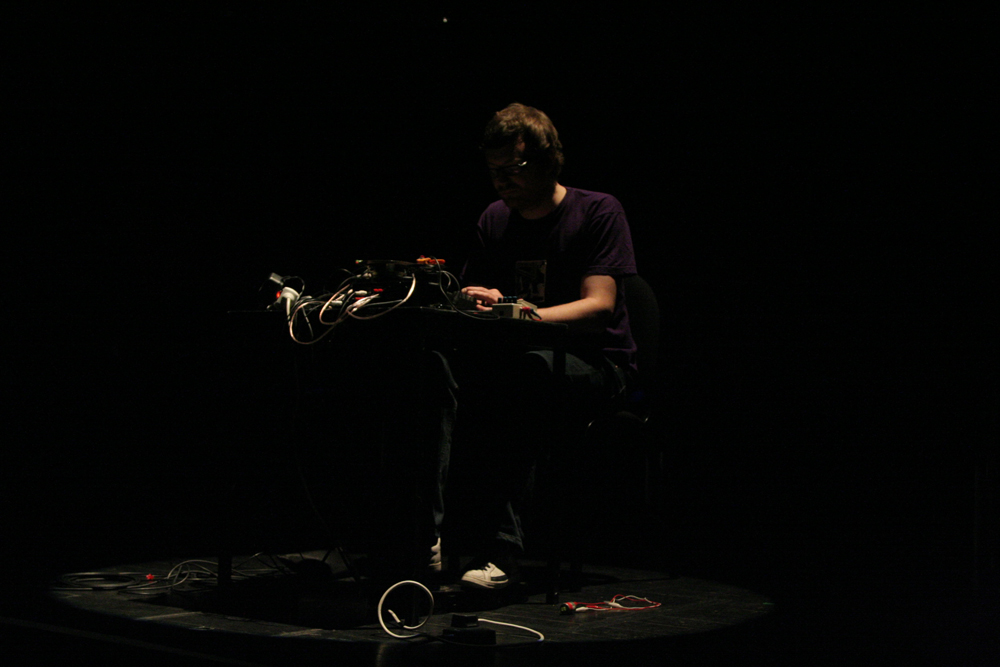
Solo by Jean-Philippe Gross, a French electro-acoustic improviser, working with mixing board, cheap mics, small speakers and an analog synth, built around a honed interest in feedback.
Voguing, drag, clubbing, and the politics of communities making different performances of gender and sexuality visible.
The mutability of the body and the mobility of identity: queered pop culture, drag, lip-sync and performance.
Killer of Sheep is an undisputed masterpiece of African-American filmmaking and one of the most poetic, perceptive dramas ever made about family and community.
Dworkin asks: What would a non-expressive poetry look like? A poetry of intellect rather than emotion?