Self Cancellation – Dry Ice With Metal
Michael Colligan
Michael Colligan pressing white hot metal into dry ice, causing the metal to sing and scream.
Arika have been creating events since 2001. The Archive is space to share the documentation of our work, over 600 events from the past 20 years. Browse the archive by event, artists and collections, explore using theme pairs, or use the index for a comprehensive overview.
Michael Colligan pressing white hot metal into dry ice, causing the metal to sing and scream.
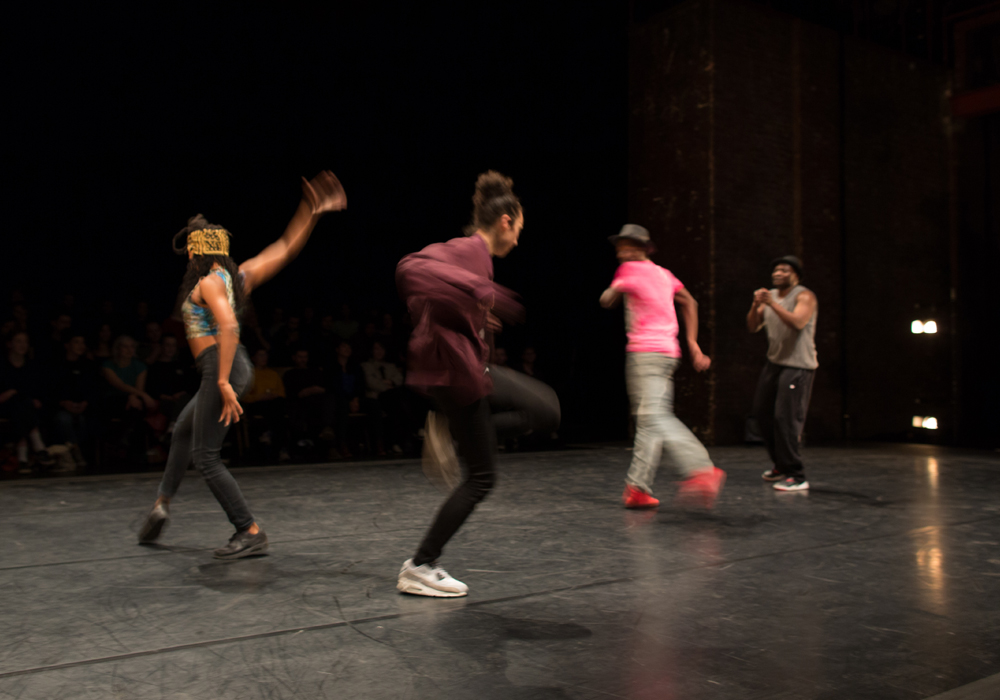
What would have happened in 1963 if someone from the voguing ball scene going on in Harlem had travelled downtown to perform alongside the early postmoderns at Judson Church?
Austrian guitarist who specialises in a warm digital deconstruction of guitar noise
Edinburgh. Nigh-inaudible improv jams with disabled instruments from the makers of Giant Tank and Pizza Boy Delivery.
Out holler/ howl of English pukenoise posterboys exploded by incessant insect chatter of Northern fug dweller.
Temporary Outpost for an Auditory Gesture is a kind of performed installation that explores how sonic phenomena (like feedback, vibration, resonance, echo, rhythm) condition our experience.
A spectacular musical show which discusses the representation of a nation state, its characters and history. A learning play on myth construction and its reproduction.
In true reality television style, this in-depth artist talk will tackle all the hardest-hitting questions and juiciest details about care, creative collaboration, and disability justice.
How might two of the great musicians working within contrasting traditions of freedom collaborate? What might this produce: musically, socially, allegorically?
The second of two short film programmes featuring works that blur the boundaries between music and film from artists who cross and redefine those long held divisions. This programme highlights contemporary works.
Taking a scalpel to the relationship between performer and audience: cutting something out to see what’s left, a drastic subtraction and shift of emphasis.
Dworkin asks: What would a non-expressive poetry look like? A poetry of intellect rather than emotion?