Kill Your Timid Notion 03
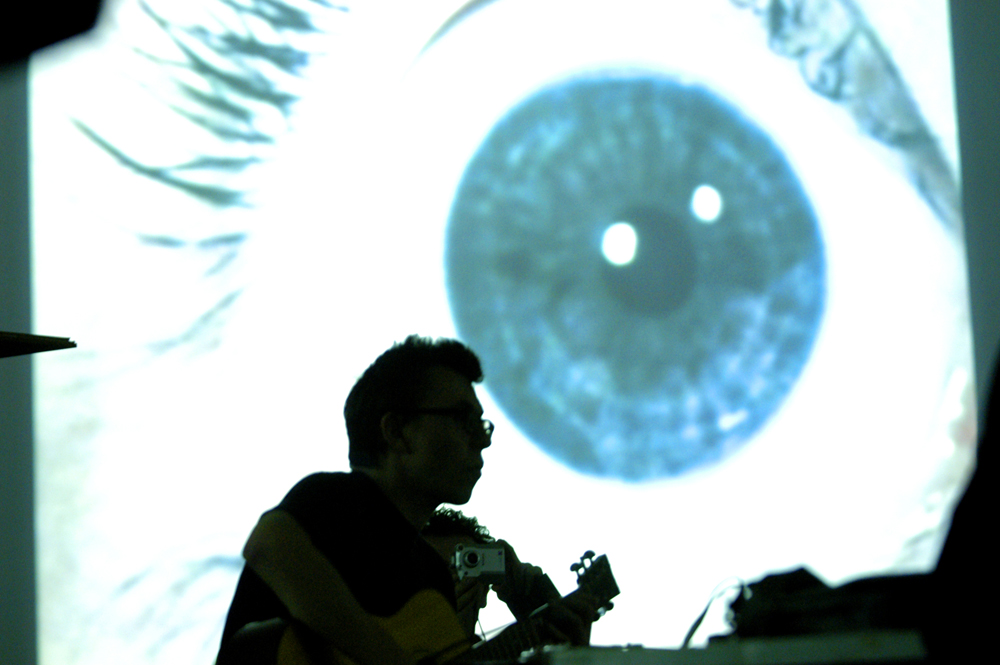
Taking over the gallery spaces at Dundee Contemporary Arts, the first Kill Your Timid Notion presented a 3 day programme of live immersive experiences and specially curated film programmes.
Arika have been creating events since 2001. The Archive is space to share the documentation of our work, over 600 events from the past 20 years. Browse the archive by event, artists and collections, explore using theme pairs, or use the index for a comprehensive overview.
Taking over the gallery spaces at Dundee Contemporary Arts, the first Kill Your Timid Notion presented a 3 day programme of live immersive experiences and specially curated film programmes.
A live installation of the ‘Film Ist’: projected on 4 huge screens and an improvised soundtrack from 4 figureheads of the Austrian experimental music scene.
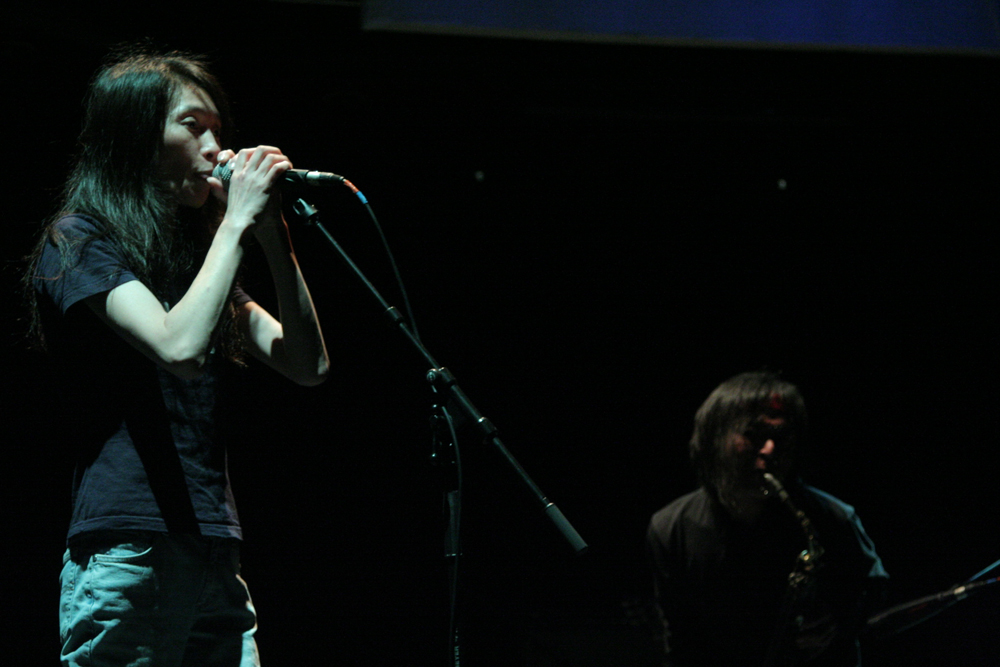
Junko’s screaming vocal in a nuanced, piercing duo with Urabe’s fuming and convulsive saxophone, far removed from the codes of musical tradition.
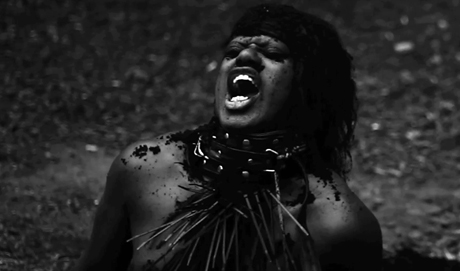
A queer black operatic requiem for piano and voice that asks us to stay in the hold of the slave ship, that tries to understand the connection from the slave ship to the prison.
Artist Derek Lodge running a specially designed social space, somewhere for conversation, story-telling and interaction.
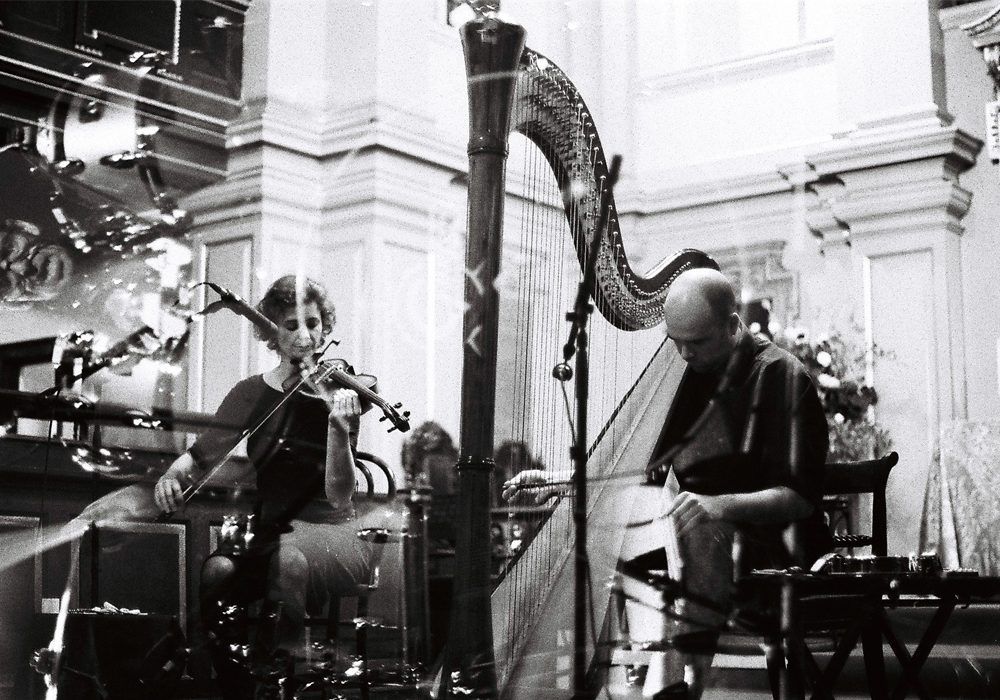
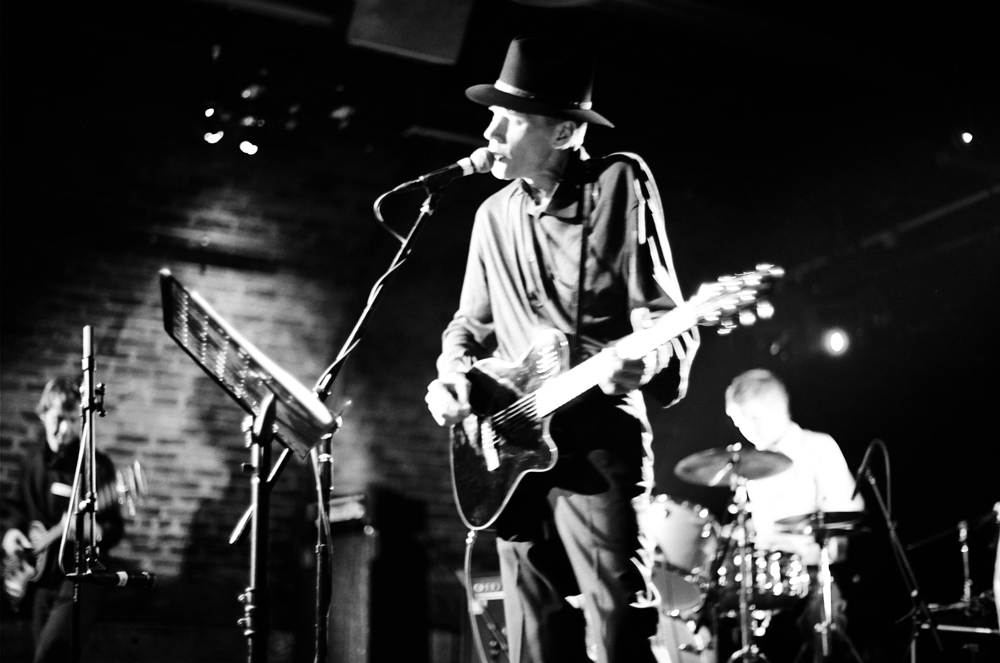
Performances at St Giles in the Fields, London by Jandek, Rhodri Davies & Angharad Davies, Rauhan Orkesteri.
Voguing, drag, clubbing, and the politics of communities making different performances of gender and sexuality visible.
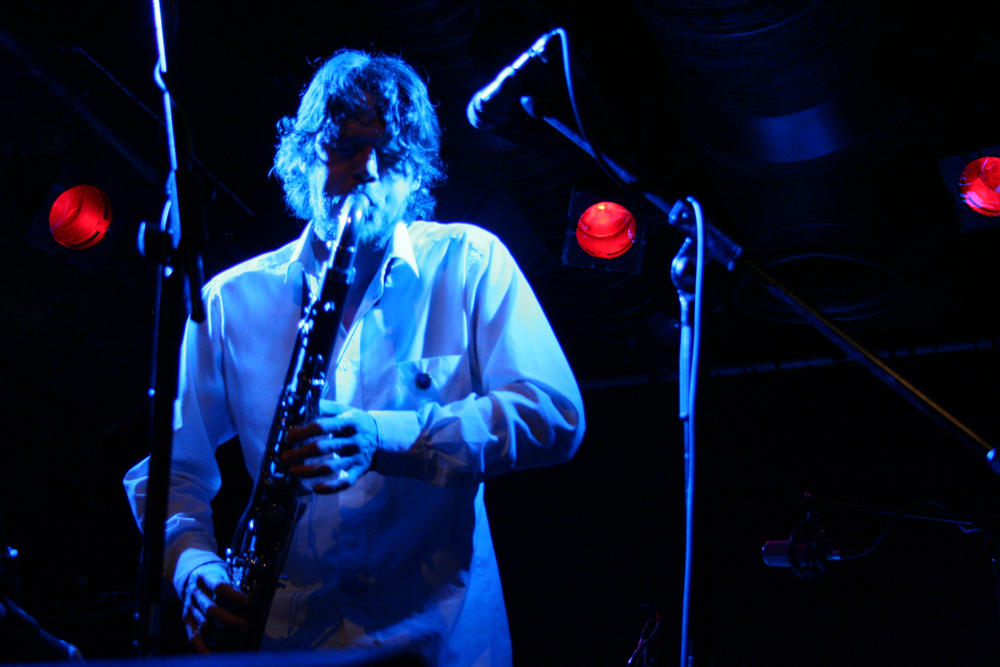
Solo performance on bass clarinet, jaw harp & voice by Arrington De Dionyso.
Jandek’s first ever live performance. Unannounced, the performance was a total surprise for everybody at the festival.
The first INSTAL festival (programmed by Barry Esson of Arika and Tiernan Kelly) featured a line-up including Robert Lippock, Philip Jeck, Fennesz, Paragon Ensemble, Icebreaker International, Defaalt and Rhomboi.
Ian and Gil will host a discussion on the Argument project’s social and political commentaries, and with you try and maybe think through whether and how they might still have some currency today: what’s changed and what’s stayed the same?
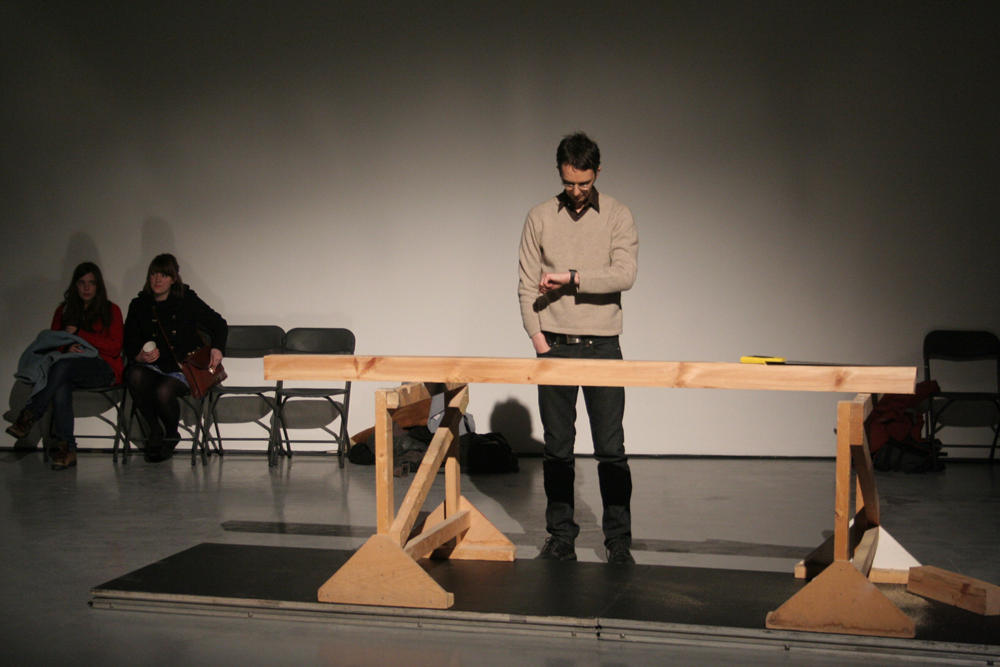
Can we use sound, repetition and difference to personally and collectively engage with space, time and labour?