I am not a nation-state
Leanne Betasamosake Simpson Nat Raha
One of the most compelling Indigenous voices of her generation discusses practices of Indigenous Resurgence drawn from Nishnaabeg poetic knowledge.
Arika have been creating events since 2001. The Archive is space to share the documentation of our work, over 600 events from the past 20 years. Browse the archive by event, artists and collections, explore using theme pairs, or use the index for a comprehensive overview.
One of the most compelling Indigenous voices of her generation discusses practices of Indigenous Resurgence drawn from Nishnaabeg poetic knowledge.
A collaborative duo performance, Anoyonodekigoto sets up a sort of negotiation between a musician, a dancer, the audience and the space we’re all sharing.
Listening to people listening to their own homes. Musicians and actors will listen back to recordings made in local peoples homes on headphones, and interpret/ translate what they are hearing.
Is it possible to dance our way out of the hardened stances and identity prisons we are locked in?
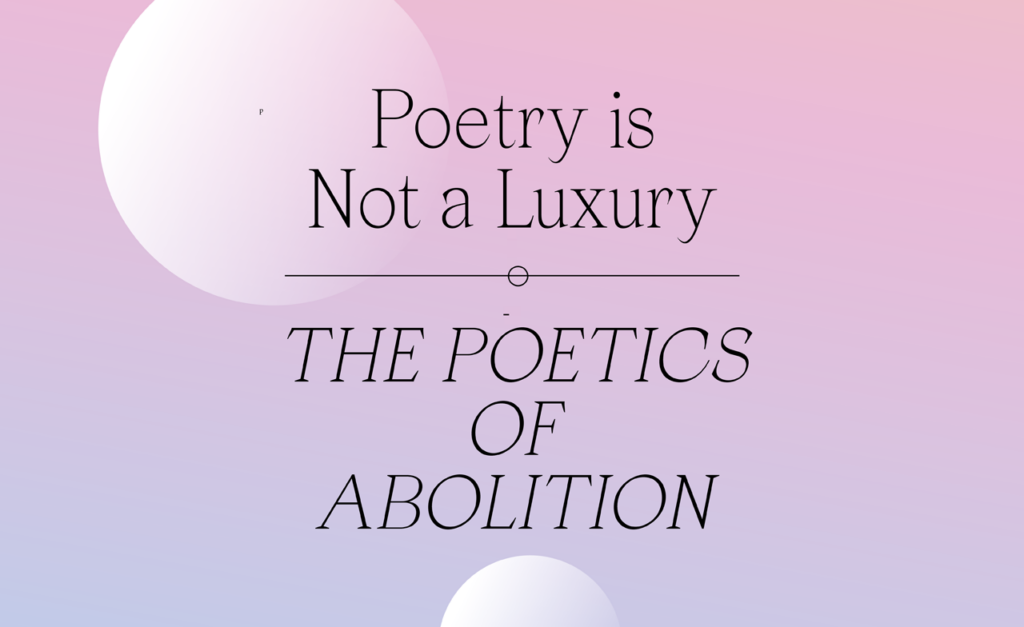
A panel exploring the poetics of abolition. “Poetry is not only dream and vision; it is the skeleton architecture of our lives. It lays the foundations for a future of change.”
Instead of the one-way monologue of normal performance, what would be the result of an actual collective dialogue? Where would it go?
ACCESS: SOUND FILE A day-long salon accompanying KYTN focusing on sound art.
Nothing if not repetitive, film is founded on the incremental succession of minute difference. But how does repetition of the same play out, and is it a tool to comment on the standardising repetition of the mass media?
A workshop for educators, activists and young people to think about radical, anti-imperialist pedagogy, and what fighting for the Palestinian cause looks like for young people in the imperial core. PDF of the resource available soon.
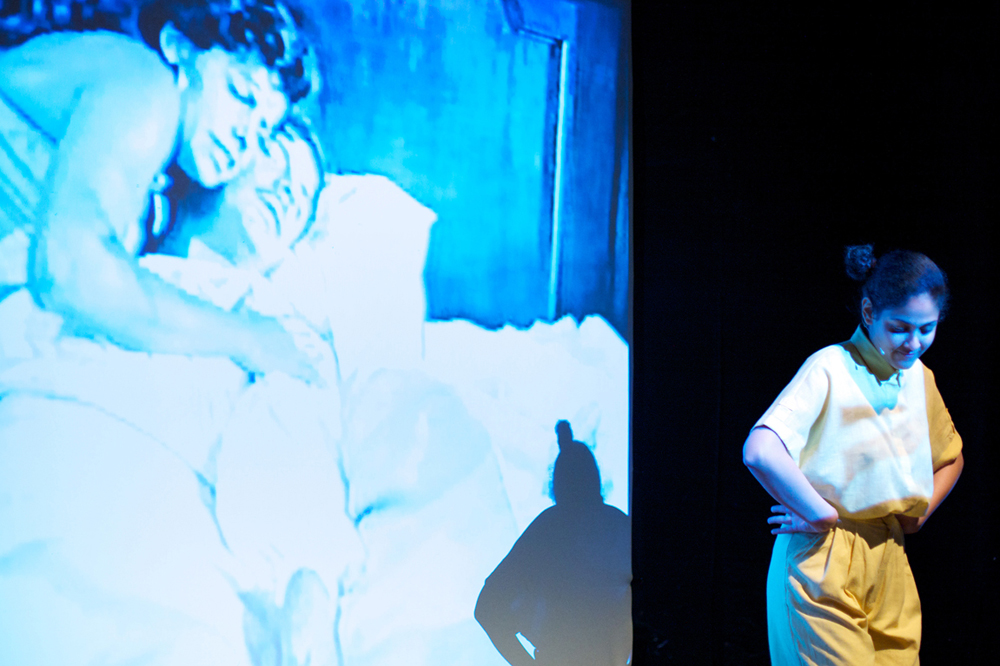
A performed film lecture exploring how the ‘Rumberas’ of Caribbean cinema of the 40’s and 50’s subverted demeaning images of themselves through dance, sound and a sociality that insisted on blackness as being a cultural performance, not simply due to skin colour.
A welcoming intermission between events, open to the public.
The queer archiving of traumatic cultural memory from one of the leading voices working with queer archives.