Temporary Outpost for an Auditory Gesture
Brandon LaBelle
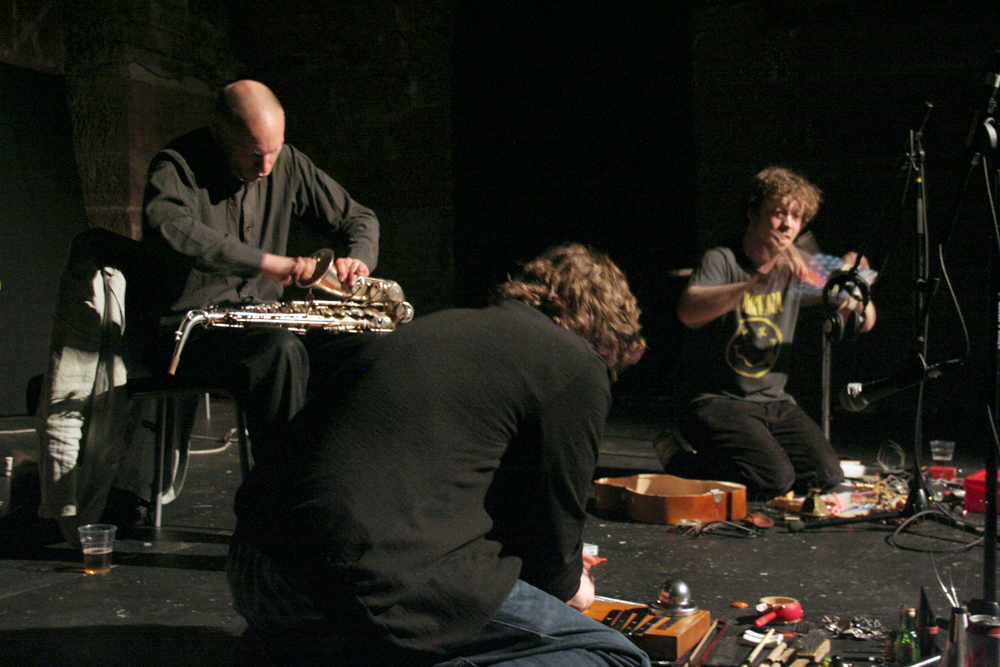
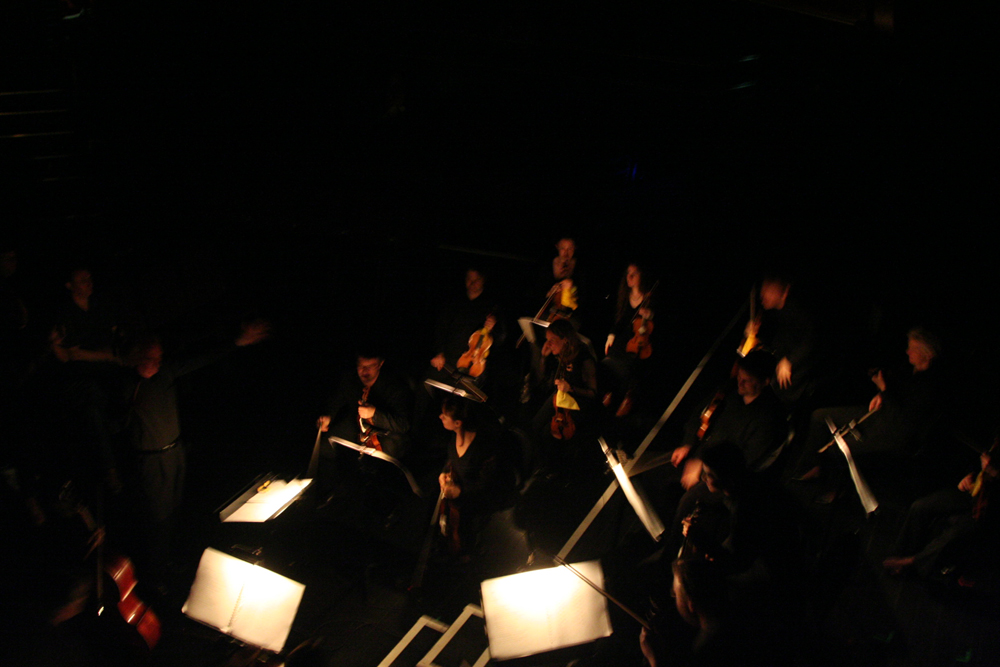
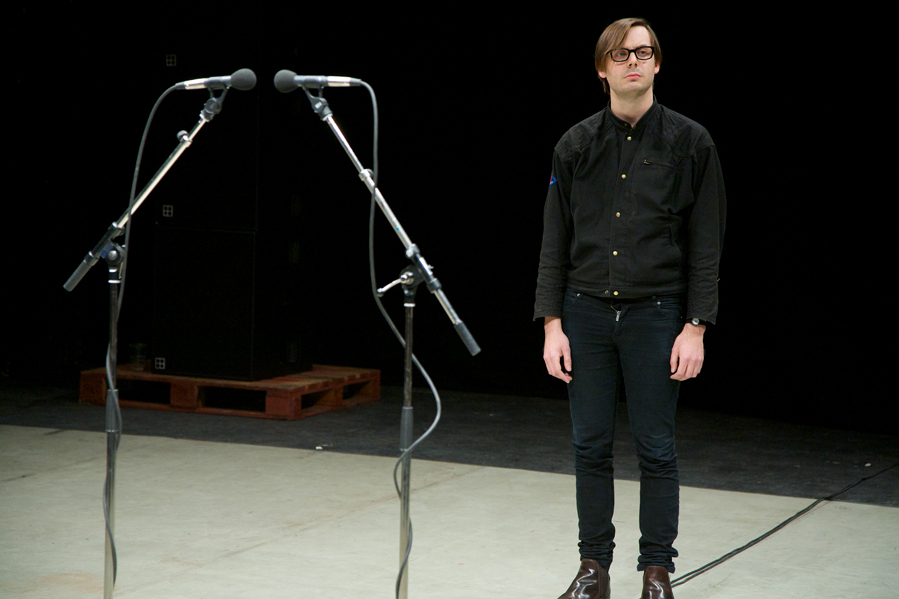
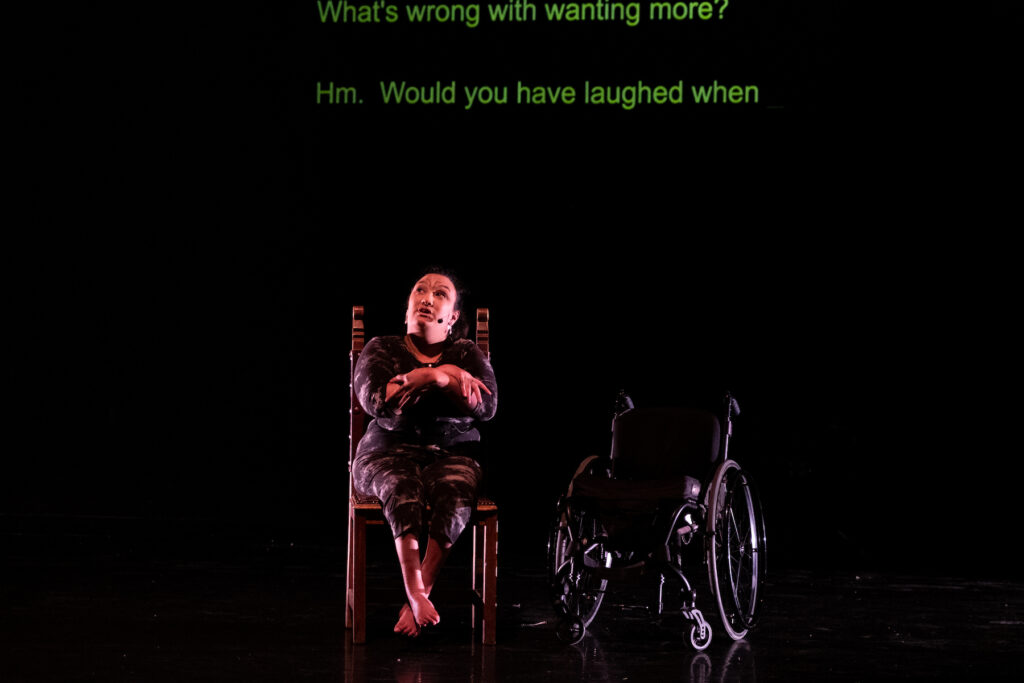
Temporary Outpost for an Auditory Gesture is a kind of performed installation that explores how sonic phenomena (like feedback, vibration, resonance, echo, rhythm) condition our experience.
Arika have been creating events since 2001. The Archive is space to share the documentation of our work, over 600 events from the past 20 years. Browse the archive by event, artists and collections, explore using theme pairs, or use the index for a comprehensive overview.
Temporary Outpost for an Auditory Gesture is a kind of performed installation that explores how sonic phenomena (like feedback, vibration, resonance, echo, rhythm) condition our experience.
Ex-Decaer Pinga and CKDH rodeo queens; regular ladynoise hoedown gets gatecrashed by sonic chunder-huffing remedial clatter boys.
Usurper luddite twins’ disabled instruments play a game of pick-up-sticks with the deconstructed horn of a young Derby opponent.
There are core ways in which our listening to the radio differs from other kinds of listening. What happens when we pay attention to how we pay attention?
The first of two workshops that highlight correspondence as a way of working. Somewhere between song, speech, and logistical arrangement, these workshops invite participants to consider care as infrastructure.
In rethinking the body, the law, the state, gender, race, violence, care and empathy, how we might give humanness a different future?
We commissioned Radu Malfatti to write a new piece for the 21-piece string section of the Northern Sinfonia: Music striving to discover the exact point at which sound resonates the clearest amidst long drawn out silences.
A solo improvisation using just the situation of the concert: a space, a PA, Mattin’s own thoughts, you, the audience.
Ubuntu Women Shelter, National Ugly Mugs and the Sex Workers Union warmly invite you to a generative conversation (and Q&A) about the needs and rights of migrant sex workers in Scotland.
An open-ended moment in an ongoing series of films, notes, performances, diagrams and drawings which trace the questions they share. A “porous space between cinema time-space and lived time-space.”
Nina’s going to talk about November, by Hito Steyerl: what and how the film thinks, or about what and how it might makes us think (which is connected, but not the same thing), by watching, and it discussing (with you?).
A sung-through Nubian musical ballet. A darkly humorous take on sexual trauma and what magical and ancestral tools might heal it.