Vorticity in the Eternal Hum
Alexander Moll Jackie Wang
What’s the relationship between the eternal hum of the oceanic beloved and the persistence of vorticity in fluid dynamics? And how does Alice Coltrane’s harp help us stay there?
Arika have been creating events since 2001. The Archive is space to share the documentation of our work, over 600 events from the past 20 years. Browse the archive by event, artists and collections, explore using theme pairs, or use the index for a comprehensive overview.
What’s the relationship between the eternal hum of the oceanic beloved and the persistence of vorticity in fluid dynamics? And how does Alice Coltrane’s harp help us stay there?
A temporary archive and research space tracing the ways in which sound and audition move through everyday life.
Journalist and underground music champion Alan Cummings talks to Keiji Haino about his career and his performance the previous evening.
Ex Ganger guitarist’s solo performance for guitar and fx, featuring breathless processed guitar, complex in structure and melody.
Solo by Jean-Philippe Gross, a French electro-acoustic improviser, working with mixing board, cheap mics, small speakers and an analog synth, built around a honed interest in feedback.
Opening with one of the most memorable shots ever filmed, and screened a year after the initial successes of the 2011 Egyptian revolution, Too Soon, Too Late is a search for the traces left on the landscape of past revolutions in France and Egypt.
A fulcrum to the Japanese noise scene, JOJO Hiroshige has been responsible for much of the explosion of free music coming from Japan in the last 30 years.
A chat with Eugene Thacker. Can we rethink the world as unthinkable, and without us?
A panel exploring how to dismantle the master’s house — its material edifices and ideological architecture — and the construction of abolitionist futures in the present.
In many ways, this Episode is our attempt to engage with Fred’s incredible writing: with his proposal that all black performance (culture, politics, sexuality, identity, and blackness itself) is improvisation.
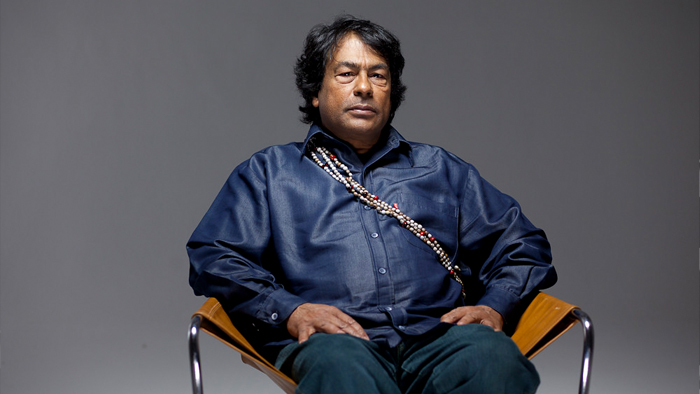
A recorded a conversation that grounds the Episode, exploring Ailton Krenak’s thinking and distinct poetics of life; as it work against capitalism and fascism, as a denunciation of political alliances, and maybe even of ‘politics’.
Are artists powerless in the face of technology? These often whimsical and amusing films are minimal technological interventions and appropriations but maybe also rigorous takes on the role of popular media and culture in our hyper-technological world.