Episode 5: Hidden in Plain Sight
Voguing, drag, clubbing, and the politics of communities making different performances of gender and sexuality visible.
Arika have been creating events since 2001. The Archive is space to share the documentation of our work, over 600 events from the past 20 years. Browse the archive by event, artists and collections, explore using theme pairs, or use the index for a comprehensive overview.
Voguing, drag, clubbing, and the politics of communities making different performances of gender and sexuality visible.
When we look, how do we objectify the body; how can we reflect on our (self) image as a construction?
Includes: a classic of innovative computer graphics, ex-pat Scot McLaren on form, a riotous psychedelic oil show with a Soft Machine accompaniment, subtle manipulation of data feedback, a colourful road movie and a reworking of a lost Paul Sharits film.
Patented 60 cycle hums, static pops, and terse electron pinpricks mutated into perfect, post-techno grooves and synaesthesic video
Boston duo of saxophonist Bhob Rainey and trumpeter Greg Kelley approach their improvisations with a slew if extended techniques and pregnant silences.
The ongoing development of [b]reach, an abolitionist black queer retelling of Marge Piercy’s incredible feminist utopian novel Woman on the Edge of Time.
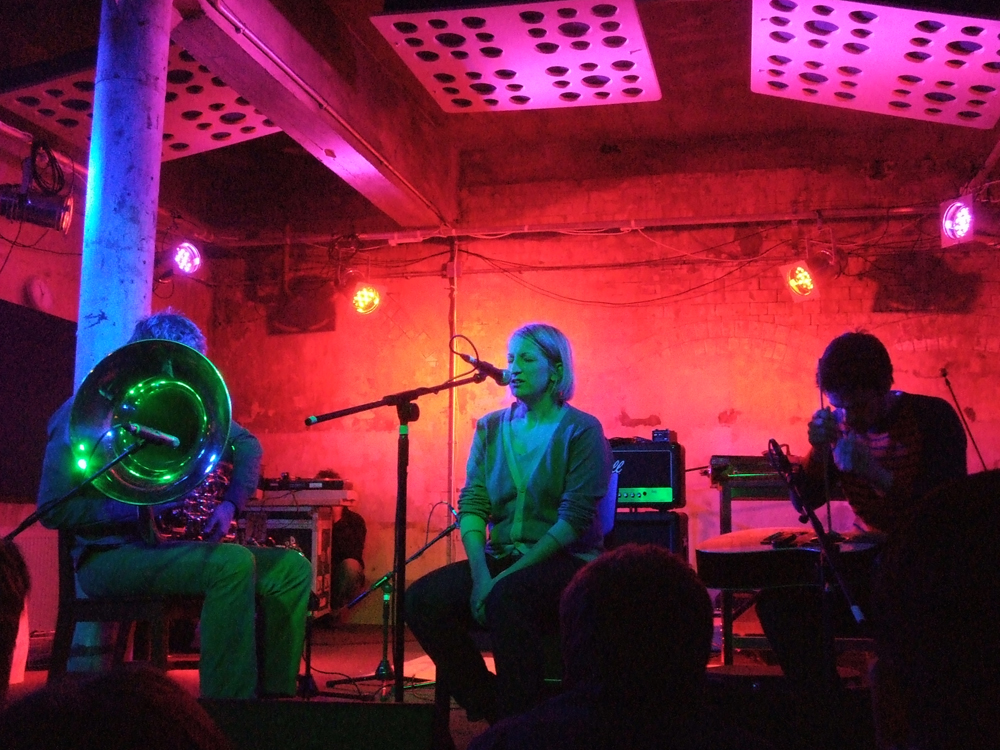
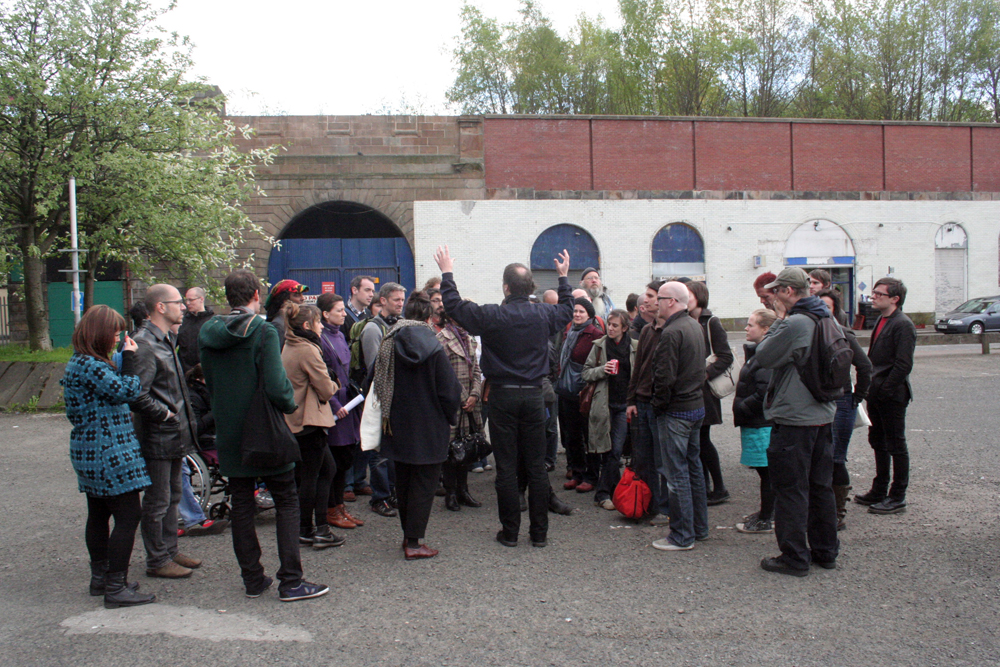
There exist places in our towns and cities that are created not by design, but by circumstance. Shadowed Spaces was a tour of overlooked, bypassed and unconsidered nooks and crannies with 3 musicians.
The first of two workshops that highlight correspondence as a way of working. Somewhere between song, speech, and logistical arrangement, these workshops invite participants to consider care as infrastructure.
Edinburgh. Nigh-inaudible improv jams with disabled instruments from the makers of Giant Tank and Pizza Boy Delivery.
How do communities formed under the duress of violent othering and the joy of solidarity – such as ballroom culture, Black diasporas, Zapatistas – reform bonds of kinship?
Recently rediscovered but still very pertinent, Kino Beleške presents a series of speech acts and performative gestures by protagonists of the new artistic practice in former Yugoslavia: each a personal take on the role of art in society.
Performances of compositions by Jean-Luc Guionnet and others, with Julia Letitia Scott, Iain Campbell F-W, Neil Davidson, Fritz Welch, Liene Rozite, Emilia Beatriz.