My Cat Is An Alien
My Cat Is An Alien
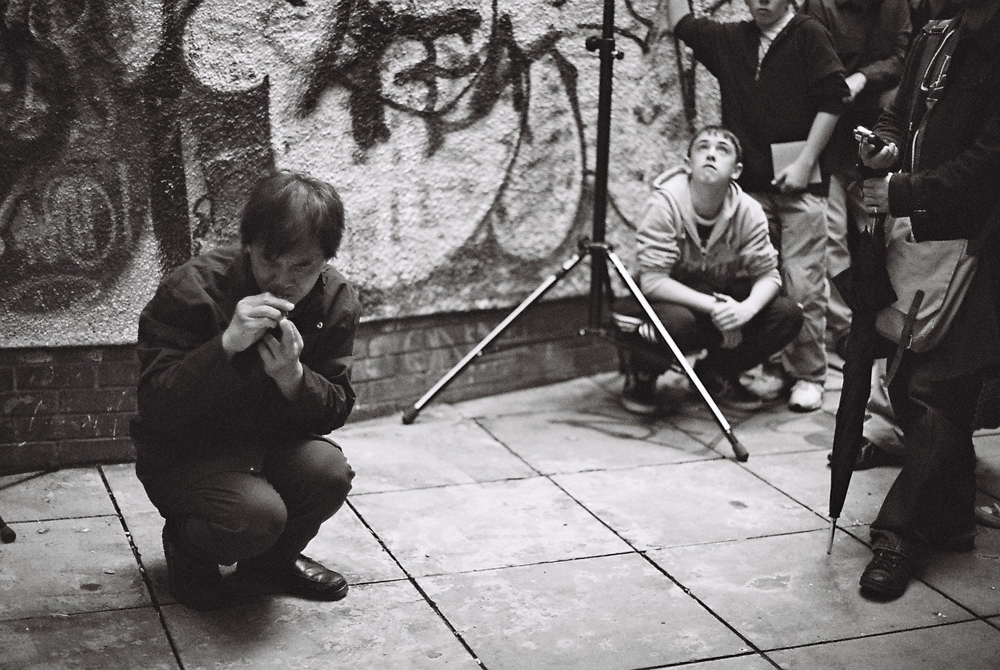
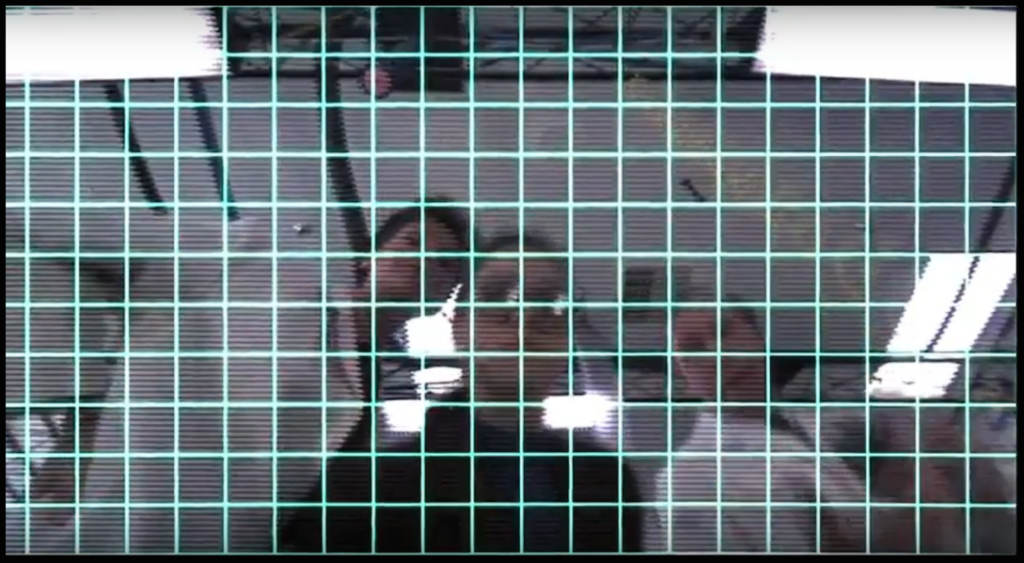
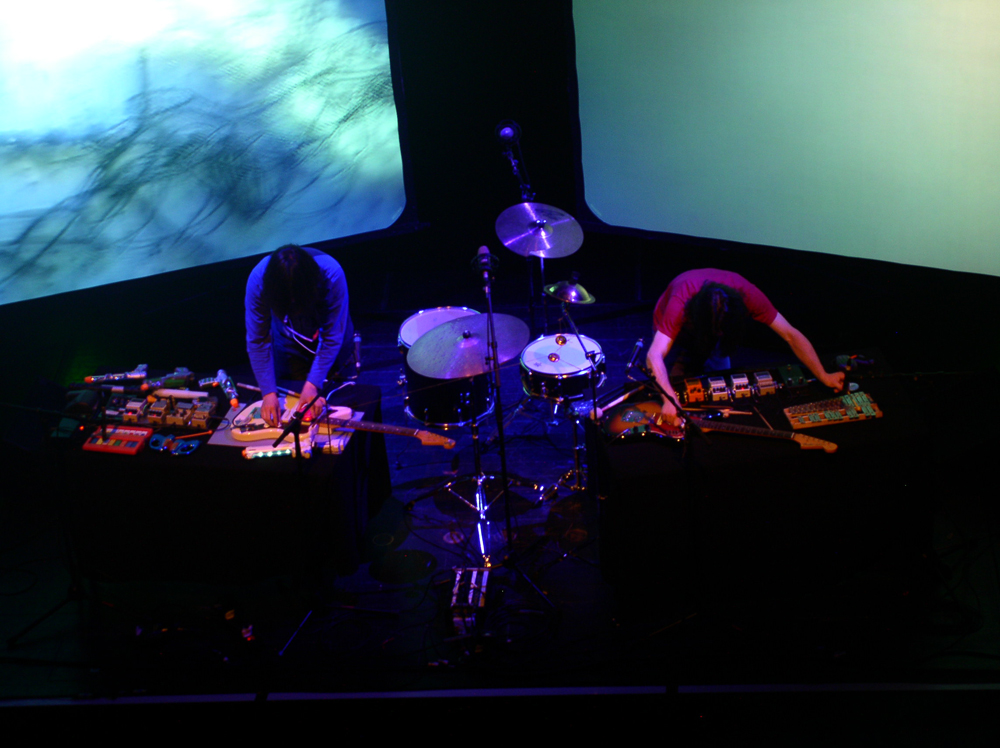
Italian duo of brothers Maurizio and Roberto Opalio utilising an array of acoustic and electric guitars, various toy-instruments and toy-microphones.
Arika have been creating events since 2001. The Archive is space to share the documentation of our work, over 600 events from the past 20 years. Browse the archive by event, artists and collections, explore using theme pairs, or use the index for a comprehensive overview.
Italian duo of brothers Maurizio and Roberto Opalio utilising an array of acoustic and electric guitars, various toy-instruments and toy-microphones.
The queer archiving of traumatic cultural memory from one of the leading voices working with queer archives.
Location: between: the abandoned site of Parker House (ex-council office building) that became a student accommodation regeneration project, off the Dudhope roundabout; Bell Street Car Park entrance ramp and; the awkward (and otherwise used/ used otherwise) space left over between the back of Tesco’s and DW Sports on the Murraygate.
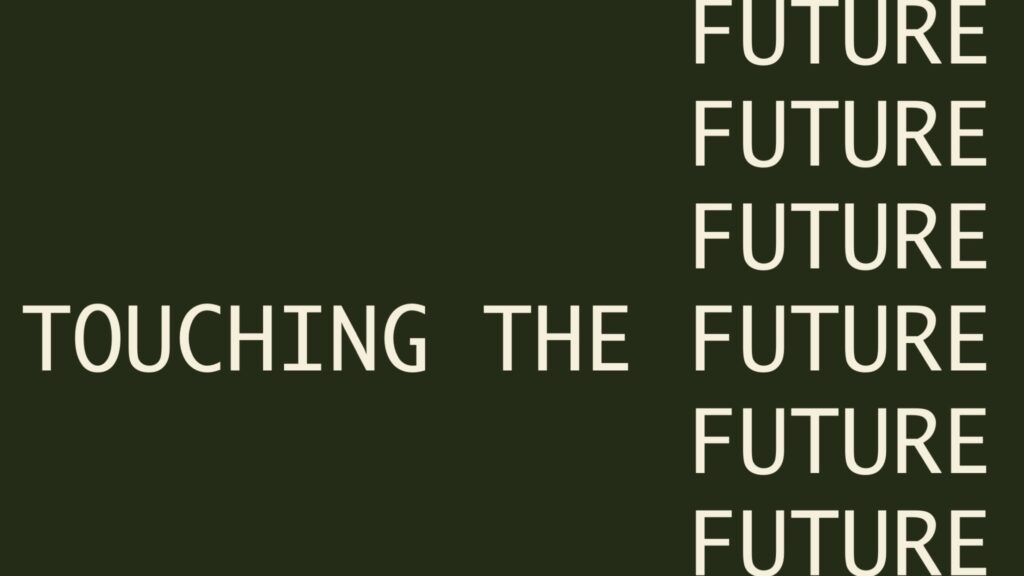
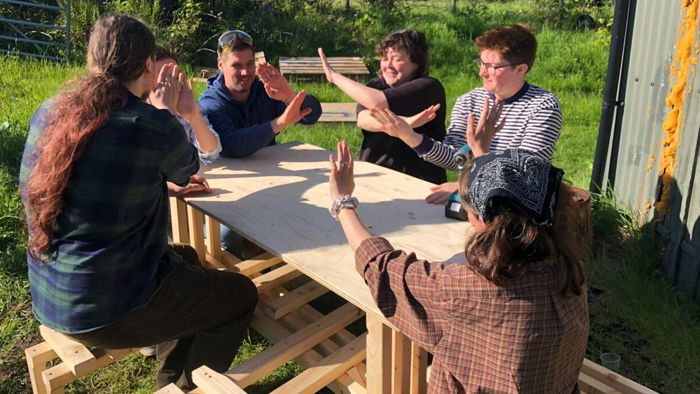
Dr Gabrielle Hodge shares words on Touching the Future, a Protactile project with John Lee Clark, Soline Vennetier, Issy McGrath, Lisa van der Mark, Kyle Bettley and Jordan Goldman, supported by Arika, kickstarting radical DeafBlind Protactile world-building in Glasgow.
A public gathering that brings together local artists, musicians, activists, and community organisers.
As part of Karrabing’s visit to Scotland, the collective will be hosted for three days in the Isle of Skye by The School of Plural Futures.
A prison abolitionist punk video-poetry-music mash up about our fucked-up dystopian society, RoboCop, kids toys and criminality.
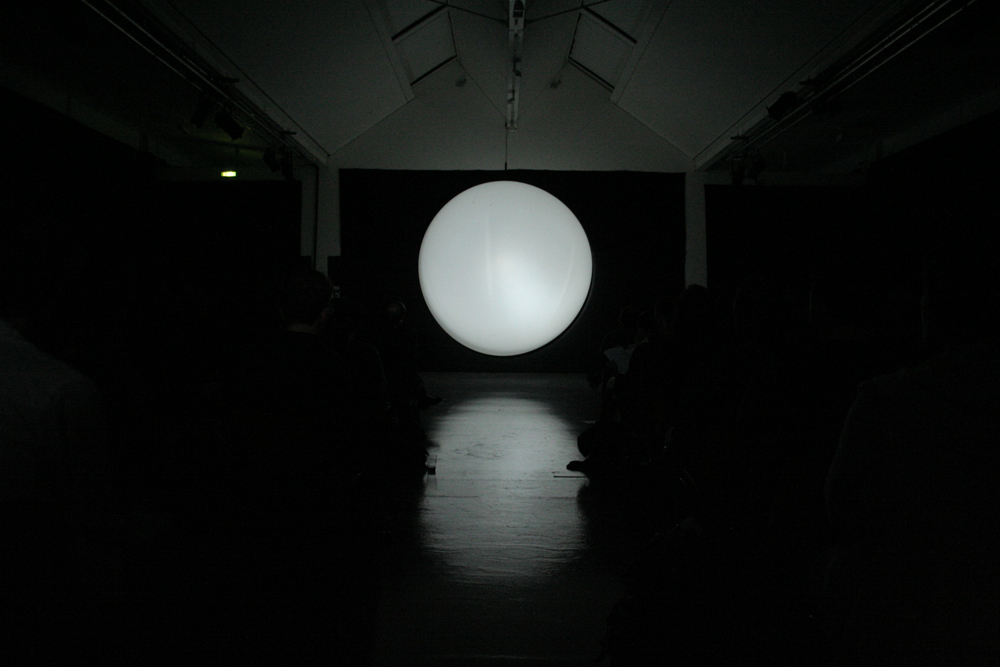
60 minutes of hard ass minimal film, projected onto a weather balloon and accompanied by the inspired poetic rant of a visionary Frenchman.
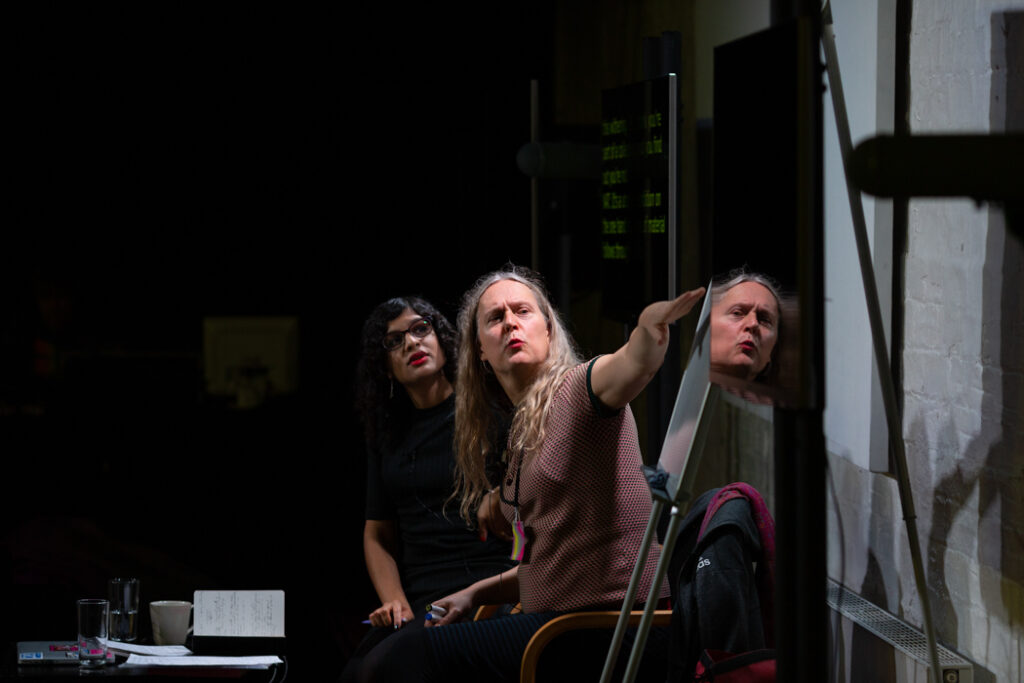
Underlying radical transfeminism, as an urgent critique of binary essentialism and fixed identities, is the call for a new kind of thinking that can move between and integrate the truths of all lives in their transformations.
How do communities practice being one another’s means, addressing their material problems facing them replicating the state’s violent logic of who is disposable.
Rather than asking the state for services, what kinds of change are made possible when we prioritise people supporting each other?
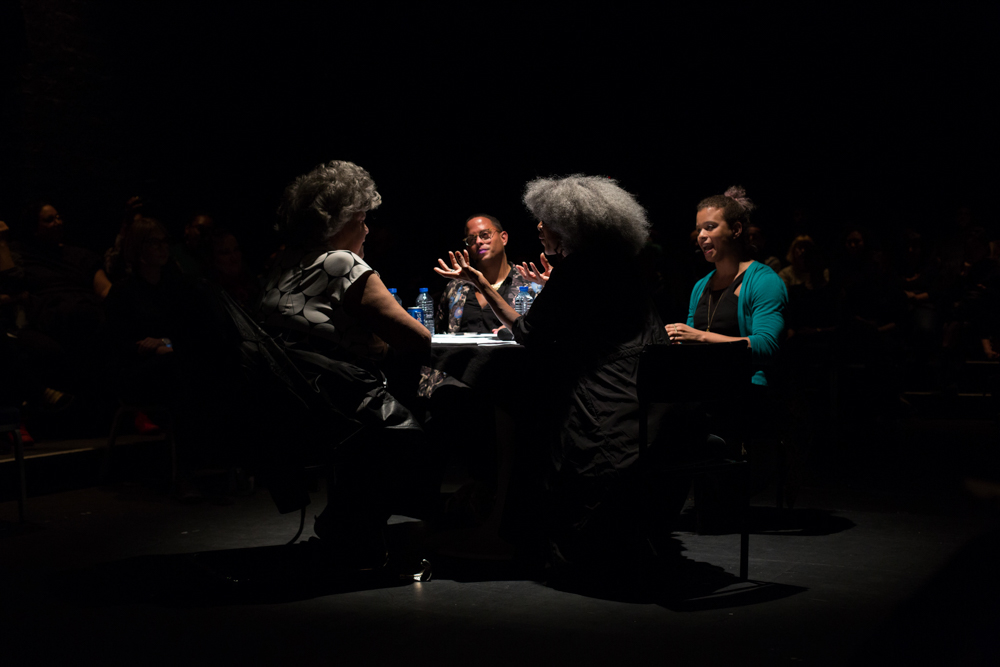
A conversation between Philip and Moten: how do we read NourbeSe’s anti-narrative poetic lament in Glasgow today, given the city’s role in the history of slavery?