Neurotransgressive Fun Times: Time Travel Dyspractice Workshop
Daniel Oliver
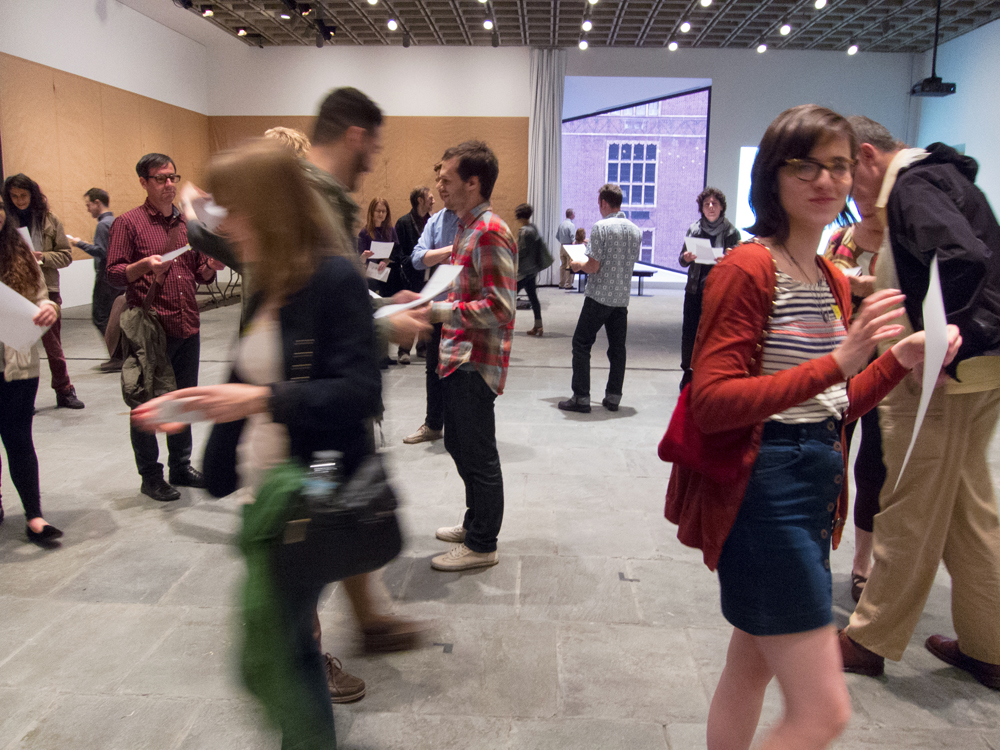
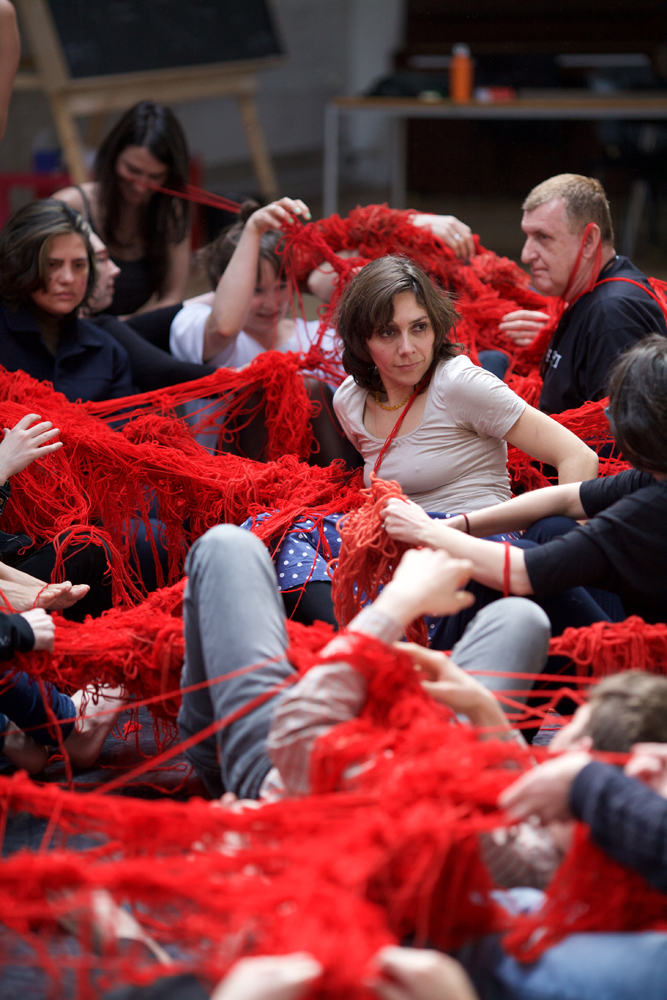
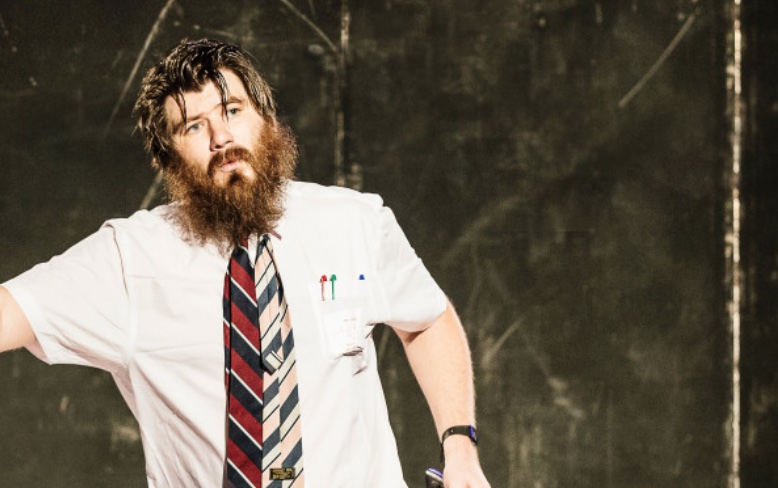
In this workshop we will imagine ourselves as time travellers from a glorious and chaotic neurodivergent-led future.
Arika have been creating events since 2001. The Archive is space to share the documentation of our work, over 600 events from the past 20 years. Browse the archive by event, artists and collections, explore using theme pairs, or use the index for a comprehensive overview.
In this workshop we will imagine ourselves as time travellers from a glorious and chaotic neurodivergent-led future.
A silent performance of (musical) reverberation.
Three speakers play back pre-recorded sounds, Marc listens and responds: “What is played is the imperfect witness of what I listen to (or maybe better, how I listen).”
A celebration of risk taking and adventure from some of the boldest pioneers of the past 40 years, melding avant garde and underground forms of music and moving image to create new experiments and experiences in sight and sound.
For this day-long festival, sex workers and their allies from New York, the tri-state area, and Europe will gather at MoMA PS1 to debate, perform, dance, strategize & share knowledge.
Can we find ideas of queer anarchism, failure and low theory in popular culture?
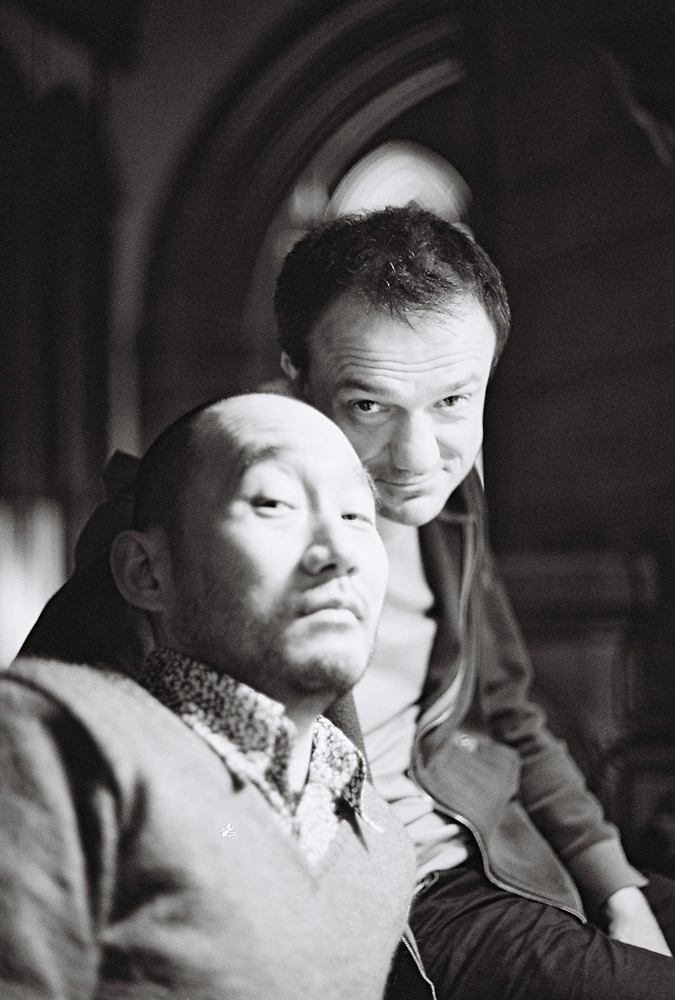
Brain boiling duo improvisation by great Japanese no input mixing desk pioneer Toshi Nakamura and french organ philosopher Jean-Luc Guionnet.
An open collaborative workshop space in which games, warm-up sessions, exercises and scenes are potentially the same thing, through which to project your own concerns onto the stage.
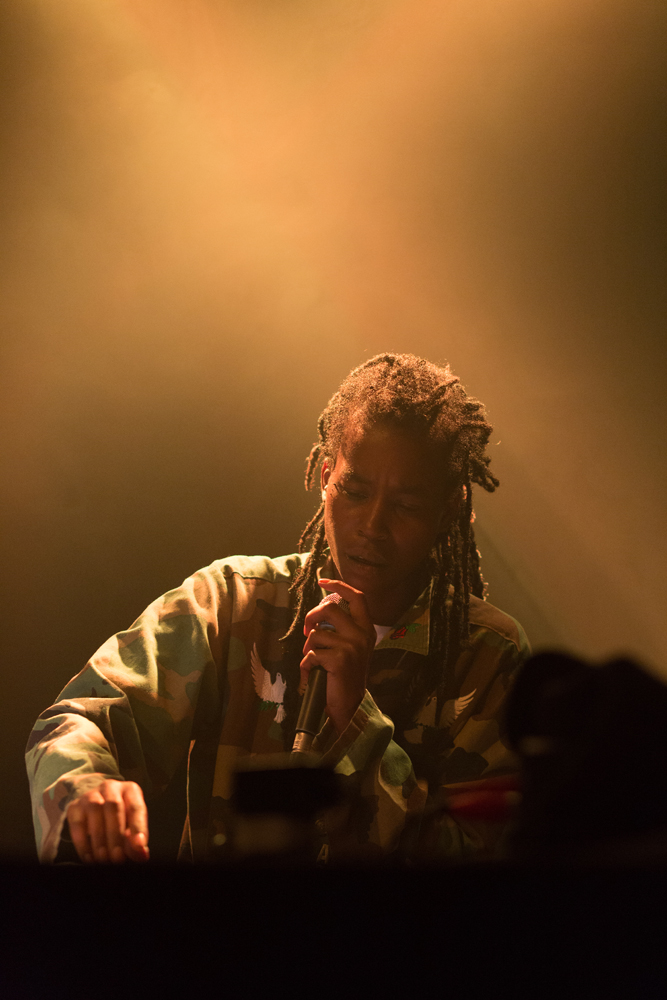
Moor Mother is a musician, Philadelphian housing activist and black quantum futurist.
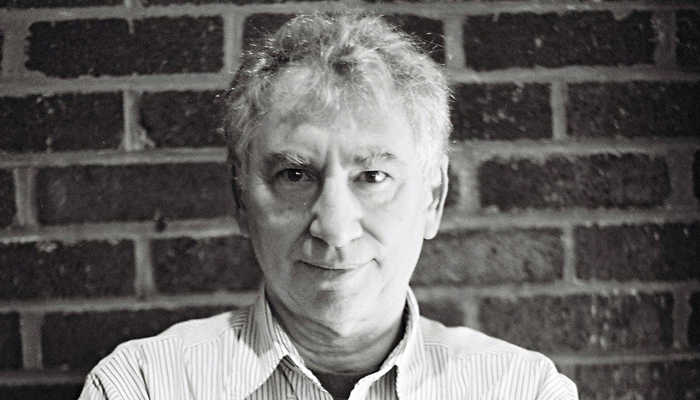
Ken Jacobs chats to Edwin Carels: Edwin is a curator based in Ghent, responsible for some fantastic programmes of experimental film and art at the Rotterdam Film festival (amongst others).
Repetitive, mesmerizing rhythmic workouts, to pieces of stark and rigorous introspection, where notes picked and slid in isolation, scatter like mercury around the listener.
How can we imagine bodies not as an end in themselves, but as a medium through which we can become one another’s means?