


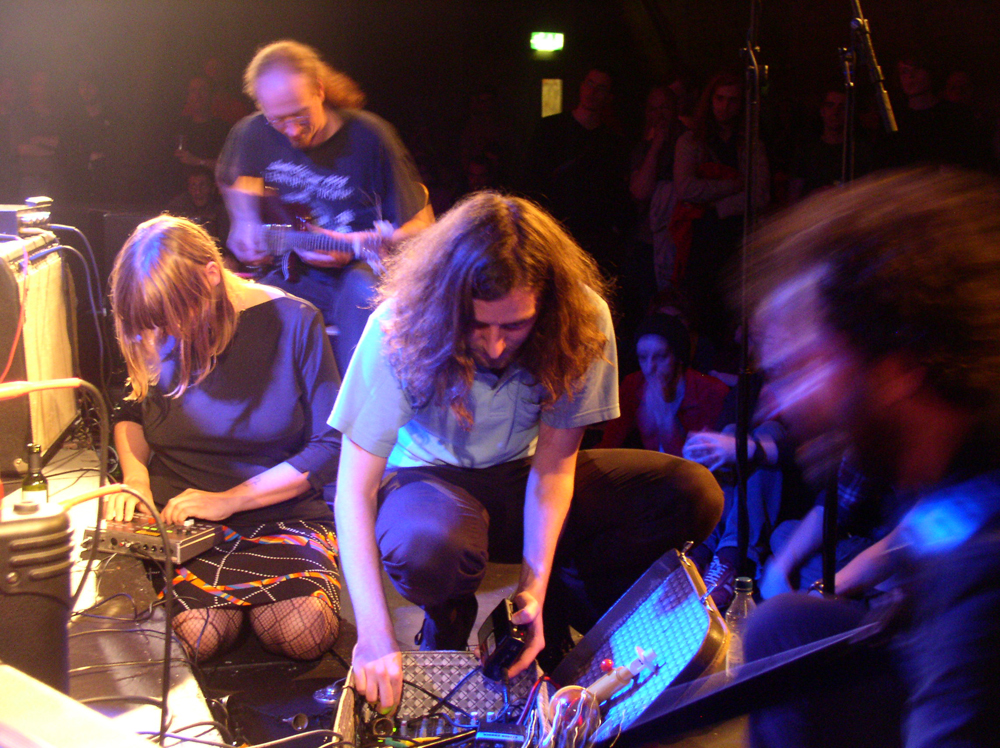
15 October 2005
The Arches
Directing Hand
Directing Hand
A life force of ecstatic clarity capable of loquacious bursts of affirmation.
INSTAL 05
Arika have been creating events since 2001. The Archive is space to share the documentation of our work, over 600 events from the past 20 years. Browse the archive by event, artists and collections, explore using theme pairs, or use the index for a comprehensive overview.
A life force of ecstatic clarity capable of loquacious bursts of affirmation.
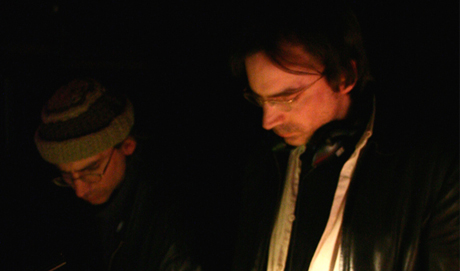
A system in which oscillators shake The Arches, seismographs pick up the harmonics that are then amplified through massive sub-bass PA.
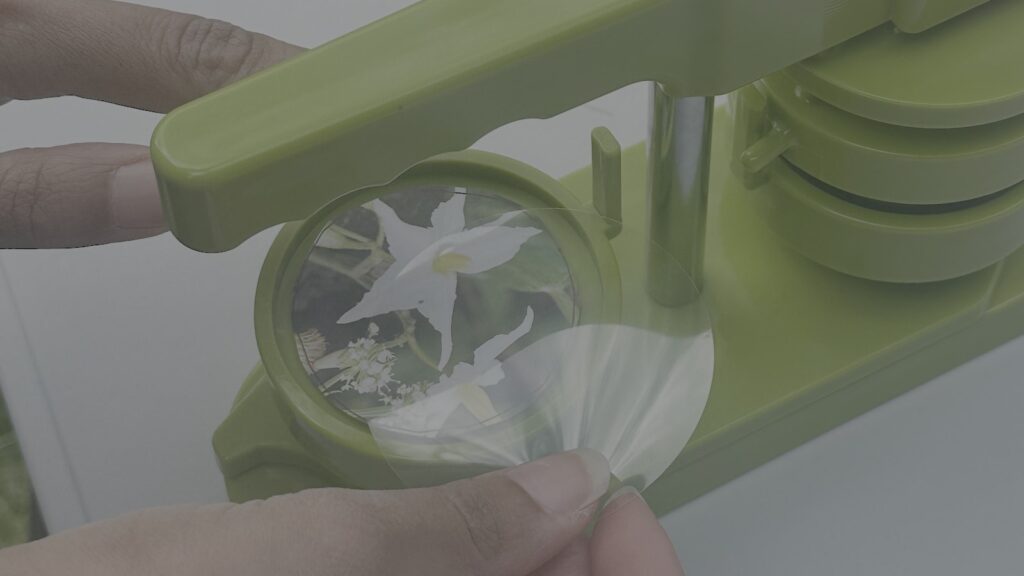
Create your own badge designs, with collaging, drawings, stickers and more! Whether your badge is playful, political, expressive or just for fun this is a space to create something that feels like you.
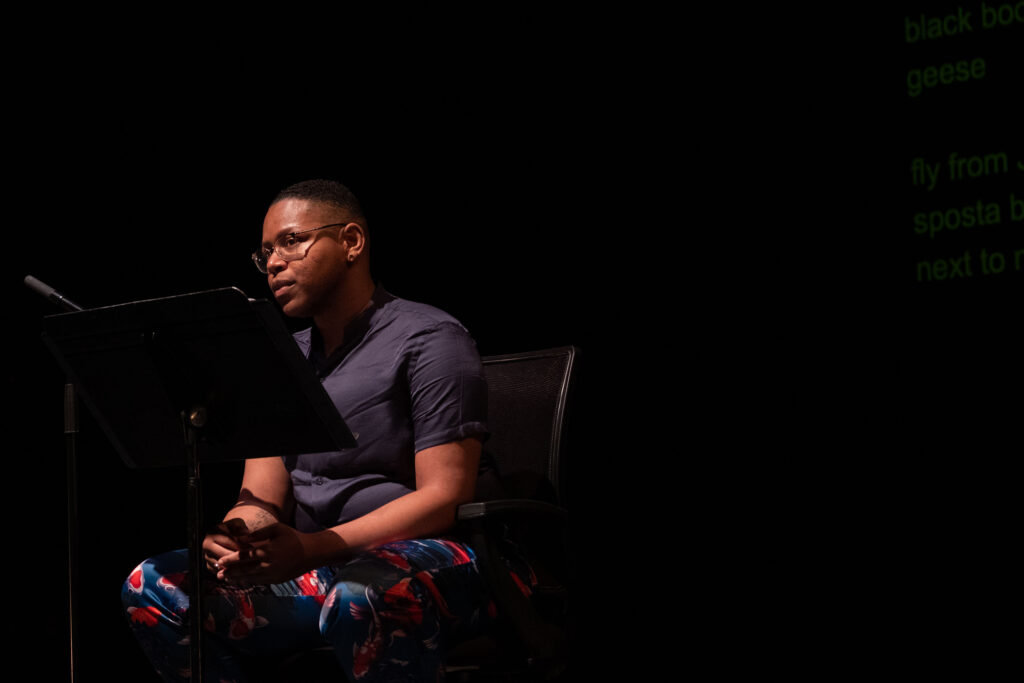
Poetry of raw fearless truth and the realest crip insight fully embedded in absolute lyrical lounge.
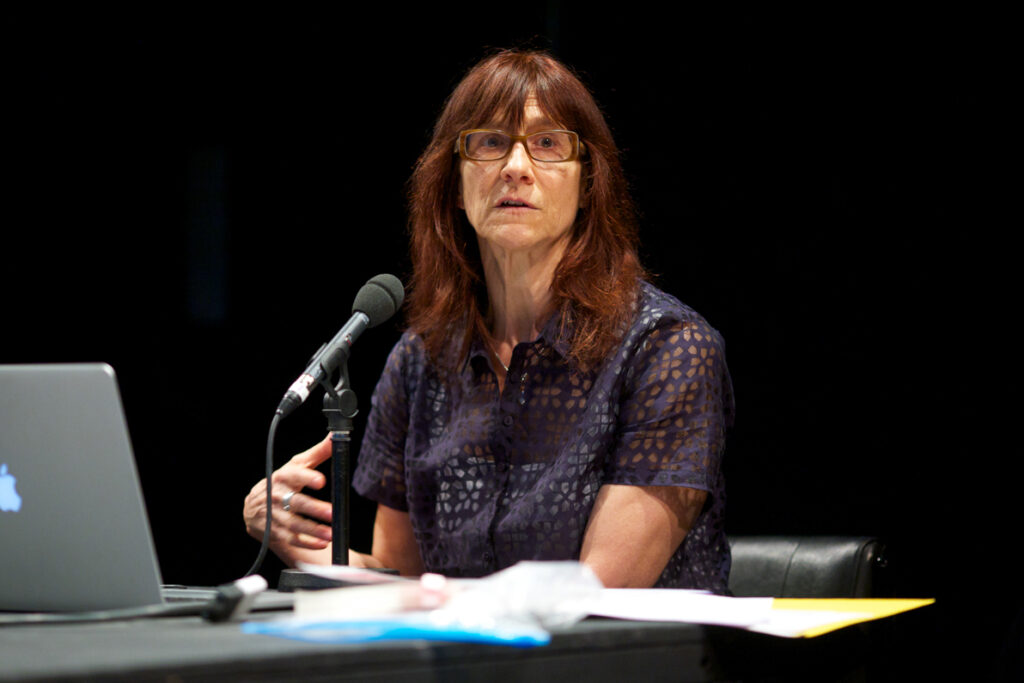
The role of feelings in public life, (political) depression and creative survival.
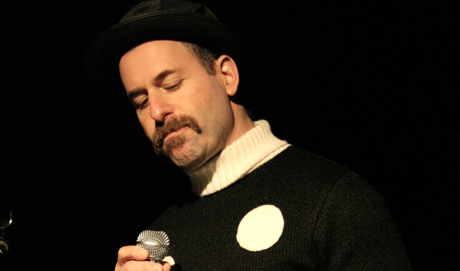
Kenneth Goldsmith reads extracts of his conceptual poetry and Achim Wollscheid manipulates mobile phone signals.
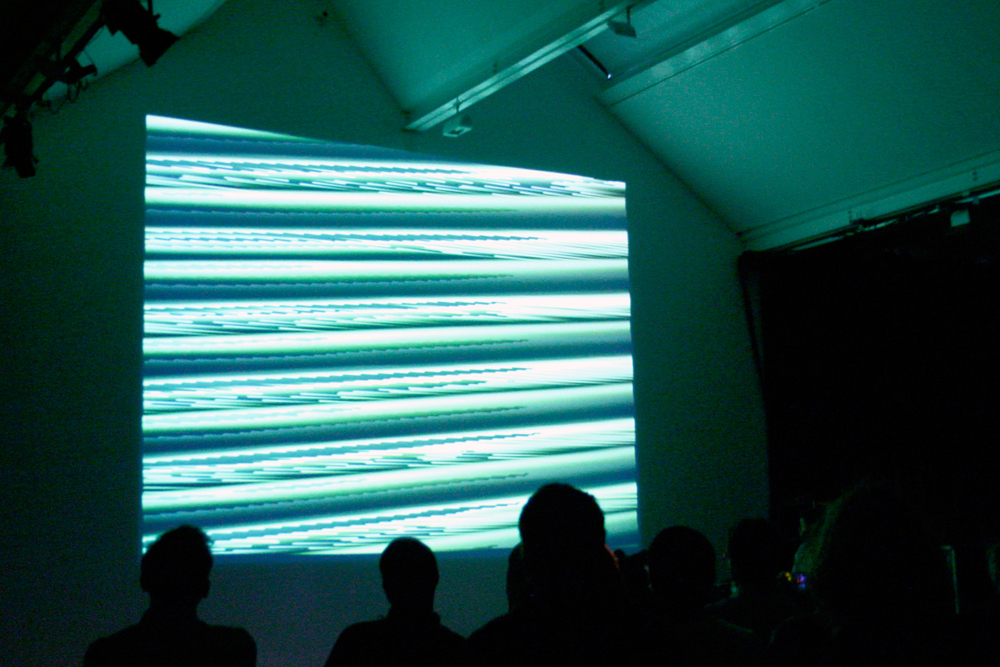
AVVA sees the internal feedback of Toshi’s no-input mixing desk is fed to Billy, and transformed into bright and variegated patters, striations and blooming colour, before being fed back to Toshi and manipulated on route to the PA.
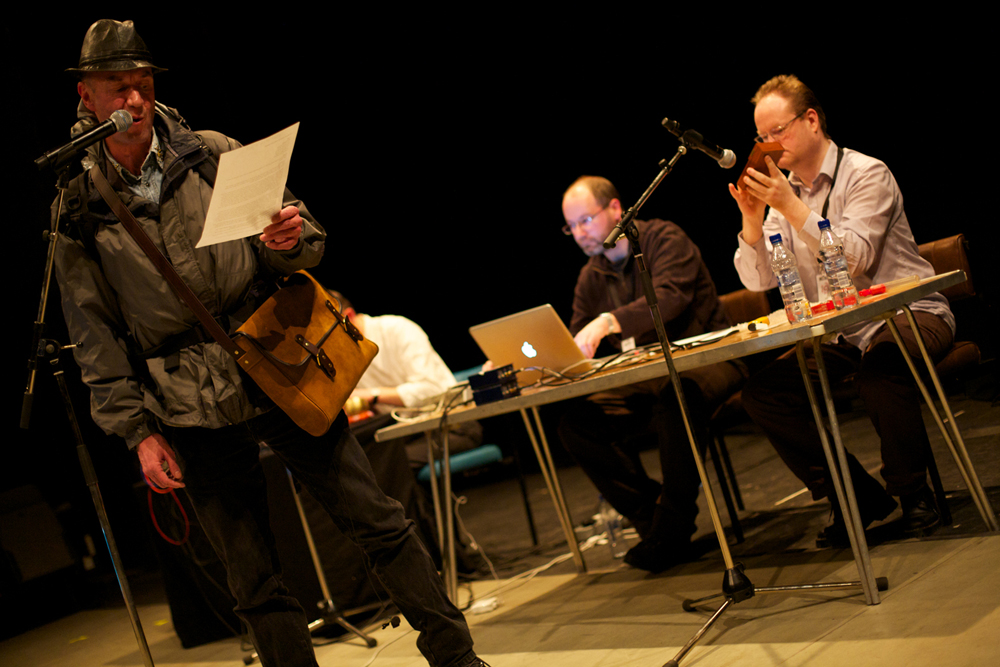
The first performative part in a game of chance and endurance as actor Tam Dean Burn constantly broadcasts for 24hrs.
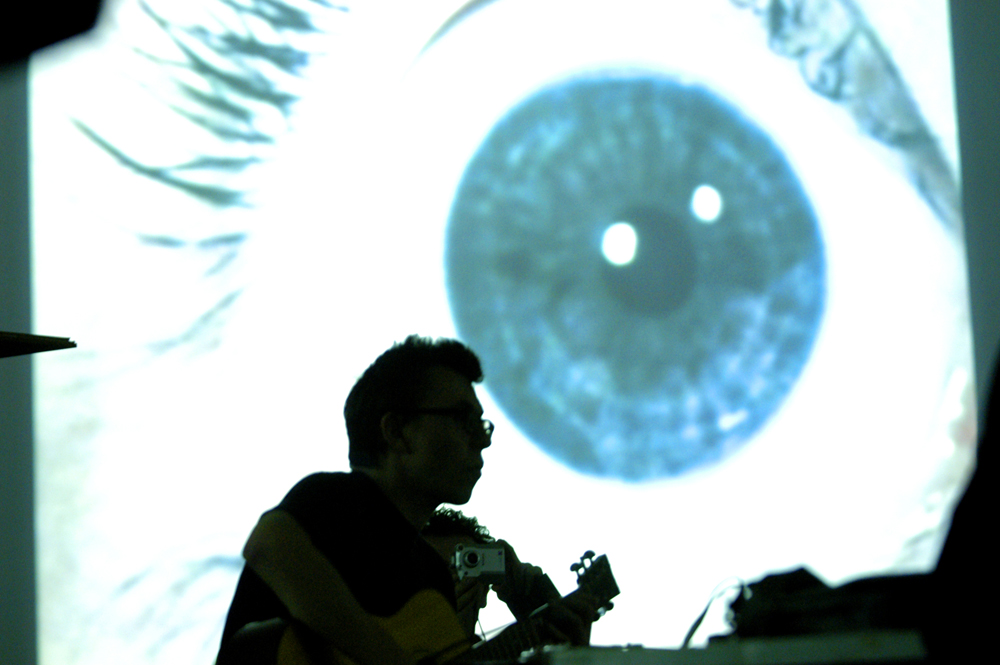
A live installation of the ‘Film Ist’: projected on 4 huge screens and an improvised soundtrack from 4 figureheads of the Austrian experimental music scene.
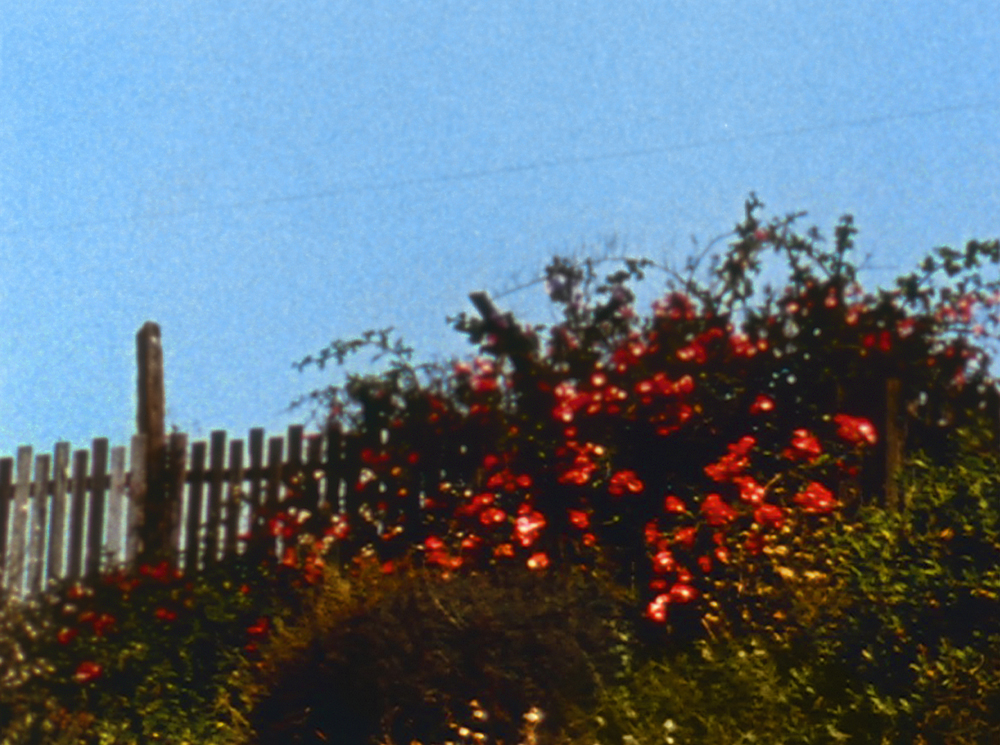
Each of these films addresses place, landscape or location and the personal reaction to their magical or concrete properties. Watch out for Kren’s structural, throbbing investigation of a forest and Baillie’s intimate and humble essay on a blind guitarist and the relationship between songs of Mexican revolutionaries and the people and places they looked to inspire.
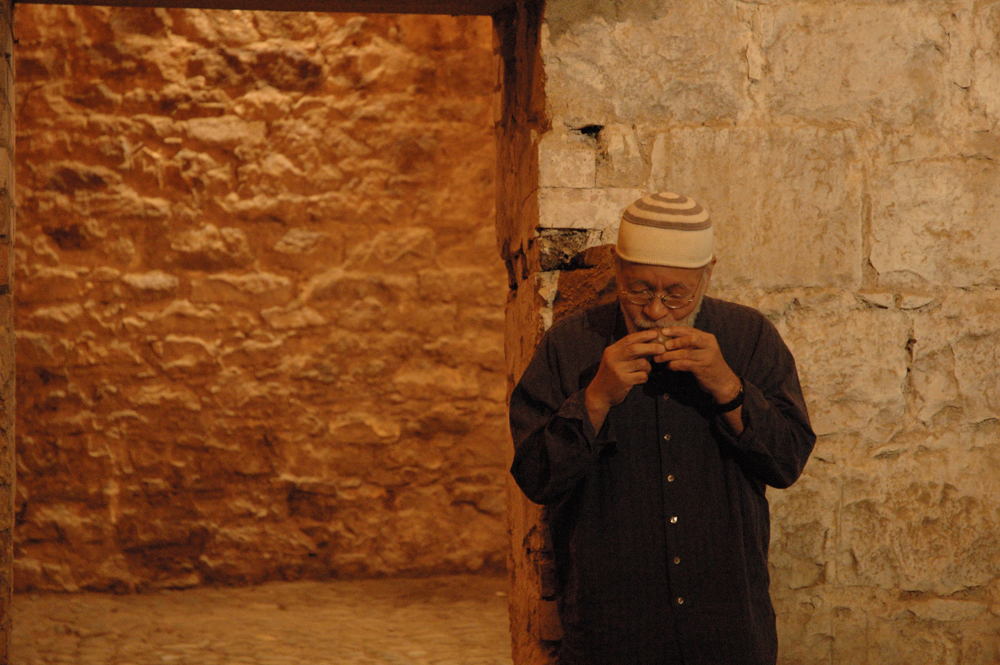
Akio Suzuki and John Butcher performing in a large multi chambered industrial ice house.
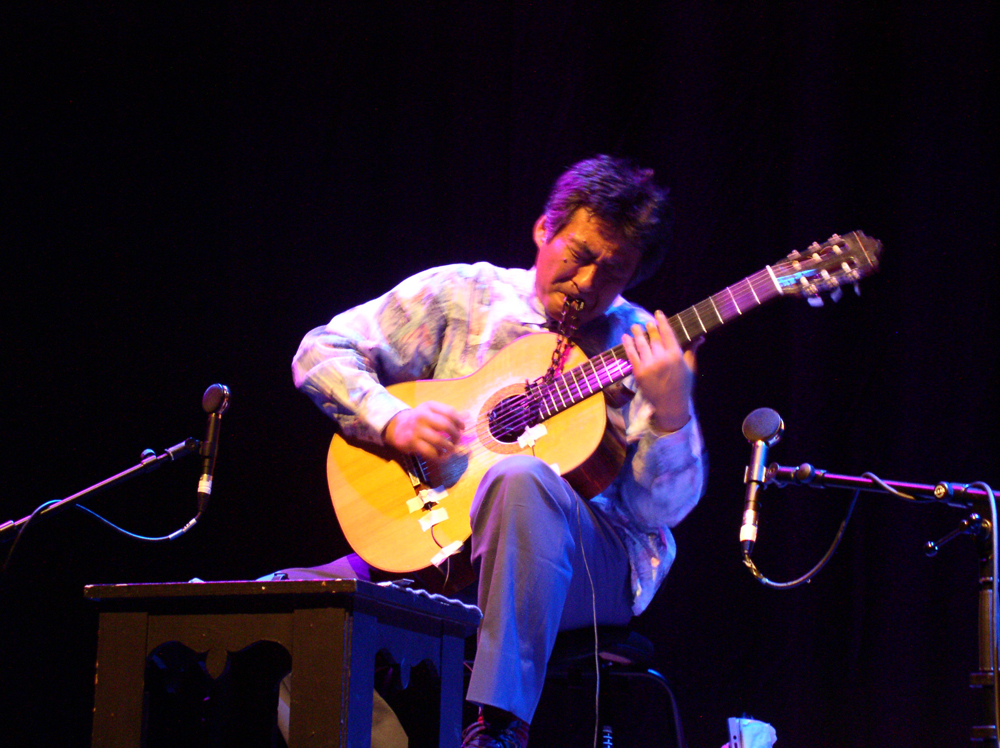
One of the most arresting and unique improvisers in Japan, creating an original and powerful body of free music.