Solo Performances
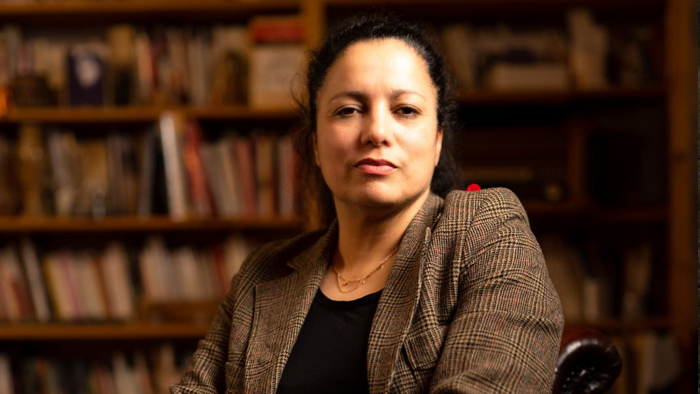
Leah Lakshmi Piepzna-Samarasinha
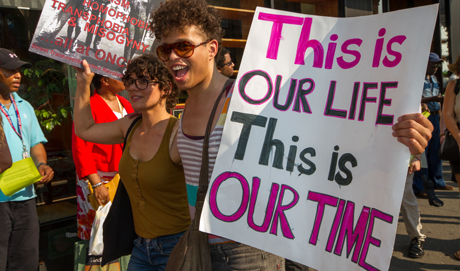
Come for the crip ingenuity; stay for the smooth feels of what it is to be each other’s everything.
Arika have been creating events since 2001. The Archive is space to share the documentation of our work, over 600 events from the past 20 years. Browse the archive by event, artists and collections, explore using theme pairs, or use the index for a comprehensive overview.
Come for the crip ingenuity; stay for the smooth feels of what it is to be each other’s everything.
A public walk from George Square to the Barras market bringing contributions from researchers, activists and artists in a form of live critical praxis
Bruno’s liberated improvisational approach stretches beyond the lyrical, tough as nails rhythmic bursts and expressive, swinging attack of his drumming.
How can we imagine bodies not as an end in themselves, but as a medium through which we can become one another’s means?
The site of the former Abbeyhill Station on the 1903 Leith branch of the Edinburgh and Dalkeith railway, overgrown and leading to as yet un-regenerated ‘wasteland’; taxi’s for 80 people, each instructed to take different routes between locations and; a slice of land concealed behind corporate business park branding off the Wester Approach Rd, apparently of no conceivable use and named ‘Chateaux de Scum’ by those who use it anyway.
A silent collage of found film footage partially layered with computer graphics to provide a framework in which live music can develop.
Inspired by the supernatural horror of H. P. Lovecraft, black metal and a sense of worry as to what constitutes an object, or a world.
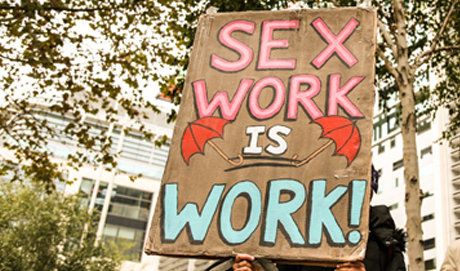
The struggle for sex workers’ rights and how we can understand it in the continuum of care work and other forms of invisibilised and precarious work.
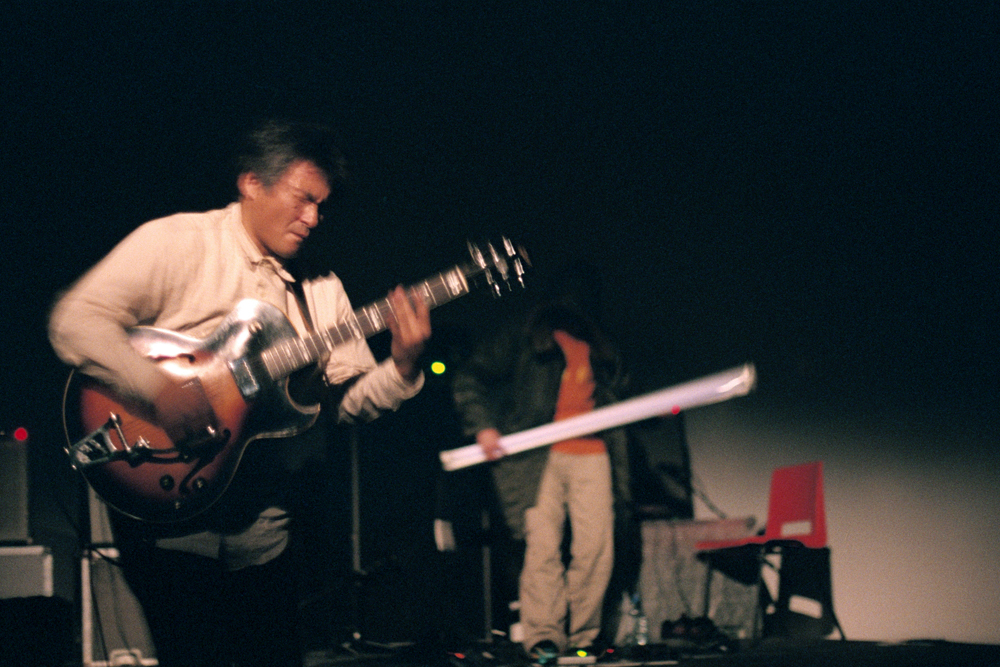
Solo by Jean-Philippe Gross, a French electro-acoustic improviser, working with mixing board, cheap mics, small speakers and an analog synth, built around a honed interest in feedback.
A sound diffusion piece by Glasgow University’s Musica Electronica, and a further selection of electroacoustic performances.
5 days of film, music, discussion and study of our collective incompleteness—arrayed against the colonial ordering of how we come to know the world—practicing how we might exist otherwise, right here and now. Can we start to know and practice the world to come?
Can a collective performance of NourbeSe’s poem of black life as it exceeds containment enact alternative forms of selfhood that emerge in and out of African diasporic experience?