Beyond Transgression
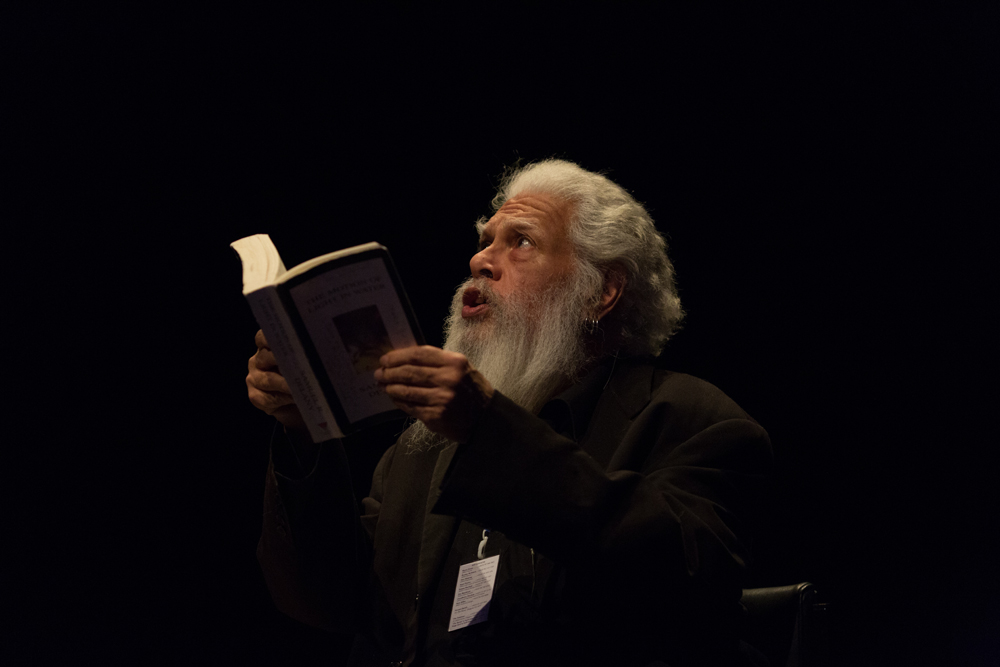
Samuel R. Delany
Chip will read some of his great literary pornography, which pushes sexuality to the point of extremity and exhaustion.
Arika have been creating events since 2001. The Archive is space to share the documentation of our work, over 600 events from the past 20 years. Browse the archive by event, artists and collections, explore using theme pairs, or use the index for a comprehensive overview.
Chip will read some of his great literary pornography, which pushes sexuality to the point of extremity and exhaustion.
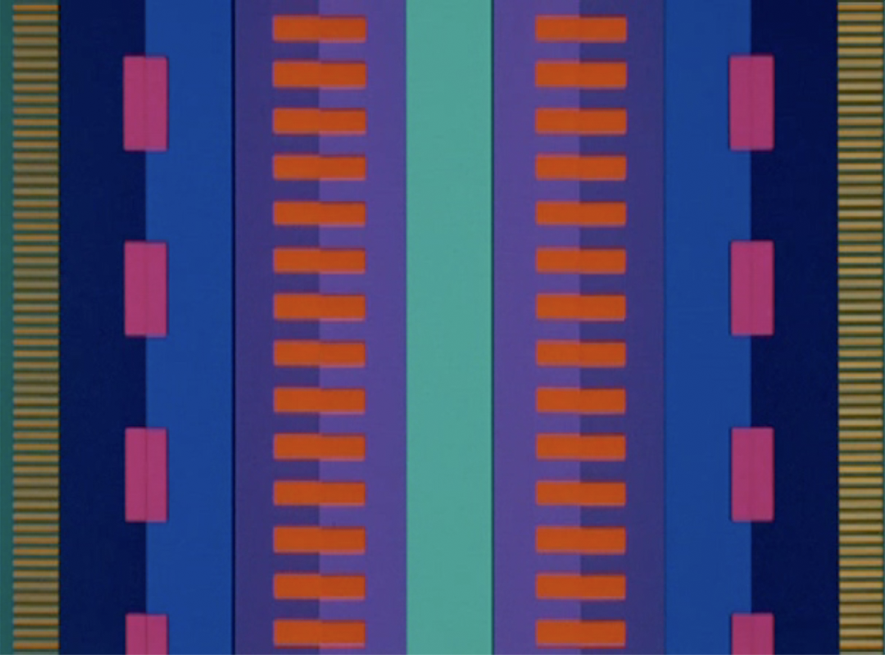
The first of two short film programmes featuring works that blur the boundaries between music and film from artists who cross and redefine those long held divisions. This programme focuses on the forebearers of filmic and musical innovation over the last 70 years.
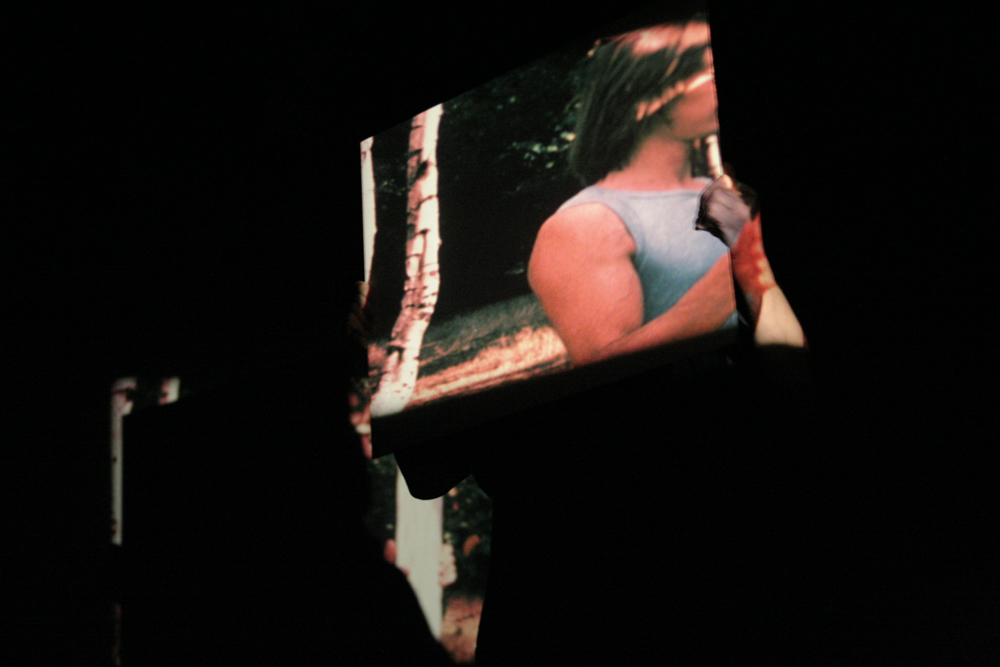
A film performance about Guy then, and Guy now, as a metaphor for the passing of time, which of course all film is inherently about.
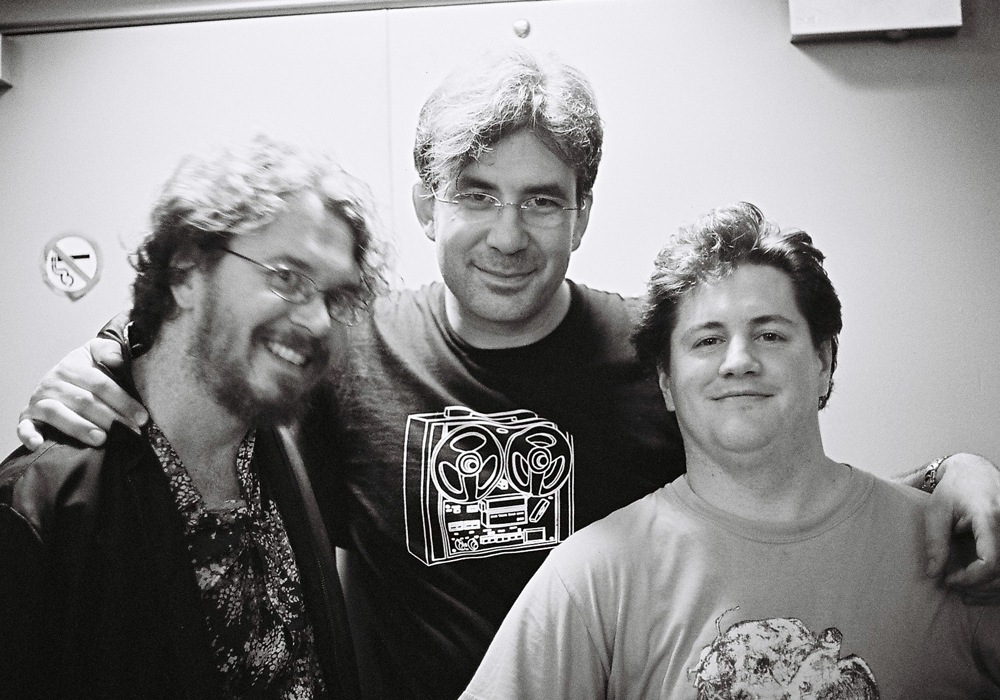
Edinburgh. Nigh-inaudible improv jams with disabled instruments from the makers of Giant Tank and Pizza Boy Delivery.
Music is full of refracted brass and wind tones, distorted tape loops, dead silent air and the occasional piercing shard of sound.
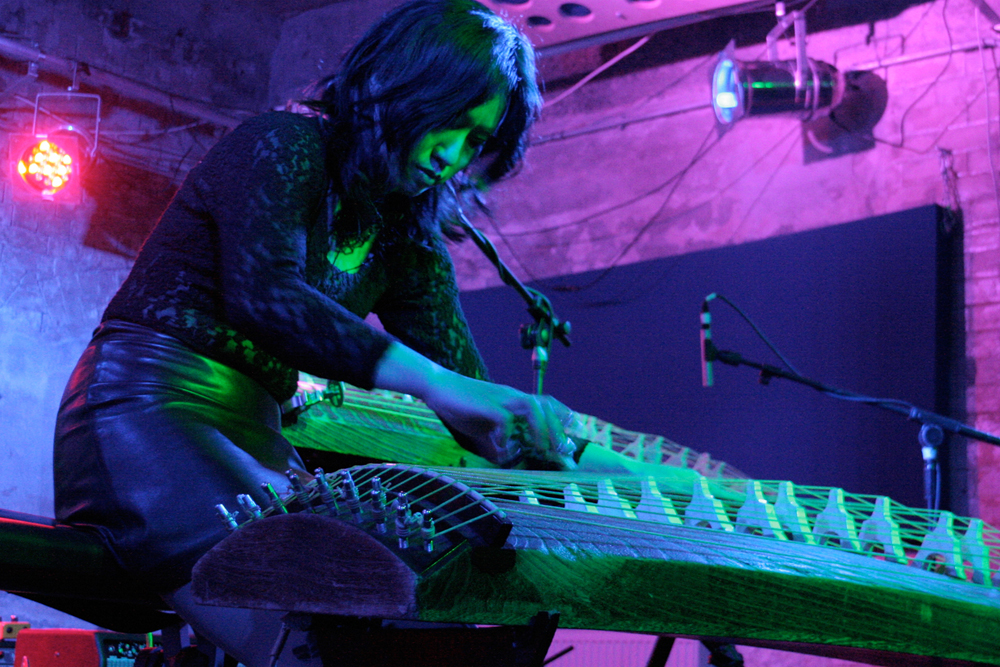
Sometimes delicate, sometimes harsh and jarring, Yagi’s koto solos are as much inspired by Nancarrow or Cage as they are traditional.
A double bill of Morgan Fisher films that ask what can be achieved by a simple structural method of commenting on scraps of 35mm film, re-shot on 16mm film and what happens to meaning (if anything) when ‘insert shots’ are relieved of their original duty of providing crucial plot development for a variety of other movies?
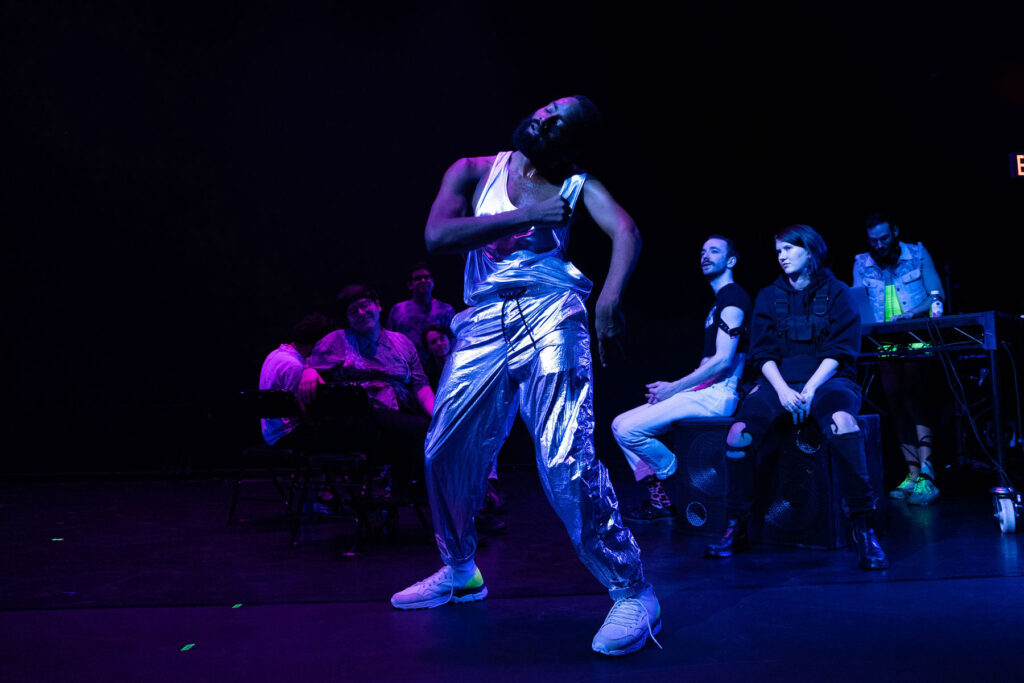
A dance party love letter to our community, expressing the joy of relation in the abstract and through actual physical proximity.
Dave will lead a session created for teenagers and designed to stimulate a supportive environment for artistic exploration through music improvisation.
5 days of film, music, discussion and study of our collective incompleteness—arrayed against the colonial ordering of how we come to know the world—practicing how we might exist otherwise, right here and now. Can we start to know and practice the world to come?
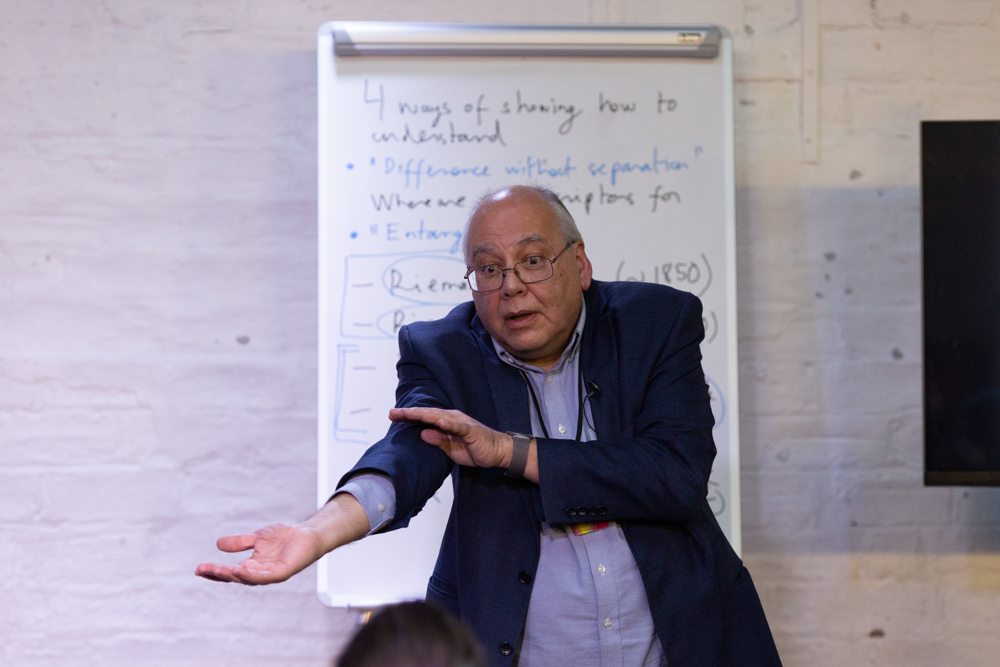
Fernando thinks that when maths is deep, it should be simple and able to be explained by hand gestures. By embodying ideas, we’re able to more clearly think about their cultural implications.
Instead of the one-way monologue of normal performance, what would be the result of an actual collective dialogue? Where would it go?