Urban Peasants
Ken Jacobs
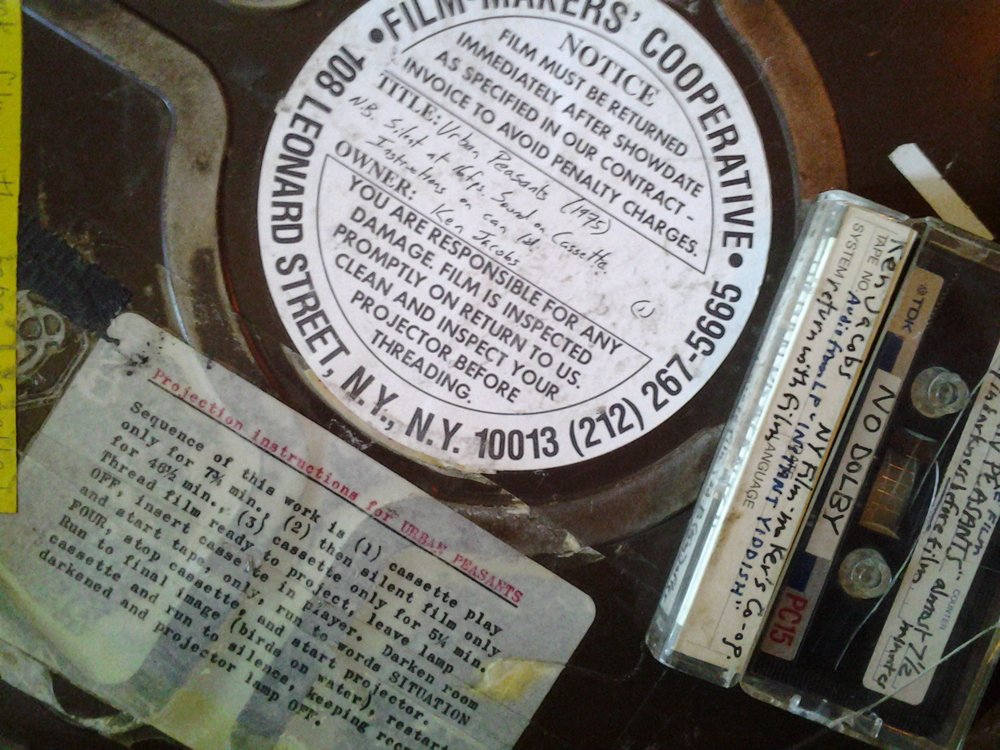
Do almost nothing: re-present (unaltered and arranged by chance) silent family home movies handed down to Flo, (Ken’s wife) and follow them with a “teach yourself Yiddish” cassette tape.
Arika have been creating events since 2001. The Archive is space to share the documentation of our work, over 600 events from the past 20 years. Browse the archive by event, artists and collections, explore using theme pairs, or use the index for a comprehensive overview.
Do almost nothing: re-present (unaltered and arranged by chance) silent family home movies handed down to Flo, (Ken’s wife) and follow them with a “teach yourself Yiddish” cassette tape.
Coming to us from Taipei, Yo-Yo sends us elsewhere while bringing us back with her to the timezone of tomorrow. A dancer, media artist, and choreographer who makes multi-dimensions and realms, Lin’s amplification of energies and connections across bodies devolves the separations we are taught to abide.
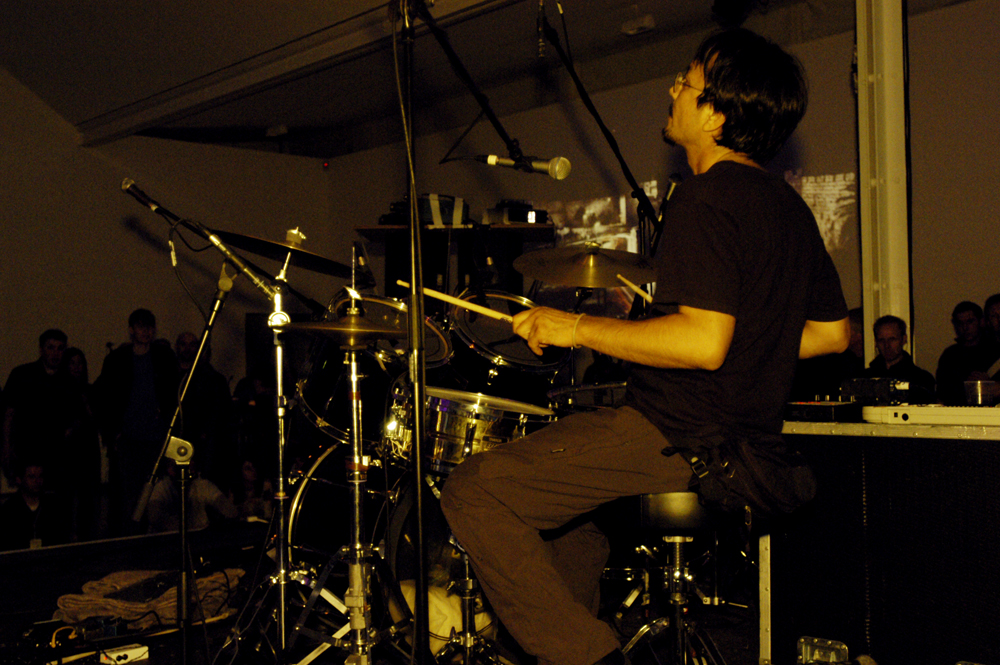
Giants of the Japanese avant-rock scene Ruins are a hardcore prog rock bass + drums duo led by drummer extraordinaire Tatsuya Yoshida and joined in Dundee by Sasaki Hisashi.
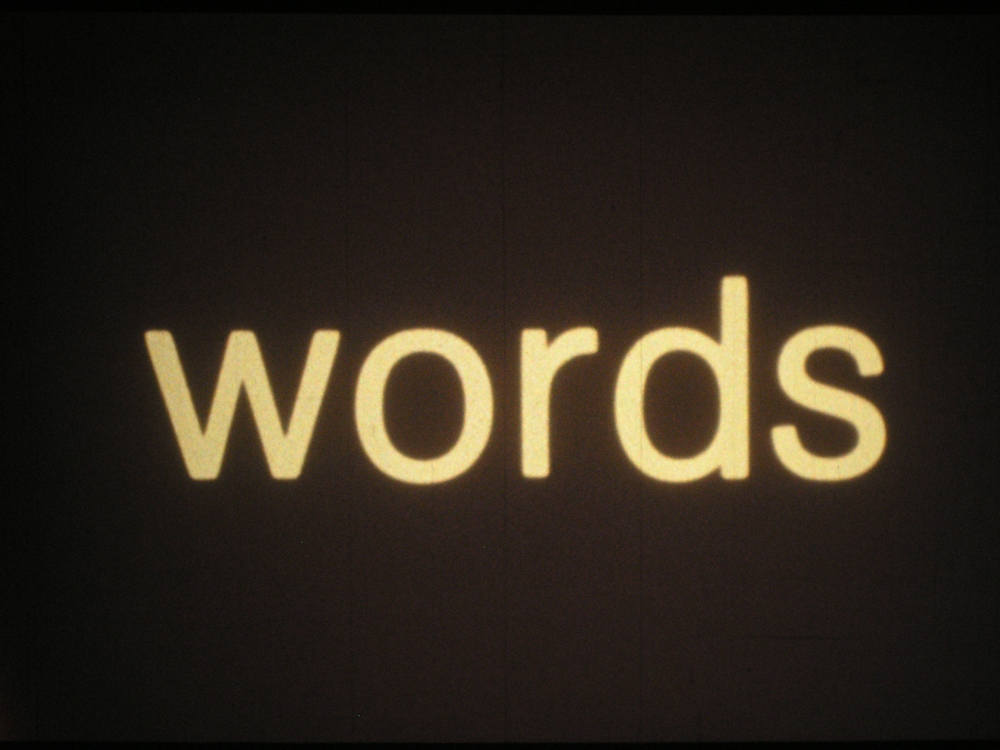
Investigate film as language, via the language of film reduced to the basic units of film and language. A film as text in which each frame is a single word.
Music is full of refracted brass and wind tones, distorted tape loops, dead silent air and the occasional piercing shard of sound.
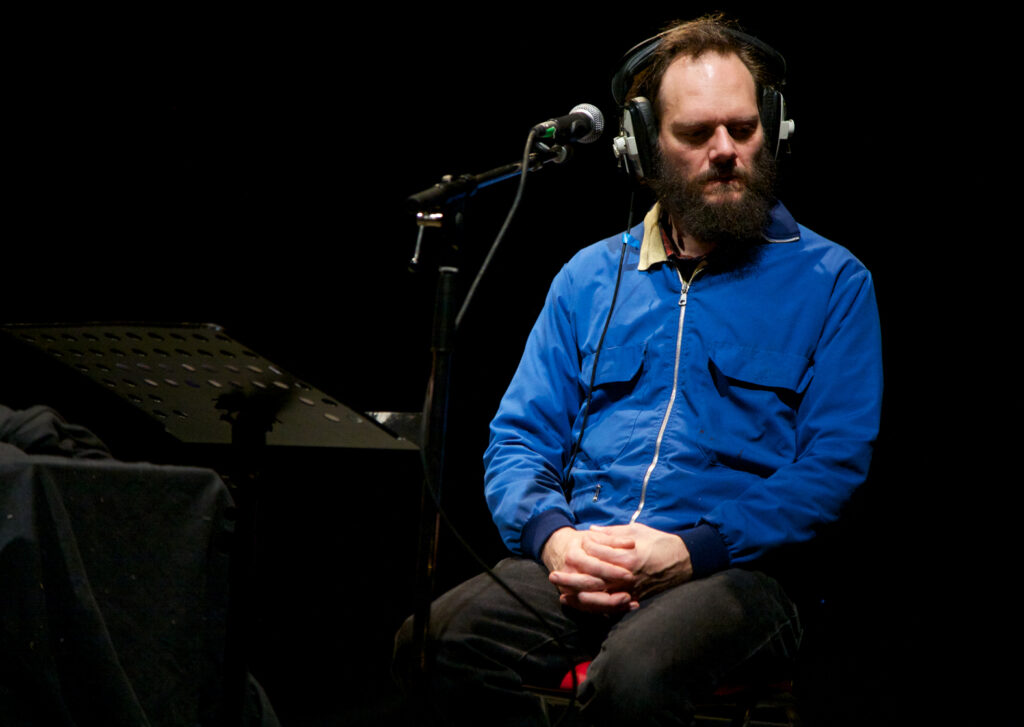
Listening to people listening to their own homes. Musicians and actors will listen back to recordings made in local peoples homes on headphones, and interpret/ translate what they are hearing.
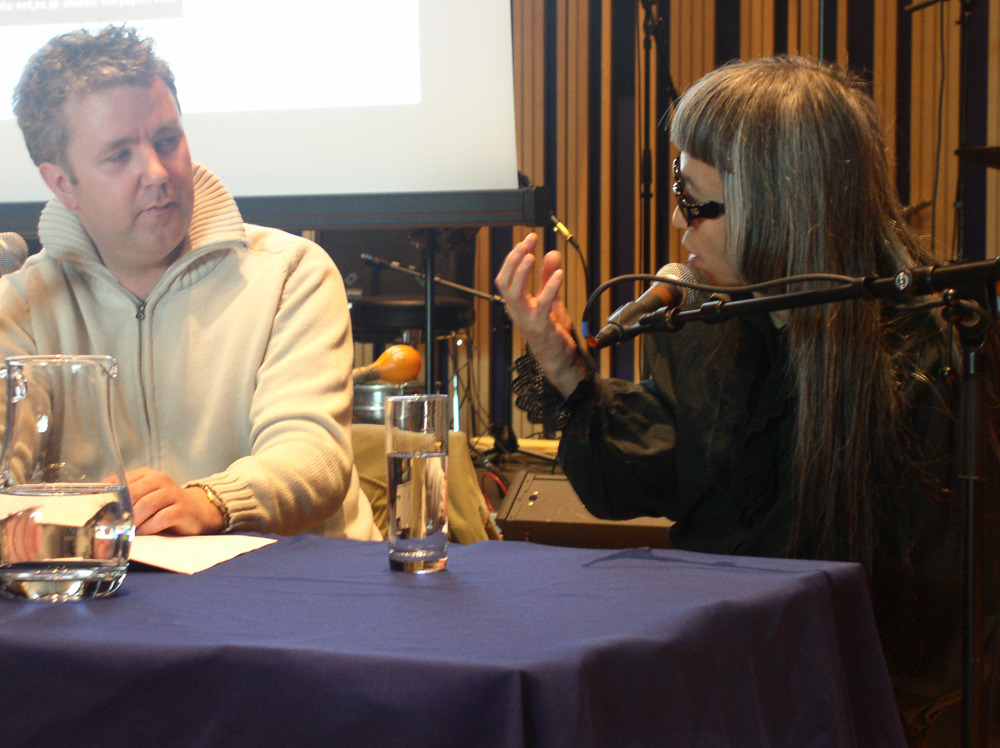
Journalist and underground music champion Alan Cummings talks to Keiji Haino about his career and his performance the previous evening.
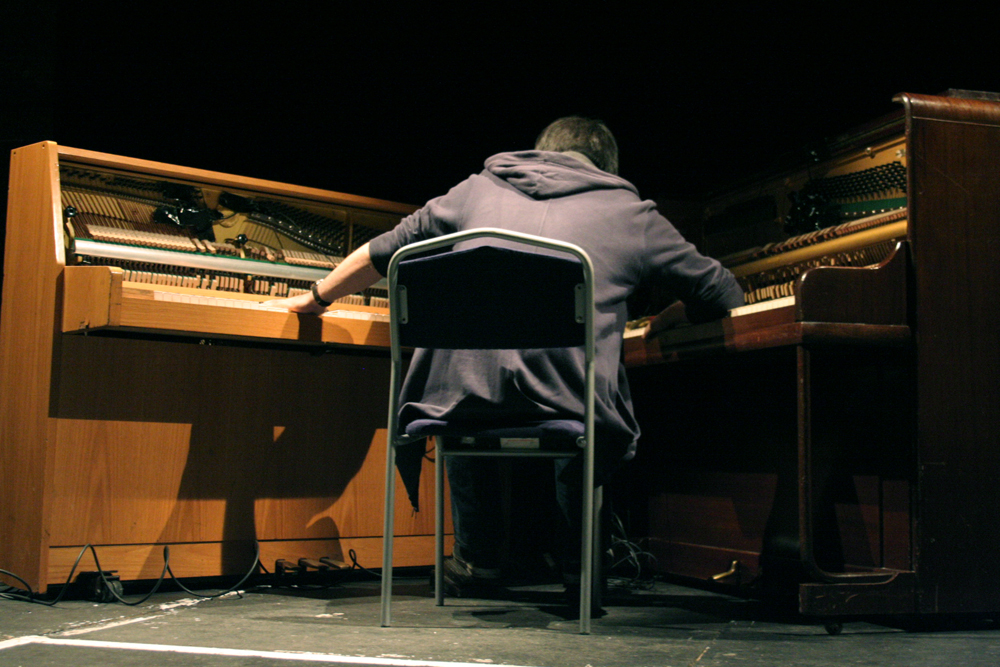
Sachiko’s very simple, pure sine tones and structures. Otomo on double pianos. Filament’s music isn’t composed and it isn’t improvised: it’s a hybrid of the two.
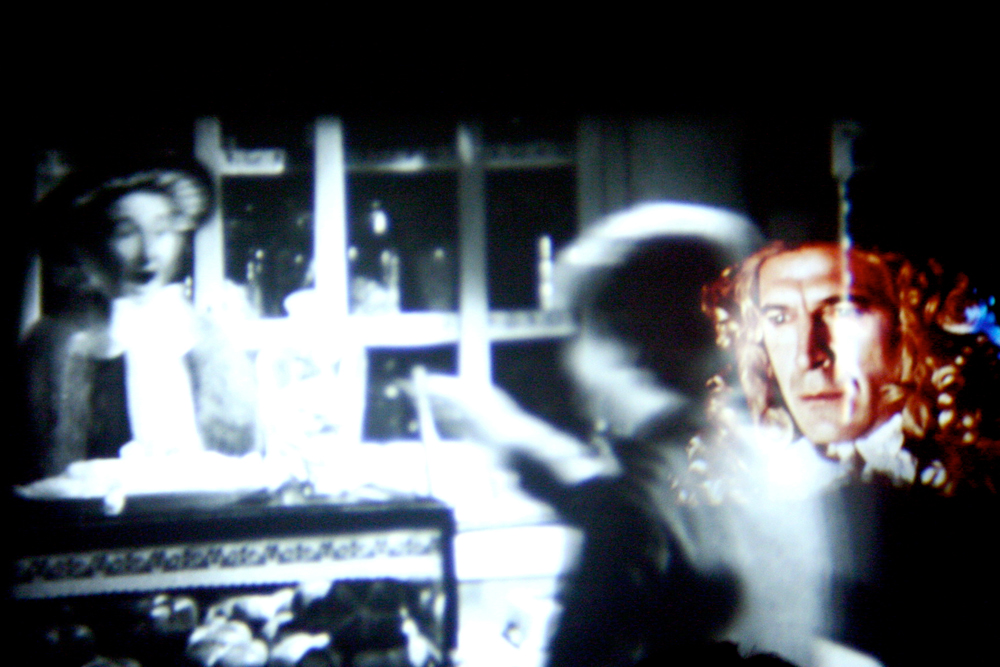
Imagery, drawn from what seems like hundreds of different films is overlaid and combined in a promissory rainbow of new meanings and impossible scenarios, with the unsettling feel of daylight shadows.
When we look, how do we objectify the body; how can we reflect on our (self) image as a construction?
The ongoing development of [b]reach, an abolitionist black queer retelling of Marge Piercy’s incredible feminist utopian novel Woman on the Edge of Time.
Instead of the one-way monologue of normal performance, what would be the result of an actual collective dialogue? Where would it go?