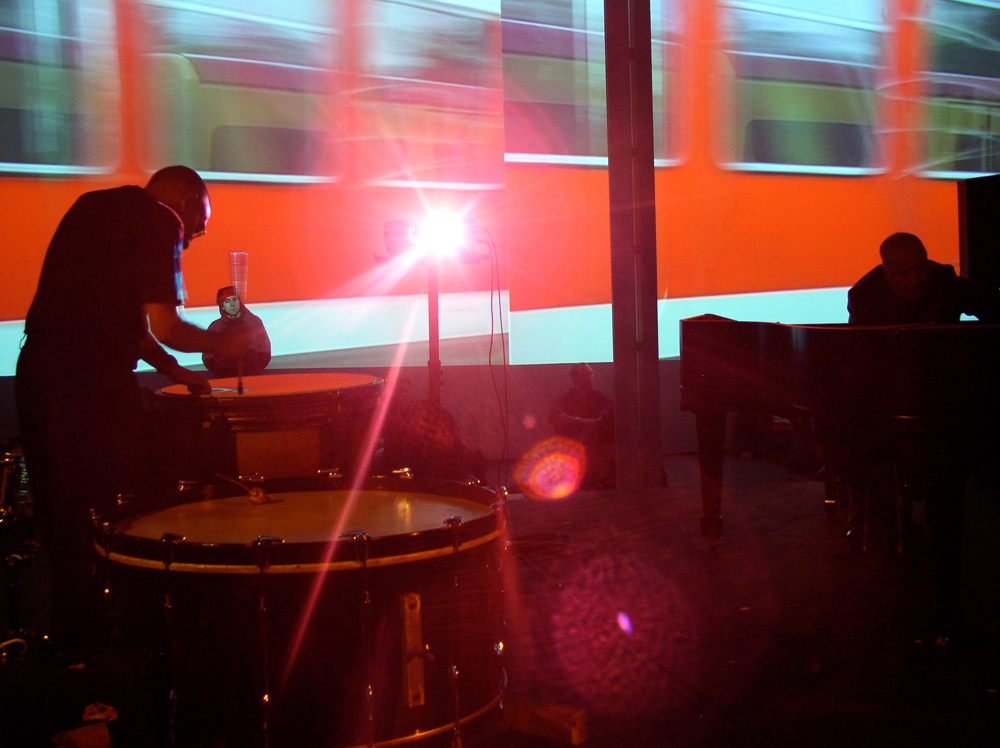
AMM & Malcolm Le Grice
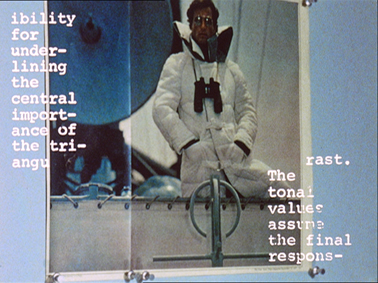
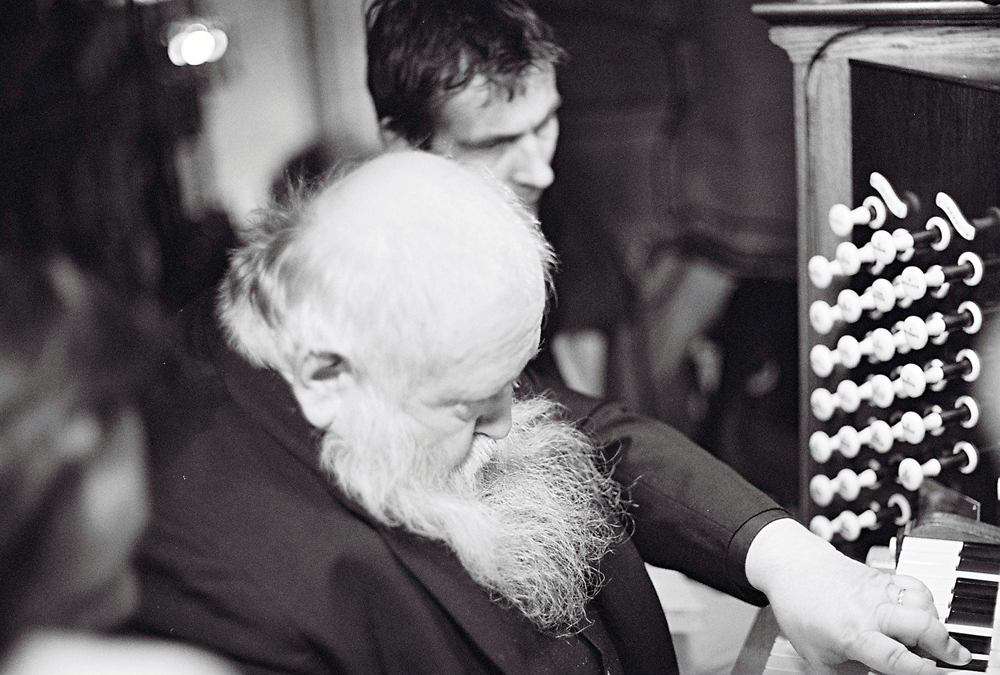
Malcolm Le Grice AMM
One of the most influential groups in improvised music, with the collective understanding that comes from listening keenly to each other for decades
Arika have been creating events since 2001. The Archive is space to share the documentation of our work, over 600 events from the past 20 years. Browse the archive by event, artists and collections, explore using theme pairs, or use the index for a comprehensive overview.
One of the most influential groups in improvised music, with the collective understanding that comes from listening keenly to each other for decades
Although Tony had visited Haino in Japan, and they played together in private, this was the first time anyone other that Haino’s cat saw them perform together.
Jarringly beautiful and often maniacal expression of hallucinatory and very personal visions.
Ian and Gil will host a discussion on the Argument project’s social and political commentaries, and with you try and maybe think through whether and how they might still have some currency today: what’s changed and what’s stayed the same?
These simple, one-take videos, relate personal experiences to the current conflicts in the Middle East via the most basic of means (a hotel room, a camcorder, John’s personal thoughts, concerns and convictions).
Each organ is unique. The project is to find out what makes it unique.
Profound mathematical ideas for romantics, to help us linger in the difference we share.
Complexly interacting colossal drones by the creator of some of the most legendary yet least heard music of the 70’s.
A specially commissioned performance for organ. “The course of the stars were to be put to sound.”
Glasgow. Low-end drone guitarage army in praise of the open chord.
The practice of North African Indigenous revolutionary love, in the face of European capitalist violence and settler colonialism, with one of the most vital anti-colonial thinkers in Europe.
Final workshop exploring work, care and class. Does the ‘care industry’ summon forth its own class? Can this ‘affective class’, in their ability to care for others, militate against the carelessness of self-interest?