Investigation – Christof Migone
Christof Migone
Can we use sound, repetition and difference to personally and collectively engage with space, time and labour?
Arika have been creating events since 2001. The Archive is space to share the documentation of our work, over 600 events from the past 20 years. Browse the archive by event, artists and collections, explore using theme pairs, or use the index for a comprehensive overview.
Can we use sound, repetition and difference to personally and collectively engage with space, time and labour?
Taking a scalpel to the relationship between performer and audience: cutting something out to see what’s left, a drastic subtraction and shift of emphasis.
In Ramayya’s visionary poetry, the body assumes as many forms as love produces states: attraction and repulsion, excitement and exhaustion, selfishness and the dissolution of self.
A socio-poetic reading on wayward communities – The wayward create upheavals, incite tumult. They come and go as they please; they are fugitive; they are in open rebellion against society.
What happens when you are engaged in a deep and extended artistic practice that intersects between literature and music, notation and improvisation, sight and sound?
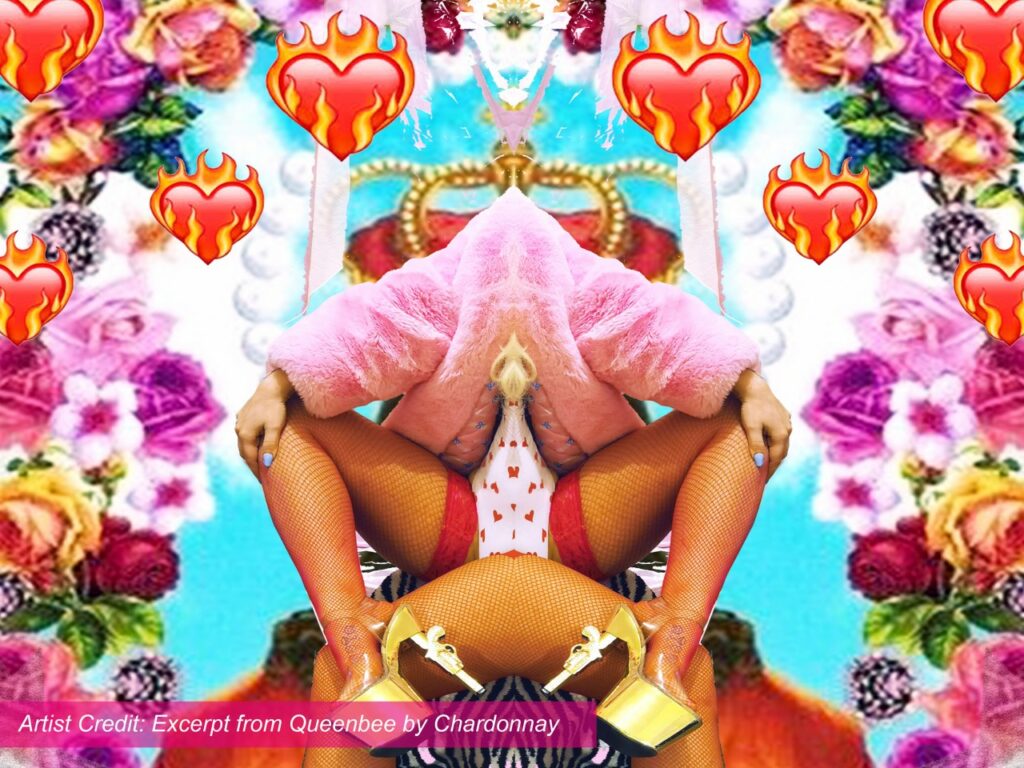
An evening of live performances, readings & saucy rococo cakes celebrating the launch of Truth and Lies – An Anthology of Writing and Art by Sex Workers.
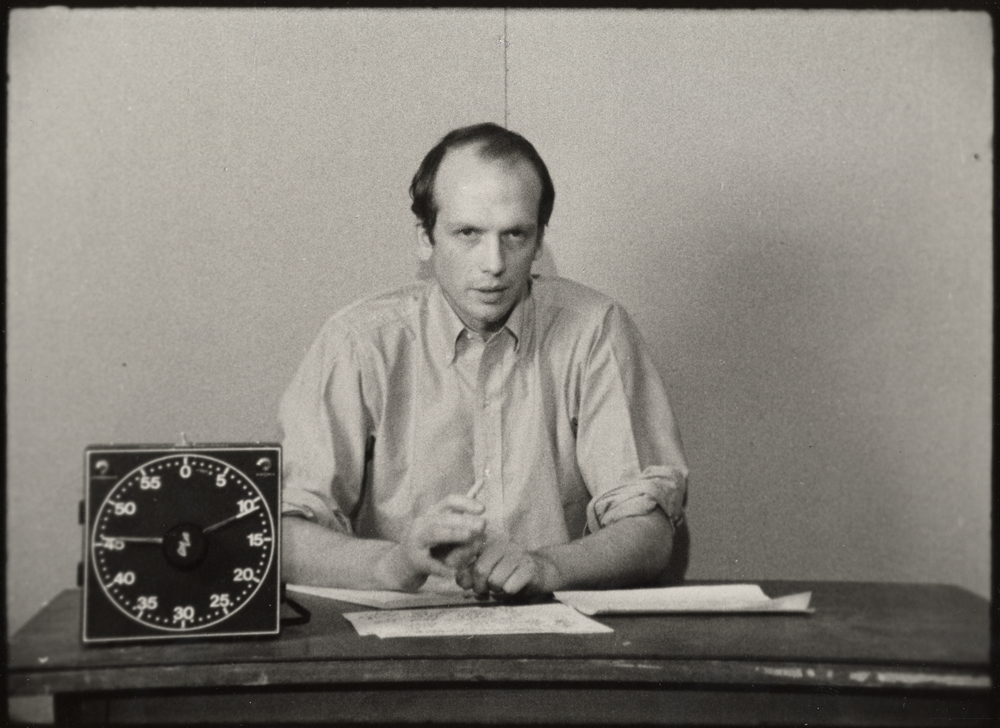
Morgan Fisher is a filmmaker of great wit and charm who uses the tools of experimental film to dissect the basic presuppositions of commercial cinema.
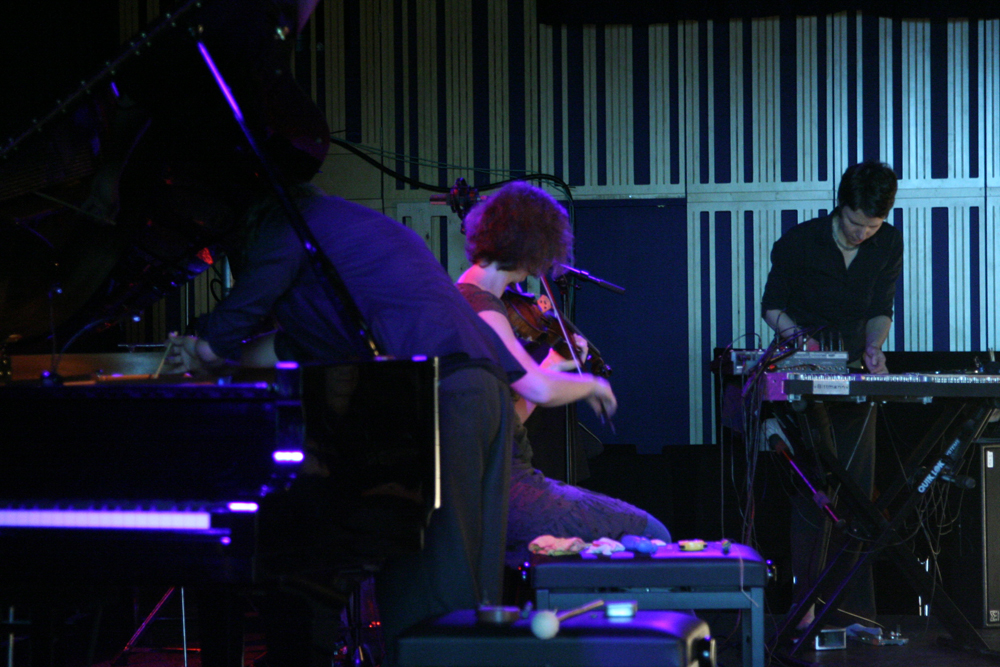
Improvising violinist Angharad Davies performing with pianists Tisha Mukarji and Andrea Neumann.
Electronic music, time, thought, the word, and consecutive matters
Taku’s actions strip back musical performance to one of its original proposals: what is an action and how does it create a situation for spending time together, for paying attention?
What kind of listening and acknowledging do we offer each other? What is it to listen to an ‘elsewhere’, and do we ever do anything else when we listen to music?
How can we imagine bodies not as an end in themselves, but as a medium through which we can become one another’s means?