Episode 5: Hidden in Plain Sight
Voguing, drag, clubbing, and the politics of communities making different performances of gender and sexuality visible.
Arika have been creating events since 2001. The Archive is space to share the documentation of our work, over 600 events from the past 20 years. Browse the archive by event, artists and collections, explore using theme pairs, or use the index for a comprehensive overview.
Voguing, drag, clubbing, and the politics of communities making different performances of gender and sexuality visible.
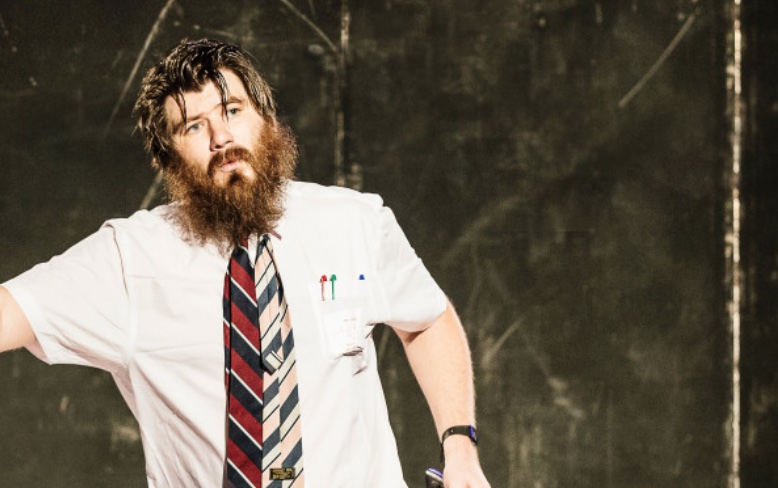
In this workshop we will imagine ourselves as time travellers from a glorious and chaotic neurodivergent-led future.
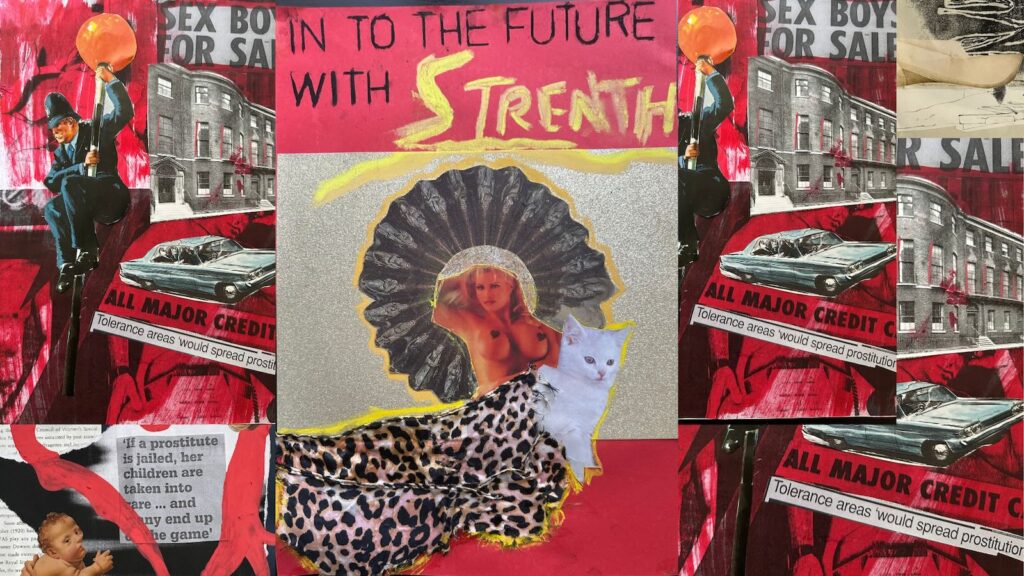
Join Sex Workers For Decrim for a sex worker only collective art workshop and be part of creating a massive visual timeline of sex worker resistance in Scotland.
A film as a translation of Monique Wittig’s landmark feminist novel Les Guérillères, in which a plural protagonist of militant feminists inhabit a fantastical, enigmatic and hallucinatory miasmatic space-time of post Hurricane Maria Puerto Rico.
A series of three short performed situations and statements to be examined or judged from the most interesting young musician in Glasgow (we think).
How can we imagine bodies not as an end in themselves, but as a medium through which we can become one another’s means?
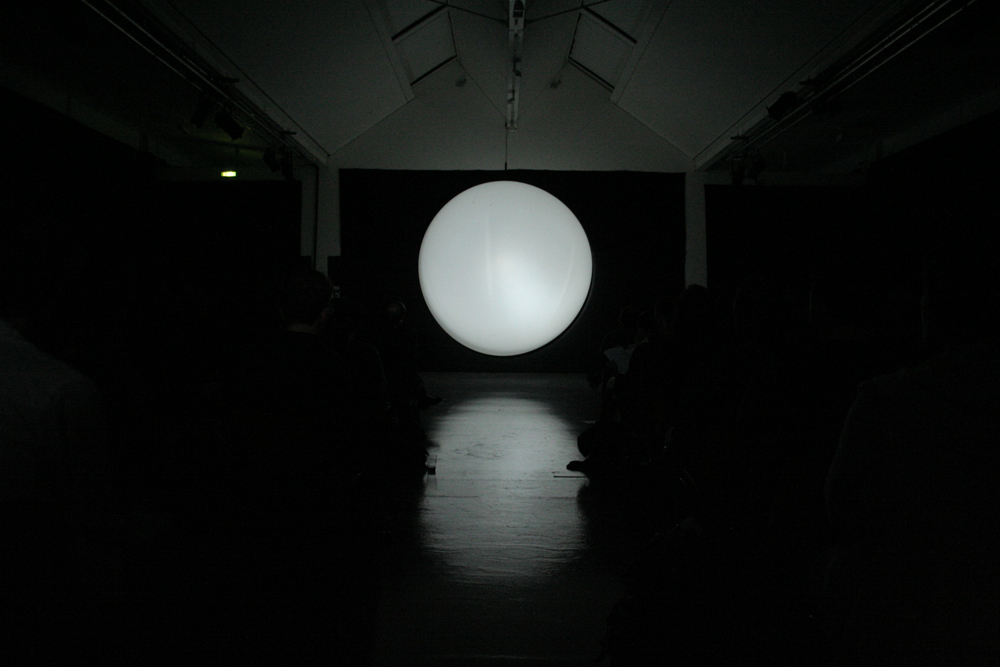
60 minutes of hard ass minimal film, projected onto a weather balloon and accompanied by the inspired poetic rant of a visionary Frenchman.
A chat, with examples (Zola, H. P. Lovecraft, Hammer Horror), about blackness and the sheer stupid thickness of what has no profundity whatsoever.
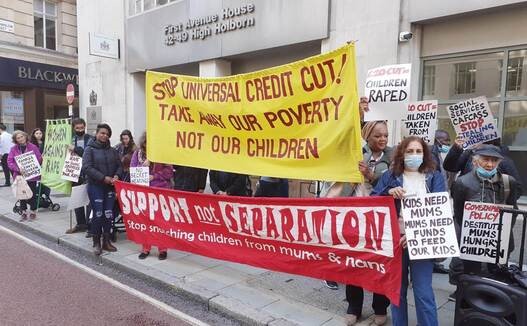
How do grassroots feminist organisations strategise relationships between mothers, parents, carers and their children based on respect and empowerment, in resistance to the practice of putting children in often the most uncaring of places – care.
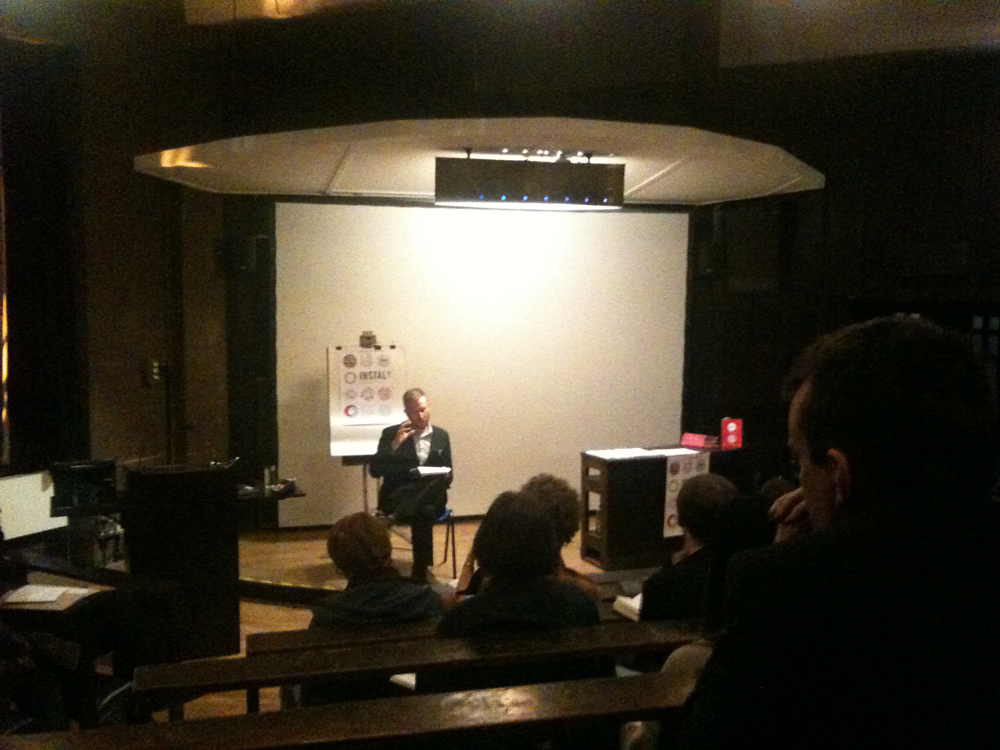
A kind of an informal overview of INSTAL.
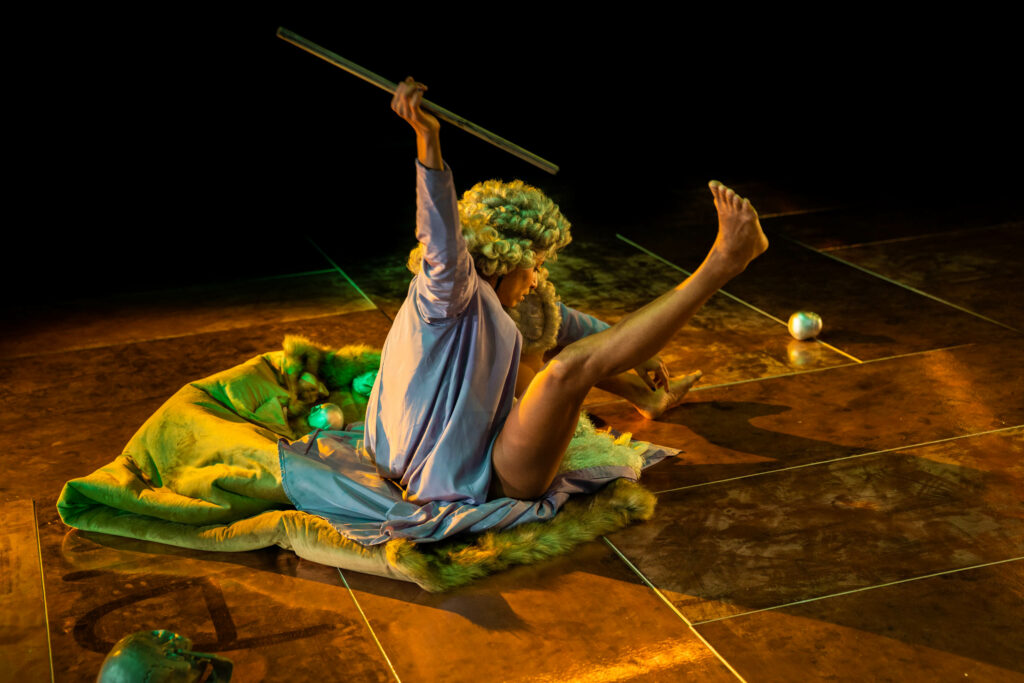
Conceptual choreography as critique, in Ligia’s film of Caribbean plots and scandals, and the possibilities of anti-colonial revenge, rest and repair.
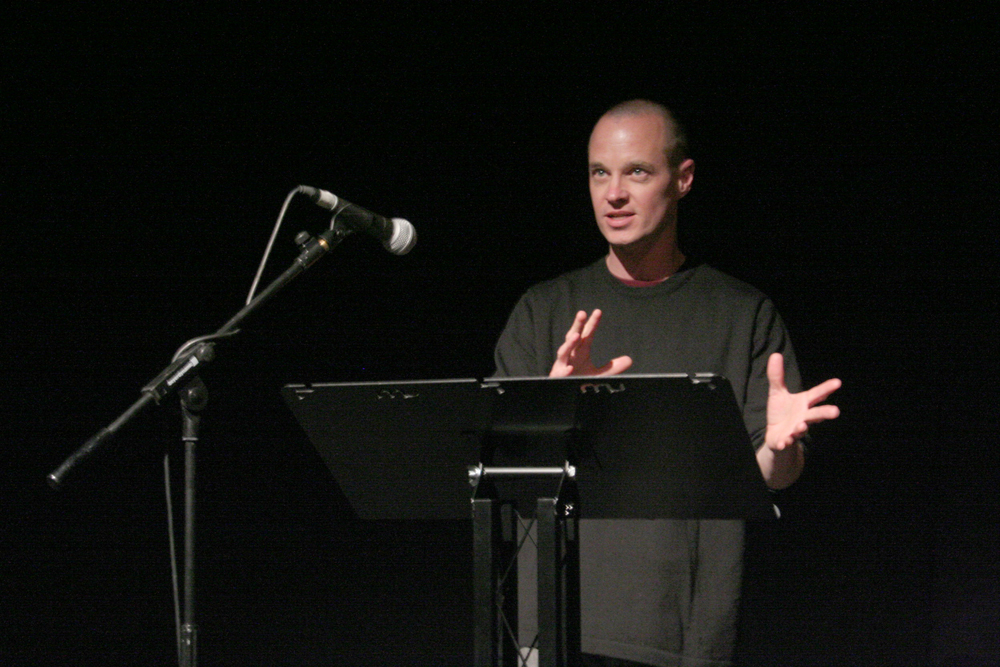
Dworkin asks: What would a non-expressive poetry look like? A poetry of intellect rather than emotion?