DJ E
Chuquimamani-Condori
Ecstatic, intensely joyous experimental club music: like “the sound of our water ceremonies…40 bands playing their melodies at once to recreate the cacophony of the first aurora and the call of the morning star Venus”.
Arika have been creating events since 2001. The Archive is space to share the documentation of our work, over 600 events from the past 20 years. Browse the archive by event, artists and collections, explore using theme pairs, or use the index for a comprehensive overview.
Ecstatic, intensely joyous experimental club music: like “the sound of our water ceremonies…40 bands playing their melodies at once to recreate the cacophony of the first aurora and the call of the morning star Venus”.
Haino exceeds expectation with a 4 hour solo performance on a collection of more than forty instruments from all over the world.
A 3-day exploration – through performance, screenings and discussion – of the art and politics of wayward communities who refuse to be bound by the fictions of race and sex.
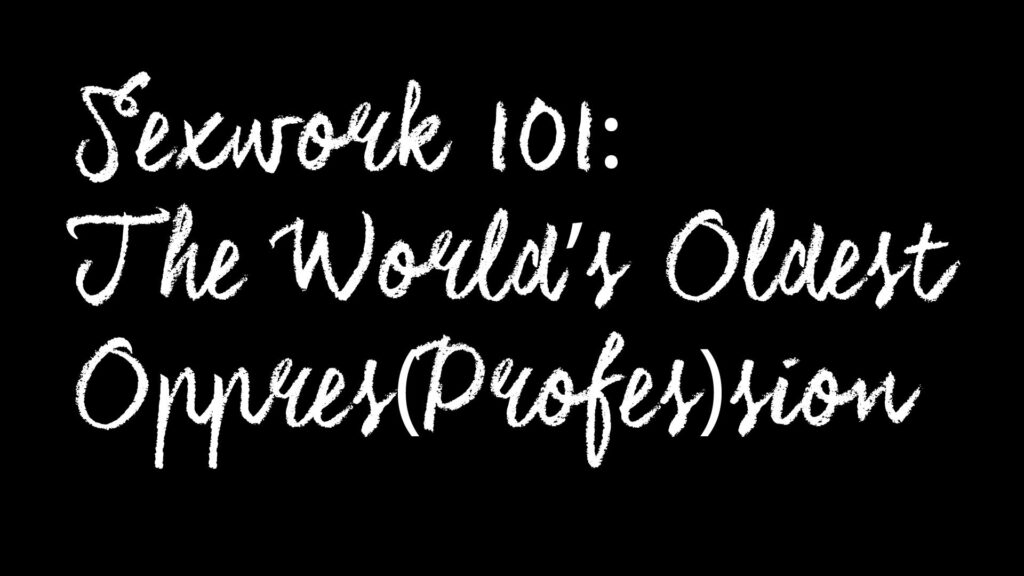
A 101 panel on sex work in Scotland, hosted by Scotland for Decrim and National Ugly Mugs
First live show outside the USA featuring one-off film pieces and live theatre from the ringleaders of the ‘weird new America’ psych folk explosion.
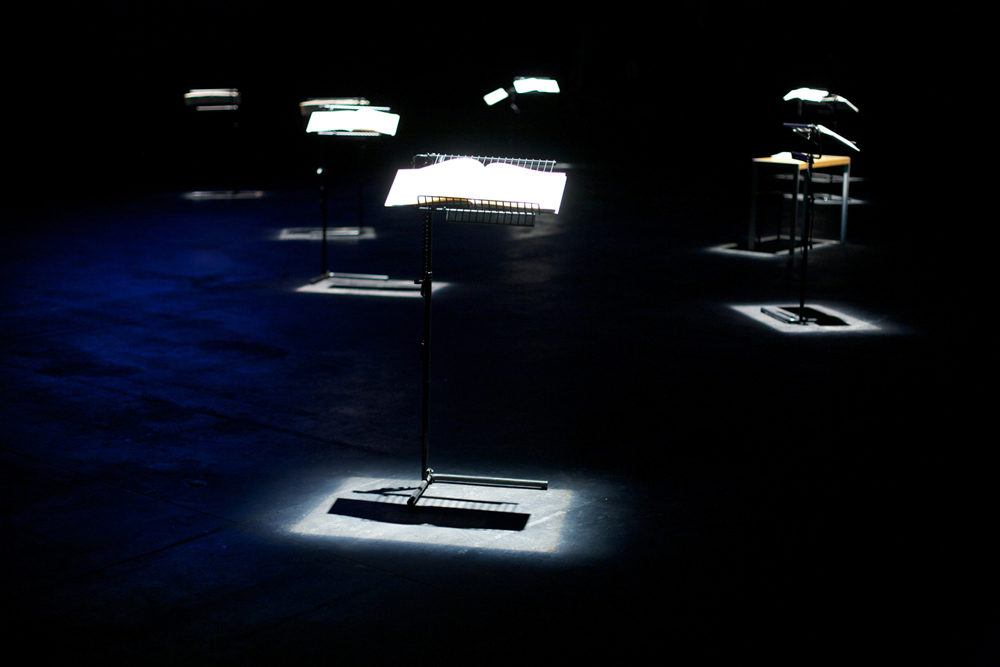
‘Ten Pieces in the Form of Painful Variations’ for piano, an impossible score that looks like a grapeshot musical stave, a text of barbed loathing and doubt – an anti-composition.
Autobiographical detail becomes a lens to reflect and refract the deepest aspects of personal and social life in Delany’s ground-breaking non-fiction writing.
In this workshop we will imagine ourselves as time travellers from a glorious and chaotic neurodivergent-led future.
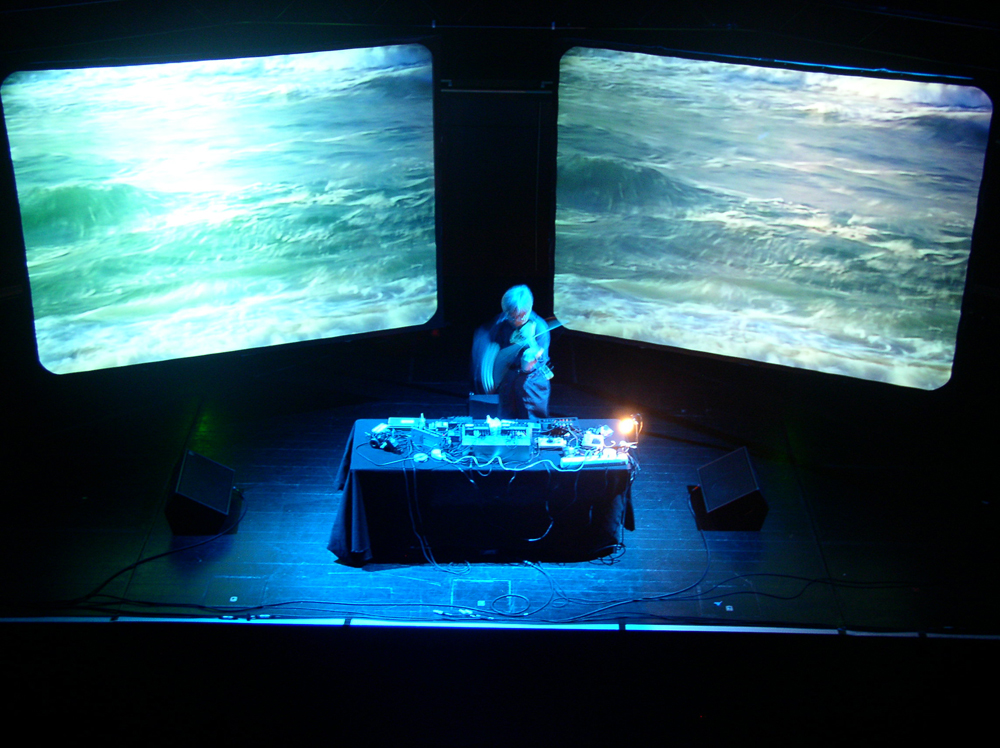
A new interpretation of Kosugi’s Catch-Wave, producing a cloud of fluctuating, hypnotic drones, in front of a backdrop of projected waves.
Lo-fidelity sheets of parinirvanic mangled tone get driven into oblivion by two longstanding gurus of the Northern England primitivist noise.
How can we imagine bodies not as an end in themselves, but as a medium through which we can become one another’s means?
Dworkin asks: What would a non-expressive poetry look like? A poetry of intellect rather than emotion?