What is the Sound of Freedom?
Nancy Nevárez Ultra-red
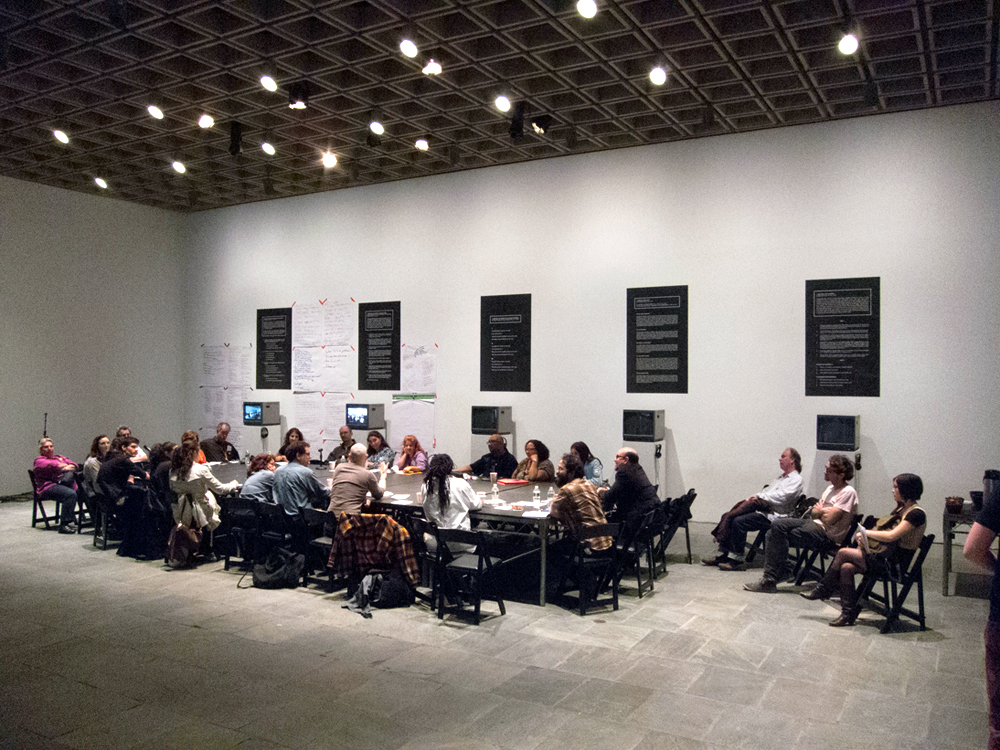
For day three of Ultra-red’s project, the investigation will take up protocols for listening to the sound of freedom composed and facilitated by Nancy Nevárez.
Arika have been creating events since 2001. The Archive is space to share the documentation of our work, over 600 events from the past 20 years. Browse the archive by event, artists and collections, explore using theme pairs, or use the index for a comprehensive overview.
For day three of Ultra-red’s project, the investigation will take up protocols for listening to the sound of freedom composed and facilitated by Nancy Nevárez.
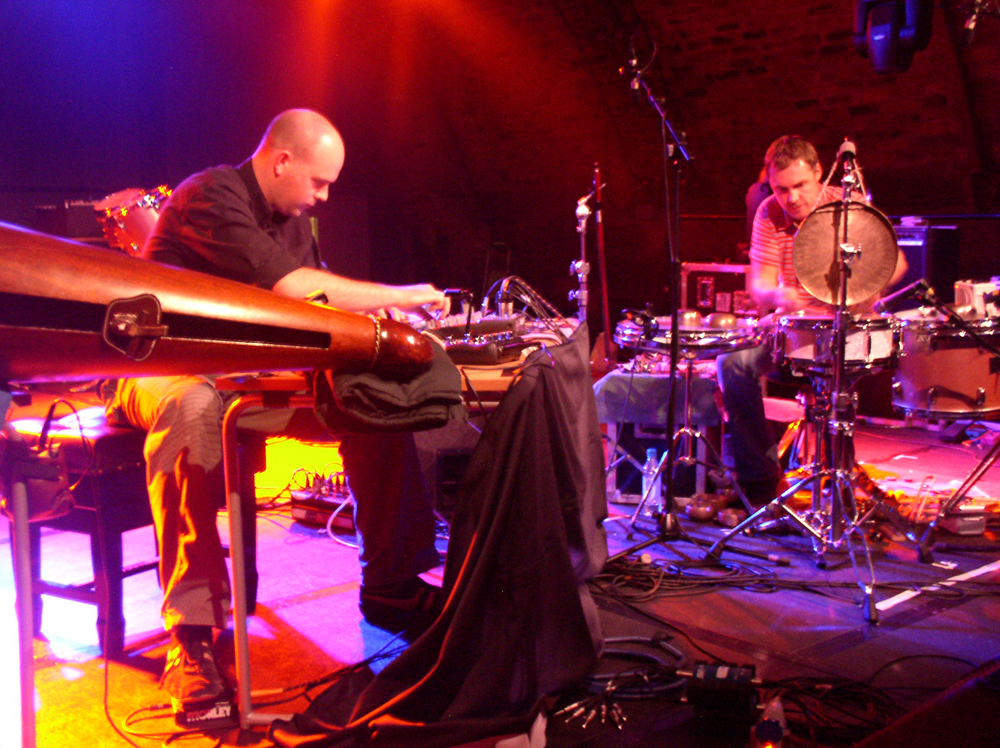
Minimal details and otherworldly glistening drones, rich with sustained metallic timbres that breathe with the scrapped pulse of bowed metal.
Ian and Gil will host a discussion on the Argument project’s social and political commentaries, and with you try and maybe think through whether and how they might still have some currency today: what’s changed and what’s stayed the same?
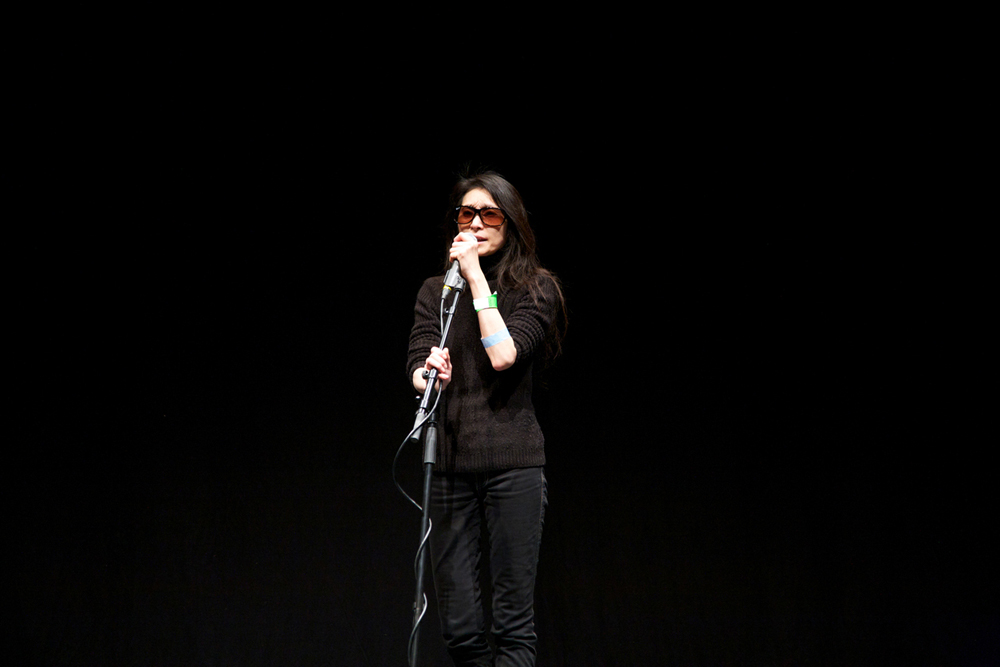
Harrowing but musical confrontations with the very real, physical and aural trauma of a woman screaming.
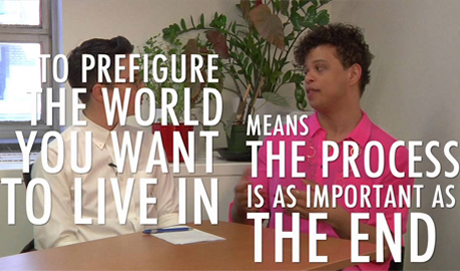
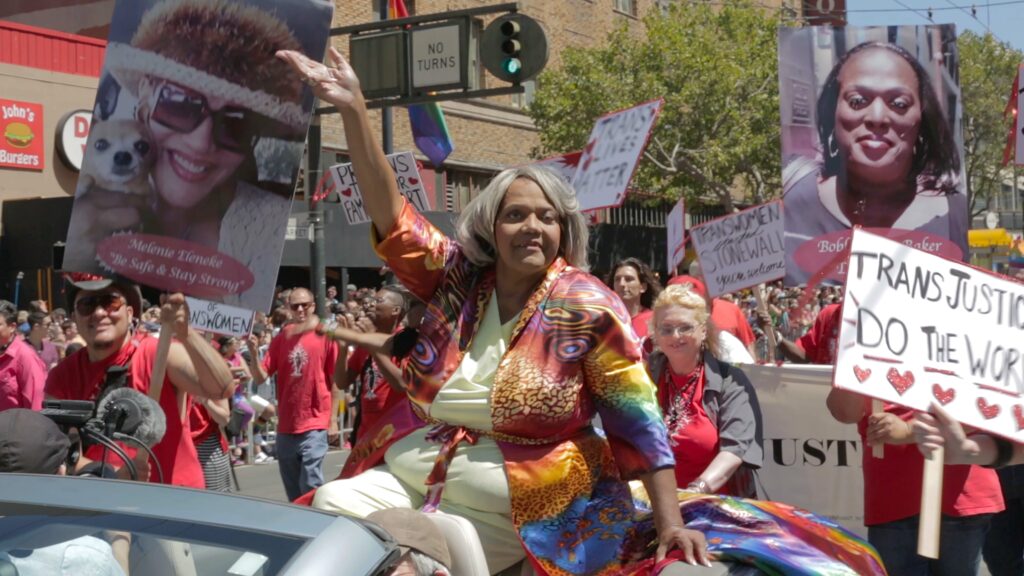
A crash-course in pre-figurative, radical, queer, anti-racist, anti-police, anti-prison, anti-deportation abolitionist politics and trans-resistance.
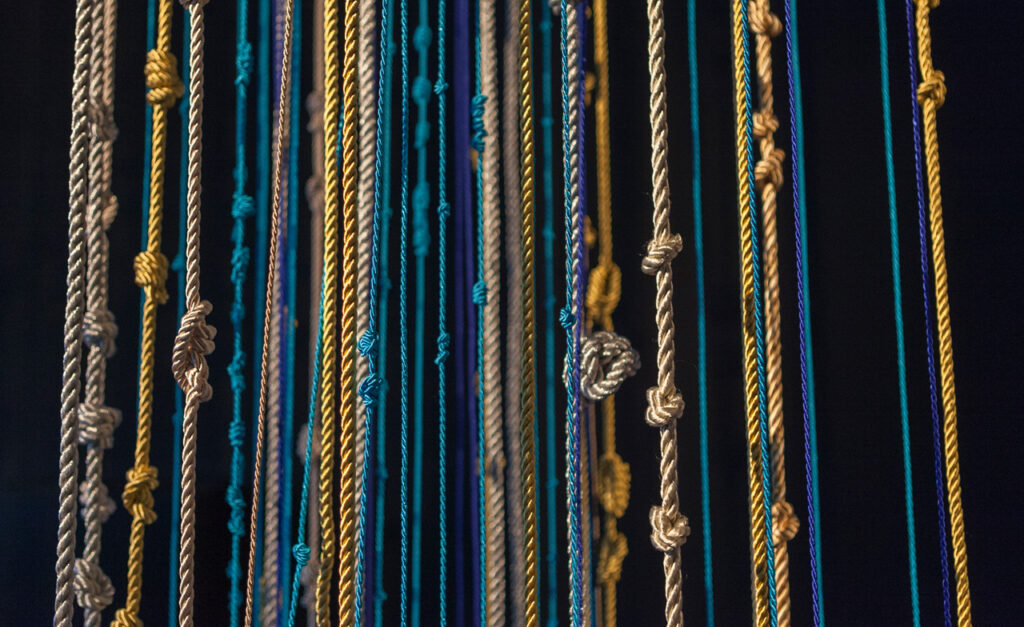
How do we sense entanglement? Can the knotting of ropes according to a poem’s rhythm make the social pulse of language matter?
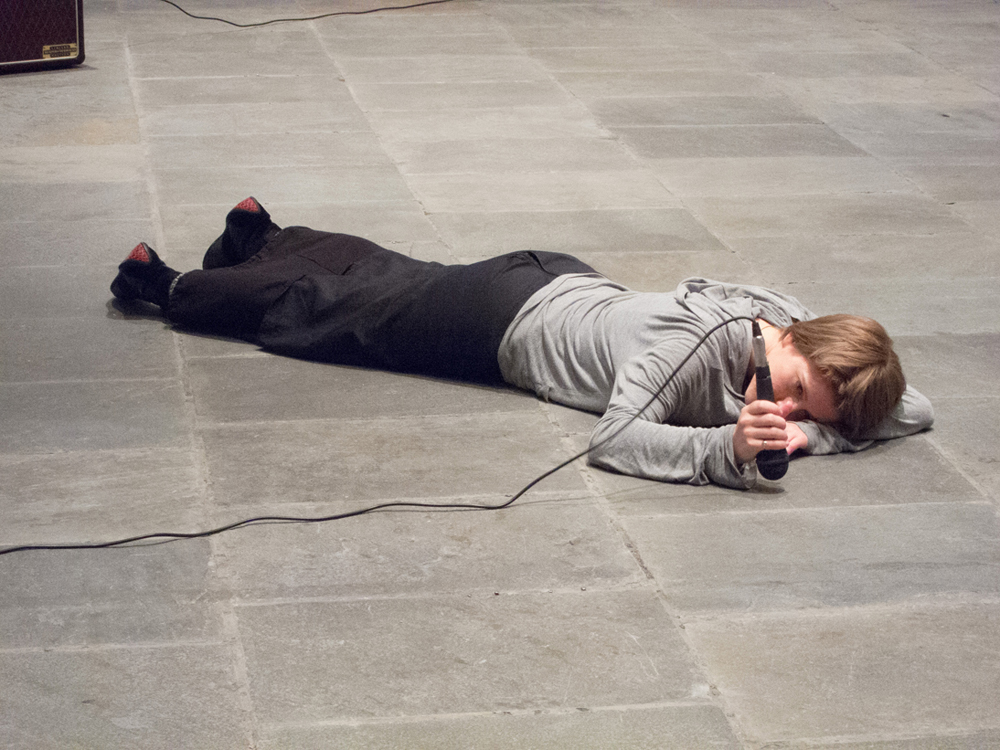
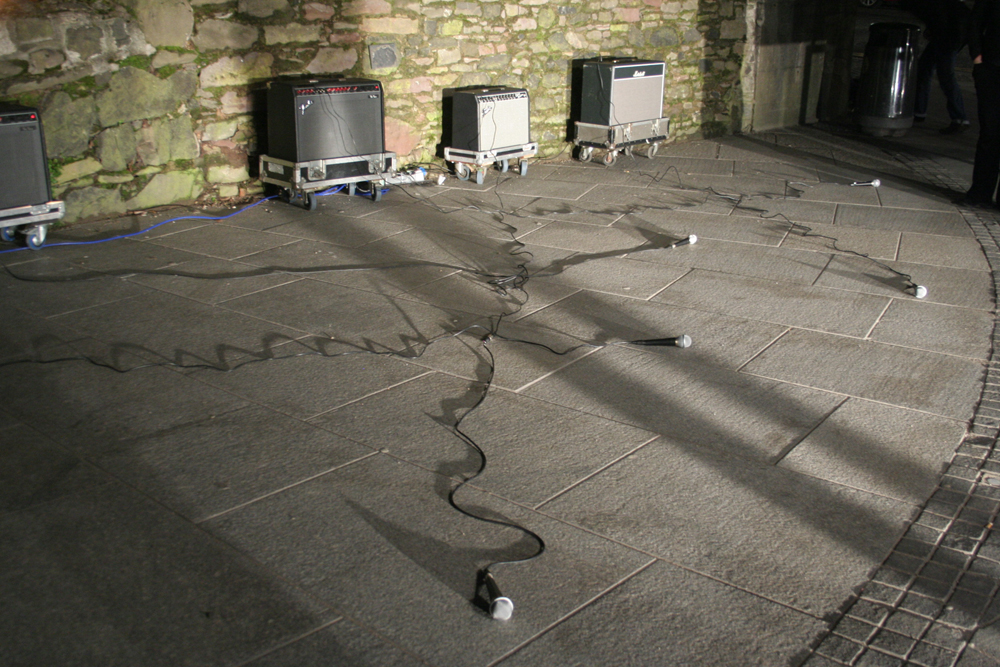
Sound as it is endured by space and the body: 15 participants lie face down and pound the floor with a microphone one thousand times, each person choosing their own rhythm and intensity.
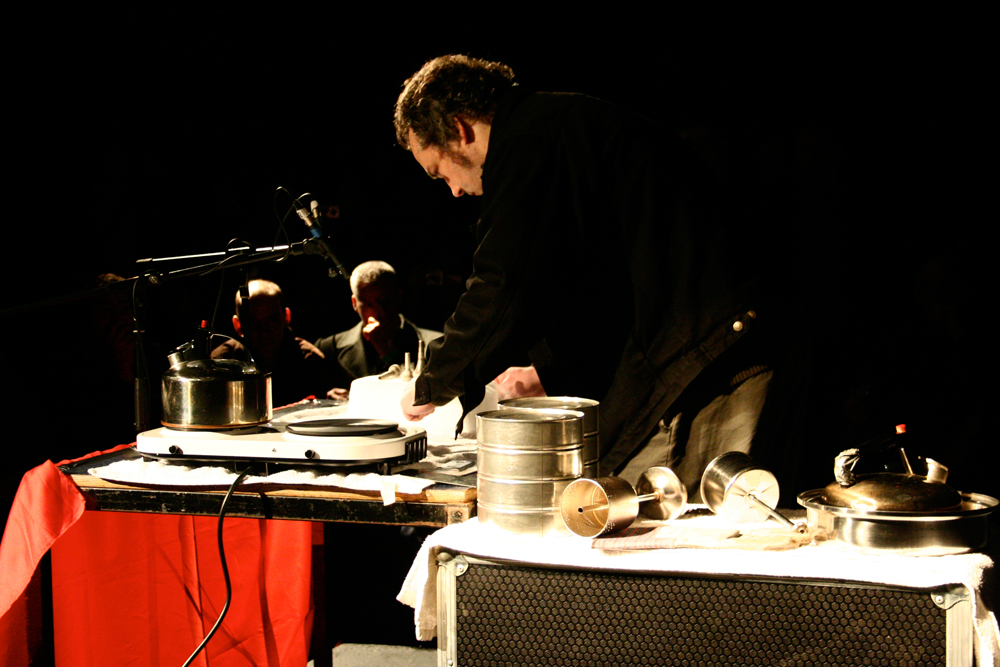
Michael Colligan pressing white hot metal into dry ice, causing the metal to sing and scream.
Can we use sound, repetition and difference to personally and collectively engage with space, time and labour?
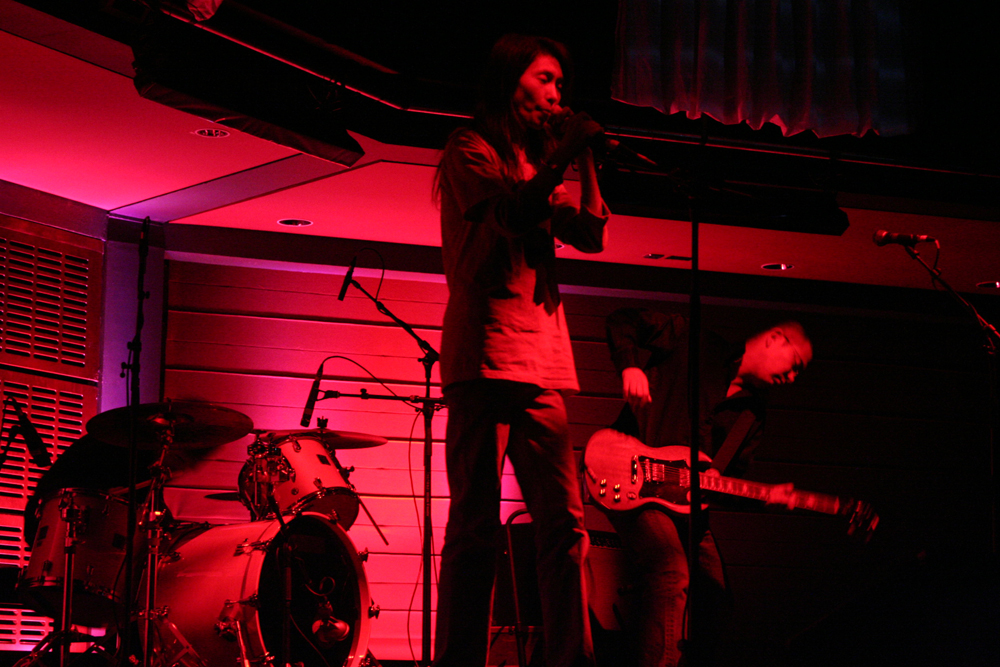
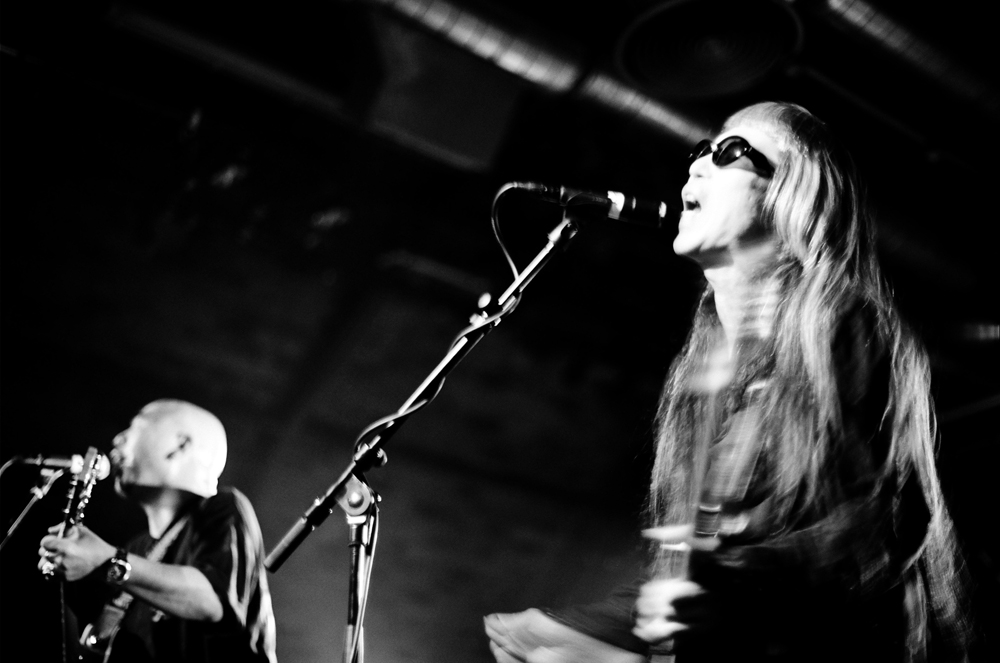
Three iconic figures from the Japanese underground assembled as a trio to stand in for the advertised duo of Junko and Jerome Noetinger who was unable to attend the festival due to illness.
Vajra are a Japanese psychedelic rock supergroup, hewn from the collective consciousness of Fushitsusha’s Keiji Haino, folk radical Kan Mikami and percussionist Toshiaki Ishitsuka.
How do communities formed under the duress of violent othering and the joy of solidarity – such as ballroom culture, Black diasporas, Zapatistas – reform bonds of kinship?